
Human Brain Cells In Mice
5 outlets
Each outlet's article on this story, most articles first
5 reporters
- Pien HuangNPR
- Victoria GillBBC
- Kate StephensBBC
- Katie JerkovichNew York Post
- TOI Science DeskTimes of India
By day
Articles per day
Cite
Human Brain Cells In Mice. (2026, October 13). The Aporia. https://theaporia.onrender.com/event/13719
“Human Brain Cells In Mice.” The Aporia, 13 Oct. 2026, https://theaporia.onrender.com/event/13719.
“Human Brain Cells In Mice.” The Aporia, October 13, 2026. https://theaporia.onrender.com/event/13719.
Dated the day this page was built. The link always leads to this event, even after the stories are regrouped.
Neuroscientists at Stanford University successfully grew human brain tissue inside mice in the hopes of further enabling the development of treatments for brain disorders.
What happened
The outlets' own sentences, most widely reported first. Hover or tap one to see who reported it.
What each outlet says
One AI summary per outlet of its latest article on this story, written from that article alone and checked against it. Open the article for the outlet's own words.
Researchers have developed a method to implant millions of human brain cells into mice that lack parts of their cerebral cortexes. This technique allows scientists to study neurodegenerative diseases using more accurate models of the human brain than previously possible. The research, led by Sergiu Pașca from Stanford University and published in Nature, addresses ethical concerns while advancing scientific…
Mice with human brain cells offer a tool to study disease. Ethicists ask: What's next? →US neuroscientists have created mice with functioning human cells in their brains to study psychiatric and neurodevelopmental diseases that cannot be effectively modeled in animals. The researchers genetically engineered the mice so they develop almost no cerebral cortex, then implanted brain-like tissue grown from human skin cells into these rodents. Published in Nature, this breakthrough aims to improve…
Part-human part-mouse brain developed in science breakthrough →Scientists at Stanford University have successfully transplanted lab-grown human cortical organoids into mice, which had been bred with most of their cerebral cortex missing. Published in Nature, this study involves transforming human skin cells into stem cells that form brain tissue resembling the cerebral cortex. The transplanted tissue not only survived but also integrated with and developed connections to the…
Stanford geniuses create lab rats with half-human brains →Dr. Sergiu Pasca from Stanford University discusses his team's research where they grew human brain tissue inside mice. This experiment aims to advance treatments for various brain disorders. On CBS News, Dr. Pasca explains the methodology and results of their study.
Neuroscientist explains how his team grew human brain tissue in mice and breaks down what they found →Stanford researchers have successfully transplanted lab-grown human brain tissue into mice engineered to lack most of their cerebral cortex. Within months, this tissue expanded to fill over 90% of the available space in these modified mice, forming functional connections with the mouse’s nervous system. Published in Nature on September 16, the study uses cortical organoids derived from human stem cells to observe…
Stanford scientists grow human brain tissue inside mice, filling more than 90% of missing cortex space →Analysis
Agreed
Reported by outlets on both sides of the middle
No sentence was reported across the range.
Disputed
Picked by our model, which is sometimes wrong
No disagreement the check could confirm. That does not prove there is none.
Framing
How the first headlines put it
How it changed
- 16 Sep
Researchers have developed a new way to install millions of human brain cells into mice, as a way of creating better scientific models for studying neurodegenerative disease.
- 18 Sep
Images included in the report showed how the mice, which were bred with part of their cerebrum missing, had a full brain after the cortical organoid transplant.
Coverage 5 articles
Suggested from 4 outlets: the fullest account of the event, no political position was found in its wording and its publisher is declared as reporting rather than commentary.
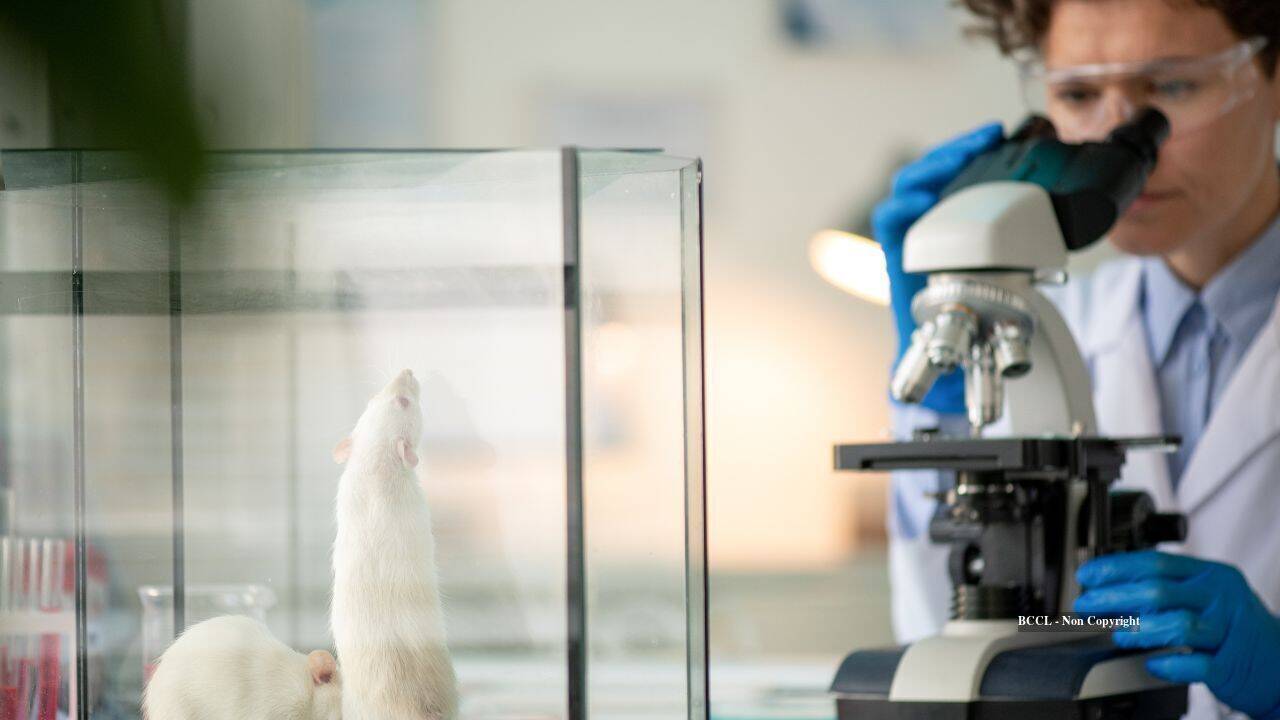 19 Sep Stanford scientists grow human brain tissue inside mice, filling more than 90% of missing cortex spaceStanford researchers have successfully transplanted lab-grown human brain tissue into mice engineered to lack most of their cerebral cortex. Within months, this tissue expanded to fill over 90% of the available space in these modified mice, forming functional connections with the mouse’s nervous system. Published in Nature on September 16, the study uses cortical organoids derived from human stem cells to observe…Times of India
 19 Sep Neuroscientist explains how his team grew human brain tissue in mice and breaks down what they foundDr. Sergiu Pasca from Stanford University discusses his team's research where they grew human brain tissue inside mice. This experiment aims to advance treatments for various brain disorders. On CBS News, Dr. Pasca explains the methodology and results of their study.CBS News
 18 Sep Stanford geniuses create lab rats with half-human brainsScientists at Stanford University have successfully transplanted lab-grown human cortical organoids into mice, which had been bred with most of their cerebral cortex missing. Published in Nature, this study involves transforming human skin cells into stem cells that form brain tissue resembling the cerebral cortex. The transplanted tissue not only survived but also integrated with and developed connections to the…New York Post
 16 Sep Part-human part-mouse brain developed in science breakthroughUS neuroscientists have created mice with functioning human cells in their brains to study psychiatric and neurodevelopmental diseases that cannot be effectively modeled in animals. The researchers genetically engineered the mice so they develop almost no cerebral cortex, then implanted brain-like tissue grown from human skin cells into these rodents. Published in Nature, this breakthrough aims to improve…BBC
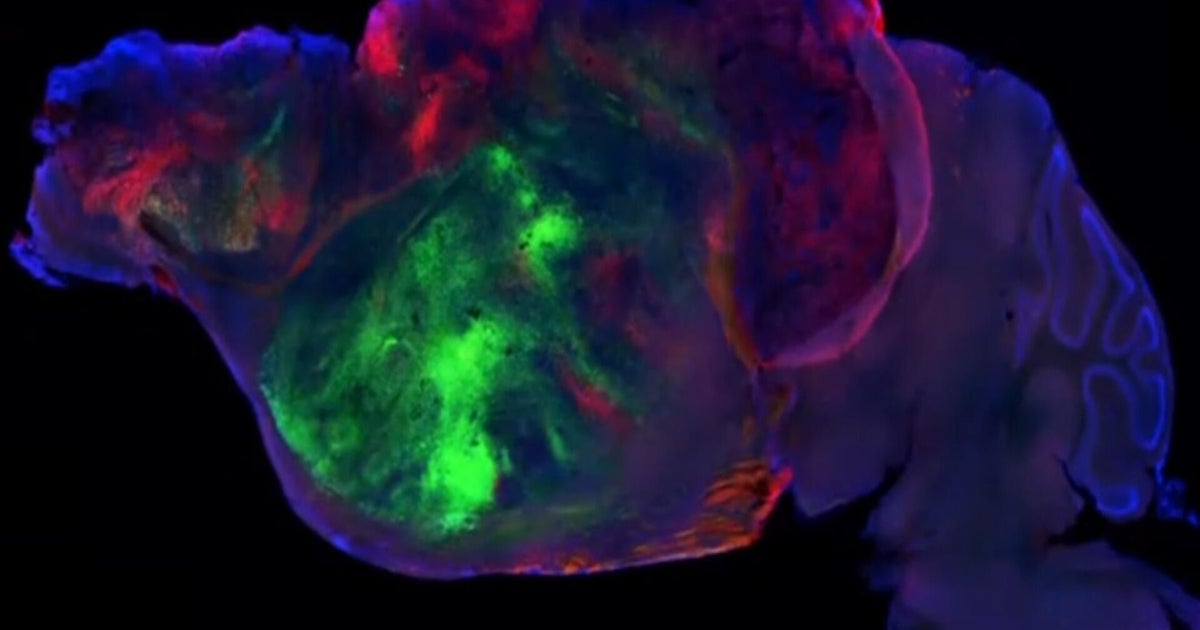
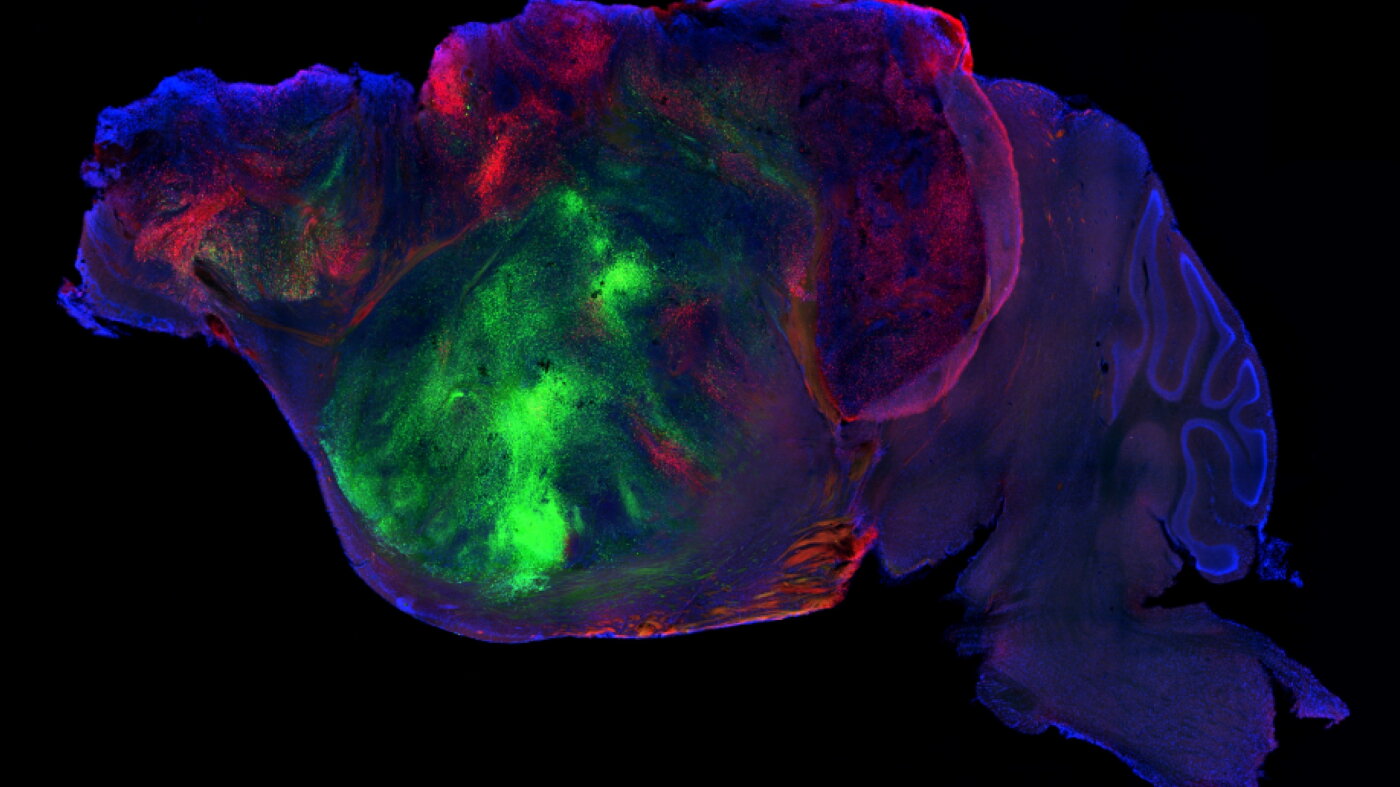 16 Sep Mice with human brain cells offer a tool to study disease. Ethicists ask: What's next?Researchers have developed a method to implant millions of human brain cells into mice that lack parts of their cerebral cortexes. This technique allows scientists to study neurodegenerative diseases using more accurate models of the human brain than previously possible. The research, led by Sergiu Pașca from Stanford University and published in Nature, addresses ethical concerns while advancing scientific…NPR
Keep exploring
 RecentMax Miller Loses Re-election Due to Abuse Allegations
 RecentKeisha Lance Bottoms Wins Governor Race
 RecentTroy Jackson Defeats Susan Collins
 RecentBomb Threats Disrupt European Flights
 RecentMidterm Elections Blue Wave
 RecentXavier Becerra Wins California Governor Race
 RecentGina Hinojosa Wins Texas Governor's Race
 RecentNorth Korea Fires Missiles Over Hack Accusations
 RecentElon Musk's Midterm Donations
 RecentJames Talarico Wins Texas Senate Race
Built 2026-10-13 from 5 articles. Every sentence on this page is quoted from the linked article; nothing was written by a model except the Summary and the items marked AI, which cite their sources, and the questions and labels under "Disputed". Photos are from the outlets that covered the story, never from articles our check marks sensitive.