
London Facial Recognition Trial Results
3 outlets
Each outlet's article on this story, most articles first
4 reporters
- Phoebe DavisThe Guardian
- Daniel BoffeyThe Guardian
- Tom PlaceEvening Standard
- TOI World DeskTimes of India
By day
Articles per day
Cite
London Facial Recognition Trial Results. (2026, October 13). The Aporia. https://theaporia.onrender.com/event/42981
“London Facial Recognition Trial Results.” The Aporia, 13 Oct. 2026, https://theaporia.onrender.com/event/42981.
“London Facial Recognition Trial Results.” The Aporia, October 13, 2026. https://theaporia.onrender.com/event/42981.
Dated the day this page was built. The link always leads to this event, even after the stories are regrouped.
A recent report from parliament’s joint committee on human rights, which called on the government to introduce a law to address the threat of artificial intelligence to human rights, identified the rollout of live facial recognition technology as a “particularly clear example of risk”.
What happened
The outlets' own sentences, most widely reported first. Hover or tap one to see who reported it.
What each outlet says
One AI summary per outlet of its latest article on this story, written from that article alone and checked against it. Open the article for the outlet's own words.
The British Transport Police (BTP) conducted a facial recognition trial in London from February to July at a cost of over £320,000. During this period, more than half a million faces were scanned, but no arrests resulted directly from the technology. Despite extending the trial for four additional months with expanded deployments on London Underground stations, there was only one incorrect identification and three…
BTP's facial recognition trial in London cost £320K, scanned 500K faces - and led to no arrests →2 articles from Evening Standard on this storyA six-month trial of live facial recognition (LFR) technology at London railway stations cost over £320,000 but resulted in only one false positive alert among more than half a million scanned faces. No arrests were made during the trial conducted by the British Transport Police from February to July this year. The trial's limited success and high costs raise questions about the technology’s effectiveness and…
Trial of live facial recognition cameras in London stations ends with one false positive →A six-month trial of live facial recognition technology at London railway stations by British Transport Police cost £320,786 and scanned over 500,000 faces but resulted in only one false alert and no arrests directly linked to the technology. Conducted between February and July 2026 across 18 locations, the trial aimed to identify wanted individuals or those violating court orders, but produced limited actionable…
London police facial recognition trial scanned 500,000+ faces and produced one false alert →Analysis
Agreed
Reported by outlets on both sides of the middle
No sentence was reported across the range.
Disputed
Picked by our model, which is sometimes wrong
No disagreement the check could confirm. That does not prove there is none.
Framing
How the first headlines put it
How it changed
- 29 Sep
A recent report from parliament’s joint committee on human rights, which called on the government to introduce a law to address the threat of artificial intelligence to human rights, identified the rollout of live facial recognition technology as a “particularly clear example of risk”.
- 1 Oct
Mayor Sadiq Khan has confirmed that the technology will be used on the newly pedestrianised Oxford Street.
Coverage 4 articles
Suggested from 3 outlets (1 flagged as leaning left, 0 right): the fullest account of the event and its publisher is declared as reporting rather than commentary.
1 Oct BTP's facial recognition trial in London cost £320K, scanned 500K faces - and led to no arrestsThe British Transport Police (BTP) conducted a facial recognition trial in London from February to July at a cost of over £320,000. During this period, more than half a million faces were scanned, but no arrests resulted directly from the technology. Despite extending the trial for four additional months with expanded deployments on London Underground stations, there was only one incorrect identification and three…Evening Standard
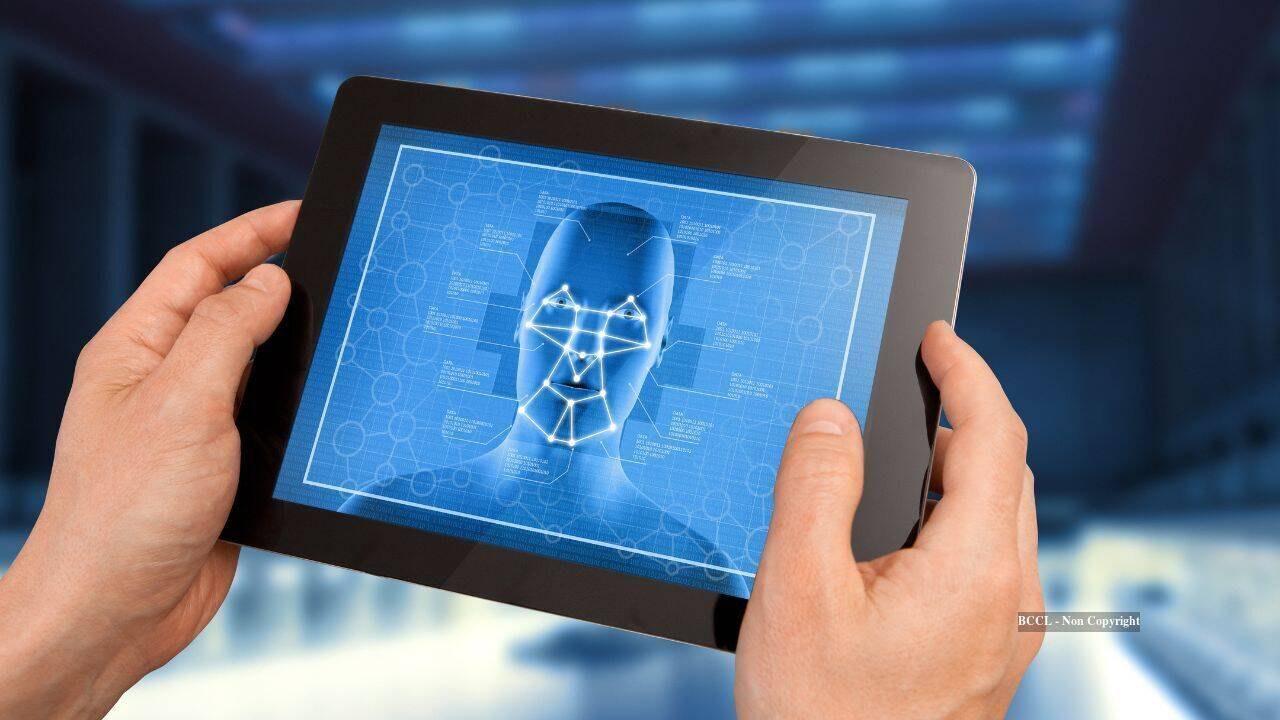 1 Oct London police facial recognition trial scanned 500,000+ faces and produced one false alertA six-month trial of live facial recognition technology at London railway stations by British Transport Police cost £320,786 and scanned over 500,000 faces but resulted in only one false alert and no arrests directly linked to the technology. Conducted between February and July 2026 across 18 locations, the trial aimed to identify wanted individuals or those violating court orders, but produced limited actionable…Times of India
 29 Sep Trial of live facial recognition cameras in London stations ends with one false positiveA six-month trial of live facial recognition (LFR) technology at London railway stations cost over £320,000 but resulted in only one false positive alert among more than half a million scanned faces. No arrests were made during the trial conducted by the British Transport Police from February to July this year. The trial's limited success and high costs raise questions about the technology’s effectiveness and…The Guardian
Keep exploring
 Similar coverageMet Police Phone Theft Crackdown
 Similar coverageFlock Surveillance Controversy
 RecentElon Musk Suffers Midterm Defeats
 RecentBomb Threats Divert European Flights
 RecentIsrael Election Commission Rejects Fraud Claims
 RecentIndonesia Wiretap Scandal Deployments
 RecentUS Midterm Elections Results
 RecentLearjet Crash Investigation Developments
 RecentParis Jackson Demands Money From Father's Estate
 RecentPope Leo Welcomes Bob Dylan To Vatican
Built 2026-10-13 from 4 articles. Every sentence on this page is quoted from the linked article; nothing was written by a model except the Summary and the items marked AI, which cite their sources, and the questions and labels under "Disputed". Photos are from the outlets that covered the story, never from articles our check marks sensitive.