
Japan Launches Martian Moon Mission
8 outlets
Each outlet's article on this story, most articles first
11 reporters
- Mari YamaguchiToronto Star
- AFPDawn
- Agence France-PresseSouth China Morning Post
- Associated PressNew York Post
- Kevin ChurchBBC
- Alison FrancisBBC
- Rebecca MorelleBBC
- Marcia DunnToronto Star
- Natalie WhitingABC News (AU)
- Jeremiah Fisayo-BambiEuronews
- Frederique MauduitEuronews
By day
Articles per day
Cite
Japan Launches Martian Moon Mission. (2026, October 20). The Aporia. https://theaporia.onrender.com/event/88165
“Japan Launches Martian Moon Mission.” The Aporia, 20 Oct. 2026, https://theaporia.onrender.com/event/88165.
“Japan Launches Martian Moon Mission.” The Aporia, October 20, 2026. https://theaporia.onrender.com/event/88165.
Dated the day this page was built. The link always leads to this event, even after the stories are regrouped.
Japan has launched a space rocket to study one of Mars's moons for the first time.
What happened
The outlets' own sentences, most widely reported first. Hover or tap one to see who reported it.
By studying Mars’ moons, scientists hope to learn whether Phobos and Deimos formed in the aftermath of an ancient collision between Mars and a battering space rock.
Russia failed in all three of its Phobos attempts, as well as in many other Mars endeavours.
Japan is not alone in seeking the scientific riches in the Martian system’s rocks and dirt.
The lander will spend just two hours on Phobos, drilling and vacuuming up at least 10 grams (one-third of an ounce) of material, before launching back into space.
What each outlet says
One AI summary per outlet of its latest article on this story, written from that article alone and checked against it. Open the article for the outlet's own words.
Japan launched a spacecraft from Tanegashima Island on Tuesday, beginning a five-year mission aimed at exploring Mars' moons Phobos and Deimos. The \$578 million project, led by the Japan Aerospace Exploration Agency and involving five international space agencies, will attempt to land a rover named Idefix and collect samples from Phobos for return to Earth in 2031. This mission is the first of its kind, as no…
Japan launches spacecraft to mysterious moons of Mars in a bold mission to bring home soil samples →2 articles from Toronto Star on this storyJapan recently launched its H3 rocket carrying the MMX probe on a mission to collect samples from Phobos, one of Mars's moons. The spacecraft will spend three years gathering data and material to study the early history of the solar system.
Japan launches mission to bring back samples from Mars’s moon Phobos →2 articles from Euronews on this storyJapanese scientists are launching a mission to Mars's moons Phobos and Deimos using an unmanned probe called Martian Moons eXploration (MMX). Set to launch from Tanegashima Space Centre on Tuesday at 4:41 am local time, the MMX will orbit Phobos for up to three years before landing and collecting at least 10 grams of surface material. The mission aims to determine the origin of Mars's moons and explore their…
Japan to launch historic round-trip mission to Mars moon →Japan plans to launch a spacecraft on October 18, 2026, aimed at Phobos, one of Mars's moons, for the first mission to collect samples. The five-year endeavor, led by Japan’s Aerospace Exploration Agency (JAXA) with support from NASA and other agencies, seeks to uncover details about Phobos' formation and composition. Scientists hope that studying materials from Phobos, which may contain up to 0.1% Martian material…
Japan to launch first-ever mission to get samples from a Martian moon →A space mission led by the Japanese Space Agency, called Mars Moons Exploration (MMX), is scheduled to launch on Monday with plans to collect a sample from Phobos, one of Mars' moons, and return it to Earth in 2031 for analysis. The spacecraft will study both Deimos and Phobos during its mission but focus primarily on Phobos, deploying a rover to scout potential landing sites before collecting just 10 grams of moon…
Mission set to blast off for Mars to grab a piece of its moon →Japan has launched a space rocket from Tanegashima Space Centre to study Phobos, one of Mars's moons, for the first time. The five-year mission by the Japan Aerospace Exploration Agency (JAXA) aims to collect at least 10 grams of sand and rock samples from Phobos using a rover equipped with special landing legs to ensure stability on the low-gravity moon. Upon completion of its objectives in 2027, the MMX spacecraft…
Japan launches first mission to collect samples from Martian moon →Show 1 more outlets
Japan launched a spacecraft from Tanegashima Island on Tuesday as part of an ambitious five-year mission to explore Mars's moon Phobos and return samples to Earth by 2031. The $812 million project, known as MMX for Martian Moons Exploration, aims to land a robotic prospector and the French-German rover Idefix on Phobos, which is about 22 kilometers in diameter. If successful, this would be the first landing and…
Japan launches spacecraft to mysterious moons of Mars →Analysis
Agreed
Reported by outlets on both sides of the middle
No sentence was reported across the range.
Disputed
Picked by our model, which is sometimes wrong
No disagreement the check could confirm. That does not prove there is none.
Framing
How the first headlines put it
How it changed
- 18 Oct
Multiple Russian attempts to land on Phobos, including one in 2011, have failed.
- 19 Oct
A Japanese spacecraft rocketed toward Mars on Tuesday on an unprecedented quest to explore its mysterious moons and bring back samples.
- 20 Oct
Japan has an edge, having already completed two asteroid sample returns.
Coverage 10 articles
Suggested from 8 outlets: the fullest account of the event, no political position was found in its wording and its publisher is declared as reporting rather than commentary.
- 20 Oct Japan launches spacecraft to mysterious moons of MarsJapan launched a spacecraft from Tanegashima Island on Tuesday as part of an ambitious five-year mission to explore Mars's moon Phobos and return samples to Earth by 2031. The $812 million project, known as MMX for Martian Moons Exploration, aims to land a robotic prospector and the French-German rover Idefix on Phobos, which is about 22 kilometers in diameter. If successful, this would be the first landing and…CBC
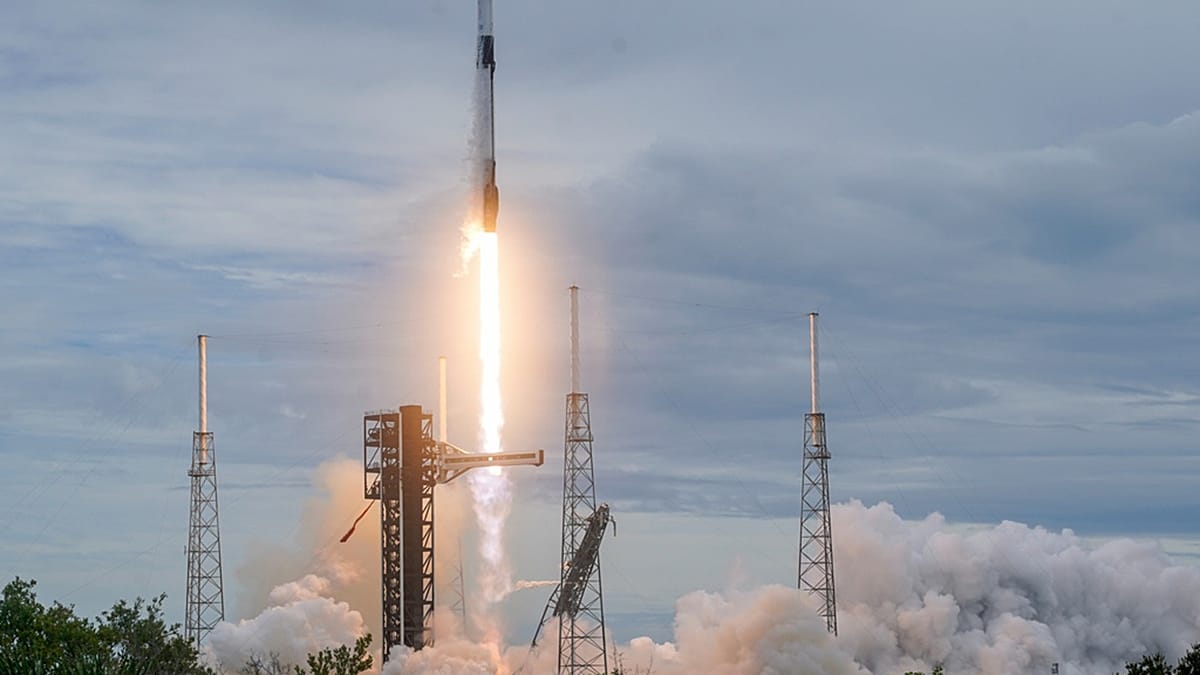 20 Oct Japan launches mission to bring back samples from Mars’s moon PhobosJapan recently launched its H3 rocket carrying the MMX probe on a mission to collect samples from Phobos, one of Mars's moons. The spacecraft will spend three years gathering data and material to study the early history of the solar system.Euronews
 20 Oct Japan launches unprecedented mission to bring back samples from Mars’ moon phobosJapan launched a spacecraft from Tanegashima Island on Tuesday as part of the $578 million MMX mission to explore and bring back samples from Phobos, one of Mars' moons. The five-year mission involves deploying a rover named Idefix to scout for safe landing sites before a stationary lander collects at least 10 grams of material from Phobos in late 2028 or 2029. If successful, the samples will return to Earth by…Euronews
19 Oct Japan launches first mission to collect samples from Martian moonJapan has launched a space rocket from Tanegashima Space Centre to study Phobos, one of Mars's moons, for the first time. The five-year mission by the Japan Aerospace Exploration Agency (JAXA) aims to collect at least 10 grams of sand and rock samples from Phobos using a rover equipped with special landing legs to ensure stability on the low-gravity moon. Upon completion of its objectives in 2027, the MMX spacecraft…ABC News (AU)
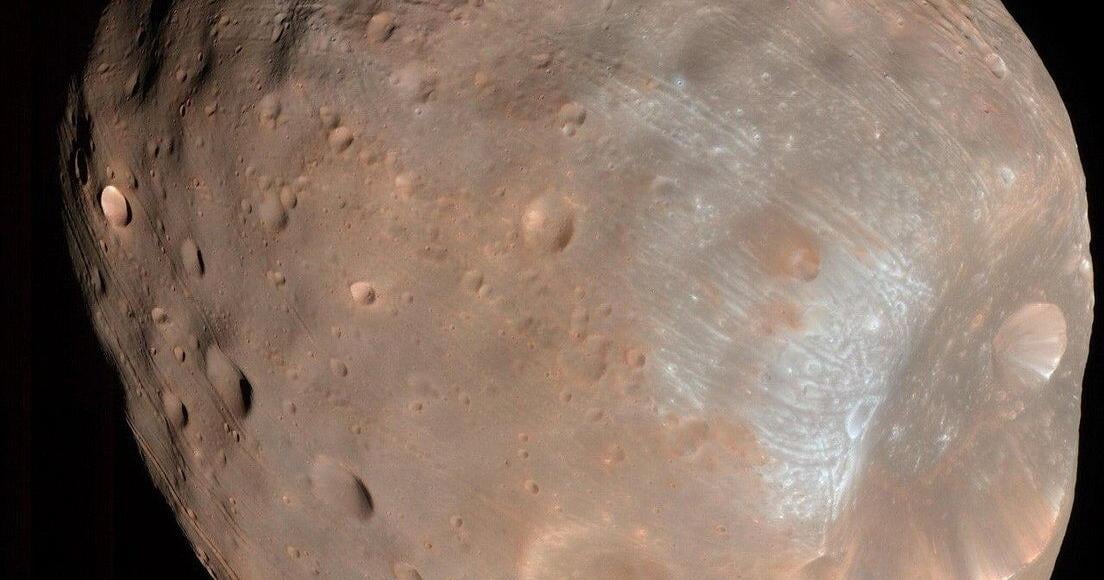 19 Oct Japan launches spacecraft to mysterious moons of Mars in a bold mission to bring home soil samplesJapan launched a spacecraft from Tanegashima Island on Tuesday, beginning a five-year mission aimed at exploring Mars' moons Phobos and Deimos. The \$578 million project, led by the Japan Aerospace Exploration Agency and involving five international space agencies, will attempt to land a rover named Idefix and collect samples from Phobos for return to Earth in 2031. This mission is the first of its kind, as no…Toronto Star
 19 Oct Mission set to blast off for Mars to grab a piece of its moonA space mission led by the Japanese Space Agency, called Mars Moons Exploration (MMX), is scheduled to launch on Monday with plans to collect a sample from Phobos, one of Mars' moons, and return it to Earth in 2031 for analysis. The spacecraft will study both Deimos and Phobos during its mission but focus primarily on Phobos, deploying a rover to scout potential landing sites before collecting just 10 grams of moon…BBC
 18 Oct Japan to launch first-ever mission to get samples from a Martian moonJapan plans to launch a spacecraft on October 18, 2026, aimed at Phobos, one of Mars's moons, for the first mission to collect samples. The five-year endeavor, led by Japan’s Aerospace Exploration Agency (JAXA) with support from NASA and other agencies, seeks to uncover details about Phobos' formation and composition. Scientists hope that studying materials from Phobos, which may contain up to 0.1% Martian material…New York Post
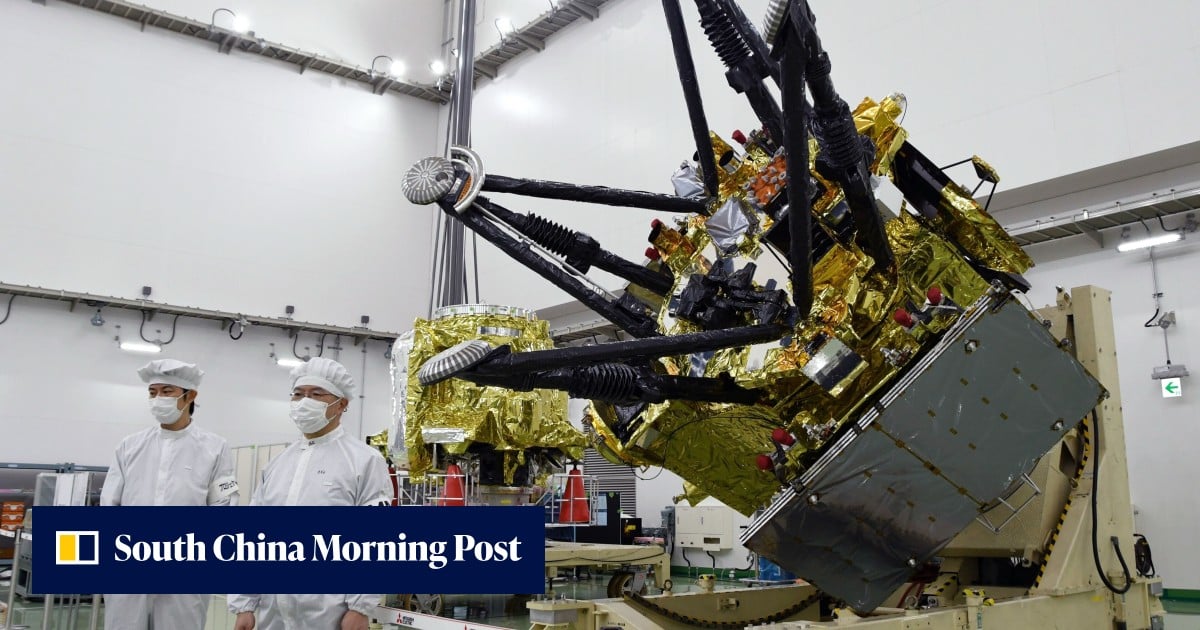 18 Oct Japan readies Martian moon mission to uncover origins of life
South China Morning Post 18 Oct Japan to launch historic round-trip mission to Mars moonJapanese scientists are launching a mission to Mars's moons Phobos and Deimos using an unmanned probe called Martian Moons eXploration (MMX). Set to launch from Tanegashima Space Centre on Tuesday at 4:41 am local time, the MMX will orbit Phobos for up to three years before landing and collecting at least 10 grams of surface material. The mission aims to determine the origin of Mars's moons and explore their…Dawn
 18 Oct Japan to launch spacecraft on a mission to get samples from a Martian moonJapan plans to launch a spacecraft on Tuesday using its new H-3 rocket, aiming to retrieve samples from Phobos, one of Mars' moons, over a five-year mission. This international effort led by the Japan Aerospace Exploration Agency (JAXA) includes support from NASA and other agencies. The goal is to uncover clues about Phobos's formation and potentially reveal insights into the origins of life in the solar system…Toronto Star
Keep exploring
 RecentGlobal Stocks Plunge Over AI Fears After Midterms
 RecentSpain Train Crash Victims Identified
 RecentRussian Attacks Raise Death Toll in Ukraine
 RecentMidterm Elections Results Impact Politics
 RecentJudge Halts Trump’s Triumphal Arch Construction
 RecentParaguay President Resigns Amid Banking Crisis
 RecentRussell Brand Rape Conviction
 RecentBomb Threats Disrupt European Flights
 RecentFatal Grizzly Bear Attack in Bella Coola
 RecentGavin Newsom Commutes Death Sentences
Built 2026-10-20 from 10 articles. Every sentence on this page is quoted from the linked article; nothing was written by a model except the Summary and the items marked AI, which cite their sources, and the questions and labels under "Disputed". Photos are from the outlets that covered the story, never from articles our check marks sensitive.