
BP Oil Spill Aftermath
4 outlets
Each outlet's article on this story, most articles first
3 reporters
- Seth BorensteinToronto Star
- ABC NewsABC News (US)
- Anand RamCBC
By day
Articles per day
Cite
BP Oil Spill Aftermath. (2026, October 21). The Aporia. https://theaporia.onrender.com/event/91911
“BP Oil Spill Aftermath.” The Aporia, 21 Oct. 2026, https://theaporia.onrender.com/event/91911.
“BP Oil Spill Aftermath.” The Aporia, October 21, 2026. https://theaporia.onrender.com/event/91911.
Dated the day this page was built. The link always leads to this event, even after the stories are regrouped.
WASHINGTON (AP) — In a deep, dark part of the Gulf of Mexico, the number of marine animals plummeted by about 60% in the years following the 2010 Deepwater Horizon explosion, a new study found.
What happened
The outlets' own sentences, most widely reported first. Hover or tap one to see who reported it.
What each outlet says
One AI summary per outlet of its latest article on this story, written from that article alone and checked against it. Open the article for the outlet's own words.
A new study published in the journal PNAS reports that marine life in the Gulf of Mexico's "twilight zone" declined by about 60% following the 2010 Deepwater Horizon explosion. Fish populations dropped by 63.5%, crustaceans by 62%, and larger animals like squid and octopuses by 59.7% from shortly after the spill until 2015, with no significant recovery observed since then. Researchers attribute this decline…
Marine life dramatically declined in Gulf of Mexico in years after BP oil spill, study finds →A new study published in PNAS reveals that marine populations in the deep waters of the Gulf of Mexico have declined by about 60 percent since the 2010 Deepwater Horizon explosion. Fish numbers fell by 63.5%, crustaceans dropped by 62%, and larger creatures like squid and octopuses declined by 59.7% between 2011 and 2015, with little evidence of recovery since then. The research, conducted in the "twilight zone"…
Scientists uncover devastating damage to marine life 16 years after BP oil disaster →A recent study highlights persistent environmental harm from the BP oil spill in the Gulf of Mexico, which occurred over sixteen years ago. The research focuses on ongoing impacts on marine ecosystems and underscores the long-term consequences of the disaster. This report emphasizes the enduring damage to wildlife despite the passage of time.
WATCH: Study shows Gulf oil spill's lasting damage →A new study published in the Proceedings of the National Academy of Sciences reveals that marine life in the Gulf of Mexico has not recovered more than 16 years after BP’s Deepwater Horizon oil spill. The disaster, which occurred on April 20, 2010, resulted in up to 4.9 million barrels of oil being released into the ocean over three months. Researchers found that some species declined by 60 to 85 percent immediately…
More than 16 years after BP's Deepwater Horizon disaster, marine life has not recovered →Analysis
Agreed
Reported by outlets on both sides of the middle
No sentence was reported across the range.
Disputed
Picked by our model, which is sometimes wrong
No disagreement the check could confirm. That does not prove there is none.
Framing
How the first headlines put it
Words to watch (2)
Scientists uncover devastating damage to marine life 16 years after BP oil disaster
More than 16 years after BP's Deepwater Horizon disaster, marine life has not recovered
How it changed
- 19 Oct
WASHINGTON (AP) — In a deep, dark part of the Gulf of Mexico, the number of marine animals plummeted by about 60% in the years following the 2010 Deepwater Horizon explosion, a new study found.
Coverage 4 articles
Suggested from 3 outlets: the fullest account of the event, no political position was found in its wording and its publisher is declared as reporting rather than commentary.
- 21 Oct More than 16 years after BP's Deepwater Horizon disaster, marine life has not recoveredA new study published in the Proceedings of the National Academy of Sciences reveals that marine life in the Gulf of Mexico has not recovered more than 16 years after BP’s Deepwater Horizon oil spill. The disaster, which occurred on April 20, 2010, resulted in up to 4.9 million barrels of oil being released into the ocean over three months. Researchers found that some species declined by 60 to 85 percent immediately…CBC
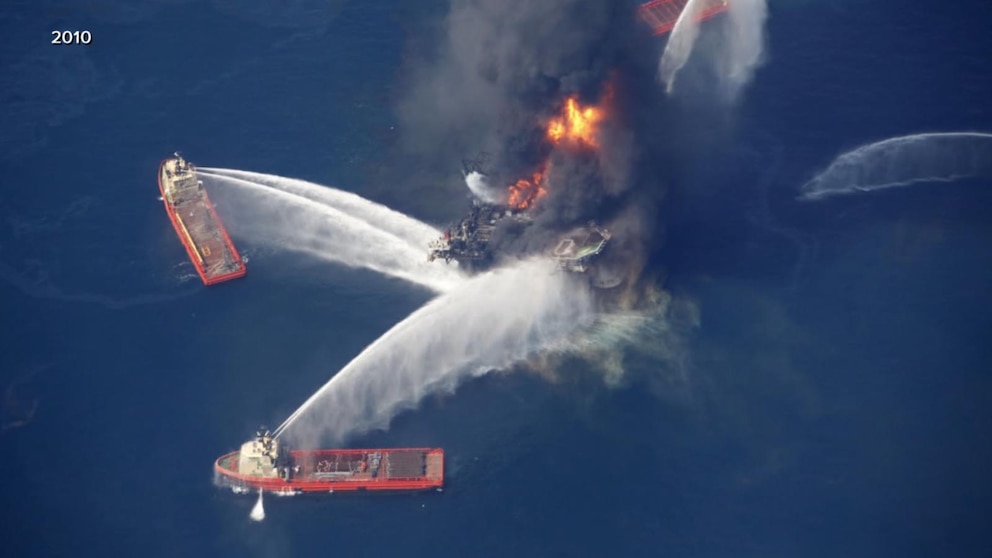 20 Oct WATCH: Study shows Gulf oil spill's lasting damageA recent study highlights persistent environmental harm from the BP oil spill in the Gulf of Mexico, which occurred over sixteen years ago. The research focuses on ongoing impacts on marine ecosystems and underscores the long-term consequences of the disaster. This report emphasizes the enduring damage to wildlife despite the passage of time.ABC News (US)
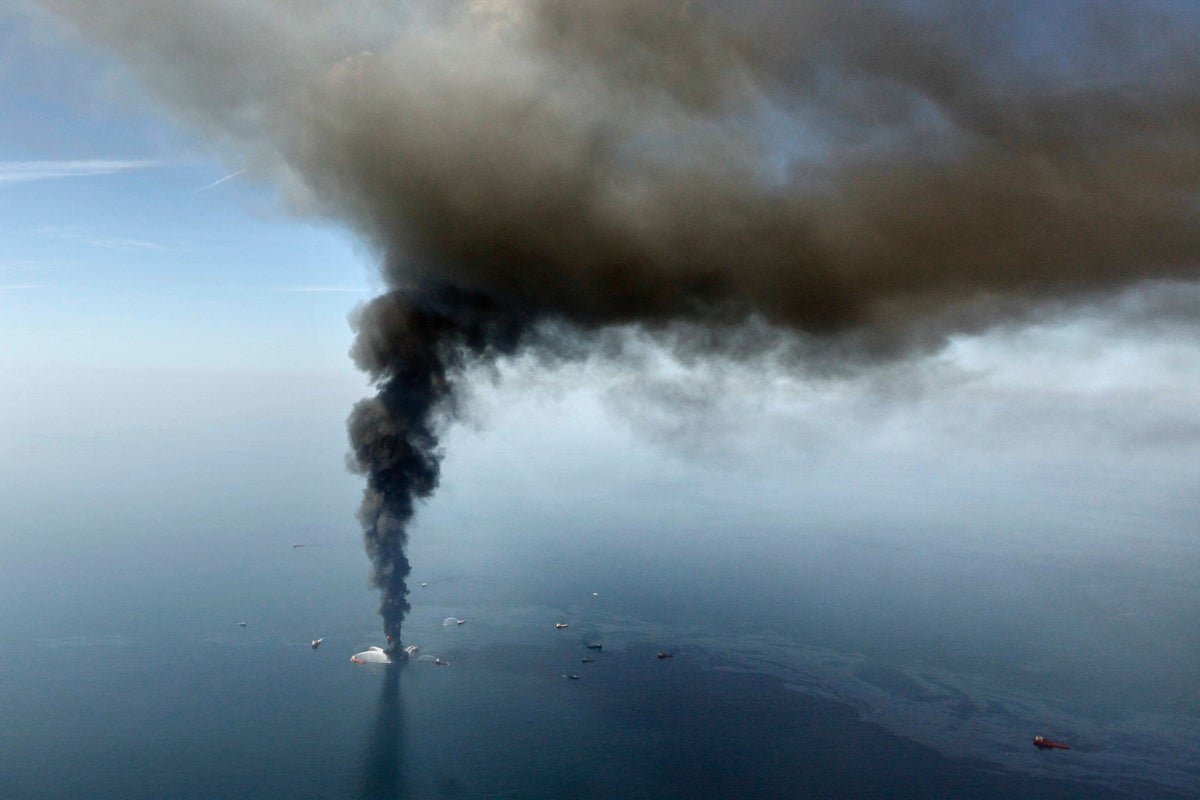 20 Oct Scientists uncover devastating damage to marine life 16 years after BP oil disasterA new study published in PNAS reveals that marine populations in the deep waters of the Gulf of Mexico have declined by about 60 percent since the 2010 Deepwater Horizon explosion. Fish numbers fell by 63.5%, crustaceans dropped by 62%, and larger creatures like squid and octopuses declined by 59.7% between 2011 and 2015, with little evidence of recovery since then. The research, conducted in the "twilight zone"…The Independent
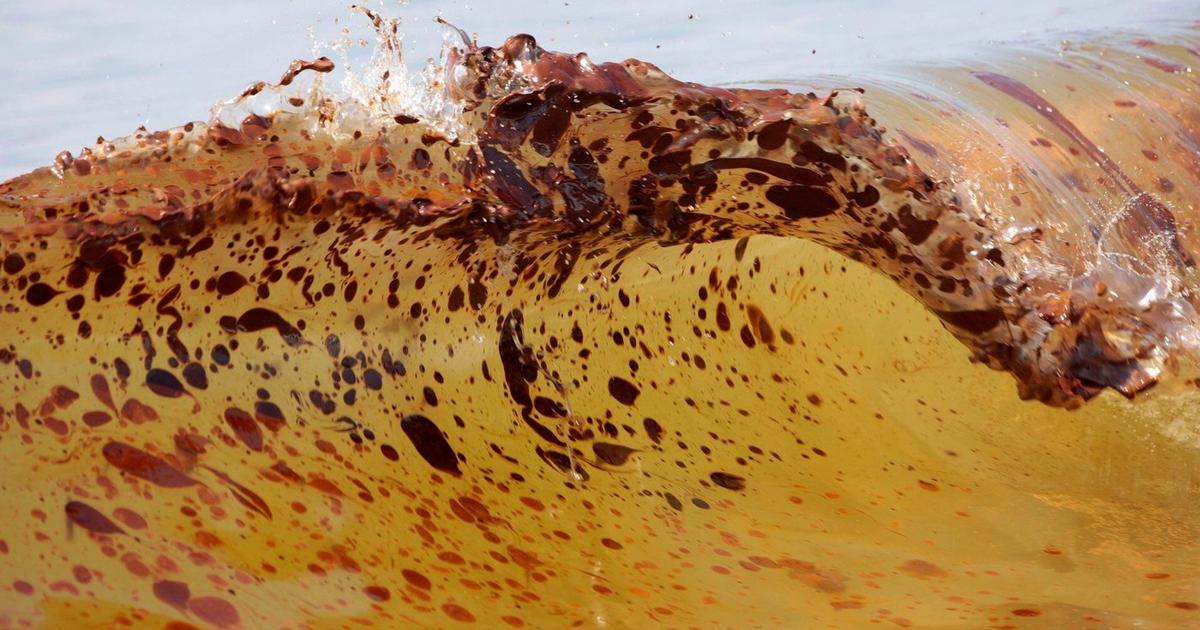 19 Oct Marine life dramatically declined in Gulf of Mexico in years after BP oil spill, study findsA new study published in the journal PNAS reports that marine life in the Gulf of Mexico's "twilight zone" declined by about 60% following the 2010 Deepwater Horizon explosion. Fish populations dropped by 63.5%, crustaceans by 62%, and larger animals like squid and octopuses by 59.7% from shortly after the spill until 2015, with no significant recovery observed since then. Researchers attribute this decline…Toronto Star
Keep exploring
 RecentNvidia Shares Fall Over CEO Investigation
 RecentCOP31 Climate Talks Open in Türkiye
 RecentRussell Brand Sentenced To Prison For Rape
 RecentWhite House Lockdown After Car Crash
 RecentTrump Questions Midterm Election Integrity
 RecentGaza Flooding and Collapses Kill Five
 RecentFrance blames Iran for fridge cyberattacks
 RecentTrump Reacts To Midterms
 RecentRussia-Ukraine Peace Talks In Abu Dhabi
 RecentHegseth Impeachment Vote Looms
Built 2026-10-21 from 4 articles. Every sentence on this page is quoted from the linked article; nothing was written by a model except the Summary and the items marked AI, which cite their sources, and the questions and labels under "Disputed". Photos are from the outlets that covered the story, never from articles our check marks sensitive.