
Lunar Eclipse Coming This Week
4 outlets
4 reporters
- Nicole MortillaroCBC
- Jeffrey KlugerTime
- Denise ChowNBC News
- Ivan SemeniukThe Globe and Mail
By day
Articles per day
Cite
Lunar Eclipse Coming This Week. (2026, October 13). The Aporia. https://theaporia.onrender.com/event/2124
“Lunar Eclipse Coming This Week.” The Aporia, 13 Oct. 2026, https://theaporia.onrender.com/event/2124.
“Lunar Eclipse Coming This Week.” The Aporia, October 13, 2026. https://theaporia.onrender.com/event/2124.
Dated the day this page was built. The link always leads to this event, even after the stories are regrouped.
The eclipse will begin as the moon enters Earth’s penumbra at roughly 10 p.m. ET, but that’s not when you want to go out to start observing.
What happened
The outlets' own sentences, most widely reported first. Hover or tap one to see who reported it.
Lunar eclipses occur when Earth slips between the sun and the moon and casts a shadow on the lunar surface.
What each outlet says
One AI summary per outlet of its latest article on this story, written from that article alone and checked against it. Open the article for the outlet's own words.
A partial lunar eclipse will occur in the skies over Canada on August 27-28, roughly two weeks after a total solar eclipse was seen in parts of Europe. The eclipse will reach its maximum coverage at 93% by midnight ET and will be visible across most of the country. According to Elaina Hyde, director of the Allan I. Carswell Observatory, the moon's appearance during this event may appear red, but not completely so…
Partial lunar eclipse to grace Canadian skies this week →A blood moon lunar eclipse will occur on August 27-28, visible to 3.6 billion people worldwide, with 96% of the full moon's face falling into Earth's shadow. This type of eclipse occurs during a full moon, but only about 29% of all lunar eclipses are total eclipses like this one. The event will last five hours and 38 minutes, although observers in certain regions may not be able to see it due to the moon's position…
Summer Is Ending With a 'Blood Moon' Lunar Eclipse. Here's What To Know. →A near-total lunar eclipse is set to be visible across the U.S. on Thursday night, with nearly the entire moon (96.2% at its peak) being shrouded in Earth's shadow. The eclipse will begin at 9:23 p.m. ET and will reach its peak at 12:12 a.m. ET. Skywatchers can view the eclipse safely with their naked eye or use binoculars and telescopes to capture more dramatic views. This is a rare opportunity for people in North…
A near-total lunar eclipse will be visible across the U.S. Thursday night →On Thursday night, Canadians in eastern and central regions will witness a nearly total lunar eclipse, starting at 9:22 p.m. ET, as the Earth's shadow covers most of the moon's surface. The event will reach its peak around 12:13 a.m. ET, with about 95% of the moon in near-total darkness. A small portion of the moon's top edge will remain illuminated and retain its normal color. The eclipse is visible without any…
Canadians can catch a nearly total lunar eclipse Thursday night →How it changed
- 24 Aug
Lunar eclipses occur when the moon moves through Earth’s shadow, called its umbra.
- 27 Aug
The real action gets underway, however, at 10:33 p.m. ET, when Earth’s shadow starts to envelop the lunar surface, appearing to take a “bite” out of the lunar disk.
Coverage 4 articles
Suggested from 4 outlets (1 usually left of the middle, 3 middle, 0 right of it): the fullest account of the event, no political position was found in its wording and its publisher is declared as reporting rather than commentary.
 27 Aug Canadians can catch a nearly total lunar eclipse Thursday nightOn Thursday night, Canadians in eastern and central regions will witness a nearly total lunar eclipse, starting at 9:22 p.m. ET, as the Earth's shadow covers most of the moon's surface. The event will reach its peak around 12:13 a.m. ET, with about 95% of the moon in near-total darkness. A small portion of the moon's top edge will remain illuminated and retain its normal color. The eclipse is visible without any…The Globe and Mail
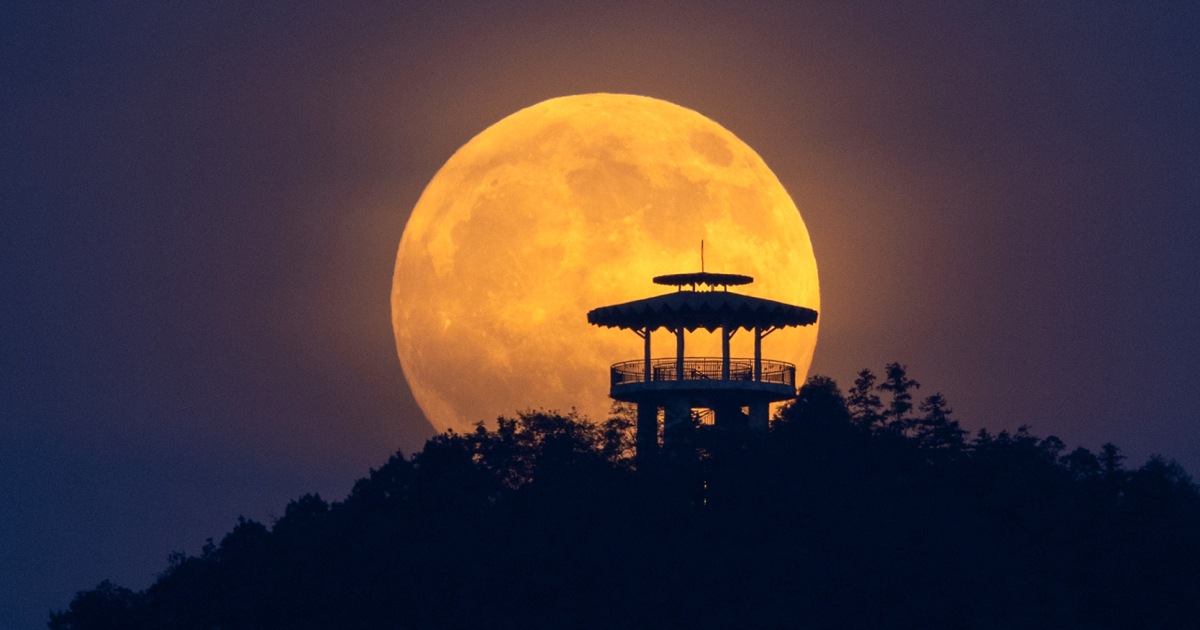 27 Aug A near-total lunar eclipse will be visible across the U.S. Thursday nightA near-total lunar eclipse is set to be visible across the U.S. on Thursday night, with nearly the entire moon (96.2% at its peak) being shrouded in Earth's shadow. The eclipse will begin at 9:23 p.m. ET and will reach its peak at 12:12 a.m. ET. Skywatchers can view the eclipse safely with their naked eye or use binoculars and telescopes to capture more dramatic views. This is a rare opportunity for people in North…NBC News
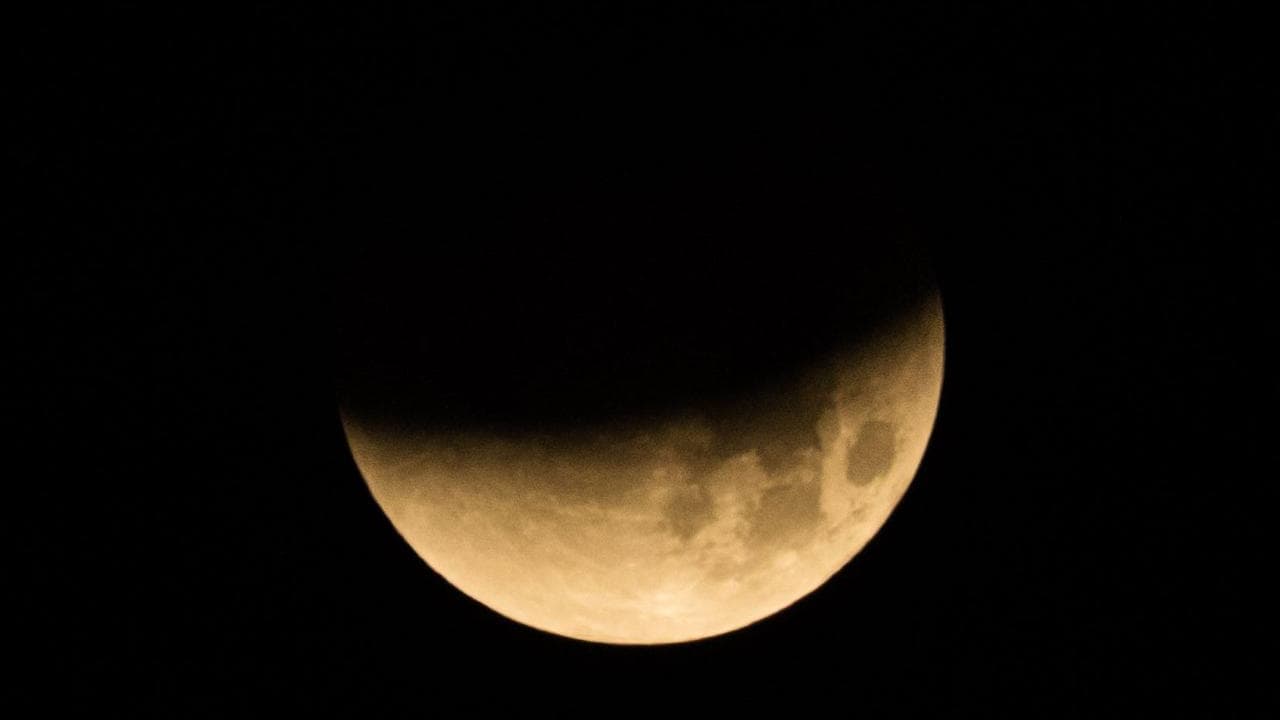 25 Aug Summer Is Ending With a 'Blood Moon' Lunar Eclipse. Here's What To Know.A blood moon lunar eclipse will occur on August 27-28, visible to 3.6 billion people worldwide, with 96% of the full moon's face falling into Earth's shadow. This type of eclipse occurs during a full moon, but only about 29% of all lunar eclipses are total eclipses like this one. The event will last five hours and 38 minutes, although observers in certain regions may not be able to see it due to the moon's position…Time
- 24 Aug Partial lunar eclipse to grace Canadian skies this weekA partial lunar eclipse will occur in the skies over Canada on August 27-28, roughly two weeks after a total solar eclipse was seen in parts of Europe. The eclipse will reach its maximum coverage at 93% by midnight ET and will be visible across most of the country. According to Elaina Hyde, director of the Allan I. Carswell Observatory, the moon's appearance during this event may appear red, but not completely so…CBC
Keep exploring
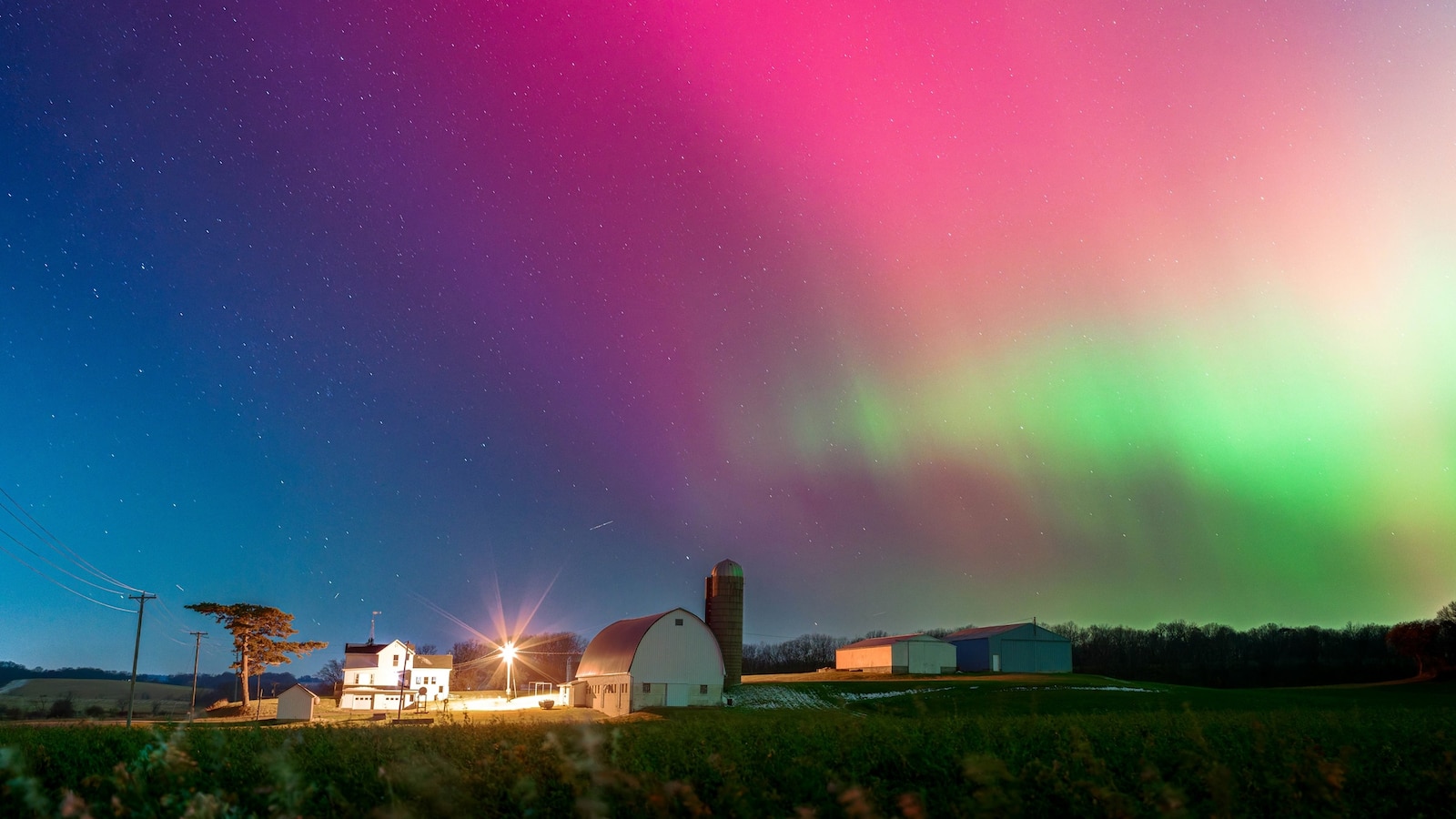 Similar coverage · 8 OctNorthern Lights Forecast
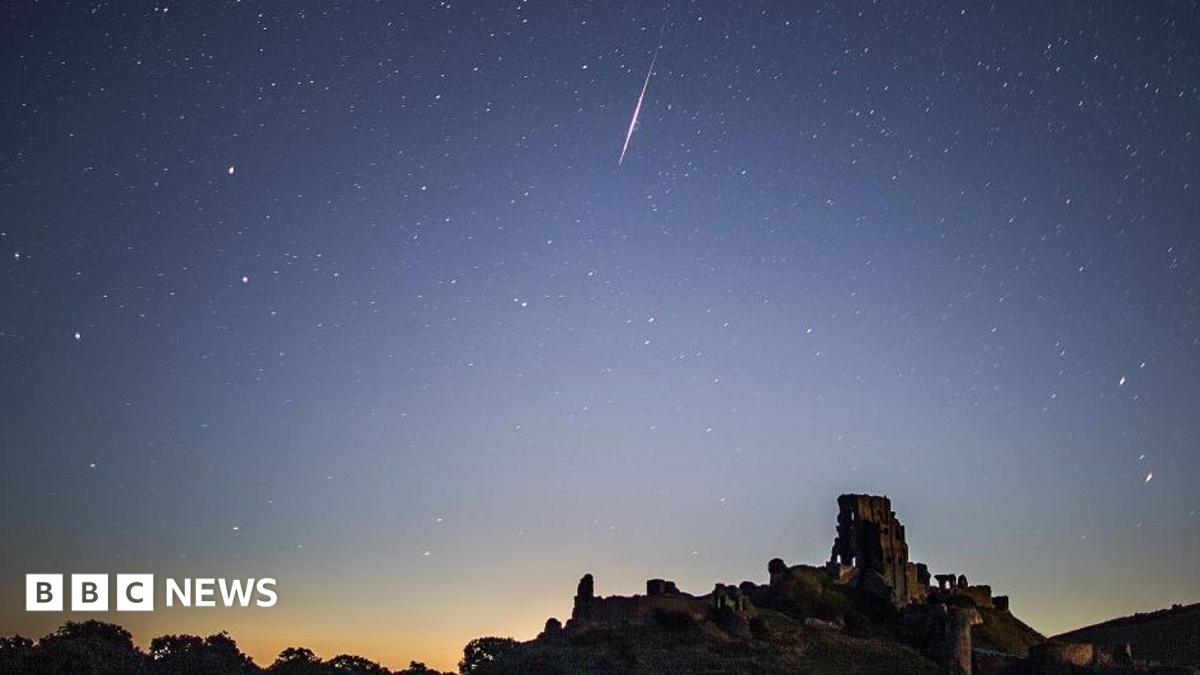 Similar coverage · 11 AugPerseid Meteor Shower
 Similar coverage · 10–11 OctNorthern Lights in UK
 Recent · 6–12 NovNvidia CEO Scandal and Spy Allegations
 Recent · 10–12 NovThree Iranians Indicted For Terror Plots
 Recent · 9–12 NovRacist Incidents at Ole Miss
 Recent · 10–11 NovTrump Defamation Case Against BBC Proceeds
 Recent · 11–12 NovHegseth Group Reprimanded At Tomb
 Recent · 4–12 NovMississippi Senate Race Uncertainty
 Recent · 8–11 NovCharlie Kirk Joke Backlash
Built 2026-10-13 from 4 articles. Every sentence on this page is quoted from the linked article; nothing was written by a model except the Summary and the items marked AI, which cite their sources, and the questions and labels under "Disputed". Photos are from the outlets that covered the story, never from articles our check marks sensitive.