
Suggested from 4 outlets (0 usually left of the middle, 4 middle, 0 right of it): the fullest account of the event and its publisher is declared as reporting rather than commentary. Its wording was flagged as taking a position: it is suggested for how much of the event it covers, not for neutrality.
What happened
The outlets' own sentences, most widely reported first. Hover or tap one to see who reported it.
“Although we are not completely satisfied, the outcome is not entirely bad either,” Babul Akhter, the workers’ representative, told reporters.
“Previously, workers used to get a wage revision every five years, but this time they are getting a revised wage after three years.”
The Bangladesh Garment Manufacturers and Exporters Association said on Sunday that protests had cost the industry an estimated $428 million in losses, while orders worth $254 million had shifted to other countries.
The garment industry, which supplies major international brands including Fruit of the Loom and Levi Strauss, earns around US$38 billion annually and accounts for four-fifths of Bangladesh’s export earnings.
What each outlet says
One AI summary per outlet of its latest article on this story, written from that article alone and checked against it. Open the article for the outlet's own words.
Garment workers in Bangladesh are protesting against newly implemented wage increases, which raise the minimum monthly wage by 36% to 17,000 taka, or approximately $138. The protests, which have included highway blockades near Dhaka, highlight workers' dissatisfaction with the new wage rates despite the significant increase.
Bangladesh garment workers protest over new wages →2 articles from Al Jazeera on this storyOn November 25, 2026, Bangladesh’s garment workers secured a 36% increase in the minimum wage after months of protests and negotiations with factory owners. The new wage stands at 17,000 taka ($139) per month, up from the previous 12,500 taka. Workers’ representatives noted that the three-year revision period was an improvement, though the increase did not meet the initial demand of 30,000 taka. The Bangladesh…
Bangladesh garment workers win 36% wage rise →Bangladesh increased the minimum monthly wage for entry-level garment workers by 36%, raising it to 17,000 takas ($136) from 12,500 takas. This decision follows weeks of violent protests during which workers demanded a doubling of the minimum wage, leading to factory closures and production disruptions.
Bangladesh raises minimum wage for garment workers after weeks of protests →Bangladesh garment workers protesting for higher wages clashed with police as the government approved a 36% minimum wage hike to about $193 CAD per month, the smallest increase in 40 years. The decision, set to take effect in December, follows weeks of demonstrations that included factory shutdowns and highway blockades. Despite the raise, workers and labour rights advocates argue that the new wage still falls short…
Bangladesh garment workers who supply H&M, Walmart and Gap protest lowest pay hike in 40 years →Analysis
Framing
How the first headlines put it
The headlines (5)
Bangladesh garment workers win 36% wage rise
Bangladesh raises minimum wage for garment workers after weeks of protests
Bangladesh garment workers win 36pc wage rise
Bangladesh garment workers win 36% pay rise after weeks of protest
Bangladesh garment workers who supply H&M, Walmart and Gap protest lowest pay hike in 40 years
How it changed
- 25 Nov
Bangladesh’s garment workers won a 36% minimum wage increase on Wednesday (November 25, 2026) after lengthy negotiations with factory owners, officials said.
Coverage 6 articles
- 25 Nov Bangladesh garment workers who supply H&M, Walmart and Gap protest lowest pay hike in 40 yearsBangladesh garment workers protesting for higher wages clashed with police as the government approved a 36% minimum wage hike to about $193 CAD per month, the smallest increase in 40 years. The decision, set to take effect in December, follows weeks of demonstrations that included factory shutdowns and highway blockades. Despite the raise, workers and labour rights advocates argue that the new wage still falls short…CBC
 25 Nov Bangladesh garment workers protest over new wagesGarment workers in Bangladesh are protesting against newly implemented wage increases, which raise the minimum monthly wage by 36% to 17,000 taka, or approximately $138. The protests, which have included highway blockades near Dhaka, highlight workers' dissatisfaction with the new wage rates despite the significant increase.Al Jazeera
 25 Nov Bangladesh garment workers win 36% pay rise after weeks of protestBangladesh’s garment workers have achieved a 36 percent pay raise, increasing their minimum monthly wage from 12,500 taka to 17,500 taka ($136). This comes after months of protests that have cost the country’s economy hundreds of millions of dollars. The Bangladesh Garment Manufacturers and Exporters Association estimates the industry losses at $428 million due to the strikes. While the new wage is below the 30,000…Al Jazeera
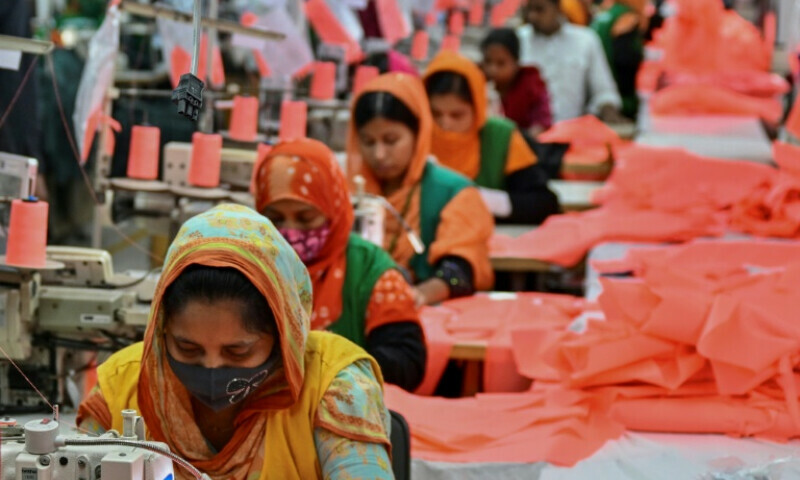 25 Nov Bangladesh garment workers win 36pc wage rise
Dawn 25 Nov Bangladesh raises minimum wage for garment workers after weeks of protestsBangladesh increased the minimum monthly wage for entry-level garment workers by 36%, raising it to 17,000 takas ($136) from 12,500 takas. This decision follows weeks of violent protests during which workers demanded a doubling of the minimum wage, leading to factory closures and production disruptions.Toronto Star
 25 Nov Bangladesh garment workers win 36% wage riseOn November 25, 2026, Bangladesh’s garment workers secured a 36% increase in the minimum wage after months of protests and negotiations with factory owners. The new wage stands at 17,000 taka ($139) per month, up from the previous 12,500 taka. Workers’ representatives noted that the three-year revision period was an improvement, though the increase did not meet the initial demand of 30,000 taka. The Bangladesh…The Hindu
Keep exploring
 Similar coverage · 23 NovBangladesh Garment Workers Protest Wage Offer
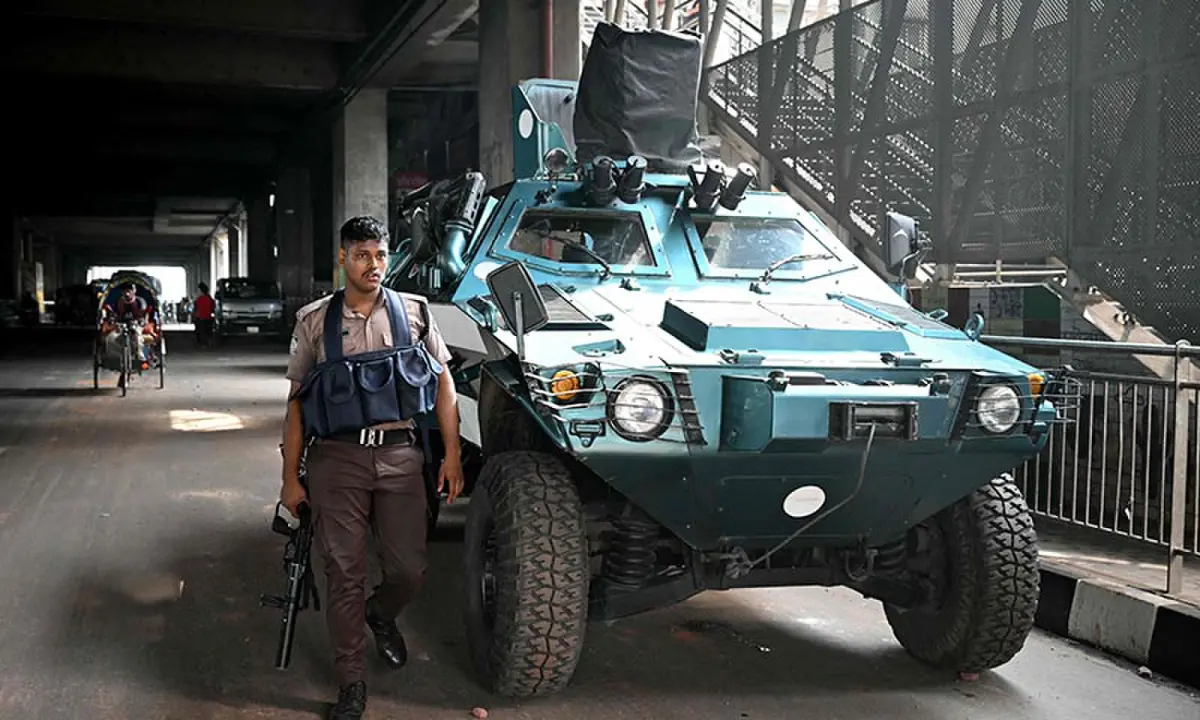 Similar coverage · 1–3 NovBangladesh Garment Workers Protests
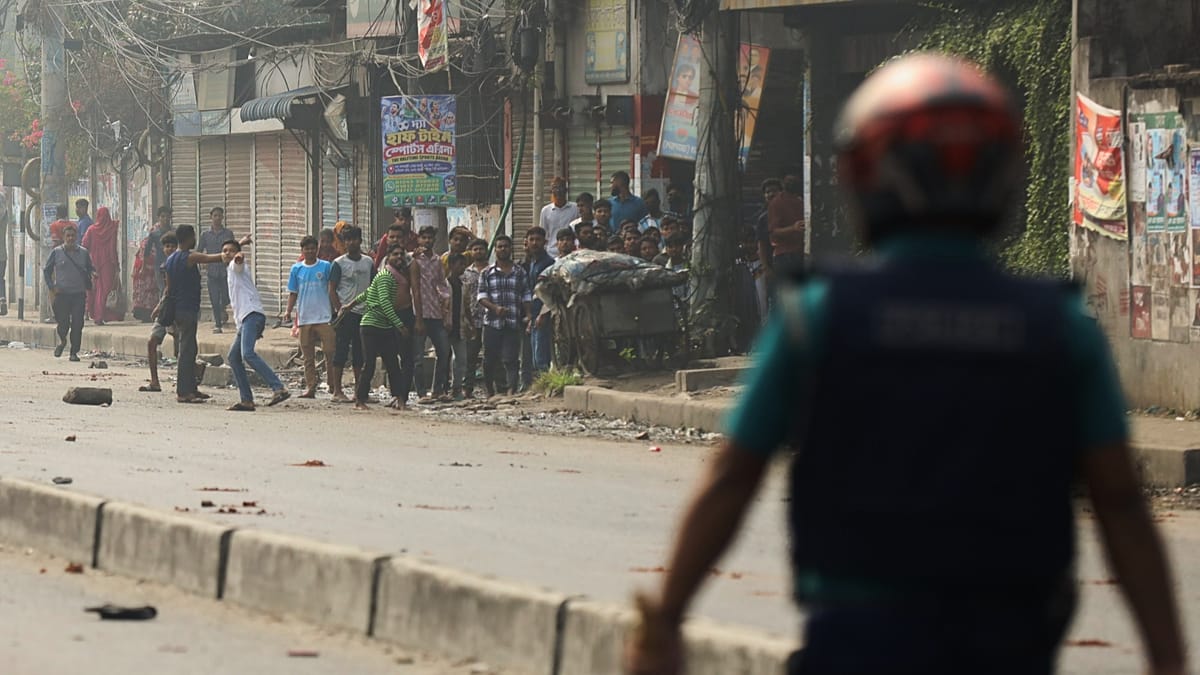 Similar coverage · 17–18 NovPolice Clashes Over Garment Wages
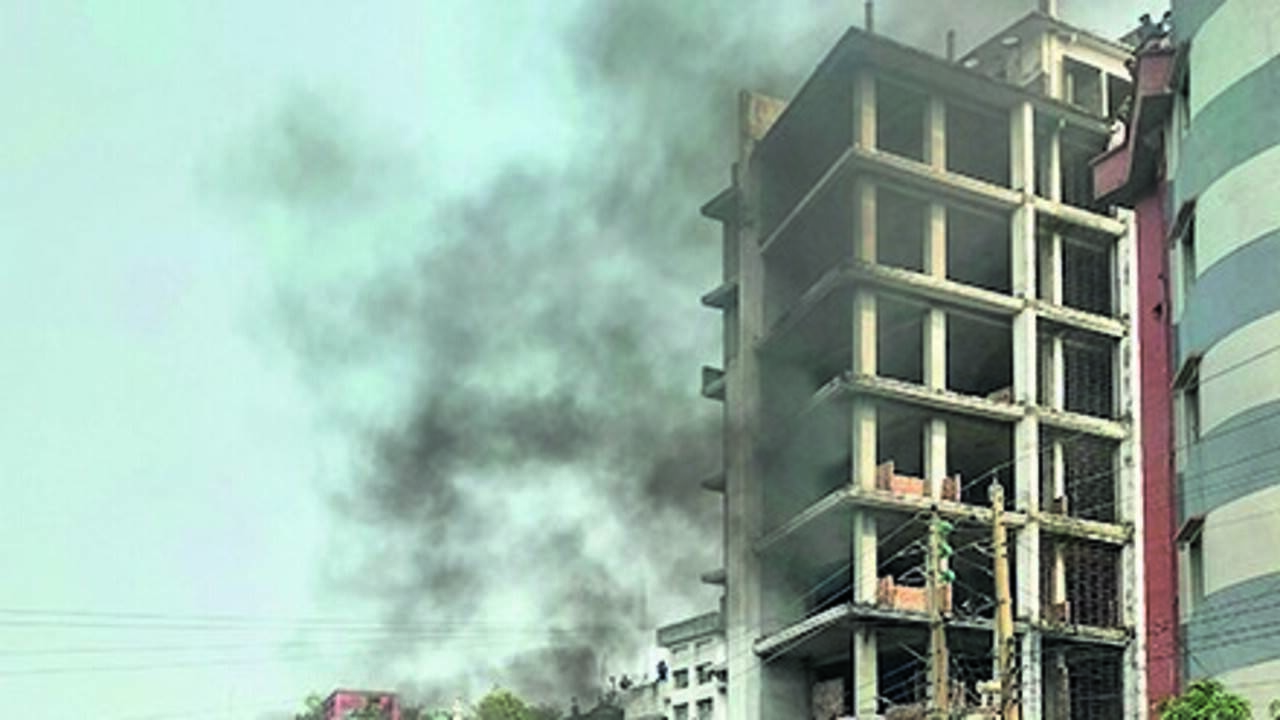 Similar coverage · 15–16 NovLabour Unrest In Bangladesh Garment Sector
 Similar coverage · 19–22 NovViolence in Bangladesh Ahead of Hasina’s Return
 Recent · 18–26 NovCalifornia Thanksgiving Flooding Threats
 Recent · 19–26 NovTrump's Nvidia Intervention Controversy
 Recent · 25–26 NovKing Tides Battering California Coastline
 Recent · 25–26 NovAaron Rodgers Released by Steelers
 Recent · 19–26 NovIowa Lead Detonation Success
Built 2026-11-26 from 6 articles. Every sentence on this page is quoted from the linked article; nothing was written by a model except the Summary and the items marked AI, which cite their sources, and the questions and labels under "Disputed". Photos are from the outlets that covered the story, never from articles our check marks sensitive.