Photo via The Guardian

Brazil keeps left: what Lula’s victory means for his country and beyond

Read the original at The Guardian ↗
Cite

Brooks, L. (2026, October 26). Brazil keeps left: what Lula’s victory means for his country and beyond. The Guardian. https://www.theguardian.com/world/2026/oct/26/brazil-presidential-elections-luiz-inacio-lula-da-silva-flavio-bolsonaro

Dated from the outlet's own feed. Check the original for its byline.

The Guardian · collected 2026-10-26 · by Libby Brooks

Quick Summary

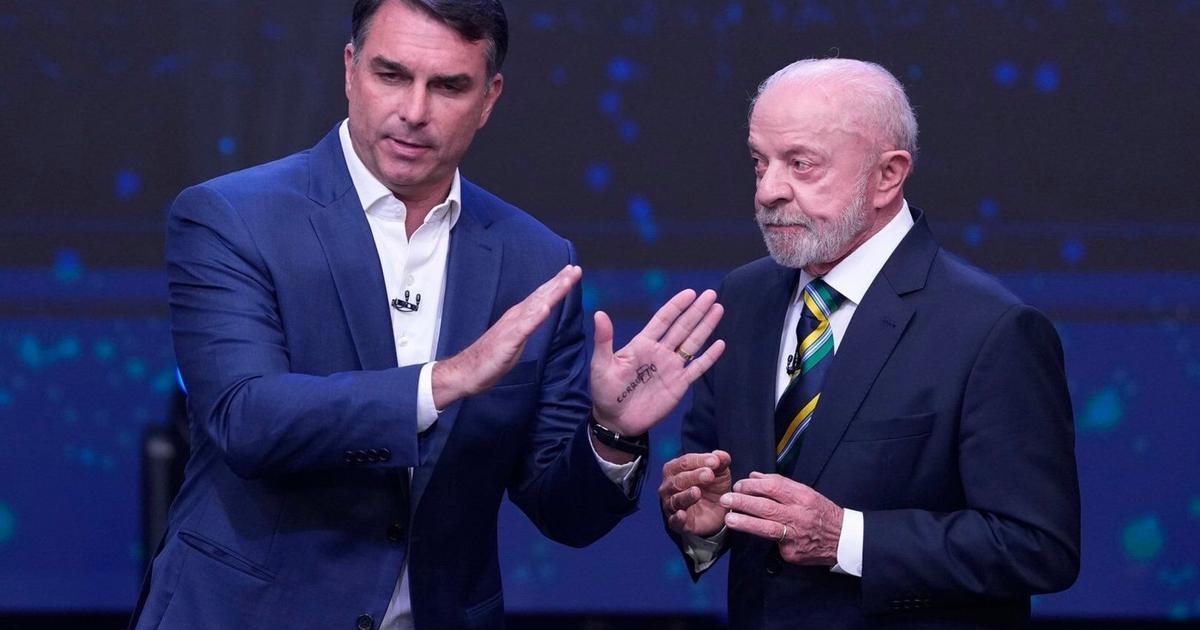
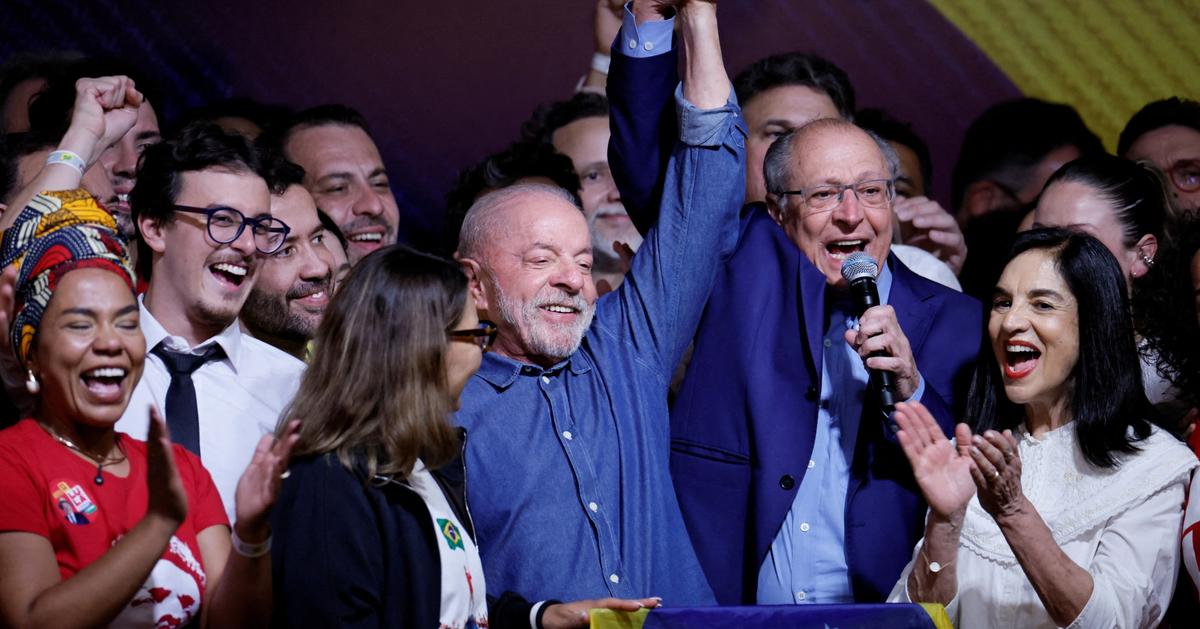
Brazilian voters elected Luiz Inácio Lula da Silva, or Lula, as president for his fourth nonconsecutive term on Sunday, with 51.79% of the vote compared to far-right senator Flávio Bolsonaro's 48.21%. The Guardian’s Latin America correspondent Tom Phillips reported from São Paulo that despite a narrow victory margin of about 4.3 million votes, Lula's win marks a significant return to left-leaning politics in Brazil after his opponent's father, former president Jair Bolsonaro, is serving time for plotting a coup following the 2022 election. However, Bolsonaro has refused to accept the results, citing concerns over extended voting hours that both sides had requested for different reasons.
Written by AI on 2026-10-26, from this article's own text only (the story summary below draws on all the coverage).
See how they differ ↓

AI analysis

Story summary

On October 25, Luiz Inácio Lula da Silva won Brazil's presidential runoff against right-wing senator Flávio Bolsonaro, securing his fourth term as president with over 4 million votes. The election took place on Sunday in a tight race that had been closely watched due to the contrasting platforms of both candidates, with Lula advocating for leftist policies and Bolsonaro supporting far-right ideologies similar to those of his imprisoned father, former President Jair Bolsonaro. This victory marks a significant shift against the wave of right-wing governments in Latin America and signals a continued left-leaning direction for Brazil under Lula's leadership.

Written for “Lula Wins Brazilian Election” on 2026-11-21, grounded in this article and the 56 other(s) covering the same event.

How they differ

23 outlets covered “Lula Wins Brazilian Election”.

What each outlet says

One AI summary per outlet of its latest article on this story, written from that article alone and checked against it. Open the article for the outlet's own words.

The GuardianThis outlet26 Oct

Brazilian voters elected Luiz Inácio Lula da Silva, or Lula, as president for his fourth nonconsecutive term on Sunday, with 51.79% of the vote compared to far-right senator Flávio Bolsonaro's 48.21%. The Guardian’s Latin America correspondent Tom Phillips reported from São Paulo that despite a narrow victory margin of about 4.3 million votes, Lula's win marks a significant return to left-leaning politics in Brazil…

Brazil keeps left: what Lula’s victory means for his country and beyond (this article)6 articles from The Guardian on this story
Al Jazeera27 Oct

Valdemar Costa Neto, leader of Brazil's right-wing Liberal Party and Senator Flavio Bolsonaro’s party, has accepted the result of the presidential runoff but expressed concerns about voting issues. Despite this acknowledgment, Senator Flavio Bolsonaro has not conceded defeat after losing to left-wing incumbent President Luiz Inácio Lula da Silva by over 4.4 million votes. Bolsonaro claims irregularities occurred due…

Bolsonaro’s party accepts Brazil election after Trump calls vote ‘rigged’ →8 articles from Al Jazeera on this story
The Hindu3 Nov

This article discusses recent significant elections, particularly focusing on Brazil where Luiz Inácio Lula da Silva won his fourth term as president despite challenging odds. The victory is seen as a symbolic win against imperialism and a shift towards social inclusiveness and stability in Latin America. The piece highlights how millions of Brazilians, especially young voters, supported Lula's campaign, emphasizing…

The Lula moment: Polls, promise, precarity →5 articles from The Hindu on this story
Toronto Star26 Oct

Leaders in the Americas with left-leaning political views celebrated Luiz Inácio Lula da Silva's victory on social media following his win over Flávio Bolsonaro for Brazil’s presidency. The article highlights that Lula, who previously served as president from 2003 to 2010 and returned to power in 2023, is highly regarded by leftists throughout the region due to his governance during a period when leftist leaders…

In their words: Left-leaning leaders in the Americas welcome Lula's victory in Brazil →4 articles from Toronto Star on this story
BBC27 Oct

Brazilian President Luiz Inacio Lula da Silva’s victory in the recent election has challenged U.S. President Donald Trump's ambitions to establish dominance over Latin America through right-wing allies like former Brazilian president Jair Bolsonaro. Lula’s campaign emphasized resistance against perceived US interference and invoked themes of sovereignty, leading to a surge in his popularity among Brazilians. Despite…

Lula's comeback in Brazil dents Trump's ambitions for Latin America →4 articles from BBC on this story
Washington Examiner31 Oct

Luiz Inácio Lula da Silva won Brazil's presidential election over Senator Flávio Bolsonaro on Sunday, securing his fourth term as president with more than 4 million votes more than his opponent. This victory is seen by progressives as a significant triumph for democracy and has been celebrated in American political circles. Robert Kuttner of the American Prospect highlighted this as a positive outcome for…

Lula’s win is a warning for America →4 articles from Washington Examiner on this story
Show 17 more outlets
Sydney Morning Herald28 Oct

Incumbent Brazilian President Luiz Inacio Lula da Silva celebrated his re-election victory on October 25, 2026, at Hotel Intercontinental in São Paulo. Official results from the Tribunal Superior Eleitoral showed Lula da Silva securing 51.79% of the vote compared to 48.21% for Jair Bolsonaro's son, who was also running for president. The election determined Brazil’s next leader for a four-year term.

World in pictures, October 28, 2026 →3 articles from Sydney Morning Herald on this story
The Straits Times26 Oct

Luiz Inacio Lula da Silva secured a fourth term as Brazil's president with 51.8% of votes in a runoff election against Senator Flavio Bolsonaro on October 2nd, days before his 81st birthday. Taking office on January 5th, Lula faces significant challenges from a conservative Congress and an economic outlook forecasted at just 2.3% growth next year, with public debt over 82% of GDP. Analysts predict Lula will struggle…

Brazil's Lula hangs on, but his final term promises to be toughest yet →3 articles from The Straits Times on this story
Semafor27 Oct

Brazilian markets experienced significant declines following President Luiz Inácio Lula da Silva’s reelection victory. The country's currency saw its worst daily drop since at least this century, and the benchmark stock index fell by 14%. Investors are concerned about potential economic challenges, including a projected budget deficit of more than 8% of GDP during Lula’s previous term due to increased government…

Brazilian markets tumble on Lula's election victory →3 articles from Semafor on this story
Global News26 Oct

Brazilian voters elected left-wing incumbent President Luiz Inacio Lula da Silva in the recent presidential election over right-wing candidate Flavio Bolsonaro, breaking a trend of seven consecutive conservative victories across Latin America. With 51.8% of the vote compared to Bolsonaro's 48.2%, Lula’s win complicates U.S. President Donald Trump's efforts to strengthen military and economic ties with right-leaning…

Brazil’s Lula wins presidential election, bucking regional shift towards right →2 articles from Global News on this story
CBS News26 Oct

Luiz Inácio Lula da Silva won his fourth term as Brazil's president on Sunday, defeating right-wing candidate Flávio Bolsonaro in a runoff election. However, Bolsonaro has refused to accept the results of the vote. Lula, known for his criticism of former U.S. President Donald Trump, will continue his presidency following this electoral victory.

Lula wins 4th term as Brazil's president, but Bolsonaro rejects results →2 articles from CBS News on this story
South China Morning Post26 Oct

Luiz Inacio Lula da Silva won Brazil's presidential election for an unprecedented fourth term, securing 51.8% of the vote against Flavio Bolsonaro in the runoff. Despite his narrow victory, Lula's win has been met with approval from China, which congratulated him and expressed readiness to strengthen bilateral ties. Beijing sees this as an opportunity to enhance its influence in Brazil.

Win for Lula boosts China’s foothold and gives Brazil rare earths leverage →2 articles from South China Morning Post on this story
Fox News23 Oct

Brazil held its presidential election on October 4th with about 125 million voters using electronic machines that do not produce paper ballots, leading to an official result within hours showing a runoff between Flavio Bolsonaro and Luiz Inacio Lula da Silva. The country’s digital voting system, operational since 1996, is noted for its security features such as biometric identification and offline operation, which…

Brazil’s rapid election count puts spotlight on voting security ahead of US midterms →
Dawn25 Oct

On Sunday, Brazil held its presidential runoff election between leftist incumbent Luiz Inácio Lula da Silva and right-wing challenger Flavio Bolsonaro, son of former president Jair Bolsonaro. Final polls indicated a tight race as voters decided whether to continue with Lula's social welfare policies or support Bolsonaro’s platform focusing on crime reduction and fiscal conservatism. The outcome will influence…

Brazil chooses between Lula and Bolsonaro in nail-biter vote →
Euronews25 Oct

On October 25, Brazilian voters participated in a presidential runoff election between incumbent President Luiz Inácio Lula da Silva and Senator Flávio Bolsonaro. Polling stations across the country saw significant voter turnout, including communities like Lago do Catalão in the Amazon that used waterways to reach voting locations, and Rocinha favela in Rio de Janeiro where long lines formed. Voting reflected strong…

Brazil: long queues and river journeys mark decisive presidential vote →
Times of India26 Oct

Congress MP Shashi Tharoor celebrated Luiz Inácio Lula da Silva’s re-election as Brazil’s president on X, emphasizing Lula’s commitment to social inclusion and economic justice. Tharoor noted that Lula’s victory could strain relations with the United States due to Washington's support for his rival Flavio Bolsonaro during the election. He also highlighted that Lula’s win reflects a preference in Brazil for social…

Tharoor On Lula Victory: Congress MP hails Brazil poll result; warns on Brazil–US tensions →
Zeteo26 Oct

Brazilian President Luiz Inácio Lula Da Silva, facing a significant deficit of over 2 million votes after the first round of voting where far-right candidate Flavio Bolsonaro led with 47% and Lula trailed at 45%, turned his campaign around by hiring Rafael Fonteles as his new campaign manager. This move saw Lula adopting an unprecedented social media strategy, including posting selfies and engaging directly with…

Lula’s Incredible Comeback Shows How Democrats Can Win in 2028 →
Time26 Oct

Luiz Inácio Lula da Silva won Brazil's presidential election on October 25 with 51.79% of the vote, defeating Flávio Bolsonaro by nearly 4.4 million votes. The result marks a significant turnaround from Lula’s position three weeks earlier when he was trailing by 2.2 million votes in the first round. This victory is seen as a setback for right-wing politics and President Donald Trump's ambitions in Latin America, yet…

Lula’s Victory in Brazil Is a Defeat for Trumpism →
Persuasion26 Oct

On October 25, two significant events bolstered democratic sentiments globally: Luiz Inácio Lula da Silva's victory over Flávio Bolsonaro in Brazil’s presidential election and María Corina Machado’s return to Venezuela. Lula’s win marks a reversal of seven consecutive right-wing victories in Latin American presidential races, challenging the trend of authoritarian populism. Meanwhile, Machado’s homecoming…

The Spirit of Democracy Remains Strong →
NPR27 Oct

Brazil's Liberal Party has acknowledged President Luiz Inácio Lula da Silva’s victory in the recent presidential election, while Flávio Bolsonaro, defeated candidate and son of former president Jair Bolsonaro, continues to dispute the results without providing evidence. On Sunday, Lula received 51% of the valid votes compared to Bolsonaro's 48%, securing a significant comeback after trailing in the first round…

Bolsonaro's party accepts Brazil election defeat, but he refuses to concede →
CBC27 Oct

Brazilian President Luiz Inácio Lula da Silva won re-election on a Sunday against Flávio Bolsonaro, who has ties to former U.S. President Donald Trump. The article focuses on presenting factual information regarding Lula da Silva's presidency without additional analysis or opinion.

The facts about Brazil's president Lula da Silva →
New York Post28 Oct

This article criticizes leftist leaders for celebrating Luiz Inácio Lula da Silva's victory in Brazil’s presidential election, which occurred under controversial circumstances including a Supreme Court ruling that extended voting hours disproportionately favoring Lula. The author highlights statements from several left-leaning political figures supporting the win despite concerns about its legitimacy and legality…

Of course the power-hungry left is shamelessly celebrating an authoritarian thug in Brazil →
Mother Jones3 Nov

On October 25, Brazil reelected President Luiz Inácio Lula da Silva for a fourth term, defeating far-right candidate Flávio Bolsonaro by more than 4 million votes. This victory marked a significant break from the recent trend of right-wing governance in Latin America and signaled resistance to U.S.-led interference, particularly concerning tech companies like Meta’s role during the election. Professor David Nemer…

How Brazil Broke the Far-Right “Curse” →

Where they agree and split

Agreed

AI · cited, from two or more outlets

  • The runoff is between conservative challenger Flavio Bolsonaro and leftist President Luiz Inacio Lula da Silva.15
Quoted from the coverage (4)

Bolsonaro senior is serving a 27-year prison sentence for plotting a failed coup attempt after he lost to Lula in the 2022 election, but has endorsed his son and hopes to be released if he wins.

5 outlets

Both have been hit by corruption suspicions involving family members and allies, with Bolsonaro implicated in a sprawling scandal rocking Brazil.

5 outlets

Sen. Bolsonaro’s admission that he accepted millions of dollars from disgraced banker Daniel Vorcaro to produce a film on his father’s life has cast a shadow over his campaign.

4 outlets

Trump has called the case a "witch hunt" and imposed a 50% tariff on Brazil in 2025, in a decision explicitly linked to Jair Bolsonaro’s trial.

4 outlets

Framing

How the first headlines put it

  • Fox News highlights Brazil’s rapid election count and voting security in comparison to U.S. midterms, while The Hindu focuses on the political implications of Lula's victory.16
  • The Guardian provides live results coverage, contrasting with Al Jazeera which emphasizes Bolsonaro’s party accepting the election result despite concerns.37
Stated as fact2
The headlines (2)

Brazil’s rapid election count puts spotlight on voting security ahead of US midterms Fox News · stated as fact

What to know as Brazilians choose between Lula and Flávio Bolsonaro on Sunday Toronto Star · stated as fact

Words to watch (1)

Bolsonaro's party accepts Brazil election defeat, but he refuses to concede NPR

The full story: what happened, how it changed, and all 57 articles →

Compared with similar articles

This article reads leans left and hedges 10% of its claims. Each row says how that neighbour differs.
Toronto Star
Leans left Hedges 1 of 30 claims Outlet record 64/100
The Hindu
Leans left Hedges 0 of 19 claims Outlet record 78/100
Toronto Star
Leans strongly left further left than this Hedges 0 of 4 claims Outlet record 64/100
Times of India
Hedges 4 of 28 claims Outlet record 59/100
Al Jazeera
Leans left Hedges 5 of 50 claims Outlet record 60/100
Global News
Leans left Hedges 8 of 48 claims Outlet record 63/100
Semafor
Leans left Hedges 0 of 7 claims Outlet record 64/100
BBC News
Leans left Hedges 1 of 26 claims Outlet record 65/100
South China Morning Post
Leans left Hedges 0 of 3 claims Outlet record 62/100
The Guardian
Hedges 2 of 40 claims Outlet record 64/100

Story

Lula Wins Brazilian Election
Politics · 57 article(s) covering the same event. Compare every outlet's account →
How this article was measured signals, leaning charts, publisher record, byline, topics and claims

Signals How these are calculated →

Claims extracted
91
sentences that state something as happening or true
Uncertain
10%
9 of 91 hedged ("reportedly", "may", "according to")
Leaning
Leans left
of the writing, not the subject · beta estimate
Publisher signals
64/100
The Guardian's corrections and hedging, across everything collected from it. Not a measure of accuracy.
Outlets on this story
57
Politics
Same framing elsewhere
1
articles that frame the event the way this one does
Analyzed 2026-10-26 · how these are computed

How this is being covered How these are calculated →

Article leaning vs. publisher reliability
Source leaning vs. consistency

Publisher

The Guardian · 3752 article(s) · 8 correction(s) detected
Running correction rate · 8 correction(s)

Who wrote this

Libby Brooks
13 article(s) here · 1 carrying a prediction
Ahead of the hotly anticipated UK-EU summit this Friday, Andy Burnham is expected to make the reset of our relationship with Europe the pivotal theme of his white-tie speech at the lord mayor’s banquet in London tonight.
Donald Trump signed a proclamation that he says will prevent future administrations from changing his design of the Oval Office and Cabinet Room, spaces he declared as national monuments that should be preserved.
John Healey has backed away from cutting the cost of welfare this parliament, amid dire warnings his first budget could lead to brutal spending cuts because of a £28bn shortfall in public finances.
I spoke to the Guardian’s Latin America correspondent Tom Phillips, who was in São Paulo at the Workers’ party vote count, to find out what the result means and what may lie ahead.
Emmanuel Macron has said “illegitimate” demonstrations will be banned over the coming days as France seeks to get a grip on civil unrest after some of its worst street violence in years.
For our prime minister, it’s “one of the most annoying things on public transport”: maybe you’re trying to work, or read, or you’ve finally got your kid to sleep, when someone starts blasting sound from their phone at full volume. As I sign off this First Edition en route from Glasgow to London (the things I’ve heard on this commute, against my will, I’ll save for another newsletter), I’m hoping everyone has been paying attention.
Kemi Badenoch has announced that the Conservatives would abolish inheritance tax on family homes if elected, prompting criticism that she is prioritising cutting taxes for the rich.
While Green members celebrated, or mourned, the motion passing, some have questioned its purpose, arguing it will distract from what’s important – keeping eyes on Gaza and holding the Israeli government to account – instead igniting a divisive discussion about ideology that will only harm the party. Today, I spoke to Guardian columnist Jonathan Freedland, to understand how the vote has been received by many Jewish people beyond the Greens, and senior political correspondent Peter Walker, who reported on the fallout of the vote at the party conference in Brighton at the weekend.
Later today, Donald Trump will be in the state of Nebraska to rev up supporters as he kicks off a campaign blitz of rallies ahead of the midterm elections on 3 November.
When prompted, AI chat bots will edit images to remove the hijabs from Muslim women, a violation of one of the world’s most common and visible expressions of faith.
Also by Libby Brooks
Nothing else under this byline is closely related to this article, so these are simply their most recent.
All 13 articles by Libby Brooks →

Topics

Brazil France Guardian Serbia Workers’ party

Subjects

Lula PERSON · 8× Brazil GPE · 6× Bolsonaro PERSON · 4× Flávio Bolsonaro PERSON · 2× France GPE · 2× Workers’ party ORG · 2× Aleksandar Vučić PERSON · 1× Jair PERSON · 1× Luiz Inácio Lula da Silva PERSON · 1× Serbia GPE · 1×

Narrative

In those early October elections, Flávio Bolsonaro received 56.1m votes to Lula’s 53.8m – 47.03% to 45.16% – putting the 45-year-old scion of the authoritarian clan in pole position: not once, since the return of democracy to Brazil in 1985, has the first-round runner-up managed to turn the game around and win the second ballot.
framing: assertive · carried by 1 article(s) · first seen 2026-10-26
I spoke to the Guardian’s Latin America correspondent Tom Phillips, who was in São Paulo at the Workers’ party vote count, to find out what the result means and what may lie ahead.
2026-10-26 · The Guardian
Brazil keeps left: what Lula’s victory means for his country and beyond · assertive framing

Claims (91 extracted, 9 hedged)

Chances are you woke this morning to news of two momentous election results. asserted
you → wake → results
In Serbia, a student-led movement has ousted the country’s long-serving leader, Aleksandar Vučić (which you can read more about here). asserted
you → lead → more
And just hours ago, Brazil’s president staged a sensational turnaround against his far-right opponent after a nail-biting vote. asserted
president → stag → vote
Luiz Inácio Lula da Silva, known as Lula, won a forth nonconsecutive term as president, seeing off far-right senator Flávio Bolsonaro, who spearheaded the radical populist movement built by his father and former president, Jair. asserted
who → know → father
Jair Bolsonaro is serving a 27-year prison sentence for plotting a coup after he lost the 2022 election. asserted
he → serve → election
After Bolsonaro’s surprise first-round victory earlier this month, the Workers’ party incumbent Lula pulled off a historic fightback – a consolidation of the democratic resurgence the country has enjoyed since he took office – and an early birthday present for the veteran leftist, who turns 81 on Tuesday. asserted
who → pull → Tuesday
But with Bolsonaro refusing to accept the result, the victory is a tense one. asserted
victory → refuse → result
I spoke to the Guardian’s Latin America correspondent Tom Phillips, who was in São Paulo at the Workers’ party vote count, to find out what the result means and what may lie ahead. uncertain
what → speak → what
Two people have been killed and more than 160,000 properties have been left without power as Storm Boelo continues to batter the UK. asserted
Boelo → kill → UK
British police are recording a growing number of crimes linked to cocaine, including assaults, domestic abuse and dangerous driving, as figures show consumption has surged across England. asserted
consumption → record → England
Hundreds of thousands marched in cities across France on Saturday in largely peaceful protests to support schoolchildren’s demands for more teachers and repairs to dilapidated buildings, as Emmanuel Macron faces a social and political crisis in his final months as president. asserted
Macron → march → president
Prime minister Andy Burnham’s call for the UK to consider a return to free movement with Europe has been backed by senior cabinet ministers including Angela Rayner but risks causing concern among fellow red wall MPs. asserted
UK → consider → MPs
Three in four European airline pilots have taken microsleeps in the cockpit, while almost a quarter routinely fly despite being too fatigued to work, according to a report. uncertain
quarter → take → report
When the results were declared just after midnight UK time, the choice of Brazil’s 159 million voters was narrow, but clear. asserted
choice → declare → voters
The 80-year-old leftist received 51.79% of the vote to his rival’s 48.21% – about 4.3m votes – in what Lula called “a defeat for denialism”. asserted
Lula → receive → denialism
A visibly angry Bolsonaro has already refused to concede, citing a decision to extend voting for an extra two hours – although both sides had called for it, for different reasons. asserted
sides → refuse → reasons
The outcome was an unprecedented turnaround after a populist surge in first-round voting at the beginning of the month left Brazil’s progressives reeling. asserted
surge → leave → progressives
In those early October elections, Flávio Bolsonaro received 56.1m votes to Lula’s 53.8m – 47.03% to 45.16% – putting the 45-year-old scion of the authoritarian clan in pole position: not once, since the return of democracy to Brazil in 1985, has the first-round runner-up managed to turn the game around and win the second ballot. asserted
up → receive → ballot
In the intervening weeks, the polls tightened dramatically, putting Bolsonaro ahead by only fractions of a percentage point. “This is the crescendo of an incredible, if sometimes controversial, 50-year political career,” Tom says. asserted
Tom → intervene → career
I can hear crowds of Lula supporters cheering in the background as we speak, and fireworks exploding. asserted
fireworks → hear → background
“It saw Lula go from rural poverty to union leader to the first elected working-class leader of Brazil, who has helped millions of people escape poverty and rode a commodities boom in his first two terms”. asserted
millions → see → terms
For Brazil, a Lula win represents stability and the assurance that the country’s democratic future is secure, at least in the short term. asserted
future → represent → term
“Over the past four years, Lula has reduced deforestation in the Amazon by more than 70%. asserted
Lula → reduce → %
He’s come to the help of the Indigenous people who live there. asserted
who → come → people
He’s cracked down on illegal mining,” Tom tells me. asserted
Tom → crack → me
“It’s very positive news is that all this will continue. asserted
this → continue → ?
How did Lula turn things around? asserted
Lula → turn → things
“Bolsonarismo is a far-right movement … that has put down deep roots in Brazilian society,” Bernardo Mello Franco, a political columnist for the Rio broadsheet O Globo, told Tom earlier this month, pointing to a series of societal shifts have contributed to this. asserted
series → put → this
Evangelical Christianity has expanded across Brazil in recent decades, with church leaders throwing their support behind the socially conservative policies favoured by Bolsanaro Sr and Jr. Pro-gun Flavio Bolsonaro harnessed voter frustration at chronic levels of urban crime and violence. asserted
Bolsonaro → expand → crime
Despite being embedded in Brazilian politics for decades, he successfully portrayed himself as an anti-establishment outsider, using social media far more effectively than his rival. asserted
he → embed → rival
And others believe he had significant help: a dozen watchdogs and research groups have published reports alleging that Meta may have favoured the senator’s campaign. uncertain
Meta → believe → campaign
The controversy grew after Brazils’ electoral court ordered Meta not to give the candidates “unequal treatment”, while the company called the allegations “false and unfounded”. asserted
company → grow → allegations
Progressives were galvanised after the first-round results revealed a record abstention rate of 21%, more common among Lula-supporting groups such as lower-income voters, and their focus sharpened on mobilisation. asserted
focus → galvanise → mobilisation
Millions joined a WhatsApp channel called “Lula’s army”, which sent out daily instructions on how to make supportive content go viral. asserted
content → join → instructions
The 80-year-old incumbent, who only took ownership of his first smartphone in recent days, started posting to Instagram and TikTok. asserted
who → take → Instagram
For the first time, the president’s digital reach overtook that of Bolsonaro. asserted
reach → overtake → Bolsonaro
Meanwhile, the Bolsonaro campaign was hit by a succession of scandals. asserted
campaign → hit → scandals
In a revelation that made the UK’s partygate seem tame by comparison, last week the Brazilian magazine Piauí claimed that at the height of the 2020 coronavirus outbreak, Flávio Bolsonaro attended a boat party along with sex workers and vaccine lobbyists hoping to cut deals with his father’s government. asserted
Bolsonaro → make → government
Amid speculation that a comeback might be possible, at a million-strong rally on Copacabana beach in Rio on Saturday, activists unfurled an enormous yellow and green banner declaring: “We are going to turn this around!” uncertain
We → unfurl → this
And so he did. asserted
he → do → ?
…and 51 more, not listed.
Give feedback · no sign-in needed

No sign-in needed for now. Your note is sent without a name, so it cannot be answered.

History Support