Photo via The Independent

US voters to decide on fate of data centers as AI boom sparks backlash

Read the original at The Independent ↗
Cite

Rozen, C. (2026, October 29). US voters to decide on fate of data centers as AI boom sparks backlash. The Independent. https://www.independent.co.uk/news/world/americas/us-politics/data-centers-center-voters-election-ohio-b3075494.html

Dated from the outlet's own feed. Check the original for its byline.

The Independent · collected 2026-10-29 · by Courtney Rozen

Quick Summary

Voters in ten U.S. states will decide on Election Day whether to limit the development of data centers, driven by concerns over electricity and water usage as well as potential health risks, particularly for children. Ohio leads this trend with 21 ballot initiatives across multiple jurisdictions; these measures aim to delay or restrict data center construction despite bipartisan support among residents. Major players like Amazon are facing potential setbacks if voters approve restrictions in places such as Sunbury, where a proposed $2 billion project could be affected by local bans on large energy-consuming facilities.
Written by AI on 2026-10-29, from this article's own text only (the story summary below draws on all the coverage).
See how they differ ↓

AI analysis

Story summary

Voters in 13 states will decide on Election Day whether to approve or restrict data center development, with Ohio leading the charge with 21 ballot measures across more than a dozen jurisdictions. These sprawling facilities are essential for powering AI applications but face significant local opposition due to concerns over electricity and water consumption. Across 38 local jurisdictions, voters will consider at least 41 measures that aim to delay, prohibit, or impose new requirements on data centers. Support for restrictions comes from both Democrats and Republicans, indicating broad bipartisan backing against certain types of data center construction. The pushback is especially notable in Ohio, one of the fastest-growing markets for the sector, as developers may redirect investments elsewhere if these measures pass.

Written for “Election Day Data Center Votes” on 2026-11-21, grounded in this article and the 2 other(s) covering the same event.

How they differ

3 outlets covered “Election Day Data Center Votes”.

What each outlet says

One AI summary per outlet of its latest article on this story, written from that article alone and checked against it. Open the article for the outlet's own words.

The IndependentThis outlet29 Oct

Voters in ten U.S. states will decide on Election Day whether to limit the development of data centers, driven by concerns over electricity and water usage as well as potential health risks, particularly for children. Ohio leads this trend with 21 ballot initiatives across multiple jurisdictions; these measures aim to delay or restrict data center construction despite bipartisan support among residents. Major…

US voters to decide on fate of data centers as AI boom sparks backlash (this article)
South China Morning Post29 Oct

On election day, voters in 10 US states will decide on proposals related to data center development, with Ohio having the most such ballot measures—21 in more than a dozen jurisdictions. These measures range from delaying or prohibiting construction to imposing new requirements, reflecting growing bipartisan opposition against these facilities that support AI applications.

10 US states to vote on data centre development on election day amid opposition →
New York Post30 Oct

On Election Day, voters in 13 states will decide local measures regarding data center developments, addressing concerns over their environmental impact and high energy costs. Ohio leads this movement with 21 proposals across various jurisdictions, while nationally there are currently 3,172 active centers and another 5,098 in development. Polls indicate that despite President Trump's support for data centers through…

Election Day voters in 13 states to decide the fate of data centers in their backyards →

Compared with similar articles

This article reads leans left and hedges 14% of its claims. Each row says how that neighbour differs.
South China Morning Post
Hedges 2 of 5 claims Outlet record 62/100
New York Post
Leans left Hedges 3 of 26 claims Outlet record 66/100
The Sydney Morning Herald
Leans left Hedges 3 of 41 claims Outlet record 61/100
“The articles discuss voter concerns about data centers and AI regulations, but they describe different events occurring in Australia and the United States.”
Semafor
Centre further right than this Hedges 0 of 3 claims Outlet record 64/100
“The articles discuss different aspects of data center opposition in various locations and timeframes.”
Semafor
Hedges 0 of 7 claims Outlet record 64/100
“The articles cover related topics but describe different events: one about AFL-CIO drafting AI legislation and the other about voter decisions on data center developments.”
Semafor
Leans left Hedges 1 of 7 claims Outlet record 64/100
“The articles discuss different aspects of voter concerns regarding AI and data centers; Article A focuses on AI safety measures in Ohio and Iowa, while Article B discusses ballot initiatives to curb data center development across multiple states.”
CBS News
Leans left Hedges 13 of 69 claims Outlet record 66/100
“Article A focuses on a specific resident's concerns about a proposed data center in Page, Arizona, while Article B discusses broader voter decisions across multiple states regarding data center development.”
New York Post
Leans strongly right further right than this Hedges 3 of 55 claims Outlet record 66/100
“The articles discuss different aspects of data center development and voter decisions; one focuses on the upcoming votes in multiple states while the other provides an editorial perspective on the broader consequences of such decisions.”
Mother Jones
Leans strongly left further left than this Hedges 6 of 34 claims Outlet record 60/100
“Article A discusses a broader issue of voters deciding on ballot initiatives regarding data centers across multiple states, while Article B focuses on a specific heckler incident during a political debate.”
ABC News (US)
Leans left Hedges 3 of 31 claims Outlet record 66/100
“Article A discusses voter decisions across multiple states, while Article B focuses specifically on Texas Democrats' strategy regarding data centers.”

Story

Election Day Data Center Votes
Politics · 3 article(s) covering the same event. See how they differ ↑
How this article was measured signals, leaning charts, publisher record, byline, topics and claims

Signals How these are calculated →

Claims extracted
21
sentences that state something as happening or true
Uncertain
14%
3 of 21 hedged ("reportedly", "may", "according to")
Leaning
Leans left
of the writing, not the subject · beta estimate
Publisher signals
59/100
The Independent's corrections and hedging, across everything collected from it. Not a measure of accuracy.
Outlets on this story
3
Politics
Same framing elsewhere
1
articles that frame the event the way this one does
Analyzed 2026-10-29 · how these are computed

How this is being covered How these are calculated →

Article leaning vs. publisher reliability
Source leaning vs. consistency

Publisher

The Independent · 4766 article(s) · 10 correction(s) detected
Running correction rate · 10 correction(s)

Who wrote this

Courtney Rozen
7 article(s) here · 1 carrying a prediction
The advisers are expected to help shape the administration's approach to AI as the technology rapidly advances.
After advocating for years to sell more of Nvidia’s AI processors to China, the world’s largest market for chips, his links to the country will come under greater scrutiny than ever before.
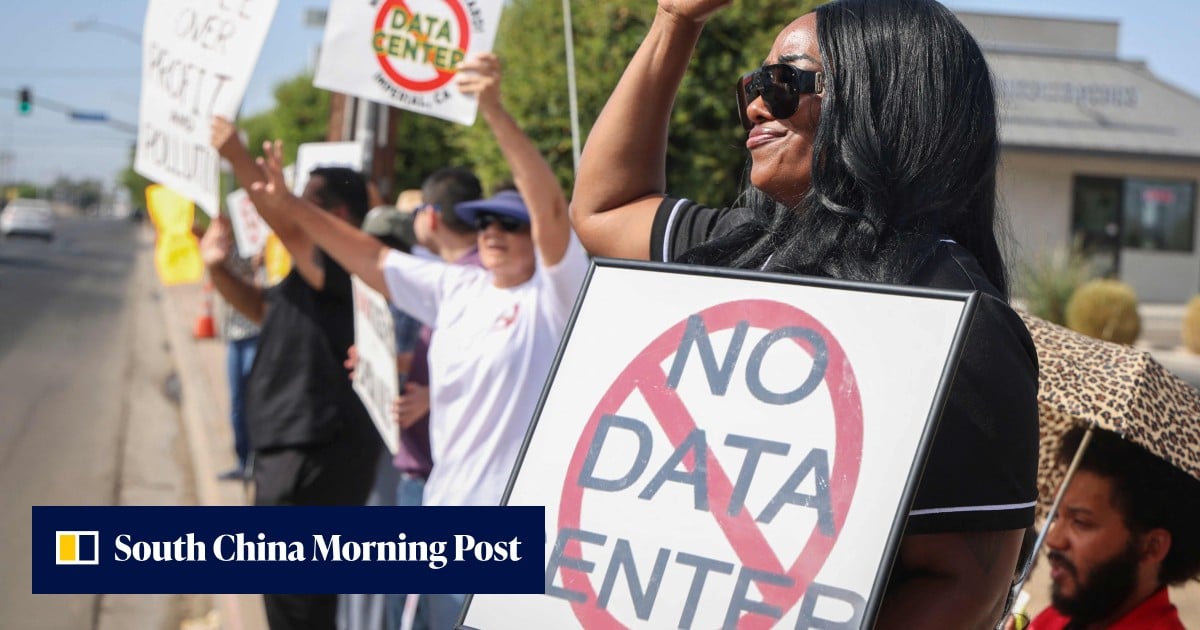
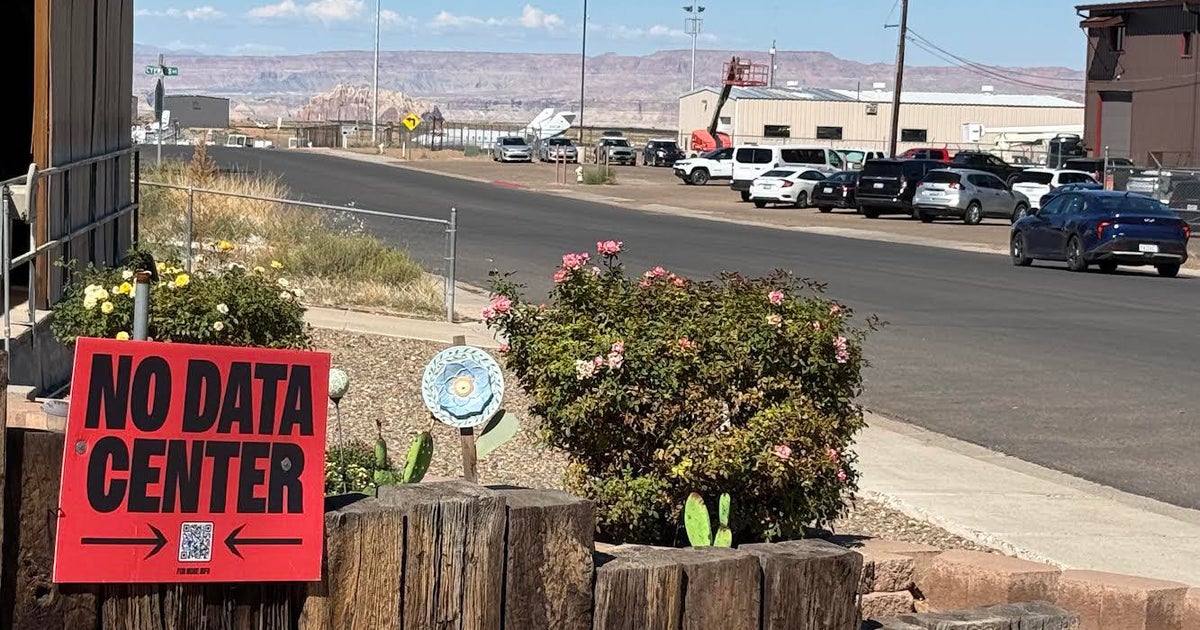
Voters in 10 U.S. states will decide on Election Day whether to curb data center development in their communities, as the rapid expansion required to power the artificial intelligence boom sparks widespread local resistance.
"As many scientists believe could happen, this technology will escape human control with potentially catastrophic consequences."
The two political opponents will address the same Washington gathering, showing how growing apprehension about automated systems is fracturing traditional political lines.
In response, Chinese foreign ministry spokesperson Mao Ning said on Wednesday that China's progress was driven by "achieving high-level science and technological self-reliance." "We hope the U.S. will earnestly implement the important consensus reached by the leaders of both countries and refrain from making false accusations and smearing China," Mao said.
Also by Courtney Rozen
Nothing else under this byline is closely related to this article, so these are simply their most recent.
All 7 articles by Courtney Rozen →

Topics

Amazon Ballotpedia Democrats Ohio U.S.

Subjects

Amazon ORG · 3× Ohio GPE · 2× U.S. GPE · 2× Baker PERSON · 1× Ballotpedia ORG · 1× Baron Fung PERSON · 1× Conserve Ohio ORG · 1× Democrats NORP · 1× Jessica Baker PERSON · 1× Republicans NORP · 1×

Narrative

Should Ohio voters approve restrictions, developers are expected to redirect investments elsewhere rather than abandon projects entirely, said Baron Fung, who oversees IT infrastructure research at market research firm Dell'Oro Group.
framing: assertive · carried by 1 article(s) · first seen 2026-10-29
Voters in 10 U.S. states will decide on Election Day whether to curb data center development in their communities, as the rapid expansion required to power the artificial intelligence boom sparks widespread local resistance.
2026-10-29 · The Independent
US voters to decide on fate of data centers as AI boom sparks backlash · assertive framing

Claims (21 extracted, 3 hedged)

Voters in 10 U.S. states will decide on Election Day whether to curb data center development in their communities, as the rapid expansion required to power the artificial intelligence boom sparks widespread local resistance. asserted
expansion → decide → resistance
Opposition is especially pronounced in Ohio, one of the country's fastest-growing markets for the sector. asserted
Opposition → grow → sector
Data from non-partisan research group Ballotpedia shows no state has more ballot initiatives, with residents in over a dozen jurisdictions considering 21 distinct proposals alongside Tuesday's midterm elections. asserted
residents → show → elections
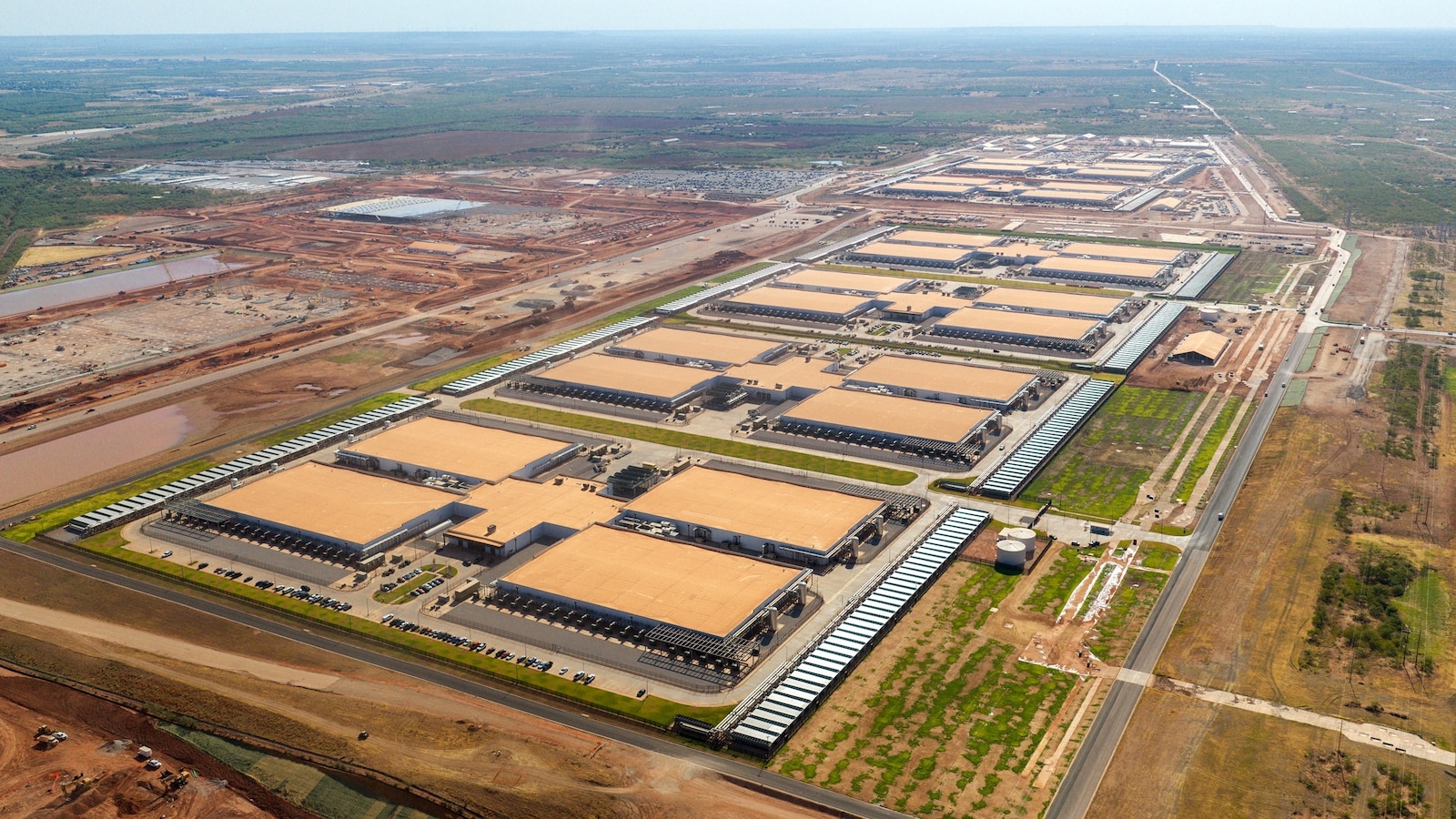
Across 38 local jurisdictions, voters will consider at least 41 measures intended to delay, prohibit, or restrict data centers—the sprawling facilities supplying the computing power required to run AI applications. asserted
voters → consider → applications
Because most states demand petition drives before initiatives reach the ballot, their presence reflects growing pushback across the political spectrum. asserted
presence → demand → spectrum
Support for prohibiting construction of certain facilities comes from both Democrats and Republicans, according to local campaigner Jessica Baker. uncertain
Support → prohibit → Baker
"We all want the same thing." asserted
We → want → thing
Baker, of advocacy group Conserve Ohio, said concerns about heavy electricity and water demands are driving opposition. asserted
concerns → say → opposition
Even if developers generate power via gas turbines or nuclear reactors, residents remain opposed to having facilities built nearby because of fears about potential health risks to their children, such as asthma, she added. asserted
she → generate → asthma
Should Ohio voters approve restrictions, developers are expected to redirect investments elsewhere rather than abandon projects entirely, said Baron Fung, who oversees IT infrastructure research at market research firm Dell'Oro Group. asserted
who → approve → Group
The industry already grapples with major hurdles, including years-long waits for grid connections and rising construction costs. asserted
industry → grapple → connections
"If there’s a cancellation or delay in certain sites, (developers) can potentially shift some of that demand to another site," Fung said. asserted
Fung → ’ → site
Despite rising friction, recent figures indicate local pushback has not significantly dampened expansion. asserted
pushback → rise → expansion
U.S. data center capacity under construction grew by 48 percent between December 2025 and June 2026, measured in gigawatts, according to John McWilliams, head of data center insights at real estate firm Cushman & Wakefield. uncertain
capacity → grow → Cushman
"Even though there are areas or jurisdictions around the country where there is some friction between developers, there’s still areas where projects are moving forward," McWilliams said. asserted
McWilliams → be → developers
The ballot measures have drawn attention from major industry players. asserted
measures → draw → players
In Sunbury, near Columbus, a proposal banning data centers using over 25 megawatts of electricity could derail a planned $2bn development by Amazon. uncertain
proposal → ban → Amazon
Shannon Kellogg, Amazon's public policy lead, appeared on local television in October to answer questions ahead of the vote. asserted
Kellogg → appear → vote
An Amazon spokesperson declined to clarify whether ballot initiatives nationwide would affect the firm's broader expansion plans. asserted
initiatives → decline → plans
"We're focused on working with local residents and officials to build data centers that support jobs, strengthen local economies through millions in tax payments and power the technologies customers rely on," the spokesperson said. asserted
spokesperson → focus → technologies
"Regardless of the outcome of any single measure, our commitment to the communities where we operate remains the same." asserted
we → operate → communities
Give feedback · no sign-in needed

No sign-in needed for now. Your note is sent without a name, so it cannot be answered.

History Support