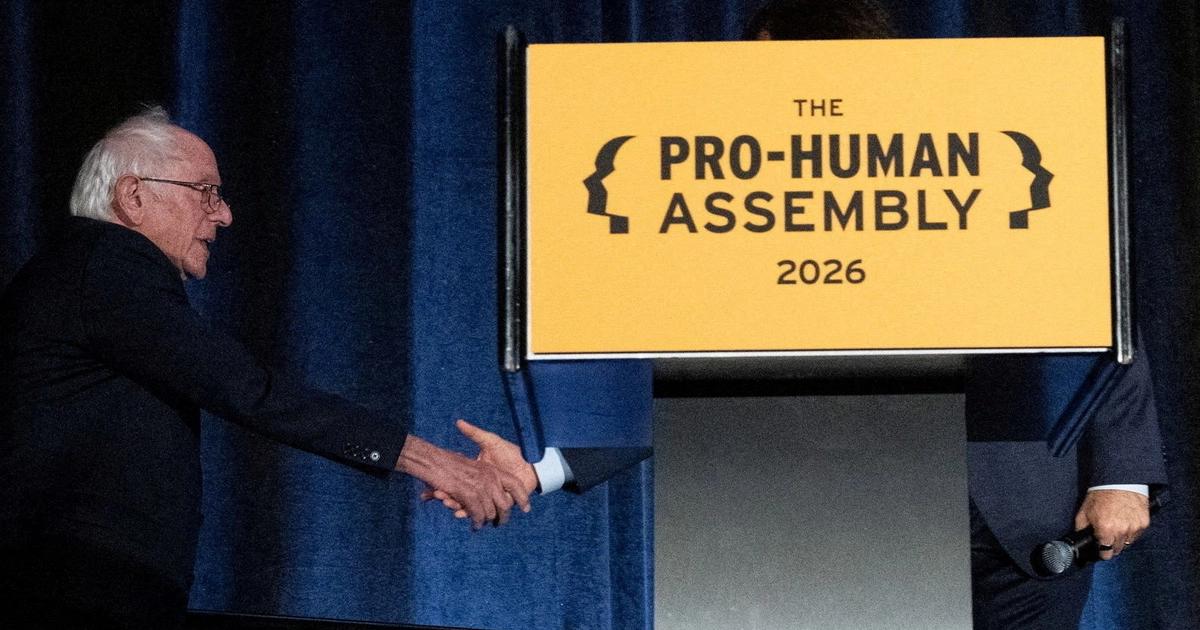
Photo via Mother Jones

Politicians Attack Data Centers While Profiting from their Construction

Read the original at Mother Jones ↗
Cite

Hurwitz, S. (2026, October 31). Politicians Attack Data Centers While Profiting from their Construction. Mother Jones. https://www.motherjones.com/politics/2026/10/politicians-investments-ai-data-centers/

Dated from the outlet's own feed. Check the original for its byline.

Mother Jones · collected 2026-10-31 · by Sophie Hurwitz

Quick Summary

During a debate on October 15, a heckler criticized Senator Susan Collins (R-Maine) for supporting AI data centers that harm the environment. The article reveals that Collins’ husband holds significant investments in companies tied to data centers and AI technology. It further reports that U.S. lawmakers collectively hold between $100 million and $300 million in data-center-related stocks, with many using their positions to support industry growth despite constituent opposition. For instance, Senator Collins secured federal funding for a data center in Maine while opposing a full ban on such facilities.
Written by AI on 2026-10-31, from this article's own text only (the story summary below draws on all the coverage).

AI analysis

Story summary

During an October 15 debate between Sen. Susan Collins (R-Maine) and her Democratic challenger Troy Jackson, a heckler interrupted to express concern about the environmental impact of AI data centers. The heckler was quickly escorted out but had reason to target Collins due to her husband Thomas Daffron's significant investments in AI and data center-linked companies. According to Forbes, Daffron’s holdings range from $300,000 to $800,000, making the couple the Senate’s fifth largest investors in this sector. The growth of data centers is economically significant, contributing between 2% and 4% to America's GDP, with a predicted total investment of up to $10 trillion by 2032, as per a Brookings Institution report.

Written for “Politicians Criticized for Hypocrisy on Data Centers” on 2026-11-21, grounded in this article and the 0 other(s) covering the same event.

Compared with similar articles

This article reads leans strongly left and hedges 18% of its claims. Each row says how that neighbour differs.
CBC News
Hedges 4 of 31 claims Outlet record 72/100
“The articles discuss different aspects of AI data centers; one covers a political debate and heckling incident, while the other discusses economic promises made by companies building such centers.”
CBS News
Leans left further right than this Hedges 0 of 1 claims Outlet record 66/100
“Article A describes a specific heckler interrupting a debate, while Article B discusses broader impacts of data center development on election results.”
The Independent
Leans left further right than this Hedges 3 of 21 claims Outlet record 59/100
“Article A discusses a broader issue of voters deciding on ballot initiatives regarding data centers across multiple states, while Article B focuses on a specific heckler incident during a political debate.”
The Guardian
Leans left further right than this Hedges 14 of 133 claims Outlet record 64/100
“The articles describe two distinct events involving different locations and individuals.”
Semafor
Hedges 0 of 22 claims Outlet record 64/100
“The articles describe different events - one is about a heckler interrupting a political debate due to concerns over data centers, while the other discusses OpenAI's efforts to rebrand and push AI policy.”
Semafor
Leans left further right than this Hedges 0 of 7 claims Outlet record 64/100
“Article A describes an incident during a political debate with a heckler, while Article B discusses voter rejection of data centers in multiple ballot measures across several states.”
404 Media
Leans strongly left Hedges 1 of 40 claims Outlet record 95/100
“Article A describes an incident during a debate with a heckler, while Article B discusses voting outcomes and ballot measures against data centers in multiple states.”
The Guardian
Leans left further right than this Hedges 1 of 20 claims Outlet record 64/100
“Article A describes an incident during a political debate involving heckling about data centers, while Article B discusses voter outcomes and bans on datacenter development in multiple jurisdictions.”
Reason
Hedges 4 of 32 claims Outlet record 67/100
“The articles describe different events: one is about a heckler interrupting a debate, while the other discusses ballot measures and voter concerns in multiple states.”
Semafor
Leans left further right than this Hedges 0 of 34 claims Outlet record 64/100
“Article A describes a heckler interrupting a political debate about AI data centers, while Article B discusses ballot measures passed after an election related to AI regulation.”

Story

Politicians Criticized for Hypocrisy on Data Centers
Politics · 1 article(s) covering the same event.
How this article was measured signals, leaning charts, publisher record, byline, topics and claims

Signals How these are calculated →

Claims extracted
34
sentences that state something as happening or true
Uncertain
18%
6 of 34 hedged ("reportedly", "may", "according to")
Leaning
Leans strongly left
of the writing, not the subject · beta estimate
Publisher signals
60/100
Mother Jones's corrections and hedging, across everything collected from it. Not a measure of accuracy.
Outlets on this story
1
Politics
Same framing elsewhere
1
articles that frame the event the way this one does
Analyzed 2026-10-31 · how these are computed

How this is being covered How these are calculated →

Article leaning vs. publisher reliability
Source leaning vs. consistency

Publisher

Mother Jones · 600 article(s) · 1 correction(s) detected
Running correction rate · 1 correction(s)

Who wrote this

Sophie Hurwitz
67 article(s) here · 1 carrying a prediction
The explosion will send a plume of lead-contaminated dust across a hundred-mile swath of the Midwest.
Times Square was blanketed in advertisements for the AI company Anthropic November 19, bearing images of bright, lush landscapes and the (Claude-inflected) slogan “What we make of this moment [sic], will make this moment.”
It would be understandable to wonder whether these things are all connected as part of some grand conspiracy.
2026-11-17 · assertive framing · Trump On All Those Outages: “It’s Fine”
States will not be forced to implement new Medicaid work requirements until mid-2027, the administration announced Friday.
The National Security Agency can continue operating under the law until March 2027, but a renewal would extend that timeline.
Van Hollen, at 67, is only eight years younger than Schumer—but his backers see him as a candidate that will, as Van Hollen put it in a speech in Denver on Friday, “shake things up.”
When Coloradans voted last week to reject an amendment that would have enshrined a right to natural gas in their state constitution, they also rebuffed a legal maneuver by a dark money group to keep Colorado reliant on deceptively dirty natural gas.
Ahmed Moor, a Philadelphia foreign policy analyst and writer, is the first candidate to announce his entry into what will likely be a crowded primary field.
With Democrats set to take control of the House and Senate, Himes is suggesting that his Republican colleagues “get this thing done in the lame-duck because it’s, you know, it’s going to be a very different 702 that gets reauthorized in the first quarter of next year,” as The Hill reported.
The $1.5 trillion defense budget proposed by Pete Hegseth may be cut down in the 120th Congress.
2026-11-12 · assertive framing · Alex Karp Wants to Be Friends With Democrats Again
Also by Sophie Hurwitz
Nothing else under this byline is closely related to this article, so these are simply their most recent.
All 67 articles by Sophie Hurwitz →

Topics

Congress Democratic Forbes Maine Senate

Subjects

Collins PERSON · 6× Congress ORG · 4× Khanna PERSON · 3× Wittman PERSON · 3× Democratic NORP · 2× Maine GPE · 2× Jackson PERSON · 1× Susan Collins PERSON · 1× Troy PERSON · 1× Troy Jackson PERSON · 1×

Narrative

Henrico County, in Wittman’s Virginia district, made headlines earlier this year when officials there told schools to turn off their lights to “save energy” during a scorching heat wave, at the same time the county’s 37 data centers kept operating at full capacity.
framing: assertive · carried by 1 article(s) · first seen 2026-10-31
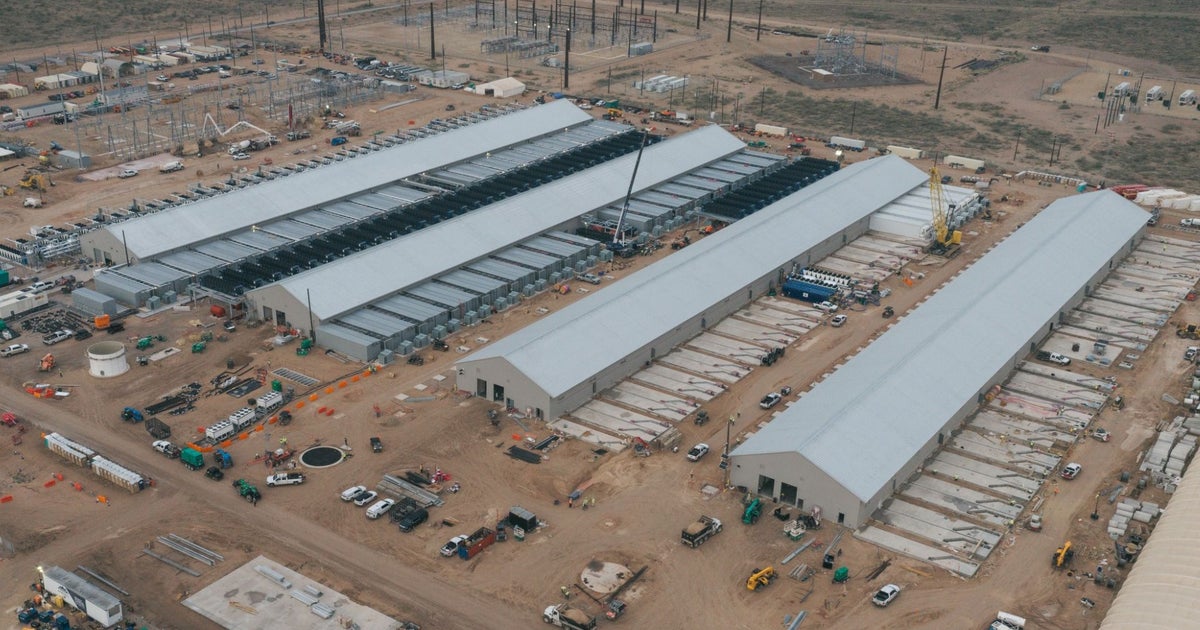
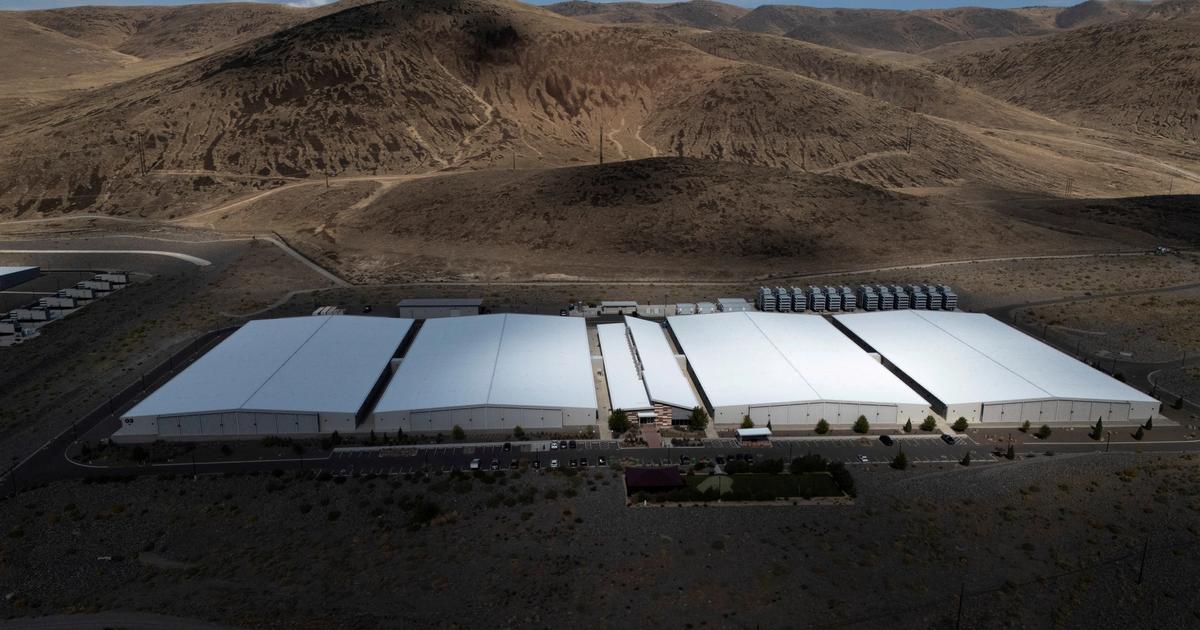
The share of America’s GDP contingent on data center buildout is now somewhere between 2 percent and 4 percent; total investment in the industry through 2032 is predicted to sit in the neighborhood of $10 trillion, per a recent Brookings Institution report.
2026-10-31 · Mother Jones
Politicians Attack Data Centers While Profiting from their Construction · assertive framing

Claims (34 extracted, 6 hedged)

During an October 15 debate debate between Sen. Susan Collins (R-Maine) and her Democratic challenger, Troy Jackson, a curiously apologetic heckler piped up. asserted
heckler → pip → Collins
“Senator Collins, I’m so sorry to interrupt, but I’m terrified,” the person shouted. asserted
person → ’m → ?
“AI data centers, they’re destroying our climate, they’re poisoning our water!” asserted
they → destroy → water
“This is obviously one of Troy’s supporters,” Collins said. asserted
Collins → say → supporters
“Oh, shut up,” Jackson responded. asserted
Jackson → shut → ?
“I don’t even know that kid.” asserted
I → know → kid
The heckler was escorted out. asserted
heckler → escort → ?
But he had reason to target the senator: According to Forbes, Collins’ husband, Thomas Daffron, holds an estimated $300,000 to $800,000 in AI- and data center-linked investments, making their household the Senate’s fifth largest such investor. uncertain
household → have → investments
(A Collins staffer did not comment on Daffron’s holdings, but told Mother Jones she invests in index funds and has never personally traded individual stocks.) asserted
she → comment → stocks
The share of America’s GDP contingent on data center buildout is now somewhere between 2 percent and 4 percent; total investment in the industry through 2032 is predicted to sit in the neighborhood of $10 trillion, per a recent Brookings Institution report. asserted
investment → predict → report
As a percentage of GDP, the AI infrastructure investment boom surpassed the size of the late-1990s dot-com bubble a year ago. asserted
boom → surpass → bubble
So it’s no surprise that Congressional lawmakers are cashing in—collectively, US representatives and senators hold between $100 million and $300 million in data-center-related investments, according to their financial disclosures. uncertain
representatives → ’ → disclosures
One in five members (including 62 Republicans and 43 Democrats) report that they or others in their household are personally invested in “AI developers, chipmakers, cloud infrastructure providers, data center companies, or private AI startups,” according to a September analysis by Sludge. uncertain
they → include → Sludge
The top five investing households in such projects were all Democratic, including those of California Reps. Ro Khanna and Nancy Pelosi, and Josh Gottheimer of New Jersey. asserted
households → invest → Jersey
But members of Congress with smaller portfolios have also benefited from the boom. asserted
members → benefit → boom
Often, they are lawmakers who—like Collins—have also publicly supported measures favorable to data center developers. asserted
who → support → developers
While 76 percent of her constituents oppose further data center construction, Collins has opposed a blanket ban. asserted
Collins → oppose → ban
She also, as The Verge has reported, utilized her position as Appropriations Committee chair to acquire $6.2 million in federal funding for a “high-performance computing hub data center” in central Maine. asserted
Verge → report → Maine
Other data center investors in Congress have aided the industry more explicitly. asserted
investors → aid → industry
Rep. Rob Wittman (R-Va.), was reportedly behind a clause in this year’s National Defense Authorization Act to fund the construction of data centers and accompanying small nuclear reactors on military bases. uncertain
Wittman → fund → bases
As of 2025, Wittman’s financial disclosures show he owned between $100,000 and $300,000 in stocks related to the data center boom. asserted
he → show → boom
(Wittman’s campaign website says his investments are overseen by a financial managers who make those “decisions without consulting him.”) asserted
who → say → him
Henrico County, in Wittman’s Virginia district, made headlines earlier this year when officials there told schools to turn off their lights to “save energy” during a scorching heat wave, at the same time the county’s 37 data centers kept operating at full capacity. asserted
centers → make → capacity
Some of Congress’s data center investors have supported bills that seem counter to industry interests. asserted
that → support → interests
Khanna introduced a so-called Data Center Bill of Rights in August that would ban them from “residential areas and within 2,500 feet of homes, schools, childcare facilities, hospitals and nursing homes.” asserted
that → introduce → homes
Khanna’s wife and dependent children reportedly own between $3.4 million and $8.4 million worth of stock in AI infrastructure companies, including chipmaker Nvidia. uncertain
wife → own → Nvidia
Khanna has called the industry “extractive,” but has not discussed its place in his portfolio; he has previously stated that his wife’s assets are managed by financial advisers. asserted
assets → call → advisers
The disconnect between rhetoric and financial reality extends across the aisle. asserted
disconnect → extend → aisle
“America must win the AI race, but not at the expense of hardworking families who aren’t using the electricity data centers need,” Rep. Diana Harshbarger (R-Tenn.) declared recently. asserted
Harshbarger → win → electricity
She has up to $4.6 million invested in companies like Alphabet, Microsoft, Nvidia, and Broadcom. asserted
She → have → Alphabet
President Donald Trump, by contrast, has been fairly open about the connection between his investment portfolio and his desire for Americans to let data centers “reign.” asserted
centers → let → portfolio
According to the watchdog group Citizens for Responsibility and Ethics in Washington, he owns between $2.9 million and $9.5 million in stock in companies that own, operate, or provide infrastructure for data centers—a 600 percent increase in his ownership of such investments over just one year. uncertain
that → accord → year
“The only reason that communities throughout the USA should not want data centers is if they want to end up being backwards and poor,” Trump declared in August. asserted
Trump → want → August
Meanwhile, his political network is playing both sides—as Bloomberg reported this week, Trump’s No Going Back PAC is now attacking Democratic congressional candidates over their own data center ties. asserted
PAC → play → ties

Give feedback · no sign-in needed

No sign-in needed for now. Your note is sent without a name, so it cannot be answered.

History Support