Photo via The Straits Times

US agency votes to ban all Chinese labs from testing US electronics

Read the original at The Straits Times ↗
Cite

The Straits Times. (2026, October 29). US agency votes to ban all Chinese labs from testing US electronics. The Straits Times. https://www.straitstimes.com/world/united-states/us-agency-votes-to-ban-all-chinese-labs-from-testing-us-electronics

Dated from the outlet's own feed. Check the original for its byline.

The Straits Times · collected 2026-10-29 · by The Straits Times

Quick Summary

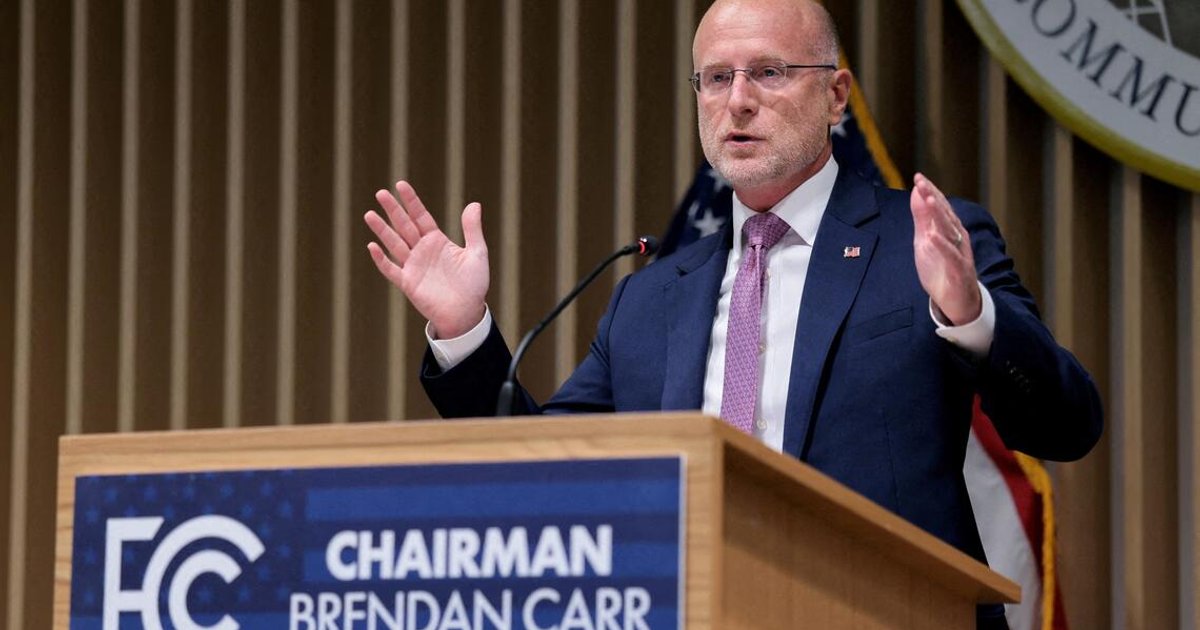
The Federal Communications Commission (FCC) voted on October 29 to prohibit all Chinese labs from testing electronic devices for use in the US, starting December 2028. This decision follows a previous ban targeting only government-owned Chinese labs; it now affects any lab that denies equal treatment to U.S.-based test facilities. FCC Chair Brendan Carr highlighted concerns over national security and intellectual property theft, noting that 82% of electronics were tested in China in 2025 despite the lack of reciprocal agreements with the US.
Written by AI on 2026-10-30, from this article's own text only (the story summary below draws on all the coverage).
See how they differ ↓

AI analysis

Story summary

The FCC voted on October 29, 2026, to ban all Chinese laboratories from testing electronic devices destined for the US market, citing concerns over security and intellectual property theft. The decision targets labs with alleged ties to the PLA, giving American labs until December 2028 to increase their capacity to handle the anticipated influx of testing needs. In 2025, 82% of electronics were tested in China, which lacks a mutual recognition agreement with the US. The ban is set to take effect in December 2028 and could disrupt supply chains, as the Chinese Commerce Ministry has warned that it hopes Washington will reconsider its stance and revoke the measures.

Written for “US Ban on Chinese Device Testing” on 2026-11-22, grounded in this article and the 2 other(s) covering the same event.

How they differ

2 outlets covered “US Ban on Chinese Device Testing”.

What each outlet says

One AI summary per outlet of its latest article on this story, written from that article alone and checked against it. Open the article for the outlet's own words.

The Straits TimesThis outlet29 Oct

The Federal Communications Commission (FCC) voted on October 29 to prohibit all Chinese labs from testing electronic devices for use in the US, starting December 2028. This decision follows a previous ban targeting only government-owned Chinese labs; it now affects any lab that denies equal treatment to U.S.-based test facilities. FCC Chair Brendan Carr highlighted concerns over national security and intellectual…

US agency votes to ban all Chinese labs from testing US electronics (this article)
South China Morning Post31 Oct

The Chinese commerce ministry has criticized a recent US ban that prohibits device testing in China by Chinese laboratories for smartphones and computers. It warned that this could cause significant disruptions to global supply chains. The ministry called on Washington to reverse these restrictions, stating they should respect market rules and cooperate with China to resolve the issue immediately.

Beijing blasts US ban on device testing in China, warns of supply chain disruptions →2 articles from South China Morning Post on this story

Compared with similar articles

This article reads unscored and hedges 7% of its claims. Each row says how that neighbour differs.
South China Morning Post
Hedges 0 of 3 claims Outlet record 62/100
The Straits Times
Leans right Hedges 1 of 14 claims Outlet record 64/100
“The articles describe different FCC actions on separate dates, one banning Chinese labs from testing US electronics and the other proposing to ban Chinese telecom firms from direct access to US phone numbers.”
South China Morning Post
Leans right Hedges 1 of 5 claims Outlet record 62/100
“Article A reports on the FCC voting to ban Chinese labs from testing US electronics, while Article B focuses on proposed rules against Chinese telecom companies obtaining American telephone numbers.”
South China Morning Post
Hedges 0 of 1 claims Outlet record 62/100
“While both articles discuss a ban on Chinese labs testing US electronics, Article A describes the FCC's vote to implement the ban, while Article B reports Beijing's reaction and warnings about supply chain disruptions.”

Story

US Ban on Chinese Device Testing
Politics · 3 article(s) covering the same event. See how they differ ↑
How this article was measured signals, leaning charts, publisher record, byline, topics and claims

Signals How these are calculated →

Claims extracted
15
sentences that state something as happening or true
Uncertain
7%
1 of 15 hedged ("reportedly", "may", "according to")
Leaning
withheld
no quote in the article backed the model's score
Publisher signals
64/100
The Straits Times's corrections and hedging, across everything collected from it. Not a measure of accuracy.
Outlets on this story
3
Politics
Same framing elsewhere
1
articles that frame the event the way this one does
Analyzed 2026-10-30 · how these are computed

How this is being covered How these are calculated →

Article leaning vs. publisher reliability
Source leaning vs. consistency

Publisher

The Straits Times · 5687 article(s) · 7 correction(s) detected
Running correction rate · 7 correction(s)

Who wrote this

The Straits Times
3979 article(s) here · 1 carrying a prediction
She will be charged with assaulting a federal officer, according to ICE.
TEHRAN - Iran will impose rolling power cuts from Nov 22 as damage to key infrastructure during the Middle East war deepens an already severe energy crunch, state media reported.
2026-11-22 · assertive framing · Iran to ration electricity as war hits energy network
Party strategists anticipate that the field of 2028 aspirants could be far wider than what was expected at the start of the administration, when Trump joked about seeking a constitutionally-barred third term.
Former prime minister Naftali Bennett, an important figure in Eisenkot’s camp, on Nov 21 called for a “Zionist unity government headed by Eisenkot” and said his party would refuse to join up with Netanyahu or his bloc.
The Wall Street Journal reported on the investigation earlier this week, although it was unable to establish its precise focus. The probe could end without any charges being brought against the company. Questions about Nvidia’s financial disclosures have intensified amid scrutiny of its dealings with Megaspeed, a Singapore-based company investigated by American authorities over suspected shipments of restricted AI chips to China.
Climate talks in Antalya, Turkey, approached a final deal on Sunday with the announcement of a new package that COP31 presidents Australia and Turkey hope will achieve consensus on how to advance the fight against global warming.
While You Were Sleeping: 5 stories you might have missed, Nov 22, 2026 Bahrain says Iranian attack hits industrial facility Bahrain said on Nov 21 that an Iranian attack had hit a civilian industrial facility, causing a fire but no injuries, while Iran’s Revolutionary Guards said they launched a missile-and-drone attack on US military positions in the kingdom, home to the US Navy’s Fifth Fleet.
• The former president is clinically stable and conscious but there is no forecasted discharge at this time
2026-11-21 · assertive framing · Brazil ex-President Jair Bolsonaro taken to ICU
The environmental consequences of this war will last for generations,” Lewis Pugh wrote in a post on his website.
He predicts that pairing more use of these Wolbachia mosquitoes with existing steps to fight mosquito-borne disease could “knock dengue down to much lower levels” in many places.
Also by The Straits Times
Nothing else under this byline is closely related to this article, so these are simply their most recent.
All 3979 articles by The Straits Times →

Topics

China Chinese FCC Huawei WASHINGTON

Subjects

FCC ORG · 10× Chinese NORP · 8× China GPE · 3× WASHINGTON GPE · 3× Carr PERSON · 2× Huawei ORG · 2× ZTE ORG · 2× Beijing GPE · 1× Brendan Carr PERSON · 1× The Federal Communications Commission ORG · 1×

Narrative

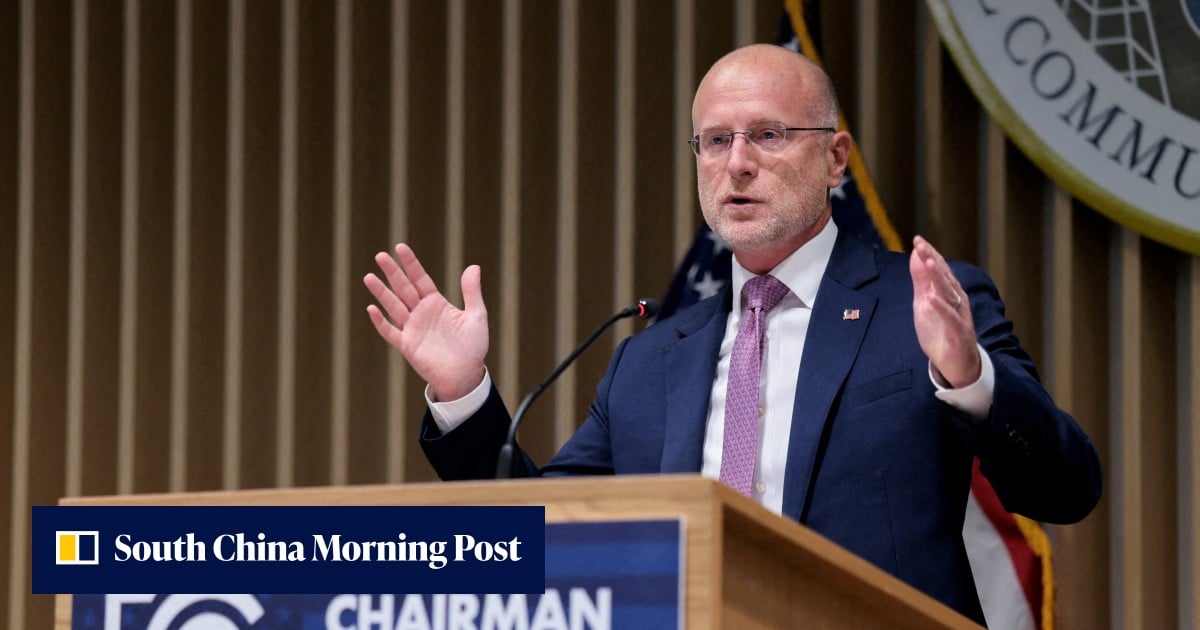
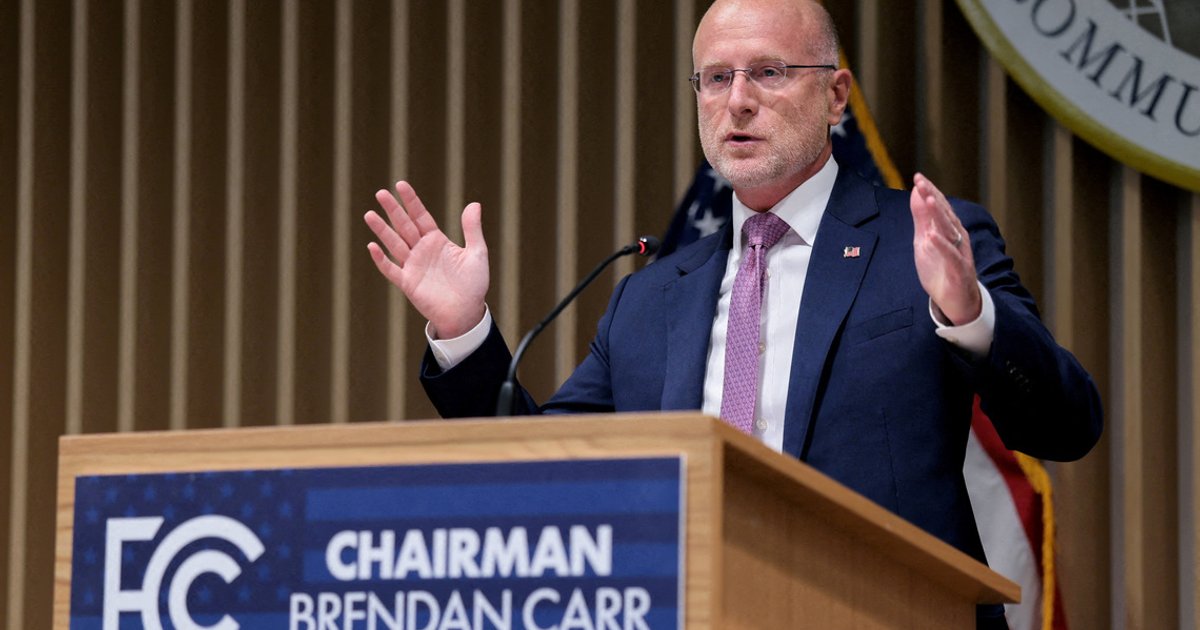
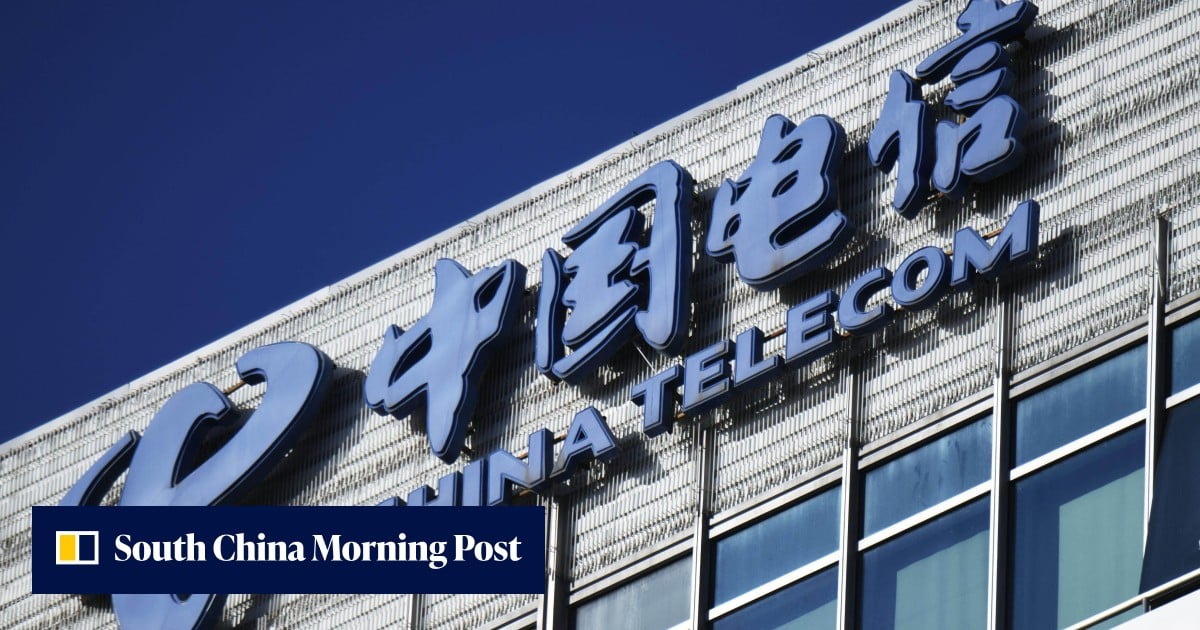
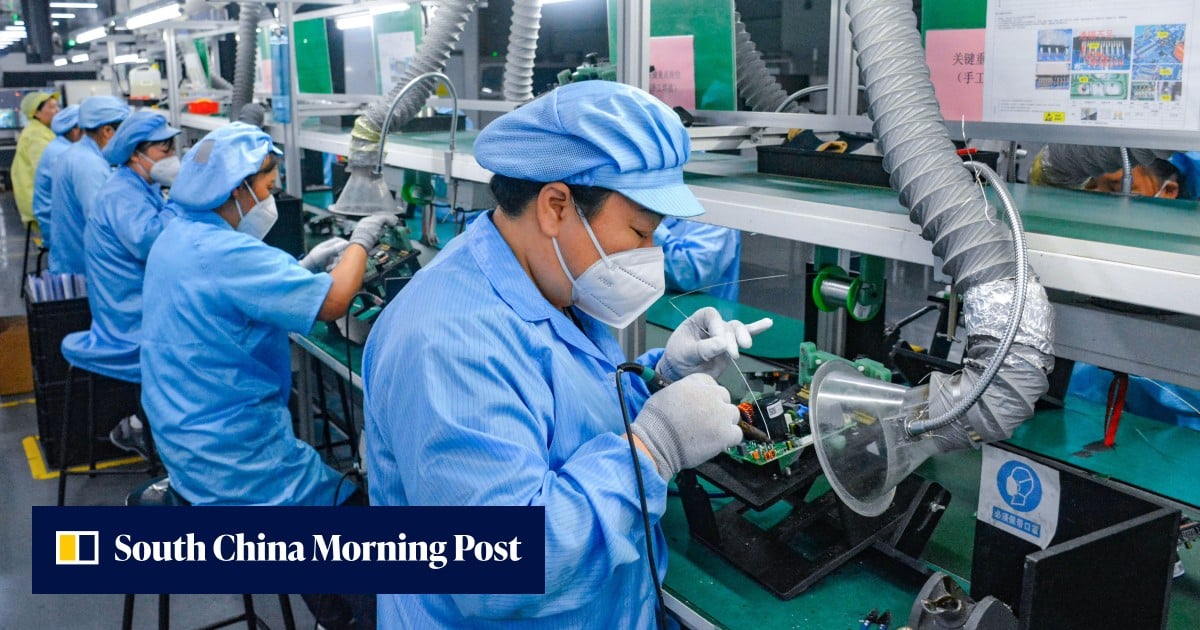
WASHINGTON - The Federal Communications Commission (FCC) on Oct 29 voted to bar all Chinese labs from testing electronic devices including smartphones, cameras and computers for use in the US, expanding a previous agency action targeting Beijing.
framing: assertive · carried by 1 article(s) · first seen 2026-10-30
The FCC said it will prohibit test labs and certification bodies in countries including China that deny reciprocal treatment to US-based test labs.
2026-10-30 · The Straits Times
US agency votes to ban all Chinese labs from testing US electronics · assertive framing

Claims (15 extracted, 1 hedged)

US agency votes to ban all Chinese labs from testing US electronics AI generated asserted
agency → vote → electronics
WASHINGTON - The Federal Communications Commission (FCC) on Oct 29 voted to bar all Chinese labs from testing electronic devices including smartphones, cameras and computers for use in the US, expanding a previous agency action targeting Beijing. asserted
Commission → vote → Beijing
The FCC said it will prohibit test labs and certification bodies in countries including China that deny reciprocal treatment to US-based test labs. asserted
that → say → labs
The FCC prohibitions are slated to take effect in December 2028. asserted
prohibitions → slat → December
FCC Chair Brendan Carr said that in 2025, 82% of electronics were tested in China, which does not have an agreement with the US. asserted
which → say → US
“These labs are a critical gateway into American communications infrastructure – and their privileged role gives them access to sensitive and confidential information about electronic products often months before the devices enter the market,” Carr said, adding they could “allow insecure gear into the US market, disrupt communications networks, or even steal intellectual property”. uncertain
they → give → property
The Chinese Embassy in Washington did not immediately respond to a request for comment. asserted
Embassy → respond → comment
In 2025, the FCC banned testing of US electronics by labs owned or controlled by the Chinese government, and several dozen labs were barred. asserted
labs → ban → government
About 4% of all electronic devices are tested in labs inside the US, Carr said. asserted
Carr → test → US
Separately, the FCC streamlined its approval process for devices tested in US labs or labs from countries not posing national security risks. asserted
FCC → streamline → risks
This is the latest move by Washington to crack down on China over technology issues and equipment. asserted
This → crack → issues
In December, the FCC banned the import of all new models of Chinese drones and also has banned imports of new models of Chinese-made consumer routers, the boxes connecting computers, phones and smart devices to the internet. asserted
FCC → ban → internet
In July, the FCC voted to bar sales of devices in the US that contain key hardware from Chinese companies deemed to be national security risks. asserted
that → vote → companies
The FCC maintains a list of firms, including Chinese telecom company Huawei and ZTE, whose equipment is barred for sale in the US due to national security concerns. asserted
equipment → maintain → concerns
In June, the FCC banned the import of more equipment from a group of Chinese manufacturers including Huawei and ZTE and has proposed to ban the import of most military-grade drones. asserted
FCC → ban → drones
Give feedback · no sign-in needed

No sign-in needed for now. Your note is sent without a name, so it cannot be answered.

History Support