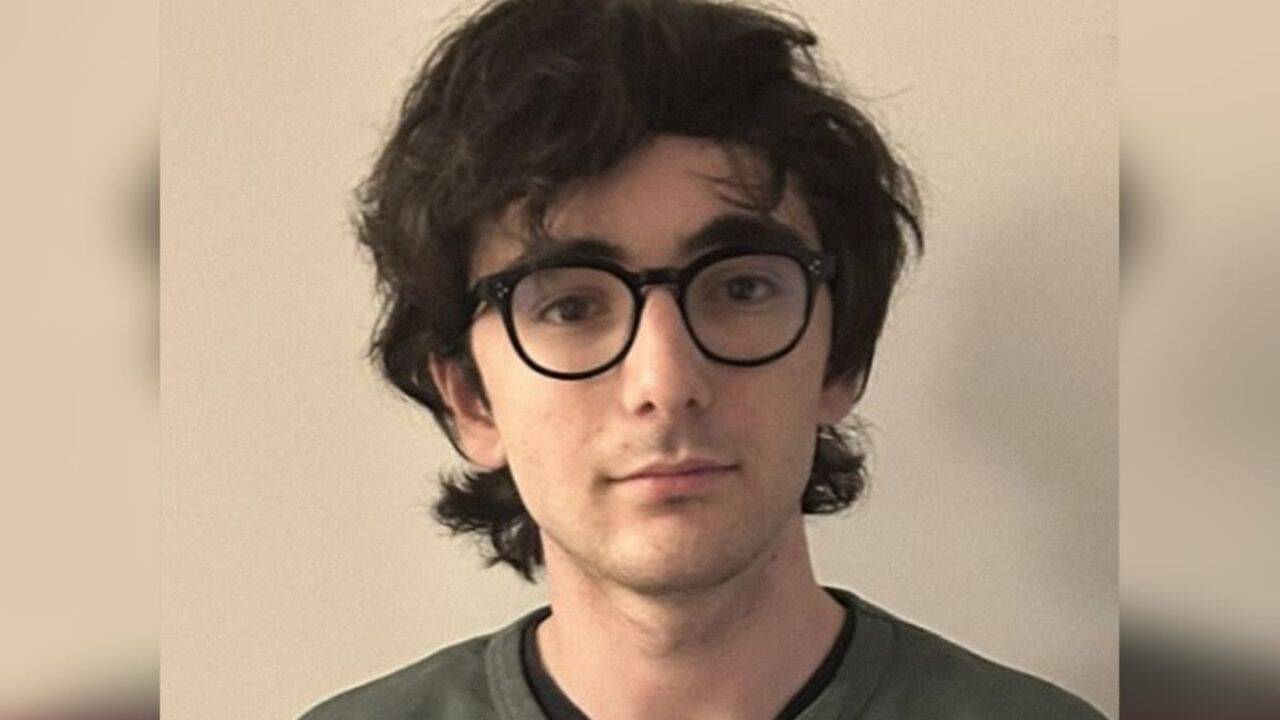
Photo via Times of India

20-year-old French student fights viral AI misinformation after fake image gets 1M likes

Read the original at Times of India ↗
Cite

TOI World Desk. (2026, October 31). 20-year-old French student fights viral AI misinformation after fake image gets 1M likes. Times of India. https://timesofindia.indiatimes.com/world/europe/a-20-year-old-french-student-exposed-a-fake-ai-image-with-nearly-a-million-likes-he-is-building-an-online-community-against-viral-misinformation/articleshow/135235329.cms

Dated from the outlet's own feed. Check the original for its byline.

Times of India · collected 2026-10-31 · by TOI World Desk

Quick Summary

Théodore Cazals, a 20-year-old French student from Paris, started an account called “Insane AI Slop” on X to combat misleading artificial intelligence-generated content after noticing a fake image of impoverished children that garnered nearly one million likes on Facebook. The account grew to over 133,000 followers as Cazals highlighted recurring themes in fake AI content, such as religious and military subjects and images of poor children doing impressive acts. This led to YouTube removing several channels posting disturbing AI-generated cartoons for violating community guidelines.
Written by AI on 2026-10-31, from this article's own text only (the story summary below draws on all the coverage).

AI analysis

Story summary

A 20-year-old French student named Théodore Cazals launched an online campaign against misleading AI-generated content after a fake image on Facebook garnered nearly 1 million likes. The picture depicted two impoverished children with boyish features but exaggerated details like thick beards and one having no hands, which are clear signs of AI manipulation. Cazals started an account on X (formerly Twitter) called “Insane AI Slop” to mock and expose such content, quickly gaining over 133,000 followers. His efforts were part of a growing backlash against low-quality AI-generated images spreading across social media platforms like Facebook and YouTube. Emily Thorson from Syracuse University noted that while entertainment-focused users might be less concerned about the authenticity of AI content, those seeking educational value or community engagement find it more problematic.

Written for “French Student Fights AI Misinformation” on 2026-11-21, grounded in this article and the 0 other(s) covering the same event.

Compared with similar articles

This article reads unscored and hedges 7% of its claims. Each row says how that neighbour differs.
The Guardian
Leans left Hedges 13 of 60 claims Outlet record 64/100
“Article A discusses general warnings about AI-driven disinformation before US midterms, while Article B focuses on a specific French student's campaign against viral AI misinformation triggered by a fake image.”
TIME
Hedges 3 of 39 claims Outlet record 60/100
“The articles describe different events: one is a speech by Surgeon General Vivek Murthy about the need for safety standards around AI, while the other reports on a French student combating viral misinformation related to AI.”

Story

French Student Fights AI Misinformation
Technology · 1 article(s) covering the same event.
How this article was measured signals, leaning charts, publisher record, byline, topics and claims

Signals How these are calculated →

Claims extracted
27
sentences that state something as happening or true
Uncertain
7%
2 of 27 hedged ("reportedly", "may", "according to")
Leaning
not political
takes no side on a contested political question
Publisher signals
59/100
Times of India's corrections and hedging, across everything collected from it. Not a measure of accuracy.
Outlets on this story
1
Technology
Same framing elsewhere
1
articles that frame the event the way this one does
Analyzed 2026-10-31 · how these are computed

How this is being covered How these are calculated →

Article leaning vs. publisher reliability
Source leaning vs. consistency

Publisher

Times of India · 5445 article(s) · 6 correction(s) detected
Running correction rate · 6 correction(s)

Who wrote this

TOI World Desk
1556 article(s) here · 1 carrying a prediction
The proposed Western Downs Digital Park, about 250 kilometres west of Brisbane, is expected to become one of Australia's largest computing facilities, with artificial intelligence company Anthropic signed as its anchor tenant.
He also warned that authorities would pursue not only those allegedly stealing the goods but also those knowingly making money by reselling stolen cargo.
Huang, who resigned as Nvidia's chief executive on November 12 following revelations about multiple extramarital relationships including with a suspected Chinese spy, allegedly used public humiliation as a management tool, because he believed that his employees became so rich that he could no more motivate them with money.
In an email sent to then pardon attorney Ed Martin in the fall of 2025, Mitchell argued that delaying the pardons would increase the financial and emotional burden on Trump supporters facing criminal cases in Georgia, Michigan, Arizona, Nevada and Wisconsin.
Trump supports bill to slash electricity prices President Donald Trump had pushed senators to vote for the measure, which he described as a critical step toward boosting American energy independence and reducing household costs. Trump called it a big win for U.S. energy production, saying that faster approvals would help the country build pipelines, mines and power plants without lengthy regulatory delays, the Associated Press reported.
The senator-elect also explained the motivation behind his suggestion, saying the shoes could encourage students to keep studying for the remainder of the academic year.
Stewart described the moment as one he would never forget.
New York City mayor Zohran Mamdani has announced a $290 million (£230 million) plan to close the troubled Rikers Island jail complex by 2032.
The proposed legislation, introduced on November 19, 2026, argues that crustaceans may experience pain and distress when subjected to the practice without being stunned first.
Its name and appearance have prompted interest among fans trying to identify possible real-world connections and understand which parts of Florida may have influenced its design.
2026-11-20 · assertive framing · GTA 6 locations inspired by 10 real places in Florida
Wire or desk byline, not an individual reporter.
Also by TOI World Desk
Nothing else under this byline is closely related to this article, so these are simply their most recent.
All 1556 articles by TOI World Desk →

Topics

BBC Facebook French Paris YouTube

Subjects

Cazals PERSON · 4× Facebook ORG · 3× YouTube ORG · 3× BBC ORG · 2× French NORP · 1× Jesus PERSON · 1× Paris GPE · 1× Threads ORG · 1× Théodore Cazals PERSON · 1× TikTok ORG · 1×

Narrative

The impact of AI-generated content on online communities Emily Thorson of Syracuse University said, "If a person is on a short-video platform solely for entertainment, then their standard for whether something is worthwhile is simply 'is it entertaining?"
framing: assertive · carried by 1 article(s) · first seen 2026-10-31
"But if someone is on the platform to learn about a topic or to connect with community members, then they might perceive AI-generated content as more problematic." Cazals said, "Unlike a lot of my followers, I'm not dogmatically against AI”. "I'm against the pollution online of AI slop that's made for quick entertainment and views”.

Claims (27 extracted, 2 hedged)

A fake image of two impoverished children sitting in a rain-soaked road with a birthday cake pushed Théodore Cazals to challenge misleading AI content online. asserted
image → sit → content
The picture, which showed two emaciated children with thick beards, attracted nearly one million likes and heart emojis on Facebook. asserted
which → show → Facebook
The 20-year-old student from Paris began an account on X called “Insane AI Slop”, where he mocked and called out images and videos that appeared to fool viewers. asserted
that → begin → viewers
People soon began sending him examples, and his account grew to more than 133,000 followers. asserted
account → begin → followers
According to the BBC, his campaign became part of a wider backlash against low-quality AI content spreading. uncertain
content → accord → backlash
How the French student built an online community against fake AI images Cazals began his campaign after seeing a Facebook image of two children who appeared emaciated and impoverished. asserted
who → build → children
Despite their boyish features, they had thick beards; one had no hands and only one foot. asserted
one → have → hands
They sat in a busy road in pouring rain beside a birthday cake, while a sign asked people to like the image because it was the child’s birthday. asserted
it → sit → image
The picture contained signs of the AI generation, yet attracted nearly one million likes and heart emojis. asserted
picture → contain → likes
Cazals said the volume of absurd AI images on Facebook, and the attention they received without scrutiny, left him stunned. asserted
they → say → him
On X, he began highlighting and making fun of content that seemed to mislead people. asserted
that → begin → people
Religion and poor children became recurring themes in AI content asserted
Religion → become → content
The examples sent to Cazals began to reveal recurring themes. asserted
examples → send → themes
Religion, military subjects and poor children doing heartwarming things were common. asserted
Religion → do → things
He said, "Kids in the third world doing impressive stuff is always popular - like a poor kid in Africa making an insane statue out of trash. asserted
Kids → say → trash
I think people find it wholesome so the creators think, 'Great, let's make more of this stuff up”. asserted
's → think → stuff
His account grew beyond 133,000 followers, while AI-generated pictures and videos continued to appear across social media. asserted
pictures → grow → media
Cazals described AI slop as fake, unconvincing videos and pictures made quickly. asserted
Cazals → describe → videos
He later used his reach on X to alert YouTube moderators to strange AI cartoons that got huge numbers of views. asserted
that → use → views
He considered them disturbing and harmful, and some appeared to him to be aimed at children. asserted
some → consider → children
YouTube removes channels posting disturbing AI-generated cartoons asserted
YouTube → remove → cartoons
Some of the videos Cazals flagged showed scenes, including a cat story involving deadly belly parasites and a woman who ate a parasite, became a giant monster and was eventually healed by Jesus. asserted
who → flag → Jesus
YouTube removed the channels after finding they violated its community guidelines. asserted
they → remove → guidelines
The company said it aimed to connect users with high-quality content regardless of how it was made and was working to reduce the spread of low-quality AI material. asserted
it → say → material
The backlash has also appeared in comments beneath viral posts on platforms including TikTok, Threads, Instagram and X. In some cases, comments criticising AI content have received more likes than the videos themselves, the BBC report noted. asserted
report → appear → videos
The impact of AI-generated content on online communities Emily Thorson of Syracuse University said, "If a person is on a short-video platform solely for entertainment, then their standard for whether something is worthwhile is simply 'is it entertaining?" asserted
it → generate → entertainment
"But if someone is on the platform to learn about a topic or to connect with community members, then they might perceive AI-generated content as more problematic." Cazals said, "Unlike a lot of my followers, I'm not dogmatically against AI”. "I'm against the pollution online of AI slop that's made for quick entertainment and views”. uncertain
that → learn → entertainment

Give feedback · no sign-in needed

No sign-in needed for now. Your note is sent without a name, so it cannot be answered.

History Support