Photo via The Straits Times

Trump’s election fraud reward raises fears of vigilantism: Officials

Read the original at The Straits Times ↗
Cite

The Straits Times. (2026, November 3). Trump’s election fraud reward raises fears of vigilantism: Officials. The Straits Times. https://www.straitstimes.com/world/united-states/trumps-election-fraud-reward-raises-fears-of-vigilantism-officials

Dated from the outlet's own feed. Check the original for its byline.

The Straits Times · collected 2026-11-03 · by The Straits Times

Quick Summary

US law enforcement and election officials are concerned that President Trump’s $1 million reward for information leading to an election fraud conviction could spark unrest or vigilantism on Election Day. This follows Trump's continued unsubstantiated claims about voting problems and increased threats against public officials and election workers. Local authorities fear heightened tensions at polling sites if voters challenge each other, potentially turning into disturbances. Officials have conducted numerous exercises to prepare for various disruptions, with some expressing worry over federal interference in state-run elections.
Written by AI on 2026-11-03, from this article's own text only (the story summary below draws on all the coverage).

AI analysis

Story summary

US law enforcement and election officials are preparing for potential unrest on Election Day 2026 as President Donald Trump continues to attack the integrity of U.S. elections by offering a $1 million reward for information leading to an election fraud conviction. This move has raised concerns among local authorities, such as Sheriff Chris Nanos from Pima County, Arizona, who fear it could incite vigilantism and increase societal suspicion. The Police Executive Research Forum’s executive director, Chuck Wexler, noted that political divisiveness at the national level is affecting communities' preparations for possible unrest during voting.

Written for “Trump's Election Fraud Reward Raises Fears” on 2026-11-21, grounded in this article and the 0 other(s) covering the same event.

Compared with similar articles

This article reads unscored and hedges 23% of its claims. Each row says how that neighbour differs.
Zeteo
Leans strongly left Hedges 2 of 8 claims
“Article A discusses Trump's overall strategy to challenge the results of upcoming midterm elections, while Article B focuses on a specific reward offered by Trump for election fraud information on a different day.”
The Straits Times
Leans left Hedges 7 of 30 claims Outlet record 64/100
“The articles discuss related topics but describe different events: one is about Trump's legal challenges against states before Election Day, while the other is about his reward for election fraud information on a later date.”
New York Post
Leans strongly right Hedges 3 of 26 claims Outlet record 66/100
“The articles describe different aspects of President Trump's actions regarding election fraud: one praises a prosecutor while facing legal setbacks, and the other discusses his reward offer for information leading to convictions.”
Times of India
Leans left Hedges 11 of 40 claims Outlet record 59/100
“The articles describe different actions by Trump's Justice Department: one involves filing lawsuits challenging election procedures in California and Alaska, while the other focuses on Trump offering a reward for information about election fraud.”
The Guardian
Leans left Hedges 8 of 36 claims Outlet record 64/100
“Article A describes a specific legal action taken by the DOJ against six people charged with voter fraud, while Article B discusses broader concerns and actions related to Trump's election fraud rhetoric and rewards, not the same incident.”
New York Post
Leans strongly right Hedges 2 of 18 claims Outlet record 66/100
“The articles discuss related issues around election integrity and fraud but describe different aspects: Article A focuses on Trump's reward for reporting election fraud, while Article B addresses California's response to federal efforts to combat noncitizen voting.”
The Bulwark
Centre Hedges 2 of 3 claims
“The articles describe related actions by President Trump on Election Day but refer to distinct initiatives: one about offering a reward for election fraud information and another about deploying federal monitors across states.”
The Straits Times
Leans left Hedges 7 of 25 claims Outlet record 64/100
“The articles describe different time periods and aspects of the situation: Article A discusses Trump's reward for election fraud information before Election Day, while Article B describes the aftermath where no significant challenges materialized.”
The Guardian
Leans strongly left Hedges 5 of 24 claims Outlet record 64/100
“The articles discuss related themes of election interference by Trump but describe different aspects and times - one focusing on editorial commentary about patterns used in political attacks, while the other covers current fears among officials regarding potential vigilantism due to Trump's rewards for reporting fraud.”
Washington Examiner
Leans right Hedges 2 of 3 claims Outlet record 67/100
“Article A reports on DOJ charging people with voting-related crimes, while Article B discusses Trump's reward offer and election fears, covering different aspects of the election integrity issue.”

Story

Trump's Election Fraud Reward Raises Fears
Politics · 1 article(s) covering the same event.
How this article was measured signals, leaning charts, publisher record, byline, topics and claims

Signals How these are calculated →

Claims extracted
43
sentences that state something as happening or true
Uncertain
23%
10 of 43 hedged ("reportedly", "may", "according to")
Leaning
withheld
no quote in the article backed the model's score
Publisher signals
64/100
The Straits Times's corrections and hedging, across everything collected from it. Not a measure of accuracy.
Outlets on this story
1
Politics
Same framing elsewhere
1
articles that frame the event the way this one does
Analyzed 2026-11-03 · how these are computed

How this is being covered How these are calculated →

Article leaning vs. publisher reliability
Source leaning vs. consistency

Publisher

The Straits Times · 5634 article(s) · 7 correction(s) detected
Running correction rate · 7 correction(s)

Who wrote this

The Straits Times
3888 article(s) here · 1 carrying a prediction
He told groups of subordinates that they had become so rich that he couldn’t motivate them simply with money, according to three people who spoke on the condition of anonymity to discuss confidential conversations.
The closed freeway lanes recall stems from unusual circumstances where a Waymo vehicle may enter and continue driving in a closed freeway lane, the company said, adding it is still working on the recall remedy.
Araqchi says Iran wants diplomacy to end war; Trump says terms unacceptable Nov 20 - Iran's Foreign Minister Abbas Araqchi said Tehran still hoped diplomacy could end its war with the United States, while US President Donald Trump said Iran wanted a deal but one that was not acceptable to him.
While You Were Sleeping: 5 stories you might have missed, Nov 21, 2026 Trump, Xi agree military AI decisions should involve humans US President Donald Trump and Chinese President Xi Jinping agreed humans should always be involved in military decisions that use artificial intelligence technologies, even as the two countries compete for AI supremacy, Treasury Secretary Scott Bessent said on Nov 20.
US Vice President Vance declines to say he would have ordered Iran strikes WASHINGTON, Nov 20 - US Vice President JD Vance on Friday declined to say whether he would have authorized strikes on Iran to prevent the country from developing a nuclear weapon, sidestepping President Donald Trump's calls for him to say the attacks were necessary and that he would carry them out again.
Some would blame Ottawa for the trade conflict while others pointed the finger at Washington.
Whoever wins will have to tackle multiple crises, including several wars, cutbacks in US contributions to the UN, and the 193-member body's declining political relevance as Washington has pulled out of dozens of its agencies.
I don’t think any human was about to find this,” Conrey said, adding that he believed “there will be simpler ways to do it.” The Riemann Hypothesis is one of seven Millennium Prize Problems selected by the Clay Mathematics Institute in 2000, which offers US$1 million (S$1.28 million) for a solution to each. Under the institute’s rules, a solution must be published in a peer-reviewed journal and withstand two years of scrutiny.
If the hearing proceeds as planned, it would mark Huang's first public testimony since stepping down as Nvidia's chief executive on November 12.
Denmark’s foreign minister on Nov 20 said Moscow’s defence attache in Copenhagen would be expelled after Russia was suspected of being behind an attempted assassination of a Ukrainian rapper.
Also by The Straits Times
Nothing else under this byline is closely related to this article, so these are simply their most recent.
All 3888 articles by The Straits Times →

Topics

Americans Arizona Democrat Pima County WASHINGTON

Subjects

Trump PERSON · 6× California GPE · 3× Democrat NORP · 2× New Haven GPE · 2× the Justice Department ORG · 2× Americans NORP · 1× Chris Nanos PERSON · 1× Donald Trump PERSON · 1× WASHINGTON GPE · 1× Zolan Kanno-Youngs PERSON · 1×

Narrative

Chuck Wexler, the executive director of the Police Executive Research Forum, which advises departments on best practices, said that current and former police chiefs discussed at a recent gathering how the political divisiveness at the national level had trickled down to communities trying to prepare for the election.
framing: mixed · carried by 1 article(s) · first seen 2026-11-03
Now some of the local authorities have said they also fear that the President’s offer of a large financial incentive could foster unrest or even vigilantism, with Americans eyeing one another with suspicion as they head to the polls.
2026-11-03 · The Straits Times
Trump’s election fraud reward raises fears of vigilantism: Officials · mixed framing

Claims (43 extracted, 10 hedged)

Trump’s election fraud reward raises fears of vigilantism: Officials asserted
reward → raise → vigilantism
US law enforcement and election officials are bracing for a tense election day as President Donald Trump has kept up a sustained attack on the integrity of the country’s elections, including by offering a US$1 million (S$1.28 million) reward for information that leads to an election fraud conviction. asserted
that → brace → conviction
In response to Trump’s unsubstantiated claims about voting problems and his campaign to assert more federal control over state-run elections, officials have prepared for potential worst-case scenarios in which the federal government tries to intervene in voting. uncertain
government → assert → voting
Now some of the local authorities have said they also fear that the President’s offer of a large financial incentive could foster unrest or even vigilantism, with Americans eyeing one another with suspicion as they head to the polls. uncertain
they → say → polls
“Don’t drag in the public and basically a vigilante-type system where we’re going to say, ‘Hey, you can make a million dollars here by going over here and accusing somebody of fraud,’” said Sheriff Chris Nanos of Pima County, Arizona, a Democrat. asserted
Nanos → drag → County
“Our elections are handled at the local level, but yet we have fire and brimstone, if you will, coming down from the federal level.” asserted
you → handle → level
Trump’s unfounded claims that the election could be rigged come at a time when violent threats against public officials and election workers have increasingly become a new normal. uncertain
threats → rig → officials
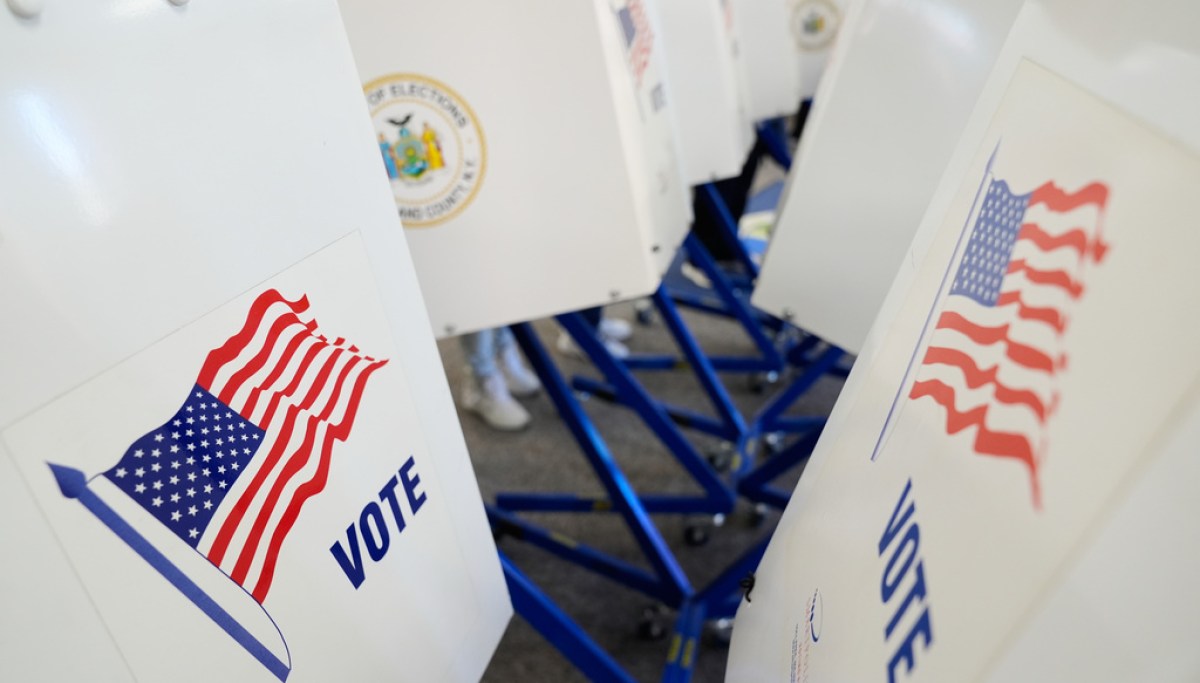
To prepare for Nov 3, election officials and local law enforcement agencies have held hundreds of exercises to anticipate a variety of possible threats and disruptions at polling sites. asserted
officials → prepare → sites
Chief Chris Davis, who leads the police department in Green Bay, Wisconsin, said the level of fear surrounding elections has increased in recent years, particularly in his battleground state. “I worry about disturbances at polling places, and we’ve developed pretty comprehensive plans for that if it happens,” said Davis, who added that he was concerned Trump’s reward offer could further heighten tensions at polling sites. uncertain
offer → lead → sites
“If one voter challenges another voter, the potential for that to turn into a disturbance and a big problem for us is very real,” he said. asserted
he → challenge → us
Lieutenant Governor Deidre Henderson of Utah, a Republican, has also warned in recent weeks that the federal government has contributed to a tense environment for the midterms. asserted
government → warn → midterms
Henderson told CBS News’ 60 Minutes that in previous elections, “the threats were all external: Non-state actors, cybersecurity threats and other things. asserted
threats → tell → elections
But now we also have threats coming from within our own government.” asserted
we → have → government
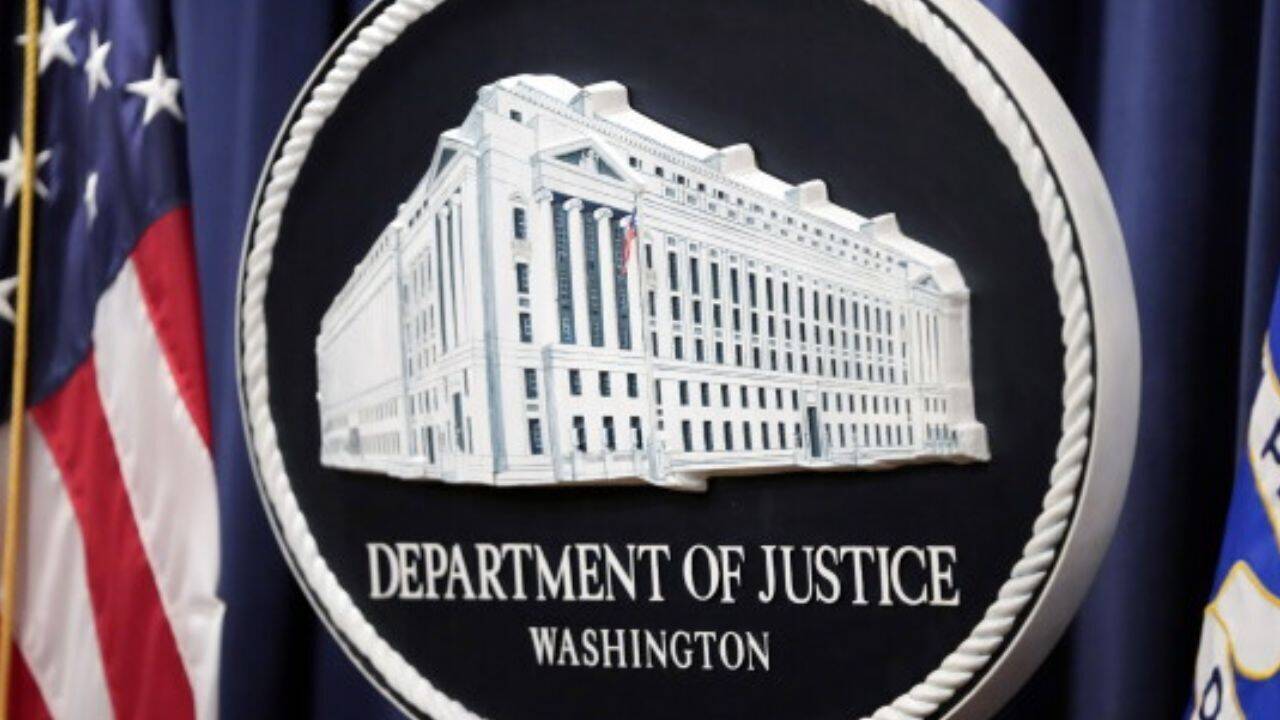
The US Justice Department has asked California to set aside 20,000 mail ballots, claiming they were provided to likely non-citizens. asserted
they → ask → citizens
The administration has also sought to pre-emptively challenge the results of the Senate race in Alaska, where two candidates named Dan Sullivan are on the ballot. asserted
candidates → seek → ballot
So far, the courts have blocked those efforts. asserted
courts → block → efforts
State and local officials have responded to Trump’s attacks by seeking to create guardrails to prevent potential disruptions. asserted
officials → respond → disruptions
Governor Gavin Newsom of California, a Democrat, sent an extraordinary “alert” on Oct 1 to the four US district courts that cover California, warning the judges that the Trump administration may try to seize ballots. And in response to the Justice Department’s plan to dispatch 1,000 federal monitors across the country, some local officials have issued statements saying that monitors are prohibited from crossing into an established perimeter surrounding polling locations, citing state law. uncertain
monitors → send → law
Justin Elicker, the Democratic mayor of New Haven, Connecticut, said the Justice Department told local officials in October that it would be sending two teams of two people to polling sites in the city to ensure New Haven was complying with federal voting requirements on language assistance and disability access. asserted
Haven → say → assistance
The city responded by sending the Justice Department a letter saying the monitors were not welcome to enter any polling locations. asserted
monitors → respond → locations
“They intimidate people not to vote,” Elicker said in an interview. asserted
Elicker → intimidate → interview
“We would prefer that they not be here.” asserted
they → prefer → ?
In discussions with local and state officials, the Justice Department committed to monitoring from outside a 23m-long perimeter, like other observers, and pledged not to interfere with voting, according to Stephanie Thomas, Connecticut’s Democratic secretary of state. uncertain
Department → commit → state
A Justice Department spokesperson said federal monitors do not require approval from the state or local authorities but added that monitors are trained to follow local laws that govern access at polling sites. asserted
that → say → sites
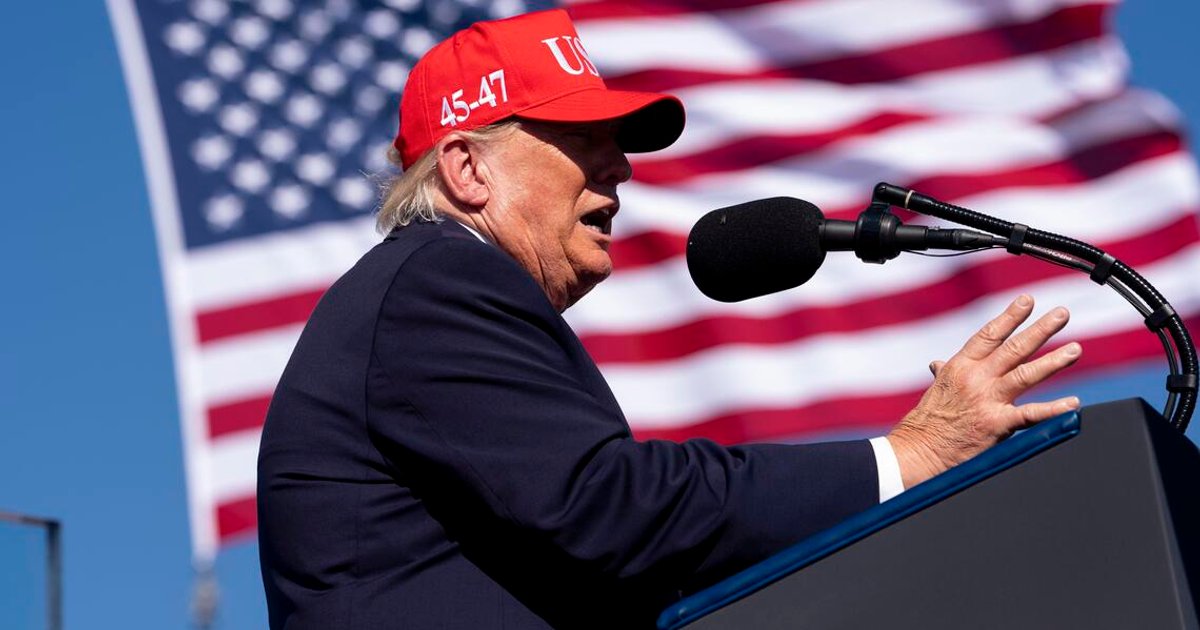
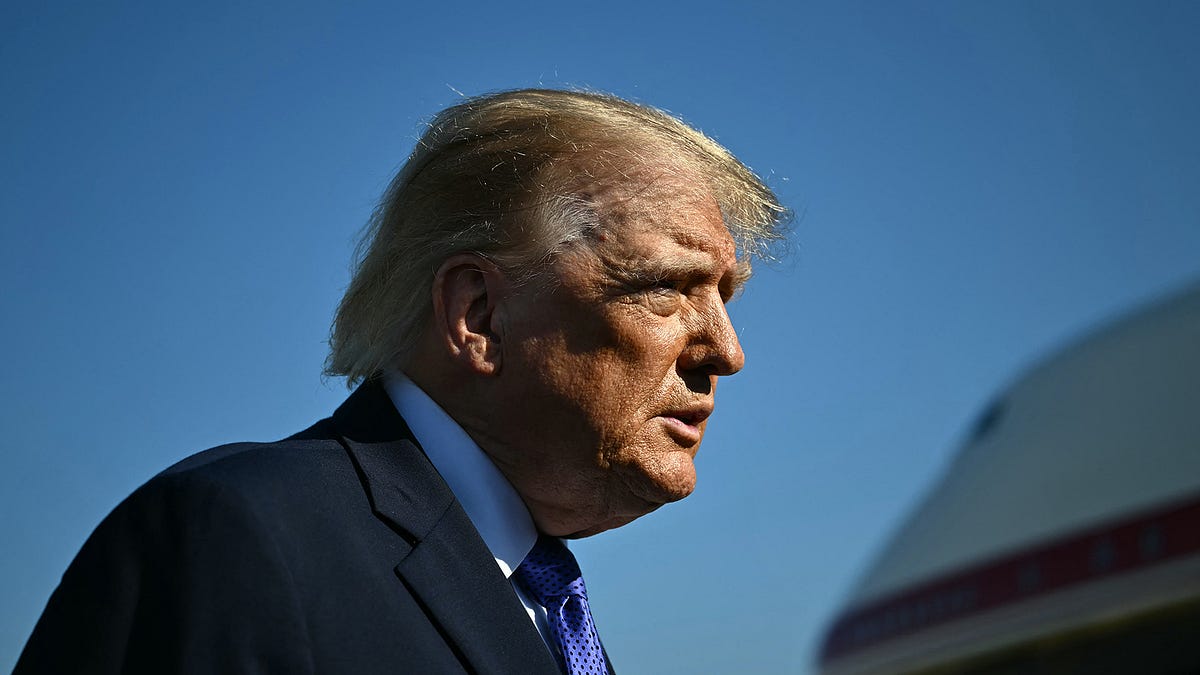
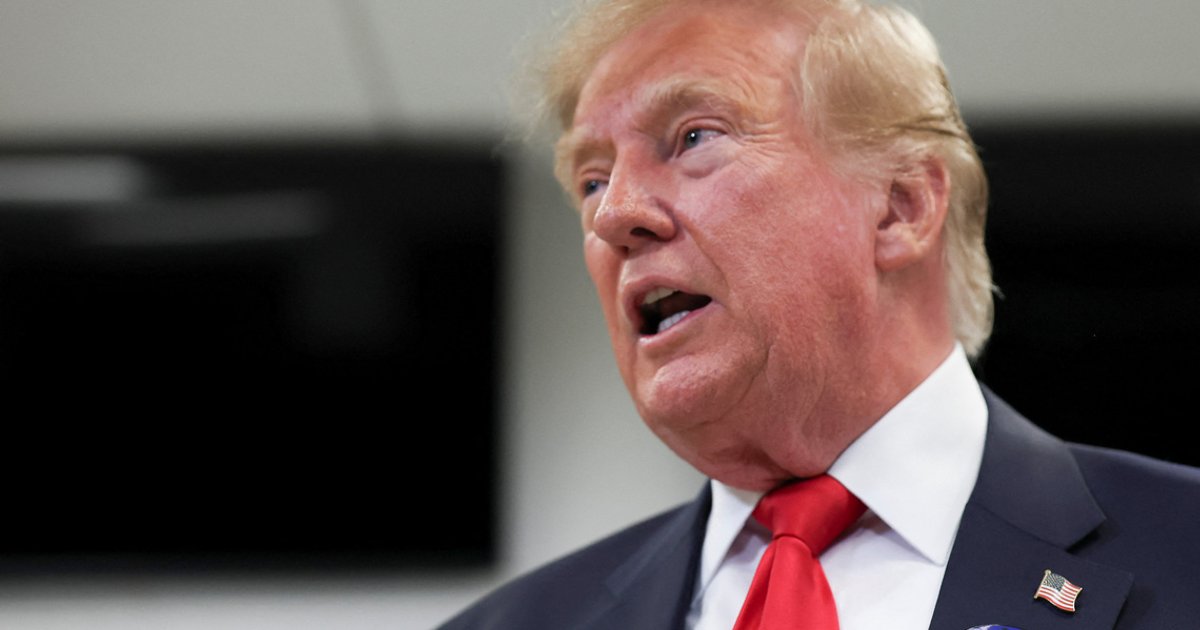
In the final stretch of the midterm campaign, Trump has continued to make unsubstantiated claims that the country’s elections can be manipulated, falsely asserting that there is widespread fraud. “I’m also going to be issuing a US$1 million bonus or reward, or whatever you want to call it, for anybody that reports voter fraud, leading to the arrest and conviction of somebody,” Trump told reporters on Oct 26 before flying to Mississippi for a campaign rally. uncertain
Trump → continue → rally
The President has said the offer applies to past elections, as well as the midterms. asserted
offer → say → elections
Trump’s dangling of a US$1 million reward caps a year in which he has trained the full arsenal of his administration on sowing doubt about the country’s election systems. asserted
he → cap → systems
The White House declined to answer questions about what money would be used to pay for the reward or how Americans should report fraud, and did not address criticism that the financial incentive could spur people to vigilantism. Lauren Bis, a White House spokeswoman, said that Democrats were the ones eroding election security. uncertain
Democrats → decline → security
“They refused to enact common-sense election security measures like voter ID and citizenship verification,” she said in a statement. asserted
she → refuse → statement
“President Trump is right: We have to have honest elections.” asserted
We → have → elections
Despite the inflamed rhetoric, local and state officials said that the authorities tasked with ensuring a safe election are prepared for this moment. asserted
authorities → inflame → moment
“A lot of what has been said has been designed to provoke and cause fear, so we’re paying attention to it, but we’re not going to overreact,” said Aghogho Edevbie, the deputy secretary of state of Michigan, who said that his office has helped conduct about 125 security exercises this cycle. asserted
office → say → exercises
“That is going to cause us to be ready for anything that comes along,” said Edevbie, a Democrat. asserted
Edevbie → go → anything
“You could ask, ‘Was that more preparation because of what’s happening from DC?’ uncertain
what → ask → DC
Gowri Ramachandran, the director of elections and security in the Brennan Center’s Elections and Government Programme, said Americans should not lose faith in poll workers. asserted
Americans → say → workers
“Election officials just really have been working super hard to provide a free and fair election for voters,” Ramachandran said. asserted
Ramachandran → work → voters
“The rhetoric that we see coming out of the administration just does not square with the reality of what election officials and voters are doing. asserted
officials → see → what
And I would say the only way all of that rhetoric works is if people don’t exercise their rights to vote.” asserted
people → say → rights
Nearly three-quarters of voters said they largely trusted that the results of the Nov 3 election would be accurate, including large majorities of Democrats, Republicans and independents, according to a recent New York Times/Siena poll. uncertain
results → say → poll
Still, half of likely voters were worried about Republicans trying to overturn the outcome of the election, while 31% of voters were worried about the possibility of Democrats taking such action. asserted
Democrats → try → action
…and 3 more, not listed.

Give feedback · no sign-in needed

No sign-in needed for now. Your note is sent without a name, so it cannot be answered.

History Support