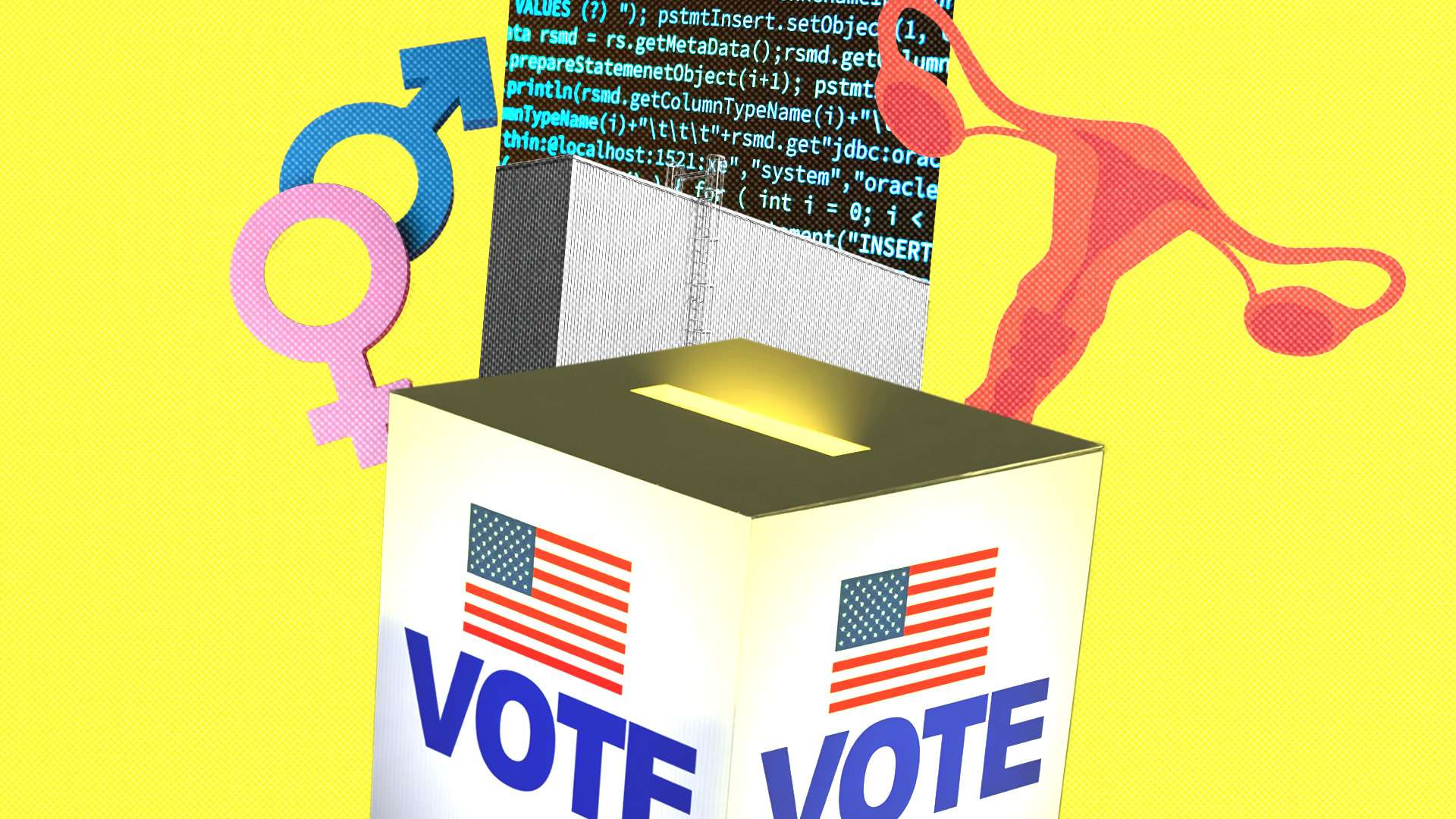
Photo via Reason

Midterms 2026: Data Centers Out, Reproductive Freedom In

Read the original at Reason ↗
Cite

Brown, E. N. (2026, November 4). Midterms 2026: Data Centers Out, Reproductive Freedom In. Reason. https://reason.com/2026/11/04/midterms-2026-data-centers-out-reproductive-freedom-in/

Dated from the outlet's own feed. Check the original for its byline.

Reason · collected 2026-11-04 · by Elizabeth Nolan Brown

Quick Summary

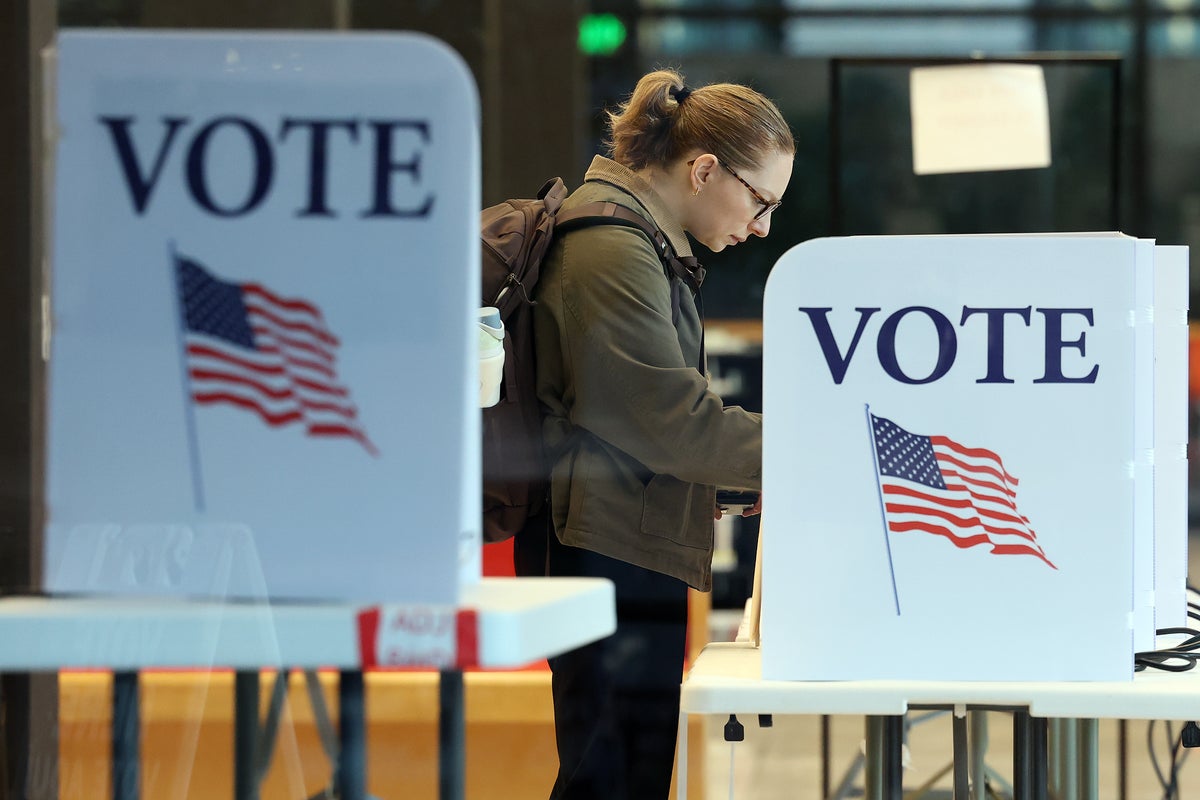
In yesterday's midterm elections, reproductive freedom measures were widely successful while data center initiatives faced rejection. In four states with abortion-related ballot initiatives—Idaho, Missouri, Nevada, and Virginia—only Idaho’s Proposition 1 failed, with 56% voting against it. Meanwhile, Nevada Question 6 and Virginia Question 1 passed with significant margins, affirming reproductive rights until fetal viability. Data center proposals were largely defeated in local ballots across Ohio, Illinois, Maine, Kansas, Wisconsin, Nevada, New Jersey, and an unspecified state.
Written by AI on 2026-11-04, from this article's own text only (the story summary below draws on all the coverage).
See how they differ ↓

AI analysis

Story summary

Voters in several states passed ballot measures protecting reproductive rights during the 2026 midterm elections, delivering a significant victory for pro-choice advocates. Nevada voters approved Question 6, which enshrines abortion rights into their state constitution, with 62.3% of the vote counted showing a strong lead of 62.3% to 37.7%. The measure required ratification in two consecutive even-numbered election years, and it passed both times, securing permanent protection for abortion through the second trimester. Additionally, Missouri voters rejected a Republican-backed amendment that aimed to tighten abortion restrictions across most of the state. These outcomes reflect broader voter disapproval of President Donald Trump’s agenda, particularly regarding his attempts to reshape congressional districts and limit transgender athletes in sports.

Written for “Reproductive Rights Wins in Midterms” on 2026-11-21, grounded in this article and the 5 other(s) covering the same event.

How they differ

6 outlets covered “Reproductive Rights Wins in Midterms”.

What each outlet says

One AI summary per outlet of its latest article on this story, written from that article alone and checked against it. Open the article for the outlet's own words.

ReasonThis outlet4 Nov

In yesterday's midterm elections, reproductive freedom measures were widely successful while data center initiatives faced rejection. In four states with abortion-related ballot initiatives—Idaho, Missouri, Nevada, and Virginia—only Idaho’s Proposition 1 failed, with 56% voting against it. Meanwhile, Nevada Question 6 and Virginia Question 1 passed with significant margins, affirming reproductive rights until fetal…

Midterms 2026: Data Centers Out, Reproductive Freedom In (this article)
Toronto Star3 Nov

Voters across multiple states are deciding on 145 proposed laws and constitutional amendments in Tuesday’s election, with significant implications for abortion rights and redistricting. In Missouri, voters will reconsider an existing abortion ban that allowed exceptions for certain cases, while Idaho, Nevada, and Virginia have measures aimed at protecting abortion rights before fetal viability or up to the second…

Trump’s agenda meets the ballot box as states vote on abortion, redistricting and voter ID mandates →
The Independent4 Nov

Voters across multiple states decided on 145 ballot measures during recent elections, leading to significant victories for abortion rights and setbacks for President Trump’s agenda. In Missouri, voters defeated a GOP-backed amendment that would have tightened restrictions on abortion, reaffirming their earlier decision supporting abortion rights. Virginia also passed an amendment ensuring a constitutional right to…

Voters deliver fresh abortion wins and deal sharp blow to Trump agenda across 145 state ballot measures →
Washington Examiner4 Nov

Nevada voters have passed an amendment to enshrine abortion rights into their state constitution, ensuring protection for abortions through the second trimester. The measure received 62.3% of the vote in Tuesday’s referendum, with a previous approval in 2024. The amendment allows for regulations after fetal viability only when medically necessary. Abortion-rights activists significantly outspent opponents, with over…

Nevada enshrines abortion rights into state constitution in final statewide vote →
NBC News4 Nov

Voters across multiple states decided on various ballot measures related to abortion rights, voter identification, and citizenship requirements during elections. In Nevada and Virginia, voters overwhelmingly supported ballot initiatives that enshrine abortion rights in their state constitutions by margins of at least 24 percentage points. Conversely, Idaho voters rejected a measure that would have created statutory…

Ballot measure takeaways: Voters back abortion rights, along with photo ID and citizenship requirements at the polls →
The Guardian5 Nov

Voters in several states decided on abortion-related ballot measures during the midterm elections, with results largely favoring reproductive rights advocates. Nevada approved an amendment protecting access to abortion through the second trimester, with 62.3% of voters supporting it. Virginia also passed a constitutional amendment ensuring a "fundamental right to reproductive freedom," including protections for…

Reproductive rights protected in several states by midterm election ballot measures →

Where they agree and split

The full story: what happened, how it changed, and all 6 articles →

Compared with similar articles

This article reads leans left and hedges 7% of its claims. Each row says how that neighbour differs.
Toronto Star
Leans left Hedges 5 of 51 claims Outlet record 64/100
The Independent
Leans left Hedges 6 of 67 claims Outlet record 59/100
Washington Examiner
Leans strongly right further right than this Hedges 2 of 61 claims Outlet record 67/100
“The articles discuss different aspects of the midterm elections, with one focusing on Democratic candidates' stances on transgender issues and the other covering reproductive freedom ballot initiatives.”
CBS News
Leans left Hedges 6 of 27 claims Outlet record 66/100
“Both articles discuss the impact of the midterm elections on data centers, but they cover different aspects and details without clearly referring to the exact same specific incident or outcome.”
404 Media
Leans strongly left further left than this Hedges 1 of 40 claims Outlet record 95/100
“While both articles discuss outcomes related to midterm elections on November 4, 2026, they focus on different aspects: Article A covers reproductive freedom and technology issues broadly, while Article B focuses specifically on voter rejection of data centers.”
CBS News
Leans left Hedges 6 of 27 claims Outlet record 66/100
“Both articles discuss the outcomes of the midterm elections on data center policies, but they do not describe the exact same specific incident or occurrence.”
ABC News (US)
Leans left Hedges 10 of 51 claims Outlet record 66/100
“While both articles discuss outcomes from the midterm elections related to data centers and reproductive freedom, they do not describe the exact same specific incident or occurrence.”
CBS News
Leans left Hedges 2 of 11 claims Outlet record 66/100
“While both articles discuss issues related to the midterm elections of 2026, they cover different aspects: Article A focuses on reproductive freedom and abortion ballot initiatives, whereas Article B discusses voter sentiment towards data centers.”
Washington Examiner
Leans right further right than this Hedges 0 of 2 claims Outlet record 67/100
“Article A discusses reproductive freedom initiatives broadly across multiple states, while Article B focuses specifically on restrictive transgender ballot measures passing in Nebraska and Arizona.”
NBC News
Leans left Hedges 0 of 26 claims Outlet record 74/100
“While both articles discuss midterm election results from November 4, 2026, they cover different aspects of the elections (reproductive freedom vs. voter ID and citizenship requirements) and do not focus on the same specific ballot measures or outcomes.”

Story

Reproductive Rights Wins in Midterms
Politics · 6 article(s) covering the same event. Compare every outlet's account →
How this article was measured signals, leaning charts, publisher record, byline, topics and claims

Signals How these are calculated →

Claims extracted
46
sentences that state something as happening or true
Uncertain
7%
3 of 46 hedged ("reportedly", "may", "according to")
Leaning
Leans left
of the writing, not the subject · beta estimate
Publisher signals
67/100
Reason's corrections and hedging, across everything collected from it. Not a measure of accuracy.
Outlets on this story
6
Politics
Same framing elsewhere
1
articles that frame the event the way this one does
Analyzed 2026-11-04 · how these are computed

How this is being covered How these are calculated →

Article leaning vs. publisher reliability
Source leaning vs. consistency

Publisher

Reason · 1464 article(s) · 4 correction(s) detected
Running correction rate · 4 correction(s)

Who wrote this

Elizabeth Nolan Brown
21 article(s) here · 1 carrying a prediction
If I knew I might see colleagues at a sex party, I think I would sit that one out.
2026-11-18 · assertive framing · AI Orgy Gossip Gets Packaged as #MeToo
Given all of this, "Lattarulo is likely to establish that he would not have been searched except for his protected speech," the judge concluded.
Despite being excited to see some Republicans lose control of the Congress, I'm already dreading the Democrats' takeover, especially what it will mean for tech policy.
2026-11-11 · assertive framing · Democrats Have Big Plans for Artificial Intelligence
Likewise, once authorities learn that the public and the courts will stand for one form of age verification—say, asking porn platforms to verify user identities—they're suddenly off on a surveillance spree that won't stop until the whole internet is covered.
Idaho Proposition 1 would have created "a right to reproductive freedom and privacy including a right to abortion up to the point of the fetus's ability to survive outside the womb."
That ad might seem ancillary to how Ramaswamy would govern, but it's not entirely irrelevant.
Violators of the new rules could face two to three years imprisonment.
It will always come back to bite you.
The Department of Health and Human Services (HHS) will let pharmacies produce and sell treatments involving six peptides that aren't specifically approved by the Food and Drug Administration (FDA).
Talking to reporters that same day, Trump just kept repeating that if an ad had been made with his mom calling him a liar, the press would love it.
Also by Elizabeth Nolan Brown
Nothing else under this byline is closely related to this article, so these are simply their most recent.
All 21 articles by Elizabeth Nolan Brown →

Topics

Flock Idaho Missouri Nevada Virginia

Subjects

Ohio GPE · 4× Idaho GPE · 3× Missouri ORG · 3× Nevada GPE · 3× Virginia GPE · 3× California GPE · 2× Florida GPE · 2× Harwood GPE · 2× Illinois GPE · 2× North Dakota GPE · 2×

Narrative

In Arizona, Proposition 318 says that "athletes of the male sex" cannot play on any school sports team designated for girls, women, or females and that people must use the school bathrooms or locker rooms designated for their sex, while defining sex as "an individual's biological status as male or female as recorded at birth."
framing: assertive · carried by 1 article(s) · first seen 2026-11-04
Idaho Proposition 1 would have created "a right to reproductive freedom and privacy including a right to abortion up to the point of the fetus's ability to survive outside the womb."
2026-11-04 · Reason
Midterms 2026: Data Centers Out, Reproductive Freedom In · assertive framing

Claims (46 extracted, 3 hedged)

Nor were automated license plate reader (ALPR) systems like Flock or the idea of letting transgender girls play on girls' sports teams in schools. asserted
girls → automate → schools
Let's take a closer look at how state and local ballot initiatives related to sex, tech, and gender fared among voters in 2026. asserted
initiatives → let → 2026
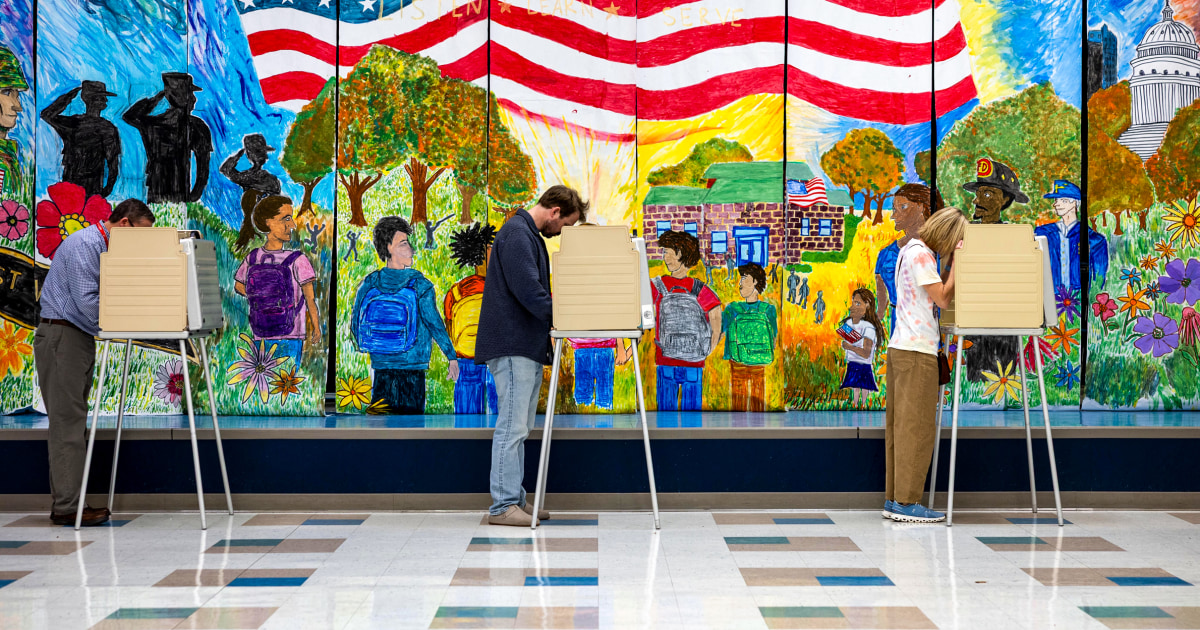
Pro-Choice Wins In 3 Out of 4 States With Abortion-Related Ballot Initiatives Measures related to abortion and broader reproductive freedoms were on the ballot in four states yesterday: Idaho, Missouri, Nevada, and Virginia. asserted
Measures → relate → states
Only in Idaho did those opposed to these things prevail. asserted
those → oppose → things
Idaho Proposition 1 would have created "a right to reproductive freedom and privacy including a right to abortion up to the point of the fetus's ability to survive outside the womb." asserted
Proposition → create → womb
It would also have barred the government from interfering in decisions about "contraсерtion, fertility treatment, and prenatal and postpartum care." asserted
It → bar → contraсерtion
With 95 percent of the votes in, Proposition 1 failed by a fairly large margin, with 56 percent voting no and just 44 percent voting yes. asserted
percent → fail → no
Things went quite differently in Nevada, where voters seem to have overwhelmingly approved of Question 6, creating a constitutional right to abortion until fetal viability in the state. asserted
voters → go → state
With 85 percent of votes in, 63 percent of voters said yes. asserted
percent → say → voters
Virginia voters approved a similar measure. asserted
voters → approve → measure
Virginia Question 1—which passed 62 percent to 38 percent—amends the Virginia constitution to "protect the freedom to make personal decisions about prenatal care, childbirth, postpartum care, birth control, abortion, miscarriage management, and fertility care," per the official ballot title. asserted
which → pass → title
It does so while "allow[ing] for restrictions on access to abortion during the third trimester of pregnancy except when the patient's health is at risk or the pregnancy cannot survive. asserted
pregnancy → do → risk
And in Missouri, where voters already approved a reproductive freedom amendment to the constitution in 2024, they now rejected a proposal to repeal that amendment while also adding a constitutional amendment to prohibit gender transition surgeries for minors. asserted
they → approve → minors
The latter are already illegal under Missouri law, but Missouri Amendment 3 seemingly sought to confuse the issue by claiming that a no vote would "not prohibit gender transition procedures for minors," when really it just keeps the status quo. asserted
it → seek → quo
The amendment failed by nearly 10 full percentage points, with 54.8 percent voting not to repeal and 45.2 percent voting to do so. asserted
percent → fail → points
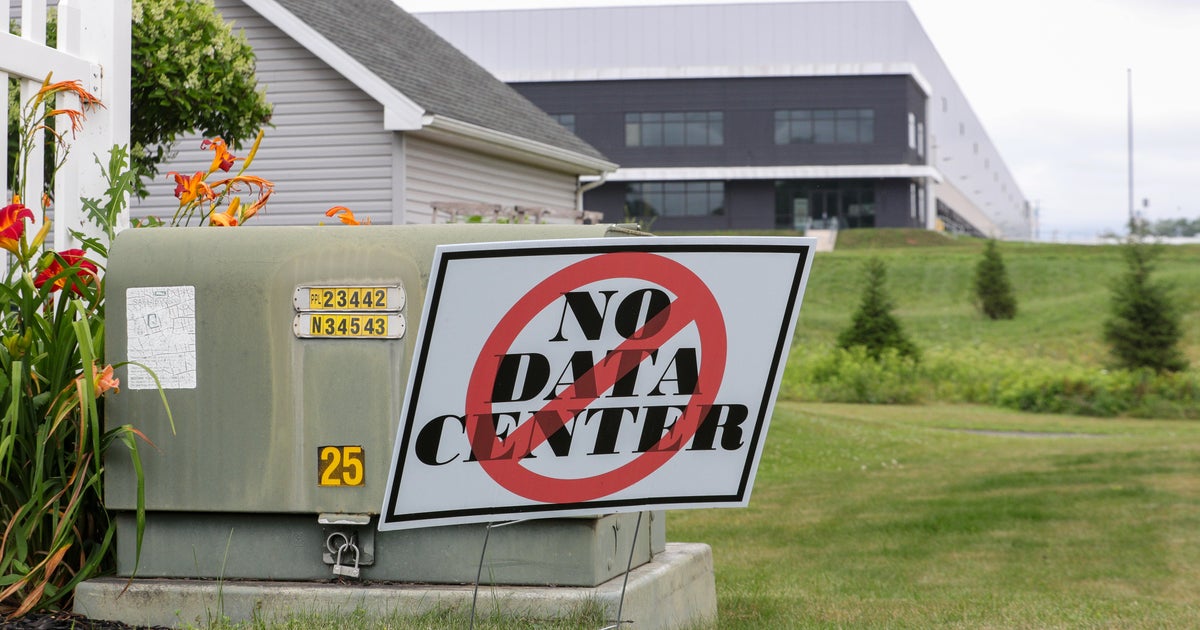
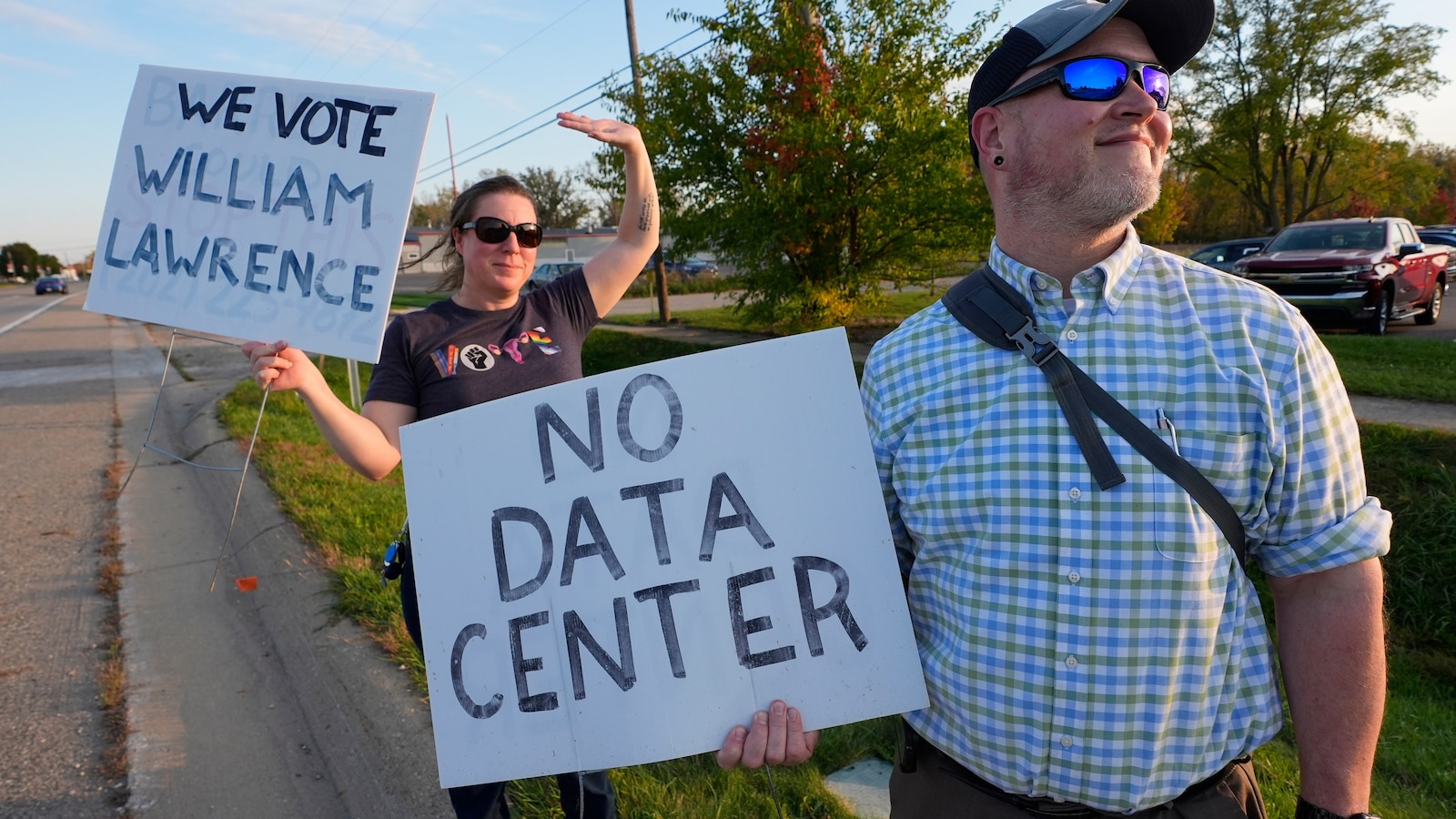
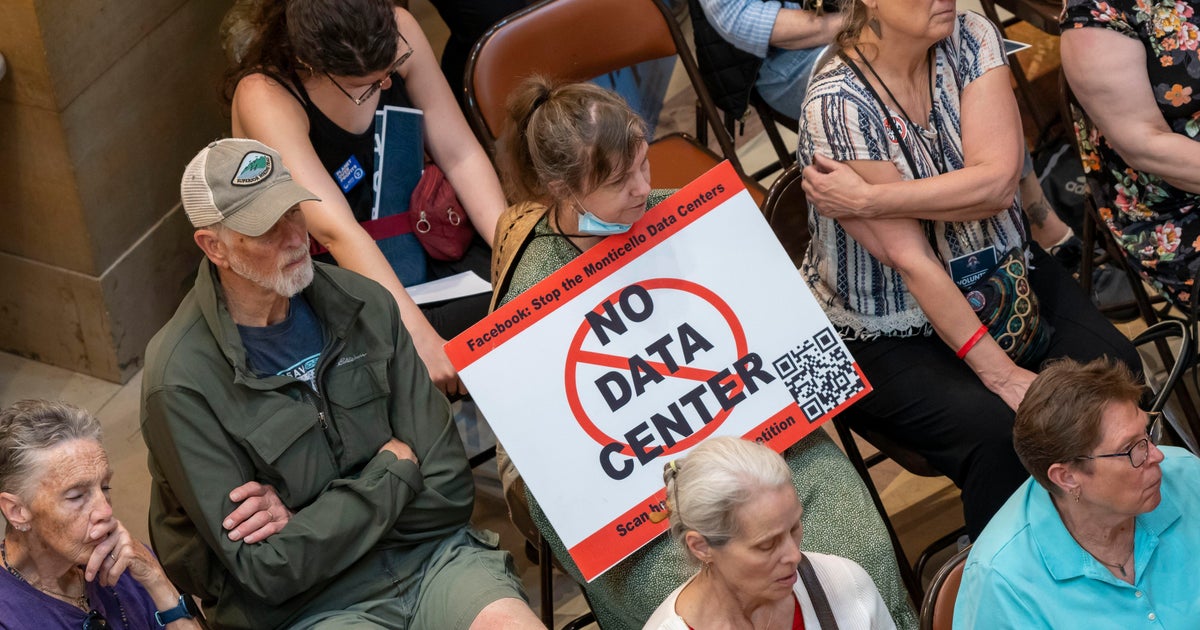
Data Centers Denied in Most Places Where They Appeared on the Ballot Ballot initiatives related to data centers were numerous last night, at least at the local level. asserted
initiatives → deny → level
There were no statewide ballot initiatives related to data centers, but some portion of voters in 10 states weighed in on data centers yesterday. asserted
portion → be → centers
Twenty-one of these local measures appeared on ballots in Ohio, seven in Illinois, four in Maine, three in Kansas, and one each in Wisconsin, Nevada, New Jersey, North Dakota, Florida, and California. asserted
one → appear → Wisconsin
Almost nowhere did a pro–data center initiative pass or an anti-data center initiative fail, according to preliminary results. uncertain
initiative → fail → results
Exceptions include two Ohio cities and Harwood, North Dakota. asserted
Exceptions → include → cities
In Harwood, "the secretary of state's office said 75% of the 430 people that voted rejected an amendment to the city charter that would have required an independent review and public hearing before adopting large industrial projects, including data centers," according to Route Fifty. uncertain
that → say → Route
In the Ohio city of Wilmington, voters supported the rezoning of rural residential land to allow for the construction of a data center. asserted
voters → support → center
And in Granville, Ohio, they opposed amending the city charter to prohibit data centers. asserted
they → oppose → centers
Meanwhile, residents of Alhambra, California, overwhelmingly voted to ban data centers in the city. asserted
residents → vote → city
Voters in Edgewater, Florida, said no new data centers could be built there. uncertain
centers → say → Edgewater
Voters in the Illinois city of Bloomington advised city leaders to impose a moratorium on large-scale data centers, while voters in Morgan County also advised their leaders to impose restrictions. asserted
voters → advise → restrictions
In five other Illinois locales—Chouteau Township, Granite City Township, Joliet Township, Nameoki Township, and Venice Township—voters said no to advising city officials to let data centers exist locally. asserted
centers → say → officials
Similar results can be seen in El Dorado, Emporia, and Ottawa, Kansas; in North Berwick, Peru, Wells, and Wiscasset, Maine; in Downe Township, New Jersey; in Boulder City, Nevada; and in Janesville, Wisconsin. asserted
results → see → Janesville
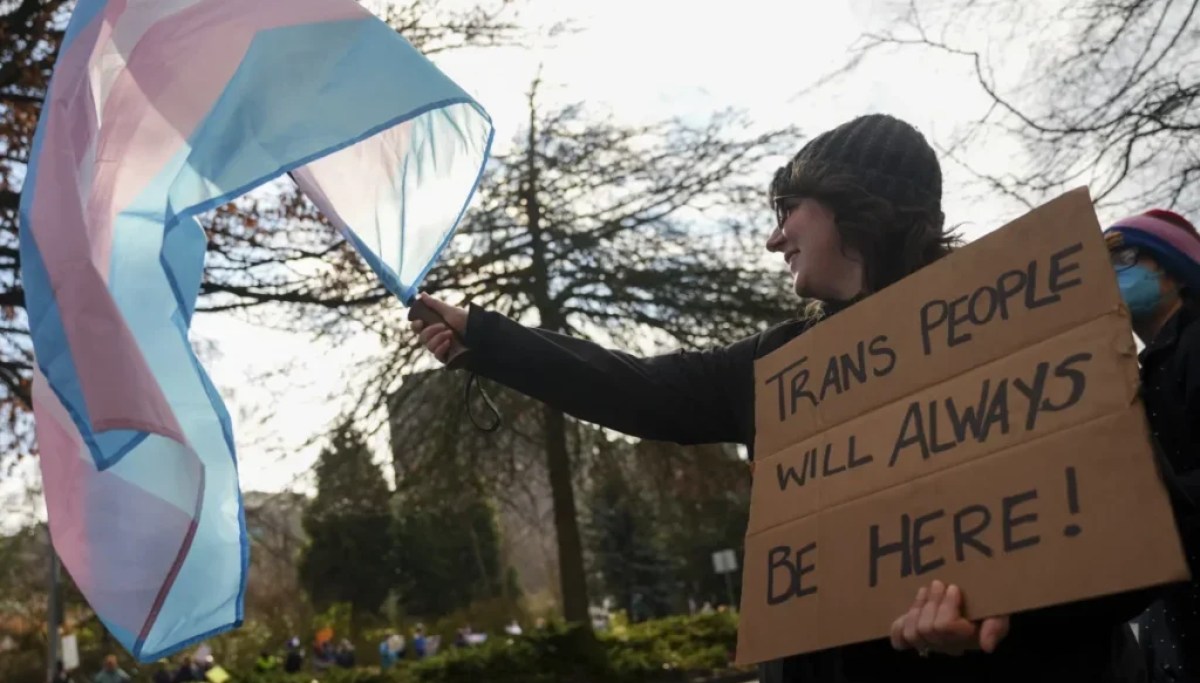
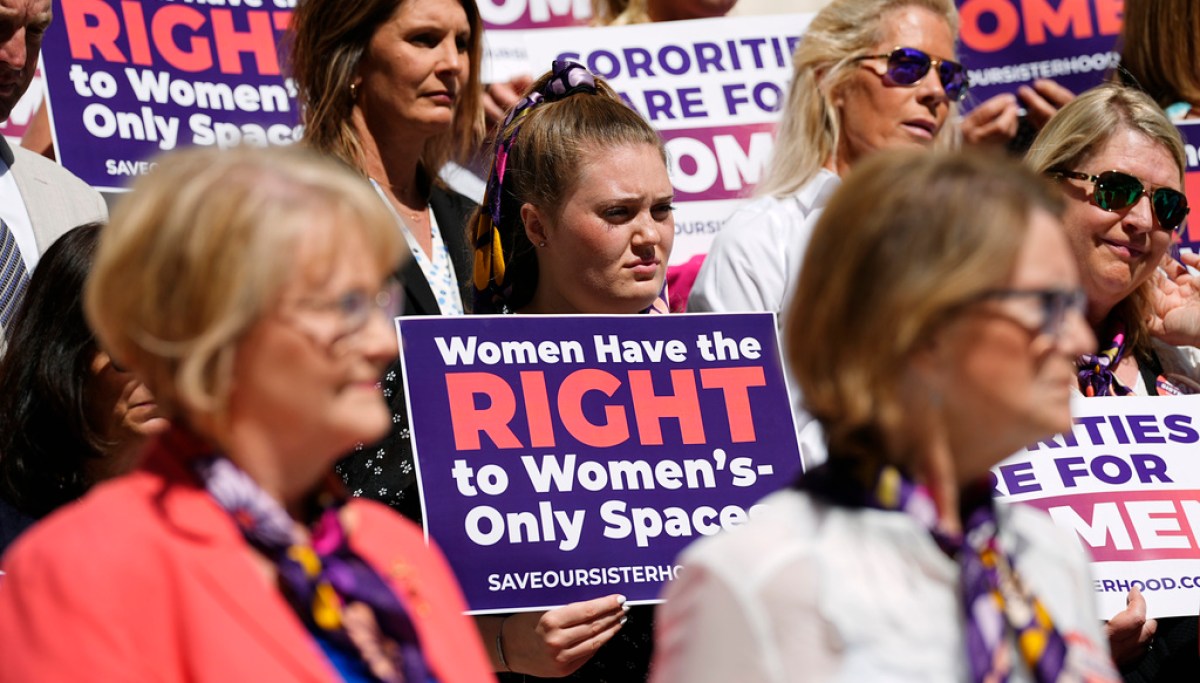
Trans Girls Banned From Girls' Sports Teams in 4 States Measures to segregate school sports teams based on biological sex rather than gender identity were on the ballot in four states yesterday: Arizona, Colorado, Nebraska, and Washington. asserted
Measures → ban → states
All have passed or seem likely to pass. asserted
All → pass → ?
In Arizona, Proposition 318 says that "athletes of the male sex" cannot play on any school sports team designated for girls, women, or females and that people must use the school bathrooms or locker rooms designated for their sex, while defining sex as "an individual's biological status as male or female as recorded at birth." asserted
people → say → birth
With all precincts reporting, 59 percent of Arizona voters have approved. asserted
percent → report → voters
Colorado voters are on their way to passing a similar measure with Proposition 134, which says that school athletic teams designated for girls or women are not open to male participants and defines male as someone "whose biological reproductive system is organized around the production of sperm." asserted
system → pass → sperm
With 80 percent of precincts reporting, it's winning 52 percent to 48 percent. asserted
it → report → 48
Nebraska Initiative Measure 442, stipulating that "athletic teams or sports designated for females, women or girls shall not be open to students of the male sex," was approved by a whopping 68 percent of voters (with 95 percent of precincts reporting). asserted
percent → stipulate → precincts
And, in Washington, a measure to ban "biologically male" students from competing in school girls' and women's athletic teams has passed by TKTKTK. asserted
measure → ban → TKTKTK
Yes votes on Washington Initiative 638—which also requires all student athletes to "provide a statement from the student's healthcare provider verifying the student's biological sex, based on reproductive anatomy, genetic makeup, or normal endogenously produced testosterone levels"—stand at 57 percent as of this writing. asserted
which → require → writing
I'm going to briefly list them: asserted
I → go → them
Virginia Question 2: Voters chose to remove from the state constitution language that prohibits same-sex marriage. asserted
that → choose → marriage
That language is currently irrelevant, given the Supreme Court's decision in Obergefell, but removing it ensures that same-sex marriage remains permitted in Virginia should Obergefell be overturned. asserted
Obergefell → give → Virginia
…and 6 more, not listed.
Give feedback · no sign-in needed

No sign-in needed for now. Your note is sent without a name, so it cannot be answered.

History Support