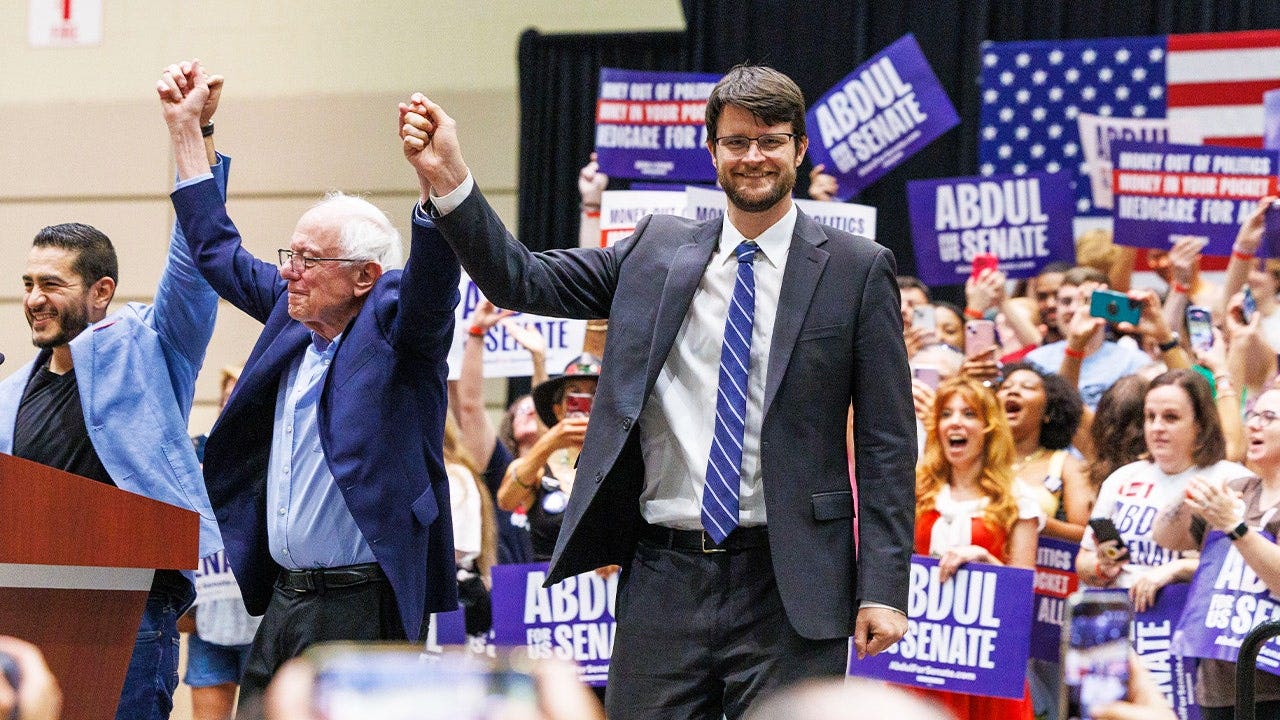
Photo via The Intercept

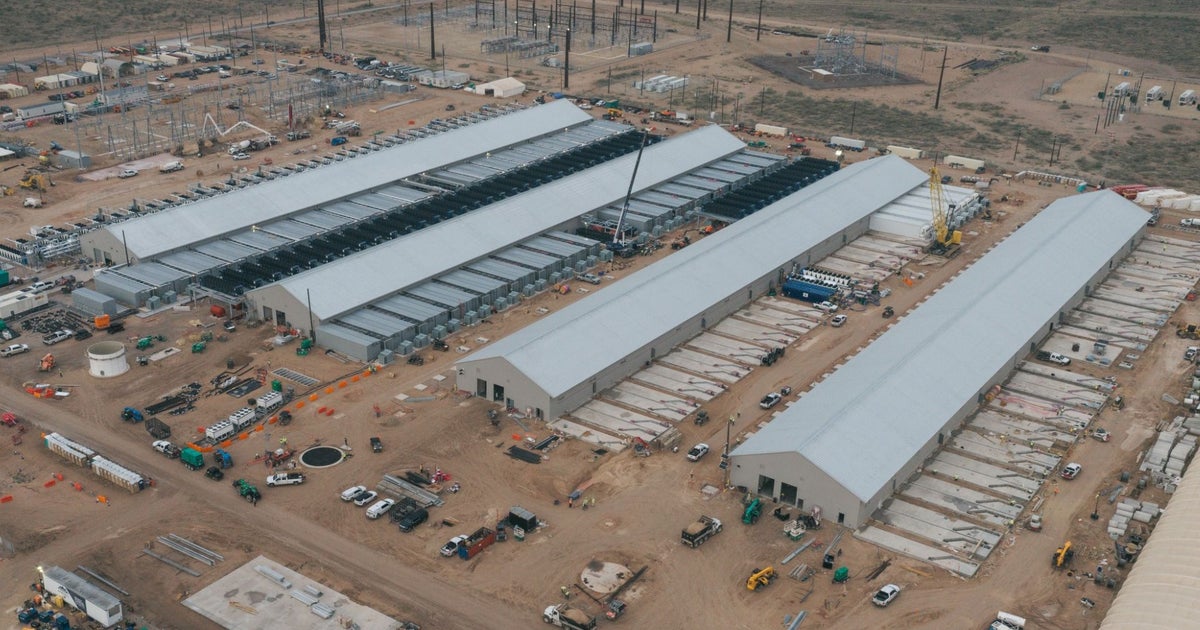
Lesson From Lansing: To Win in Swing Districts, Fight Data Centers

Read the original at The Intercept ↗
Cite

Sledge, M. (2026, November 4). Lesson From Lansing: To Win in Swing Districts, Fight Data Centers. The Intercept. https://theintercept.com/2026/11/04/will-lawrence-michigan-midterms-data-centers/

Dated from the outlet's own feed. Check the original for its byline.

The Intercept · collected 2026-11-04 · by Matt Sledge analysis

Quick Summary

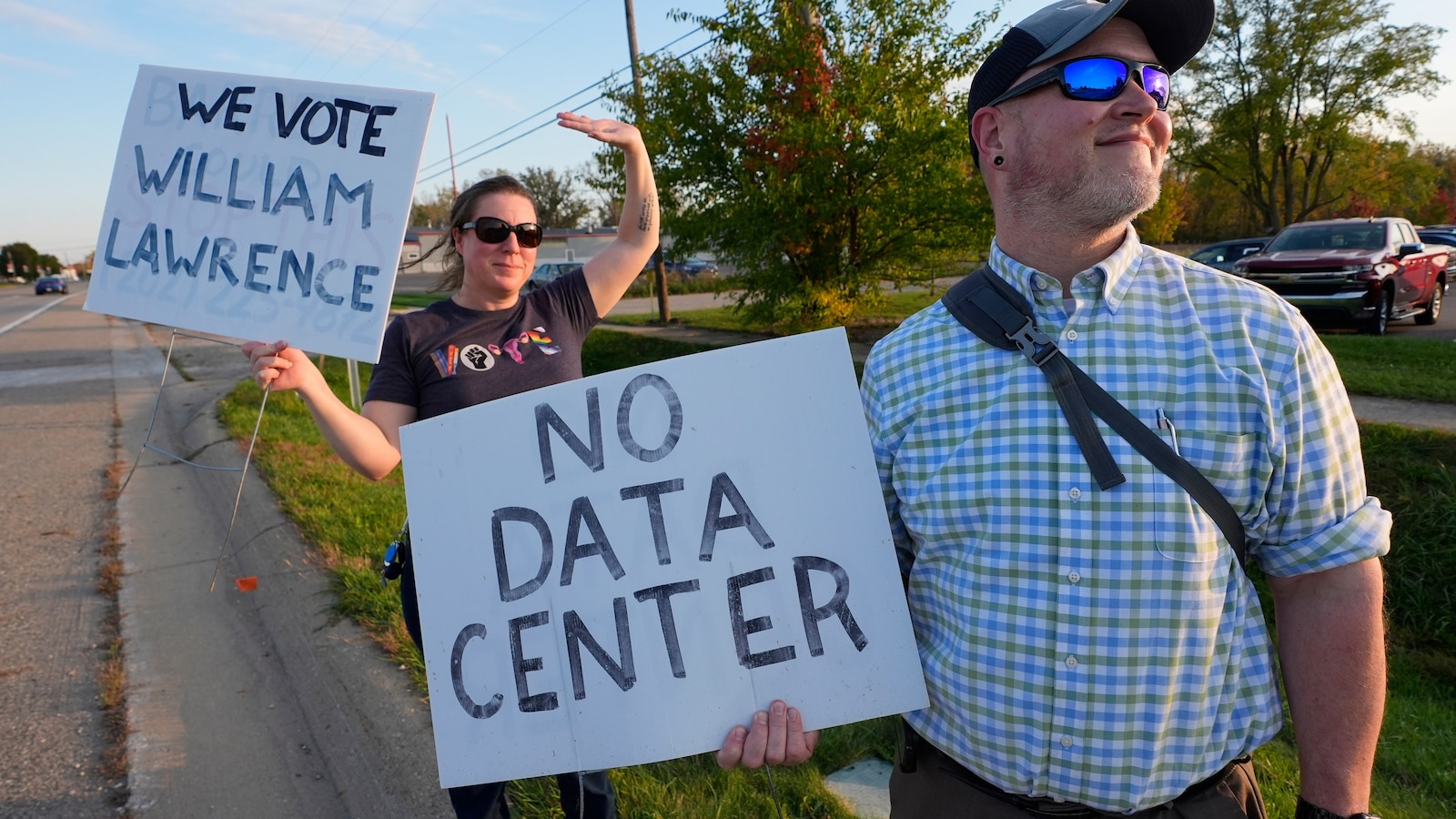
Will Lawrence, a progressive candidate and co-founder of the Sunrise Movement, won Michigan's 7th Congressional District against Republican Rep. Tom Barrett. Lawrence’s victory was influenced by his strong stance against data center development in the district, an issue that resonated with voters despite initial concerns about his electability in a swing district. His campaign focused on calling for a moratorium on new data centers and advocating for environmental regulations and national job programs to address economic impacts of artificial intelligence. Lawrence’s background as an activist helped him frame opposition to corporate behemoths like data center companies as consistent with his past work against issues such as housing evictions and pollution.
Written by AI on 2026-11-04, from this article's own text only (the story summary below draws on all the coverage).
See how they differ ↓

AI analysis

Story summary

William Lawrence, a progressive activist and former member of the Democratic Socialists of America who co-founded the Sunrise Movement, defeated Republican Rep. Tom Barrett in Michigan’s 7th Congressional District on November 4, 2026. The race was one of the most closely watched contests, with national implications for Democrats' efforts to regain control of Congress. Lawrence secured victory with approximately 51% of the vote compared to Barrett's 47.7%, according to NBC News and other major news organizations.

The campaign focused heavily on opposition to data center development in Lansing and surrounding areas. Lawrence advocated for a moratorium on new developments, environmental regulations, and a national jobs program to address AI-related job losses. Despite concerns from some Democrats about his ability to win in a swing district, Lawrence presented a more moderate view towards the end of the campaign, which proved successful.

Barrett, who was first elected in 2024 after flipping the traditionally blue district red, campaigned with former President Donald Trump but still lost ground due to voter concerns over economic issues and data center development. Lawrence’s victory marks a rare win for progressive candidates in competitive districts and signals growing national support for more left-leaning policies.

Written for “Progressive Wins Over GOP in Michigan District” on 2026-11-21, grounded in this article and the 4 other(s) covering the same event.

How they differ

5 outlets covered “Progressive Wins Over GOP in Michigan District”.

What each outlet says

One AI summary per outlet of its latest article on this story, written from that article alone and checked against it. Open the article for the outlet's own words.

The InterceptThis outlet4 Nov

Will Lawrence, a progressive candidate and co-founder of the Sunrise Movement, won Michigan's 7th Congressional District against Republican Rep. Tom Barrett. Lawrence’s victory was influenced by his strong stance against data center development in the district, an issue that resonated with voters despite initial concerns about his electability in a swing district. His campaign focused on calling for a moratorium on…

Lesson From Lansing: To Win in Swing Districts, Fight Data Centers (this article)
Washington Examiner4 Nov

William Lawrence, a progressive candidate, defeated incumbent Rep. Tom Barrett (R-MI) on Wednesday. With 51% of the vote, Lawrence led Barrett who received 47.7%. This race was significant as Barrett had previously won his seat in 2024 by about 4 percentage points, a time when President Donald Trump narrowly won the district.

Progressive William Lawrence unseats Tom Barrett in Michigan →
NBC News4 Nov

William Lawrence, a progressive activist and co-founder of the Sunrise Movement, has defeated Republican incumbent Rep. Tom Barrett in Michigan's 7th Congressional District race. The victory marks a significant win for the Democratic Party’s left wing in a traditionally competitive district. Lawrence campaigned on opposition to local data center development and advocated for strict AI regulations, positioning…

Progressive William Lawrence defeats GOP Rep. Tom Barrett in swing Michigan district →
Fox News4 Nov

Will Lawrence, a far-left Democrat who co-founded the youth climate activism group Sunrise Movement, is projected to win Michigan's 7th Congressional District seat against Republican incumbent Tom Barrett in the 2026 midterms. This victory is part of a larger trend benefiting Democrats and could help them regain control of the House. Lawrence was endorsed by figures like Bernie Sanders and Rashida Tlaib but…

Far-left activist projected to defeat House Republican in heavy blow to GOP majority →
CBS News4 Nov

William Lawrence, a progressive candidate who co-founded the Sunrise Movement, won Michigan's 7th Congressional District race against Republican Rep. Tom Barrett. The district was newly flipped red by Barrett in 2024 but returned to Democratic hands this year. Lawrence focused on issues like cost of living and opposition to data centers, while Barrett took a more moderate stance on these issues and sought support…

Progressive beats GOP Rep. Tom Barrett in key Michigan district →

Compared with similar articles

This article reads leans left and hedges 5% of its claims. Each row says how that neighbour differs.
Fox News
Leans left Hedges 0 of 9 claims Outlet record 66/100
Washington Examiner
Leans left Hedges 1 of 3 claims Outlet record 67/100
NBC News
Leans left Hedges 1 of 17 claims Outlet record 77/100
CBS News
Leans left Hedges 0 of 13 claims Outlet record 66/100
Reason
Leans left Hedges 1 of 23 claims Outlet record 67/100
“While both articles discuss the impact of data centers on elections, Article A focuses specifically on Will Lawrence's victory in a Michigan congressional primary, while Article B provides a broader commentary on how opposition to data centers influenced multiple races across different states.”
CBS News
Leans left Hedges 0 of 1 claims Outlet record 66/100
“Article A reports on Will Lawrence's victory in a congressional race, while Article B discusses how data center development impacted midterm election results more broadly.”
The Straits Times
Hedges 1 of 26 claims Outlet record 64/100
“Article A discusses overall Democratic wins and opponents' success against data centers in midterm elections, while Article B focuses on a specific victory of Will Lawrence in a Michigan congressional primary.”
The Guardian
Leans left Hedges 1 of 20 claims Outlet record 64/100
“Article A discusses a particular congressional race influenced by opposition to data centers, while Article B covers voter rejection of data center proposals in multiple jurisdictions across several states.”
The Intercept
Leans strongly left further left than this Hedges 7 of 53 claims Outlet record 96/100
“Article A focuses on a specific election victory in Michigan's swing district due to opposition against data centers, while Article B discusses broader trends across multiple states and levels of government regarding restrictions on data center development.”
ABC News (US)
Leans left Hedges 10 of 51 claims Outlet record 66/100
“Article A focuses on a specific race in Michigan involving Will Lawrence, while Article B discusses broader trends across multiple states regarding opposition to data centers during midterm elections.”

Story

Progressive Wins Over GOP in Michigan District
Politics · 5 article(s) covering the same event. See how they differ ↑
How this article was measured signals, leaning charts, publisher record, byline, topics and claims

Signals How these are calculated →

Claims extracted
60
sentences that state something as happening or true
Uncertain
5%
3 of 60 hedged ("reportedly", "may", "according to")
Leaning
Leans left
of the writing, not the subject · beta estimate
Publisher signals
96/100
The Intercept's corrections and hedging, across everything collected from it. Not a measure of accuracy.
Outlets on this story
5
Politics
Same framing elsewhere
1
articles that frame the event the way this one does
Analyzed 2026-11-04 · how these are computed

How this is being covered How these are calculated →

Article leaning vs. publisher reliability
Source leaning vs. consistency

Publisher

The Intercept · 205 article(s) · 0 correction(s) detected
No corrections detected for this publisher. That may mean careful reporting, or simply that nothing has been checked.

Who wrote this

Matt Sledge
19 article(s) here · 1 carrying a prediction
He was little known outside the White House before Trump nominated him earlier this month to serve at the Office of the Director of National Intelligence, a Cabinet-level department where he would coordinate legal advice for the 18 different agencies making up the intelligence community.
A proposed “buffer zone” around religious facilities across the country — touted as protecting the right to worship — is alarming free-speech advocates who say the Trump administration could use it to crack down on protests.
Now, Lawkowski could serve in an obscure but crucial role within the nation’s top intelligence agency, the Office of the Director of National Intelligence.
The push for bipartisan relationships began months ago, but it could pay dividends as Democrats take over both chambers of a Congress, said Ella Fanger, the corporate power policy adviser for Demand Progress.
When progressive Will Lawrence beat two moderates in a Michigan congressional primary earlier this year, some Democrats were worried about his ability to win one of the nation’s most evenly divided districts.
Said, who lives in the Arab enclave of Dearborn, Michigan, especially praised El-Sayed’s willingness to buck party leadership and speak out on U.S.–Israel policy.
And some of El-Sayed’s allies worry that the Muslim and Arab-baiting attacks will work.
The industry’s avoidance of the contested races that could determine control of the next Congress suggest that the PACs have realized how the public has soured on the tech, campaign finance and industry observers told The Intercept.
When it was founded a year ago, news reports suggested that Fellowship PAC would concentrate on supporting Republicans.
Now those votes could help Democrats retake Congress — and they will immediately have opportunities to follow through on their anti-war rhetoric.
Also by Matt Sledge
Nothing else under this byline is closely related to this article, so these are simply their most recent.
All 19 articles by Matt Sledge →

Topics

Congress Democrats Michigan Republican The Intercept

Subjects

Lawrence PERSON · 12× Democrats NORP · 4× Barrett PERSON · 3× Michigan GPE · 3× Republicans NORP · 3× Congress ORG · 2× Republican NORP · 2× The Intercept ORG · 2× Tom Barrett PERSON · 1× Will Lawrence PERSON · 1×

Narrative

I think voters across ideologies were speaking with one voice, and I think their opponents were some of the people most willing to silence voters and accept industry cash instead,” said Alex Bores, who became a national figure by arguing for stricter AI regulations during a failed New York congressional primary bid earlier this year.
framing: assertive · carried by 1 article(s) · first seen 2026-11-04
When progressive Will Lawrence beat two moderates in a Michigan congressional primary earlier this year, some Democrats were worried about his ability to win one of the nation’s most evenly divided districts.
2026-11-04 · The Intercept
Lesson From Lansing: To Win in Swing Districts, Fight Data Centers · assertive framing

Claims (60 extracted, 3 hedged)

When progressive Will Lawrence beat two moderates in a Michigan congressional primary earlier this year, some Democrats were worried about his ability to win one of the nation’s most evenly divided districts. asserted
Democrats → beat → districts
Early Wednesday morning, Lawrence claimed victory over Republican Rep. Tom Barrett. asserted
Lawrence → claim → Barrett
(National news organizations such as The Associated Press had not called the race as of Wednesday morning.) asserted
organizations → call → morning
A national swing in favor of Democrats helped him — but so did a campaign that leaned heavily on opposition to data centers to situate Lawrence as a populist instead of an extremist. asserted
that → help → populist
Data centers were on voters’ minds everywhere, but they rarely dominated a race as much as the 7th Congressional District of Michigan. asserted
they → dominate → Michigan
Lawrence vocally opposed data center construction almost as soon as he began running last year. asserted
he → oppose → construction
A series of proposed hyperscale developments in and around Lansing pushed the issue into the limelight. asserted
series → propose → limelight
A month and a half before the election, Lawrence announced a data center platform calling for a moratorium on new development, environmental regulations, and a national jobs program to replace work taken away by artificial intelligence. asserted
Lawrence → announce → intelligence
As progressives take stock of the 2026 midterms, Lawrence’s approach points one way forward for their wing of the Democratic Party. asserted
approach → take → Party
Lawrence’s opponent tried to turn his time as an environmental activist into a liability, but in an interview with The Intercept, Lawrence said his background primed him to come down on the same side as the public on a red-hot issue like data centers. asserted
background → try → centers
“I fought against Wall Street landlords trying to kick people out of their homes. asserted
I → fight → homes
I fought against oil companies who are polluting our air and water,” he told The Intercept in an interview last month. asserted
he → fight → interview
“So for me, this was not the first time that I’ve stood on the line against a corporate behemoth like this. asserted
I → stand → this
From Sunrise to Congress Lawrence is a co-founder of the Sunrise Movement, which had one of its most famous moments when its youth activists marched into the office of then-House Speaker Nancy Pelosi to push for the Green New Deal with Rep. Alexandria Ocasio-Cortez, D-N.Y., by their side in 2018. asserted
activists → have → 2018
Data centers and AI were remote issues for voters then, but they were starting to bubble up in the public consciousness by the time Lawrence announced his run for Congress in August 2025. asserted
Lawrence → start → August
Two months later, one of his first moves as a candidate was to visit public meetings in two small townships in Michigan to express his opposition to proposed data center developments. asserted
one → visit → developments
As a former member of the Democratic Socialists of America, he drew skepticism from many observers over his ability to win the primary in a district that narrowly voted for Donald Trump in 2024. asserted
that → draw → 2024
They were equally skeptical of his ability to beat Barrett, a Republican who tried to play up his moderate bona fides in the race’s final weeks. asserted
who → beat → weeks
Barrett was one of a handful of Republicans to vote in favor of a resolution to end the Iran war, for instance. asserted
Barrett → vote → instance
Lawrence had some major liabilities in a purple district, including tweets where he wrote “fuck the nuclear-family home” and told then-Democratic Sen. Joe Manchin in a song to “hurry up and die.” asserted
he → have → song
While Barrett leaned on those posts and Lawrence’s time with the DSA to cast his opponent as an extremist, the young progressive had a card up his sleeves in the form of the data center issue. asserted
progressive → lean → issue
It is the rare cause that leaps across party lines to unite Republicans and Democrats who are just as worried about water sources drying up and ceaseless buzzing sounds. asserted
who → leap → sources
At an October 5 city council meeting in the quaint town of Mason, where a developer has proposed a hyperscale data center on a plot of picturesque farmland, Democrats and Republicans alike said they were outraged. asserted
they → propose → farmland
Some residents said they would sell their house and leave town if the development is built. asserted
development → say → town
In a sign of how politically charged the issue has become, many of the speakers were candidates for office angling for votes. asserted
many → become → votes
Lawrence had dropped by himself a few weeks before. asserted
Lawrence → drop → himself
His first television ad centered on his opposition to the Mason project. asserted
ad → center → project
Karl Sime, a Mason resident who crisscrossed the area on behalf of Democratic candidates, told The Intercept last month that “100 percent” of voters were angry about the data center proposed for the swath of farmland just outside city limits. asserted
percent → crisscross → limits
“Sometimes they’ll just say it unprovoked,” he said. asserted
he → say → ?
“You can see the body language just dramatically change into anger.” asserted
language → see → anger
Republican Countermoves Lawrence was hardly the only candidate who tried to tap into opposition to data centers. asserted
who → try → centers
Some Republicans tried to catch the wave as well. asserted
Republicans → try → wave
Barrett voted for the One Big Beautiful Bill, which included tax breaks that could benefit rural data center developers. uncertain
that → vote → developers
But as the danger he faced in the election became clear, he proposed legislation in Congress that would ban local officials from signing non-disclosure agreements with developers and would allow local communities to set regulations on data centers without federal interference. asserted
communities → face → interference
Some voters said they wanted to see candidates take a harder stance in favor of regulation, however. asserted
candidates → say → regulation
At the City Council meeting last month, Doug DeLind said he was left shaking his head at neighbors who had yard signs opposing data centers and supporting Barrett. asserted
who → say → Barrett
DeLind, a sculptor who lives near the proposed data center, said that Barrett’s position was that “we’re going to leave it up to the local communities, but we’re not going to provide any federal protection or any guidelines to what a data center can do.” asserted
center → live → what
Although Mason faces a more imminent possibility of a massive data center, Americans across the country are worried about having one in their backyard. asserted
Americans → face → backyard
Multiple surveys showed a remarkable shift in public opinion on the subject over the past year. asserted
surveys → show → year
Half of Americans oppose a data center being built within 3 miles of their house, according to a recent Politico poll. uncertain
Half → oppose → poll
…and 20 more, not listed.

Give feedback · no sign-in needed

No sign-in needed for now. Your note is sent without a name, so it cannot be answered.

History Support