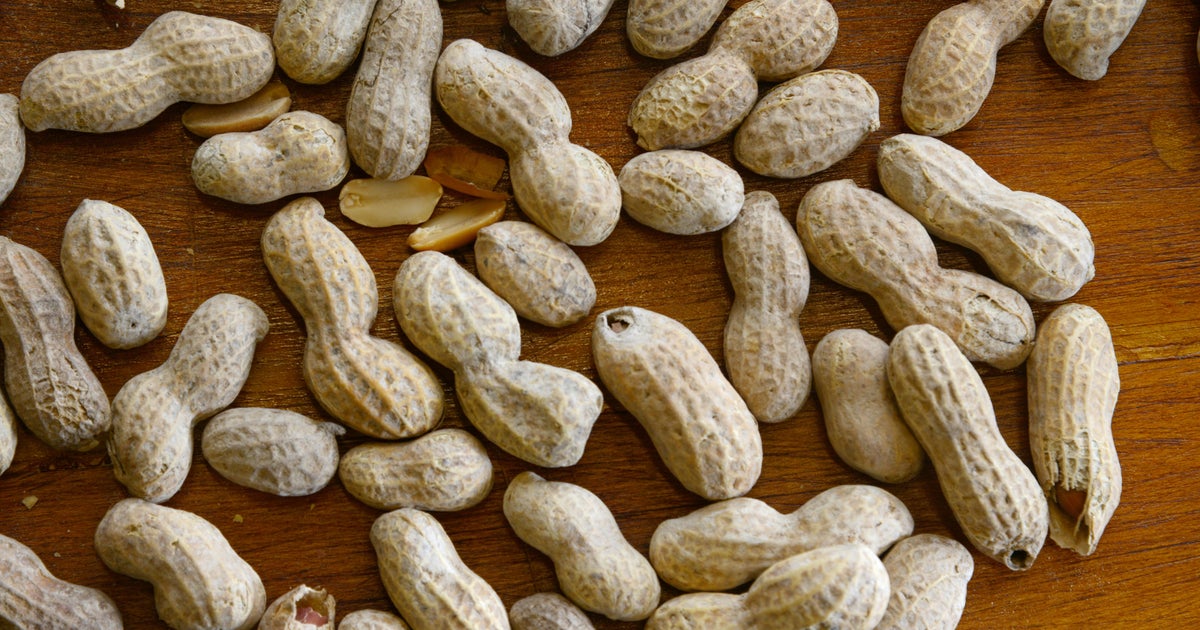
Photo via CBS News

Peanut allergy study finds babies should be retested. Here's what to know.

Read the original at CBS News ↗
Cite

Osborne, M. (2026, November 5). Peanut allergy study finds babies should be retested. Here's what to know. CBS News. https://www.cbsnews.com/news/peanut-allergy-infants-diagnosis-study/

Dated from the outlet's own feed. Check the original for its byline.

CBS News · collected 2026-11-05 · by Mark Osborne

Quick Summary

A new study from Australia suggests that one-third of babies diagnosed with a peanut allergy can safely have their diagnosis removed after undergoing a supervised oral food challenge. The research, published in The Journal of Allergy and Clinical Immunology, involved infants who had previously tested positive for a peanut allergy but showed no adverse reaction when exposed to increasing amounts of peanuts under medical supervision. Experts recommend that parents consider having their children retested through this method rather than relying solely on initial testing results or self-administered challenges at home due to safety concerns.
Written by AI on 2026-11-05, from this article's own text only (the story summary below draws on all the coverage).
See how they differ ↓

AI analysis

Story summary

A landmark study led by the Murdoch Children’s Research Institute and the National Allergy Centre of Excellence in Australia found that more than one-third of infants thought to have a peanut allergy can safely eat peanuts without reacting. The research, published in The Journal of Allergy and Clinical Immunology, involved 10 paediatric hospitals across Australia and showed that 35% of babies who had previously reacted to peanuts and tested positive through skin prick or blood tests did not react during supervised oral food challenges. This paradigm-shifting discovery could lead to changes in how peanut allergies are diagnosed, potentially removing many children’s allergy diagnoses. The study highlights the importance of using oral food challenges more routinely for infants suspected of having a peanut allergy.

Written for “Peanut Allergy Study Clears Babies” on 2026-11-21, grounded in this article and the 3 other(s) covering the same event.

How they differ

2 outlets covered “Peanut Allergy Study Clears Babies”.

What each outlet says

One AI summary per outlet of its latest article on this story, written from that article alone and checked against it. Open the article for the outlet's own words.

Sydney Morning Herald4 Nov

A new study from Australia reveals that one in three babies suspected of having a peanut allergy do not actually have it, challenging current diagnostic methods. Conducted by the Murdoch Children’s Research Institute and the National Allergy Centre of Excellence with ten pediatric hospitals, the research involved medically supervised oral food challenges for 778 babies who had previously shown allergic reactions to…

One in three babies with suspected peanut allergies cleared of the condition in landmark study →2 articles from Sydney Morning Herald on this story
ABC News (AU)5 Nov

Murdoch Children's Research Institute research reveals that over one third of infants previously diagnosed with peanut allergies may not actually have an allergy, based on results from oral food challenges. The study involved 1,275 infants across five Australian states and found that many children who had a history of reactions to peanuts and positive allergy tests did not react during supervised challenges…

Research could reverse peanut allergy diagnosis for some infants →

Compared with similar articles

This article reads unscored and hedges 33% of its claims. Each row says how that neighbour differs.
ABC News (AU)
Hedges 5 of 30 claims Outlet record 67/100
The Sydney Morning Herald
Outlet record 61/100
The Sydney Morning Herald
Hedges 5 of 39 claims Outlet record 61/100

Story

Peanut Allergy Study Clears Babies
Health · 4 article(s) covering the same event. See how they differ ↑
How this article was measured signals, leaning charts, publisher record, byline, topics and claims

Signals How these are calculated →

Claims extracted
15
sentences that state something as happening or true
Uncertain
33%
5 of 15 hedged ("reportedly", "may", "according to")
Leaning
not political
takes no side on a contested political question
Publisher signals
66/100
CBS News's corrections and hedging, across everything collected from it. Not a measure of accuracy.
Outlets on this story
4
Health
Same framing elsewhere
1
articles that frame the event the way this one does
Analyzed 2026-11-05 · how these are computed

How this is being covered How these are calculated →

Article leaning vs. publisher reliability
Source leaning vs. consistency

Publisher

CBS News · 5978 article(s) · 11 correction(s) detected
Running correction rate · 11 correction(s)

Who wrote this

Mark Osborne
25 article(s) here · 1 carrying a prediction
"While we may have substantial property damage, we've got vehicles that are damaged, businesses that are damaged, right now we have absolutely no one that has lost their life from this storm," Brevard County Sheriff Wayne Ivey said at a press conference Thursday.
"Every once in a while you might have one, unfortunately we call it a 'squirter,' that makes its way through," Hegseth said at the time.
2026-11-16 · assertive framing · U.S. families demand answers on Iran war deaths
I would have never intentionally made those noises or gestures toward a person of color.
Could President Trump forgive his opponents if it meant eternal paradise?
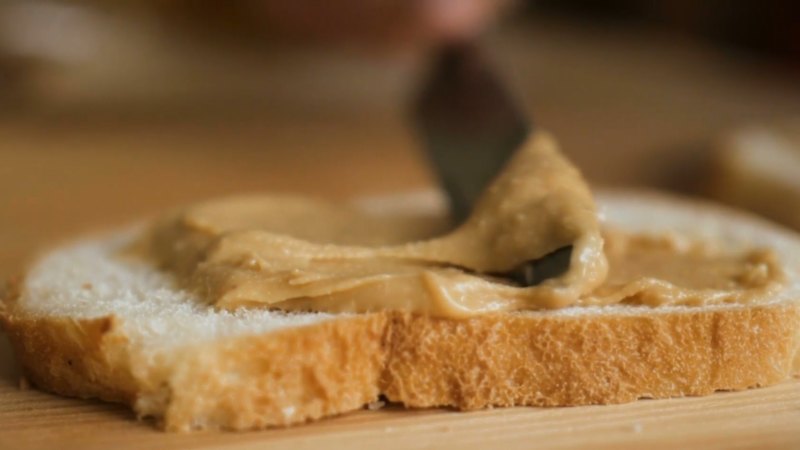
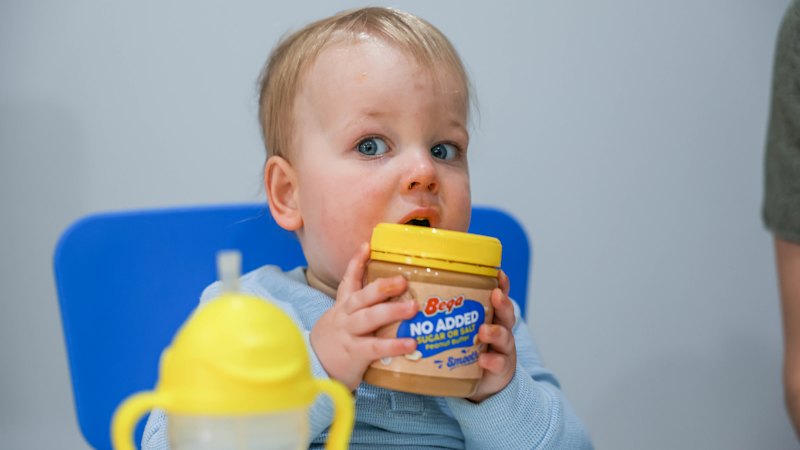
More than one-third of babies thought to have a peanut allergy could safely have the diagnosis removed, according to research from the Murdoch Children's Research Institute and the National Allergy Centre of Excellence, published this week in The Journal of Allergy and Clinical Immunology.
But you might've found out sooner than she did.
Golden State star Gabby Williams paced the Valkyries with 30 points, 4 blocks and 3 steals in 38 minutes.
2026-11-01 · assertive framing · Golden State wins first WNBA title in franchise history
One witness, a media attendee, noted she could be heard loudly snoring about one hour after the procedure had started.
In before Hubbard took off from St. Petersburg, his son, friar Joseph Coleman said he sounded better than he had during their last conversation in May 2025."I want to embrace him as a son embraces his father.
Mississippi Attorney General Lynn Fitch announced this week that no charges would be filed against the officer who opened fire on the car, striking and killing Kohen Wiley in the June 14 incident.
Also by Mark Osborne
Nothing else under this byline is closely related to this article, so these are simply their most recent.
All 25 articles by Mark Osborne →

Topics

Australia The Journal of Allergy and Clinical Immunology the Murdoch Children's Research Institute the National Allergy Centre of Excellence the United States

Subjects

Australia GPE · 1× CBS News ORG · 1× Elliott PERSON · 1× Kirsten Perrett PERSON · 1× National Allergy Centre of Excellence ORG · 1× Tania Elliott PERSON · 1× The Journal of Allergy and Clinical Immunology ORG · 1× the Murdoch Children's Research Institute ORG · 1× the National Allergy Centre of Excellence ORG · 1× the United States GPE · 1×

Narrative

"Oral food challenges are not currently used routinely for every infant with suspected peanut allergy," National Allergy Centre of Excellence Director Kirsten Perrett said in a statement.
framing: mixed · carried by 1 article(s) · first seen 2026-11-05
More than one-third of babies thought to have a peanut allergy could safely have the diagnosis removed, according to research from the Murdoch Children's Research Institute and the National Allergy Centre of Excellence, published this week in The Journal of Allergy and Clinical Immunology.

Claims (15 extracted, 5 hedged)

It's one of the most common hardships for parents with young kids — policing what their children eat when they are diagnosed with a peanut allergy. asserted
they → police → allergy
About one in 50 kids in the United States has a peanut allergy. asserted
kids → have → allergy
But a new study from Australia shows parents should consider having their kids retested. asserted
kids → show → Australia
More than one-third of babies thought to have a peanut allergy could safely have the diagnosis removed, according to research from the Murdoch Children's Research Institute and the National Allergy Centre of Excellence, published this week in The Journal of Allergy and Clinical Immunology. uncertain
diagnosis → think → Allergy
Infants in the study had recently had a reaction to peanuts and then tested positive for a peanut allergy. asserted
Infants → have → allergy
However, 34.8% of those infants who tested positive were then found not to have an allergic reaction when given slowly increasing doses of peanuts under strict medical supervision, according to the study. uncertain
who → test → study
Oral food challenges aren't being used enough, according to those who conducted the study, as most parents rely on testing alone. uncertain
parents → use → testing
"Oral food challenges are not currently used routinely for every infant with suspected peanut allergy," National Allergy Centre of Excellence Director Kirsten Perrett said in a statement. asserted
Perrett → use → statement
"But our results show that clinical history and allergy testing alone were not enough to accurately diagnose peanut allergy in many cases. asserted
history → show → cases
A supervised oral food challenge should be routinely considered to confirm the diagnosis before an infant starts oral immunotherapy. asserted
infant → consider → immunotherapy
" Those who did not have an adverse reaction during the oral food challenge were considered peanut tolerant and had their allergy label removed, according to the study. But parents should never attempt doing a similar challenge on their own, experts warn. uncertain
experts → have → own
"If you have an infant that was diagnosed with a peanut allergy, it may make sense to have a conversation with your allergist about ... an oral food challenge," CBS News medical contributor and immunologist Dr. Tania Elliott told "CBS Mornings." uncertain
Elliott → have → Mornings
"This is not something to try at home — 12% of those babies had anaphylaxis. asserted
% → try → anaphylaxis
OK, so this needs to happen in a monitored setting in the doctor's office, where they're given small amounts of peanut to determine if they're still allergic." asserted
they → need → peanut
"And all children should be retested, even if they have allergies, every year to determine whether or not they still have the allergy," Elliott added. asserted
Elliott → reteste → allergy
Give feedback · no sign-in needed

No sign-in needed for now. Your note is sent without a name, so it cannot be answered.

History Support