Photo via CBS News

Spacewalkers complete space station solar power upgrade

Read the original at CBS News ↗
Cite

Harwood, W. (2026, November 5). Spacewalkers complete space station solar power upgrade. CBS News. https://www.cbsnews.com/news/spacewalkers-install-final-solar-array-space-station-upgrade/

Dated from the outlet's own feed. Check the original for its byline.

CBS News · collected 2026-11-05 · by William Harwood

Quick Summary

Two astronauts completed a six-hour and 59-minute spacewalk to install an eighth and final roll-out solar wing on the International Space Station (ISS), marking the end of a five-year upgrade project that started in 2021. The installation of this new panel boosts the station's power output by 40%, addressing age-related degradation affecting its original arrays over two decades. Each new roll-out solar array, or IROSA, measures 63 feet when fully extended and is more efficient despite being half the size of the old panels due to advanced solar cells.
Written by AI on 2026-11-06, from this article's own text only (the story summary below draws on all the coverage).
See how they differ ↓

AI analysis

Story summary

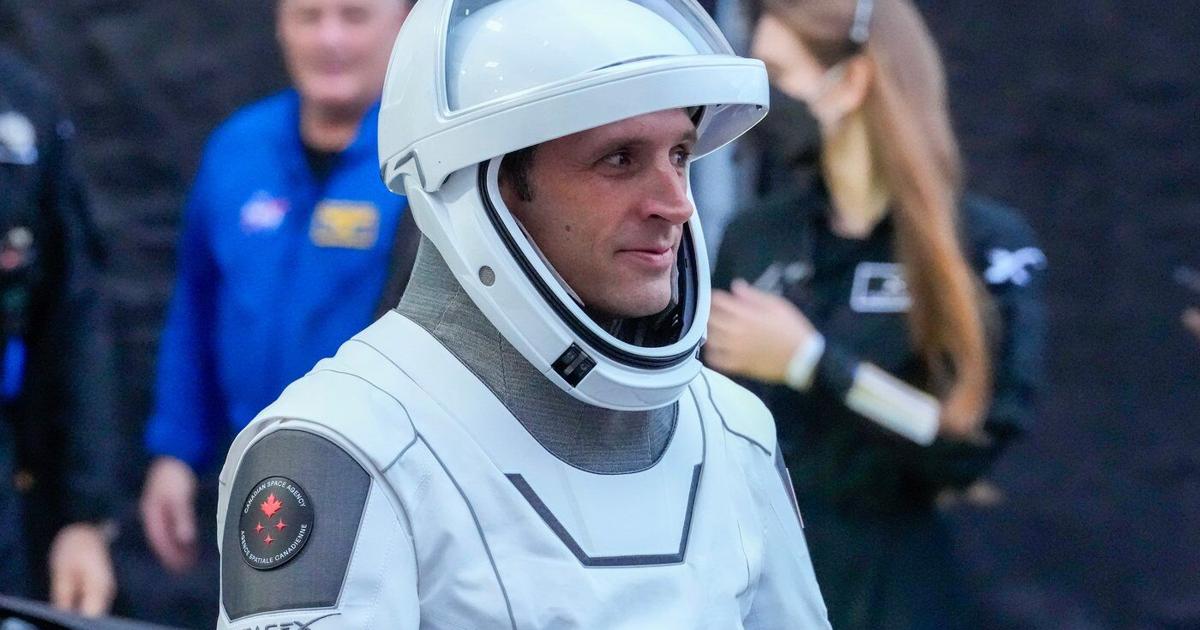
Canadian astronaut Joshua Kutryk completed his second spacewalk, lasting more than six hours, as part of efforts to upgrade the International Space Station's (ISS) solar power system. On November 5, 2026, Kutryk and NASA astronaut Anil Menon installed the eighth and final roll-out solar array (IROSA), marking the completion of a five-year project that began in 2021. This installation increases the station’s power capacity by up to 30%, addressing degradation from aging original arrays. The Canadian Space Agency reports that spacewalks are among the most challenging and hazardous tasks for astronauts but essential for maintenance and upgrades. Kutryk is now the fifth Canadian astronaut to perform a spacewalk, following in the footsteps of David Saint-Jacques who last conducted one in 2019.

Written for “Joshua Kutryk Completes Second Spacewalk” on 2026-11-21, grounded in this article and the 4 other(s) covering the same event.

How they differ

5 outlets covered “Joshua Kutryk Completes Second Spacewalk”.

What each outlet says

One AI summary per outlet of its latest article on this story, written from that article alone and checked against it. Open the article for the outlet's own words.

CBS NewsThis outlet5 Nov

Two astronauts completed a six-hour and 59-minute spacewalk to install an eighth and final roll-out solar wing on the International Space Station (ISS), marking the end of a five-year upgrade project that started in 2021. The installation of this new panel boosts the station's power output by 40%, addressing age-related degradation affecting its original arrays over two decades. Each new roll-out solar array, or…

Spacewalkers complete space station solar power upgrade (this article)
Toronto Star5 Nov

Canadian astronaut Joshua Kutryk will conduct his second spacewalk from the International Space Station within two weeks of his first. During his initial outing on October 29, Kutryk and NASA astronaut Anil Menon installed seven out of eight new solar arrays to enhance the station's power supply.

Canadian astronaut Joshua Kutryk set to carry out second spacewalk →
The Globe and Mail5 Nov

Canadian astronaut Joshua Kutryk will conduct his second spacewalk outside the International Space Station today, October 29, following one just two weeks prior where he and NASA astronaut Anil Menon installed seven out of eight new solar arrays. Today’s task involves installing the final solar array on the station's starboard side truss. The Canadian Space Agency highlights that these missions are critical for…

Canadian astronaut Joshua Kutryk to perform second spacewalk →
Global News5 Nov

Canadian astronaut Joshua Kutryk began his second spacewalk from the International Space Station, following an initial walk in October where he helped install seven of eight new solar arrays. This time, Kutryk and NASA astronaut Anil Menon are completing the installation of the final solar array on the station’s starboard side. The Canadian Space Agency highlights that spacewalks are essential but dangerous tasks…

Canadian astronaut Joshua Kutryk begins 2nd spacewalk →
CBC5 Nov

Canadian astronaut Joshua Kutryk completed his second spacewalk along with NASA astronaut Anil Menon, lasting six hours and 59 minutes, to install the final solar array on the International Space Station’s starboard side. This installation is part of a campaign that began in 2021 and will increase the station's power capacity by up to 30%. Kutryk’s first spacewalk was just two weeks prior, making this his second…

Canadian astronaut Joshua Kutryk completes second spacewalk, more than six hours long →

Compared with similar articles

This article reads unscored and hedges 5% of its claims. Each row says how that neighbour differs.
The Globe and Mail
Hedges 0 of 6 claims Outlet record 51/100
Toronto Star
Hedges 0 of 2 claims Outlet record 64/100
“Article A describes the upcoming second spacewalk of Joshua Kutryk, while Article B reports on the completion of the solar power upgrade with a recent installation by Anil Menon and another astronaut.”

Story

Joshua Kutryk Completes Second Spacewalk
Science · 5 article(s) covering the same event. See how they differ ↑
How this article was measured signals, leaning charts, publisher record, byline, topics and claims

Signals How these are calculated →

Claims extracted
19
sentences that state something as happening or true
Uncertain
5%
1 of 19 hedged ("reportedly", "may", "according to")
Leaning
not political
takes no side on a contested political question
Publisher signals
66/100
CBS News's corrections and hedging, across everything collected from it. Not a measure of accuracy.
Outlets on this story
5
Science
Same framing elsewhere
1
articles that frame the event the way this one does
Analyzed 2026-11-06 · how these are computed

How this is being covered How these are calculated →

Article leaning vs. publisher reliability
Source leaning vs. consistency

Publisher

CBS News · 5941 article(s) · 11 correction(s) detected
Running correction rate · 11 correction(s)

Who wrote this

William Harwood
8 article(s) here · 1 carrying a prediction
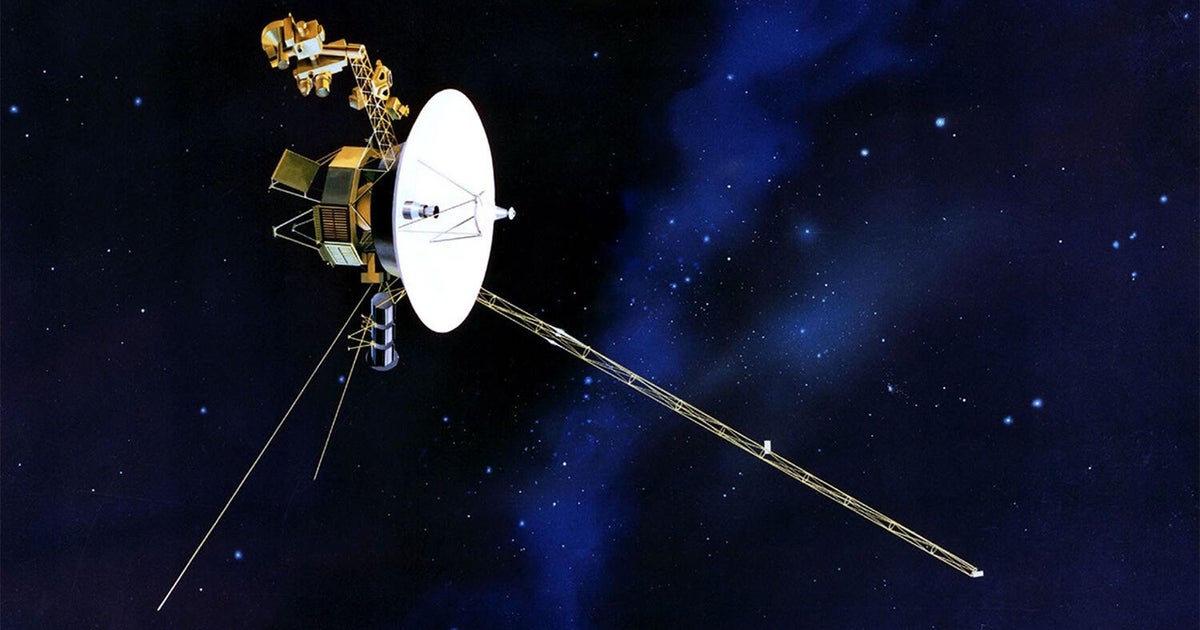
As of 5:16 a.m. EST Wednesday, Voyager 1, sailing through space at nearly 38,000 mph, was expected to pass the one-light-day milestone, so far away that radio signals, traveling at 186,000 miles every second, need 24 hours to reach flight controllers at NASA's Jet Propulsion Laboratory.
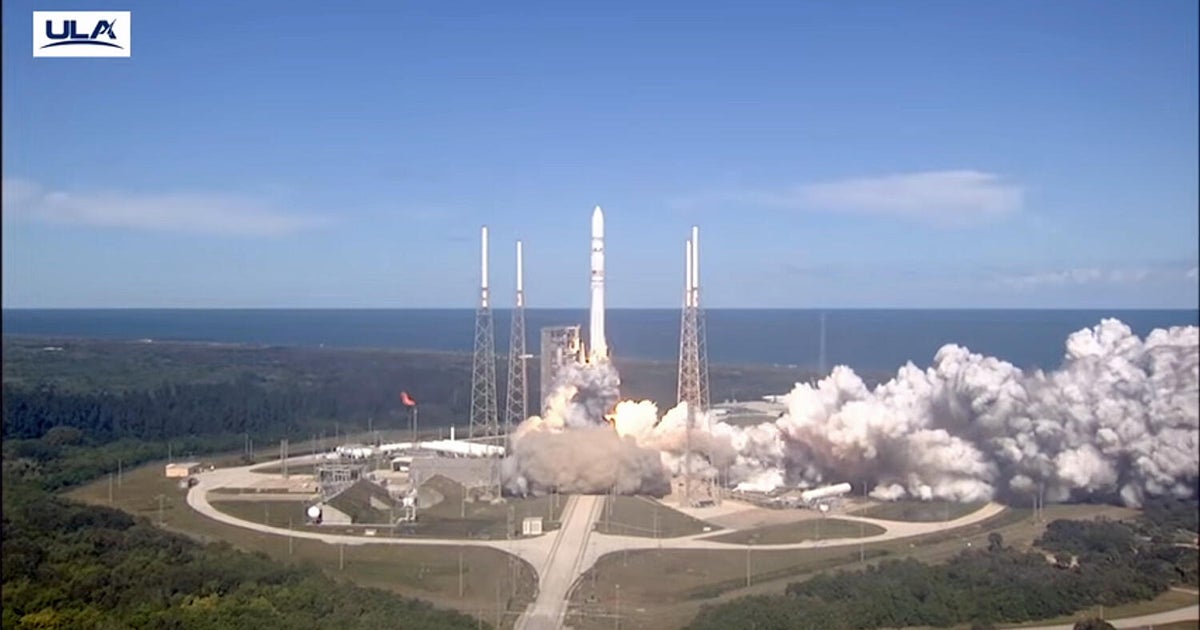
"We will work closely with our customer and other appropriate organizations to find the cause, determine the appropriate corrective action and return to flight as quickly as possible."
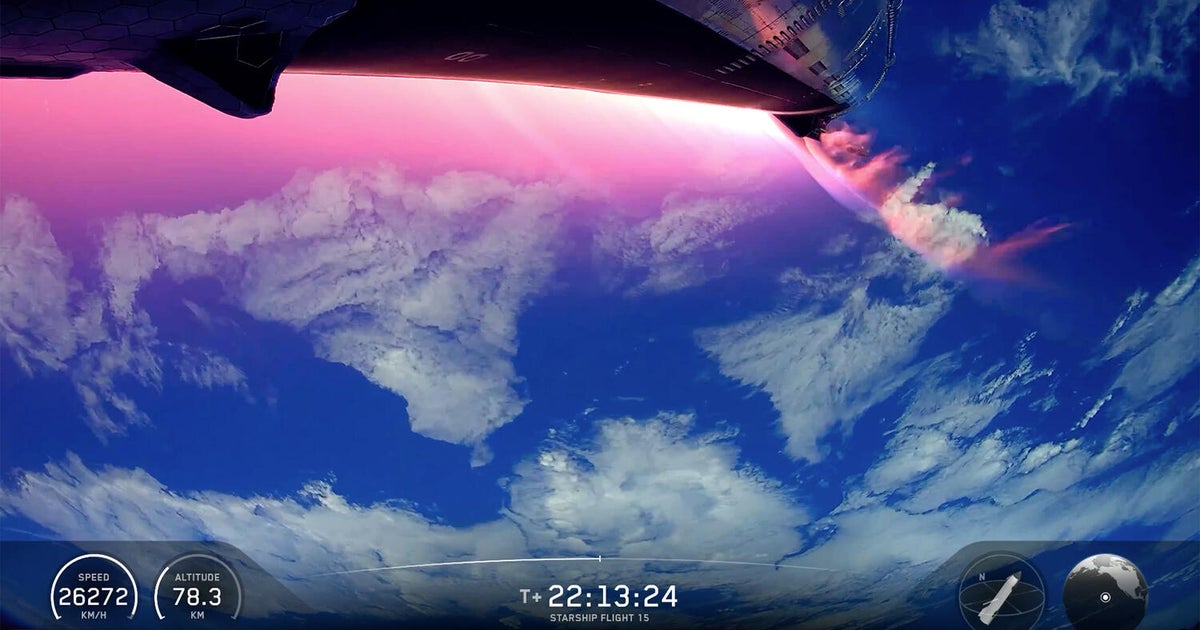
It was the first such recovery of a Starship from orbit — previous test flights ended with planned ocean splashdowns — marking a major milestone in SpaceX's drive to develop the first fully reusable orbit-class rocket, a vehicle company founder Elon Musk says will dramatically lower the cost of launching payloads to Earth orbit, the moon and, eventually, Mars.
If successful, the flight will mark a critical step in the development of the world's first fully reusable orbit-class rocket.
2026-11-13 · assertive framing · SpaceX launches first-iof-its-kind Starship test flight
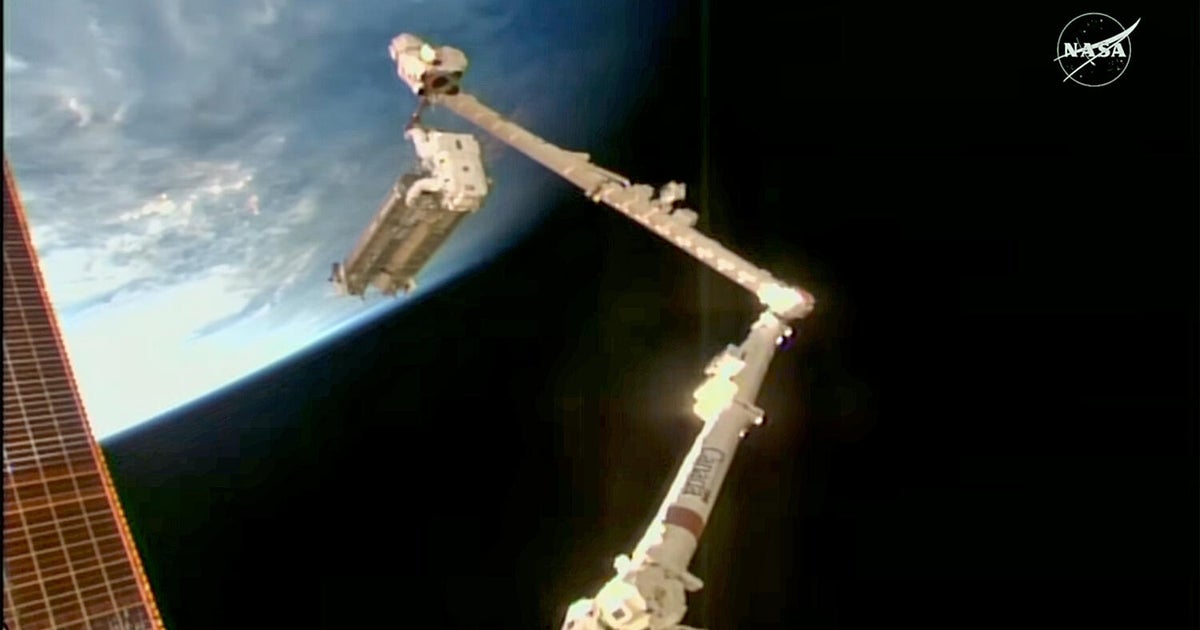
Attachment and extension of the seventh panel last week was relatively straightforward because the 58-foot-long robot arm could easily carry Menon, holding onto a new IROSA, to its nearby installation point on a fixture at the base of an inboard left-side solar wing.
2026-11-05 · assertive framing · Spacewalkers complete space station solar power upgrade
Two astronauts stepped outside the International Space Station Thursday for the first of two spacewalks, one week apart, to install a final pair of roll-out solar blankets that will complete a complex, years-long upgrade of the lab's aging power system.
"We have had the most incredible of expeditions ... and we will never forget it, and never forget all of your hard work."
If the unpiloted test flight goes well, NASA and Boeing hope to launch a piloted Starliner flight in the mid-2028 time frame, officials said Monday, incorporating redesigned propulsion system valves, more robust subsystems and other modifications expected to prevent the sort of failures that occurred in 2024.
Also by William Harwood
Nothing else under this byline is closely related to this article, so these are simply their most recent.
All 8 articles by William Harwood →

Topics

Canadian IROSA Menon NASA the Canadarm II

Subjects

Menon PERSON · 3× Kutryk PERSON · 2× NASA ORG · 2× Anil Menon PERSON · 1× Canadian NORP · 1× Joshua Kutryk PERSON · 1×

Narrative

five years in the making, two spacewalking astronauts on Thursday mounted an eighth and final roll-out solar wing on theNASA began the power-system upgrade in 2021 when two spacewalkers installed the first ISS roll-out solar array, or IROSA, at the base of one of the original eight wings.
framing: assertive · carried by 1 article(s) · first seen 2026-11-06
Attachment and extension of the seventh panel last week was relatively straightforward because the 58-foot-long robot arm could easily carry Menon, holding onto a new IROSA, to its nearby installation point on a fixture at the base of an inboard left-side solar wing.
2026-11-06 · CBS News
Spacewalkers complete space station solar power upgrade · assertive framing

Claims (19 extracted, 1 hedged)

five years in the making, two spacewalking astronauts on Thursday mounted an eighth and final roll-out solar wing on theNASA began the power-system upgrade in 2021 when two spacewalkers installed the first ISS roll-out solar array, or IROSA, at the base of one of the original eight wings. asserted
spacewalkers → spacewalk → wings
Six additional panels were attached during subsequent spacewalks, with the most recent installation during a spacewalk by NASA astronaut Anil Menon and Canadian astronaut Joshua Kutryk. asserted
panels → attach → Menon
The duo ventured back outside Thursday to install the eighth and final IROSA on the far right end of the station's power truss, beginning the extravehicular activity, or EVA — NASA speak for "spacewalk" — at 8:36 a.m. ET. asserted
NASA → venture → ET
The final two IROSAs were delivered to the station aboard a , with each one folded in half and stowed in the ship's unpressurized trunk section. asserted
one → deliver → section
The lab's robot arm mounted both rolled-up blankets on the left side of the station's power truss to await installation. asserted
arm → mount → installation
Attachment and extension of the seventh panel last week was relatively straightforward because the 58-foot-long robot arm could easily carry Menon, holding onto a new IROSA, to its nearby installation point on a fixture at the base of an inboard left-side solar wing. uncertain
arm → carry → wing
But the Canadarm II does not have the reach to carry Menon and the final blanket directly to the far right end of the power truss as required, so he and Kutryk handed it off to each other leapfrog fashion to get it all the way out to a waiting support frame. asserted
he → have → frame
Once mounted on the base of the outboard array, Menon and Kutryk unfolded the new IROSA, bolted it in place, and connected power and data cables during orbital darkness when no sunlight was available to generate electricity. asserted
sunlight → mount → electricity
As the station moved back into sunlight, flight controllers noticed one of the two still-rolled-up blankets did not appear to be generating a small amount of electricity as expected. asserted
one → move → electricity
The spacewalkers then waited for another night pass to double-check the connections. asserted
spacewalkers → wait → connections
The problem was resolved, and the final IROSA blankets were extended to their full length of 63 feet. asserted
blankets → resolve → feet
It's delivering 40% more power," Menon said after returning to the airlock. asserted
Menon → deliver → airlock
"It's really empowering all this research that we do and everything that we do to transform space and open the doors to the future. asserted
we → empower → future
The six-hour, 59-minute spacewalk ended at 3:35 p.m. asserted
spacewalk → end → p.m.
The IROSAs were designed to offset age-related degradation that has reduced the power output of the station's original arrays over more than two decades of use in the harsh space environment. asserted
that → design → environment
The new panels are smaller but more efficient, featuring state-of-the-art solar cells. asserted
panels → feature → cells
Even though they shade portions of the arrays they are mounted on, they still provide a net boost in power. asserted
they → shade → power
Before the first IROSA was installed, the original arrays were generating about 160 kilowatts of power. asserted
arrays → instal → power
The eighth and final IROSA was expected to boost the total power output to some 215 kilowatts, enough to sustain the lab through its planned retirement and de-orbiting in 2030, powering life support systems, computers, research and visiting vehicles. asserted
IROSA → expect → systems
Give feedback · no sign-in needed

No sign-in needed for now. Your note is sent without a name, so it cannot be answered.

History Support