That is 0 articles you have read today.
The Aporia is free and carries no advertising, so readers are the only
thing paying for it. If you are getting this much out of it, a small
donation is what keeps it independent.
You have read 0 articles today.
That is more than the 15 a day The Aporia gives away,
and well past what it can carry on nothing. Your allowance resets at
midnight.
There is no advertising here and nothing about you is sold, so readers
are the only thing paying for it. If the site is worth this much of
your day, it is worth a few dollars.
Everything else stays open: the front page, the
directory and search do
not count against this, and neither does re-opening something you have
already read today.
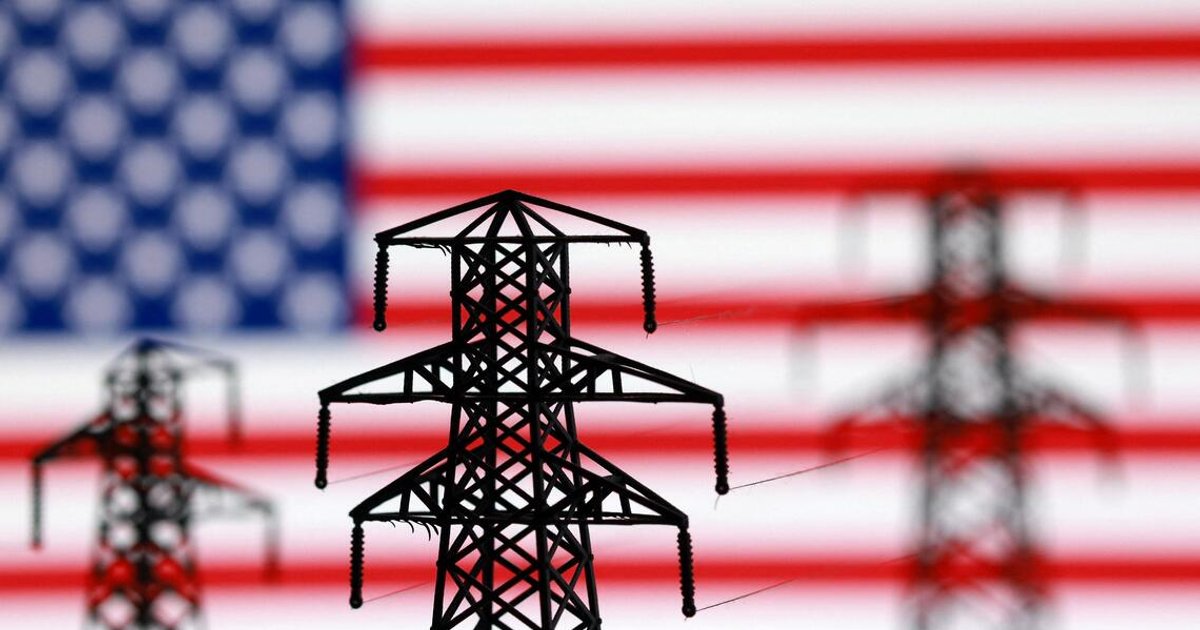
Photo via Washington Examiner
Major bill to cut red tape for energy projects clears Senate hurdle
Patteson, C. (2026, November 9). Major bill to cut red tape for energy projects clears Senate hurdle. Washington Examiner. https://www.washingtonexaminer.com/policy/energy-and-environment/4797873/major-bill-cut-red-tape-energy-projects-clears-senate-hurdle/
Patteson, Callie. “Major bill to cut red tape for energy projects clears Senate hurdle.” Washington Examiner, 9 Nov. 2026, https://www.washingtonexaminer.com/policy/energy-and-environment/4797873/major-bill-cut-red-tape-energy-projects-clears-senate-hurdle/.
Patteson, Callie. “Major bill to cut red tape for energy projects clears Senate hurdle.” Washington Examiner, November 9, 2026. https://www.washingtonexaminer.com/policy/energy-and-environment/4797873/major-bill-cut-red-tape-energy-projects-clears-senate-hurdle/.
Dated from the outlet's own feed. Check the original for its byline.
Washington Examiner
· collected 2026-11-10 · by Callie Patteson
Quick Summary
The Senate successfully moved past a key procedural step by voting 73-25 to limit debate on a bipartisan bill that aims to streamline processes for energy and infrastructure projects. This action advances the nearly 500-page Bipartisan American Affordability and Jobs Act towards its final approval in the chamber.
Written by AI on 2026-11-10,
from this article's own text only (the story summary below draws on all the coverage).
The U.S. Senate advanced a bipartisan permitting reform bill known as the Bipartisan American Affordability and Jobs Act with a procedural vote of 73–25 on November 10, 2026, shortly after midterm elections. The legislation aims to expedite federal approval processes for major energy and infrastructure projects, including data centers and power plants. Democrats argue it will benefit the climate and consumers' wallets, while Republicans support it as a way to lower energy costs and create jobs. President Trump endorsed the bill on November 8, stating it aligns with his "America First Energy Agenda." The bill faces opposition from environmental groups who fear it could lead to harmful projects that violate health and environmental rights.
Written for “Senate Advances Energy Permitting Bill” on 2026-11-21,
grounded in this article and the 18 other(s) covering the same event.
How they differ
12 outlets covered “Senate Advances Energy Permitting Bill”.
What each outlet says
One AI summary per outlet of its latest article on this story, written from that article alone and checked against it. Open the article for the outlet's own words.
Washington ExaminerThis outlet10 Nov
The Senate successfully moved past a key procedural step by voting 73-25 to limit debate on a bipartisan bill that aims to streamline processes for energy and infrastructure projects. This action advances the nearly 500-page Bipartisan American Affordability and Jobs Act towards its final approval in the chamber.
Major bill to cut red tape for energy projects clears Senate hurdle (this article)Daily Caller10 Nov
At a Daily Caller Live event, public policy experts discussed the Bipartisan American Affordability and Jobs Act, which aims to streamline the U.S. construction project permitting process by setting time limits for objections to be filed against these projects. Ben Lieberman of the American Enterprise Institute proposed implementing a "shot clock" similar to basketball's 24-second rule to expedite permits, while Ted…
On November 9, the US Senate voted 73-25 to advance debate on a bipartisan energy permitting bill aimed at speeding up approvals for infrastructure projects while adding new requirements for consultation with tribes and expanded state roles in transmission planning. Senators Martin Heinrich and Sheldon Whitehouse, who co-authored the Bill with Republicans Shelley Moore Capito and Mike Lee, argue that the recent…
The Senate voted 73-25 on Monday to advance bipartisan legislation aimed at expediting permit reviews for infrastructure projects, including datacenters and energy facilities. Backers like President Trump see it as crucial for reducing delays in clean energy and fossil fuel projects, while critics from environmental organizations argue that the bill weakens safeguards against pollution and endangers wildlife…
The Senate has advanced a bipartisan permitting reform bill called the Bipartisan American Affordability and Jobs Act with a vote of 73-25 shortly after returning from its midterm recess. Democrats support the bill, arguing it will benefit climate action and consumer finances; Rhode Island Senator Sheldon Whitehouse claims it will save Americans $60 to $80 monthly while preventing up to 1.8 gigatons of greenhouse…
The Senate is set to vote on the Bipartisan American Affordability and Jobs Act (BAAJA), which aims to streamline regulatory processes for energy infrastructure development. Introduced by Senators Sheldon Whitehouse, Martin Heinrich, Mike Lee, and Shelley Moore Capito in September, this bill would ease federal environmental regulations to expedite projects like transmission lines and power plants. However, it faces…
A bipartisan energy bill, known as the Bipartisan American Affordability and Jobs Act (BAAJA), is set for debate in the Senate on Monday, aiming to address voter concerns over data centers and electricity costs. The legislation would expedite approvals for new power plants and lines while requiring major data center operators to contribute more to grid upgrades. Despite support from some Democrats like Senator…
The Senate is scheduled to vote on bipartisan legislation aimed at accelerating permitting reviews for infrastructure projects, including data centers and energy facilities, in response to growing demand for electricity and other forms of energy. President Trump has endorsed the bill, which would expedite the approval process for both clean energy and fossil fuel projects, while industry groups support it and…
The Senate recently advanced a bipartisan infrastructure bill, BAAJA, which aims to ease construction of new energy projects and includes provisions beneficial to AI data center development. Critics, including environmental groups like the Sierra Club and the Natural Resources Defense Council, argue that the bill weakens environmental protections and could lead to more gas-powered data centers built on public lands…
The US Senate has moved forward with a permitting bill designed to accelerate construction of energy infrastructure projects such as power plants, data centers, and distribution grids. While Democrats view this as crucial for speeding up America's transition to cleaner energy, there is internal division among environmental groups over the overhaul of major environmental laws required by the bill. The legislation…
The United States Senate voted 73-25 to advance a bipartisan bill aimed at speeding up the construction of new data centers and energy infrastructure, including both clean and fossil fuel projects. The Bipartisan American Affordability and Jobs Act would reduce environmental review deadlines and limit legal challenges for major energy projects, while also requiring data center operators to contribute $55 billion…
The Senate voted 73–25 to advance a bipartisan bill called the Bipartisan American Affordability and Jobs Act (BAAJA), aimed at streamlining federal permitting processes. Sponsored by Sen. Shelley Moore Capito, the bill seeks to limit environmental reviews under NEPA and accelerate project approvals for energy, housing, and transportation industries. Key provisions include expanding categorical exclusions for…
Leans right
Hedges 0 of 9 claimsOutlet record 64/100
“Article A reports Trump's endorsement of the Bill on the eve of the Senate vote, while Article B describes the actual Senate procedural hurdle being cleared.”
If passed in the House, the Bipartisan American Affordability and Jobs Act would be one of the most significant bills signed by President Donald Trump during his second term in office.
A bill that would make it easier to build renewable energy, power lines, highways, data centers, and power plants has cleared the Senate with sweeping bipartisan support, marking the closest Congress has been to reforming federal approvals for energy and infrastructure projects.
Several Republican senators have introduced amendments that would scale back on provisions expanding the federal government’s authority to approve of interstate power lines.
The public land sales were detailed in the Interior Department’s four-year strategic plan released this week, which omitted key details about how much the agency wishes to sell off, what areas could be targeted, or when the sales will take place.
Millions in New England are expected to be hit by a developing nor’easter later in the week, which could bring the first round of snow to the region this fall and winter season.
Twenty-five senators voted Tuesday evening against advancing a bipartisan bill that would make it easier and faster to build pipelines, power lines, power plants, and highways.
We’ll be watching next week how the flipped chambers may influence immediate issues still before members in the lame-duck session, such as permitting reform.
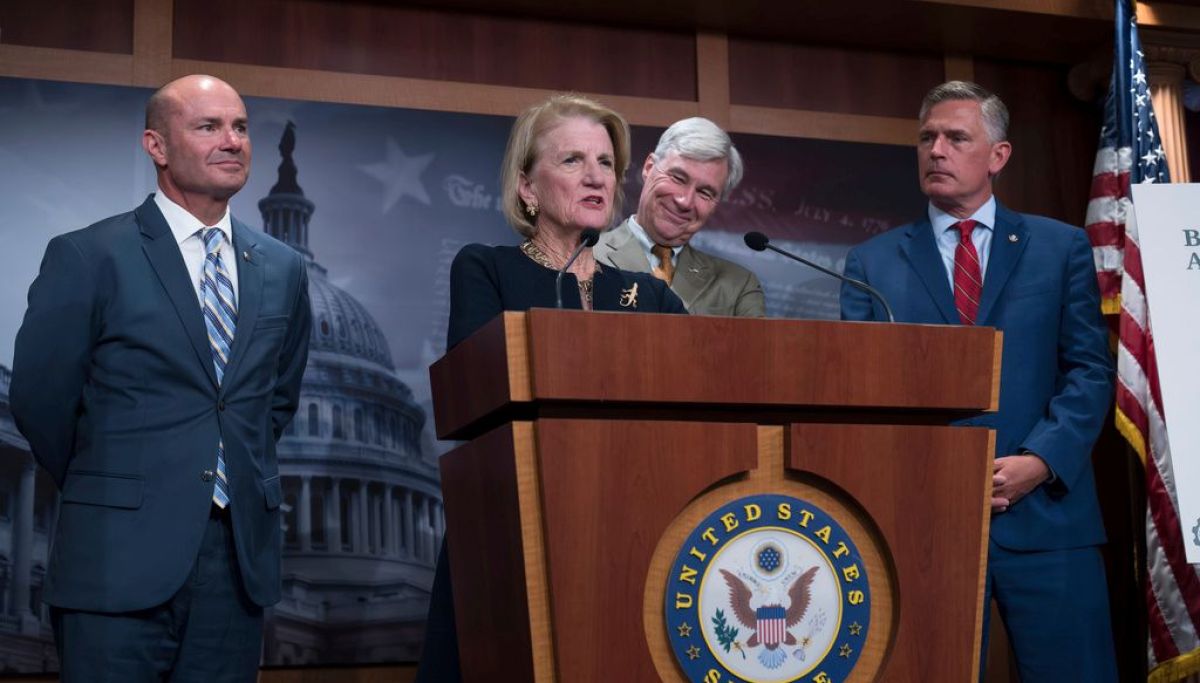
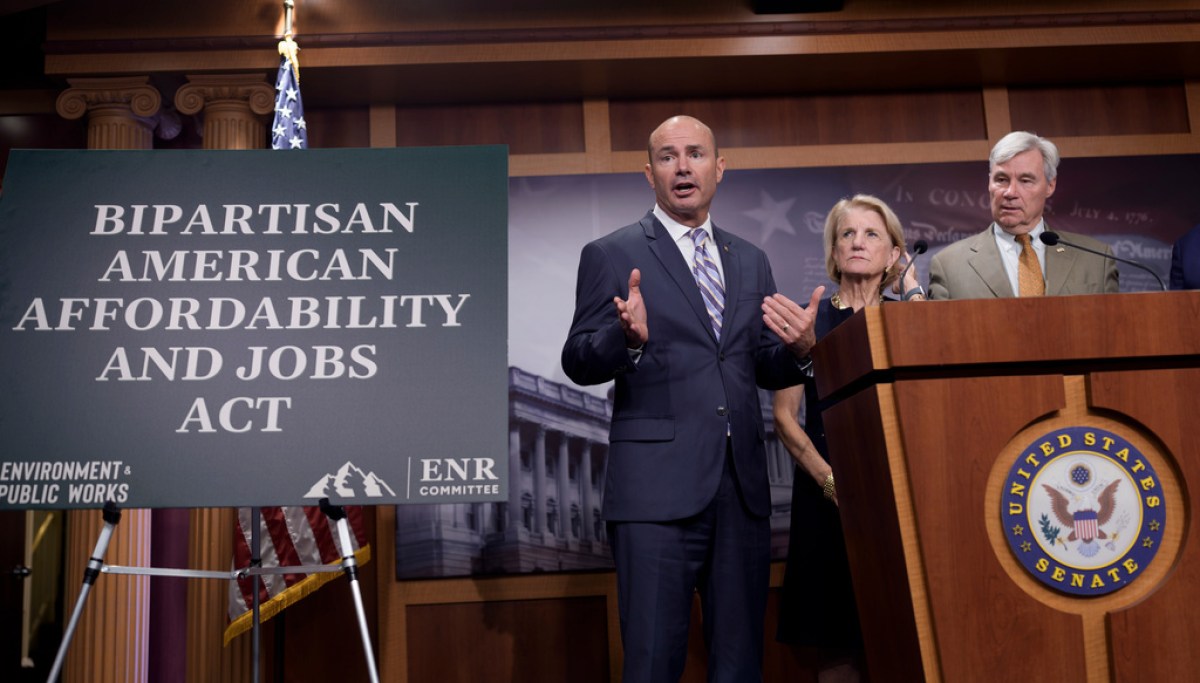
The Senate has cleared a crucial procedural hurdle for passing a bipartisan bill aimed at making it easier to build energy and infrastructure projects across the country.
asserted
it → clear → country
The Senate voted 73-25 Monday evening to invoke cloture on the Bipartisan American Affordability and Jobs Act, which limits debate and sends the nearly 500-page bill toward a final vote.
asserted
which → vote → vote
Give feedback · no sign-in needed
No sign-in needed for now. Your note is sent without a name, so it cannot be answered.

 The Aporia