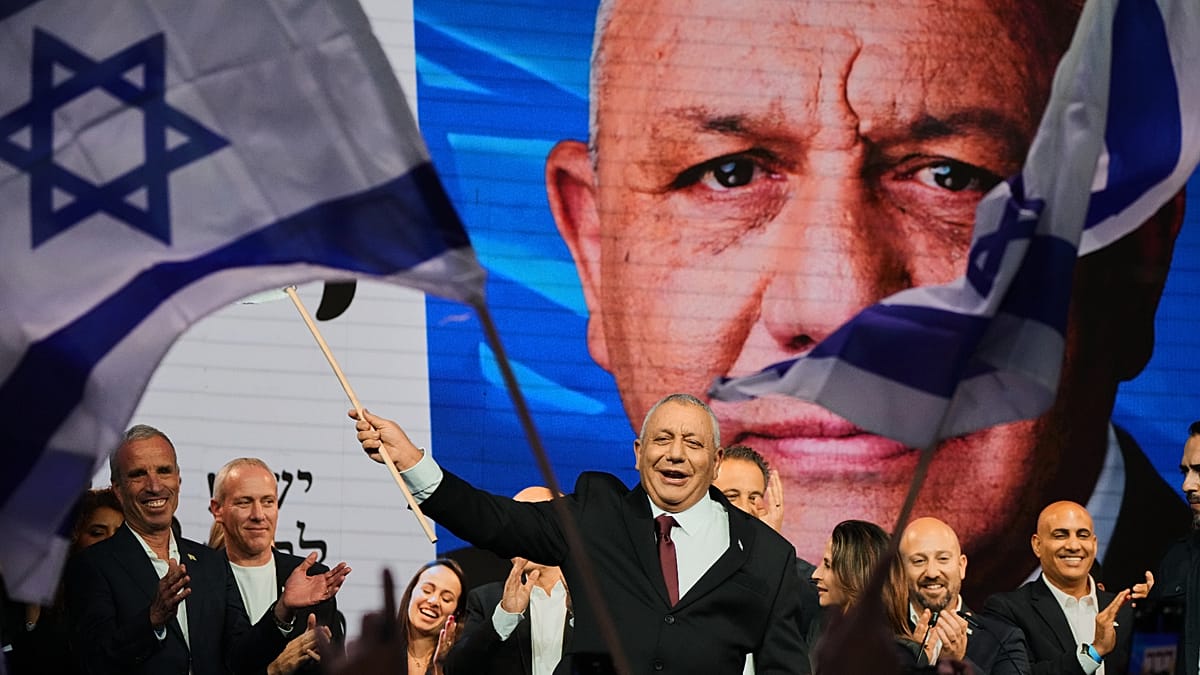
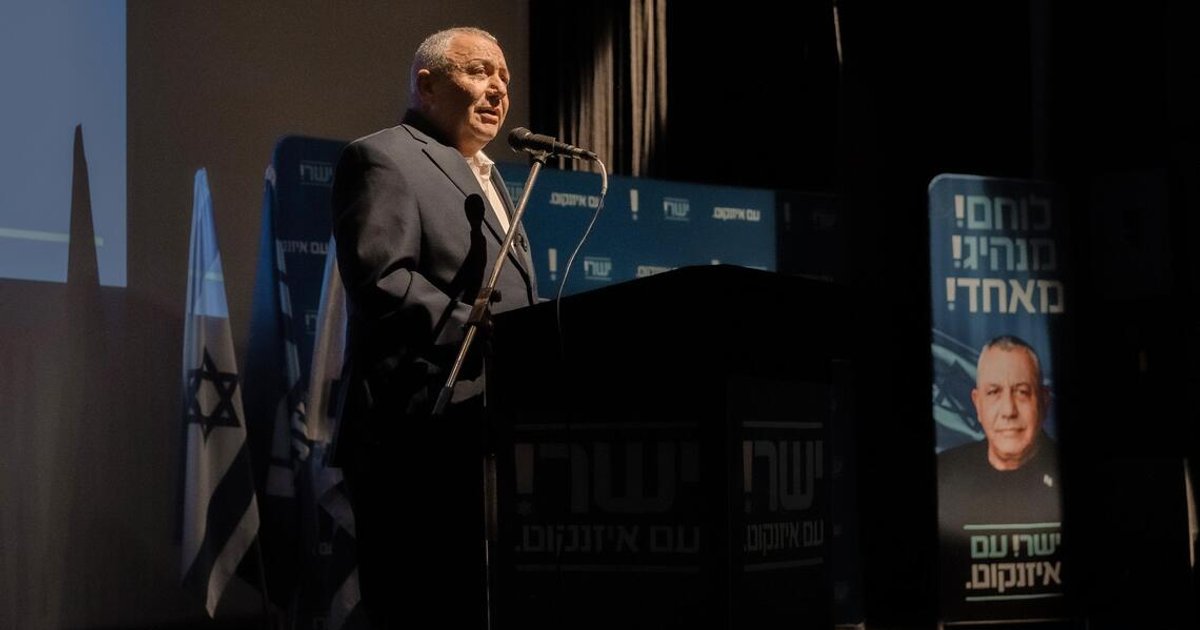
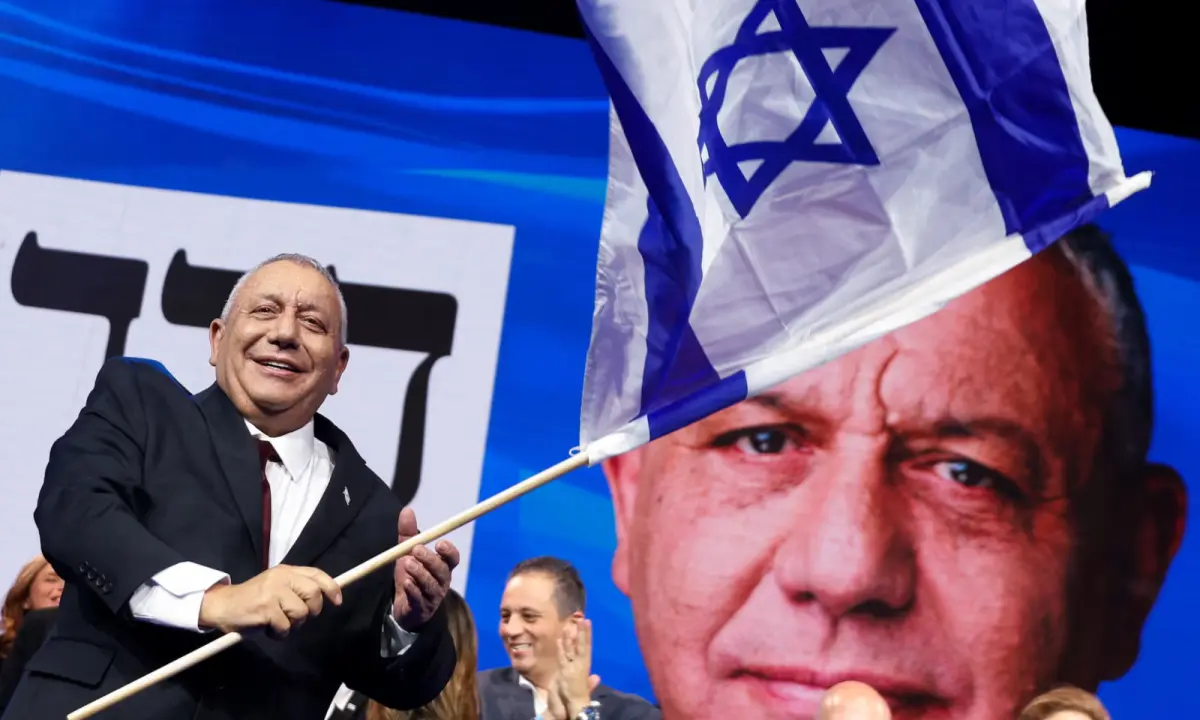
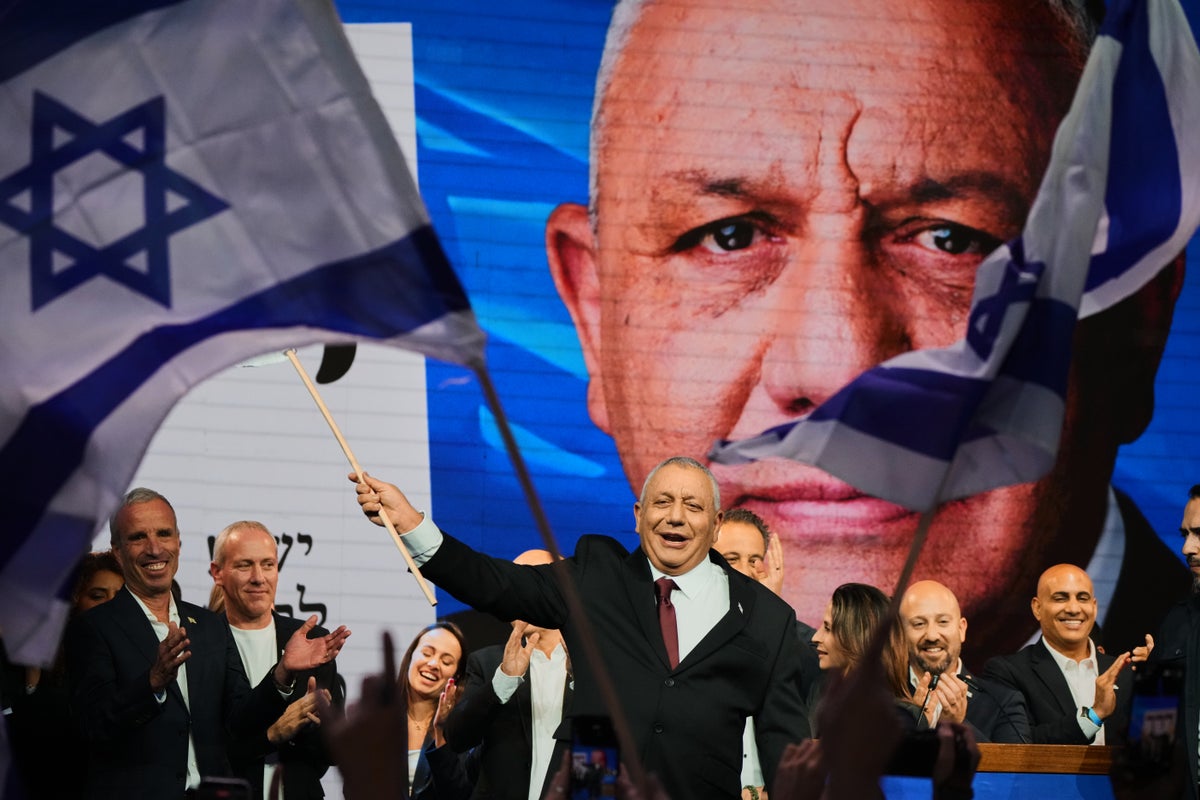
Photo via TIME

How Israel Will Choose Its Next Prime Minister, Explained

Read the original at TIME ↗
Cite

Schneid, R. (2026, November 10). How Israel Will Choose Its Next Prime Minister, Explained. TIME. https://time.com/article/2026/11/10/how-israel-will-choose-its-next-prime-minister-explained/

Dated from the outlet's own feed. Check the original for its byline.

TIME · collected 2026-11-10 · by Rebecca Schneid

Quick Summary

Israeli President Isaac Herzog has assigned former military chief and Yashar party leader Gadi Eisenkot with forming the next government, giving him until December 6 to secure a coalition that can win parliamentary approval. With no single bloc achieving the necessary majority in the recent election, Netanyahu's Likud party, though the most voted for, lacks enough support to form a new government alone. The Knesset’s process involves negotiations among parties to reach the required 61 seats for a governing majority, potentially keeping Netanyahu in power temporarily as coalition talks proceed.
Written by AI on 2026-11-11, from this article's own text only (the story summary below draws on all the coverage).
See how they differ ↓

AI analysis

Story summary

As of November 11, 2026, Gadi Eisenkot, tasked with forming a new Israeli government after inconclusive elections, pledged to reverse many of former Prime Minister Benjamin Netanyahu’s policies as the new parliament was sworn in. This political shift comes amid ongoing negotiations where the Arab Joint List has offered support for an opposition-led government but will not join the cabinet, according to Ahmad Tibi. Israel's president, Isaac Herzog, urged parties to negotiate with open hearts to avoid a fresh election, emphasizing that securing a new government is critical given security concerns and citizens' welfare.

The investigation into alleged foreign funding of Arab Israeli party Raam did not undermine the recent election results, according to the head of the Central Elections Committee. Meanwhile, Naftali Bennett heckled Netanyahu during a Knesset session, signaling rising tensions as negotiations for a new government continue despite efforts by various parties to form coalitions.

These developments mark a significant political shake-up in Israel, with Eisenkot facing a deadline to form a government and end Netanyahu's long tenure.

Written for “Israel's New Parliament Sworn In” on 2026-11-21, grounded in this article and the 103 other(s) covering the same event.

How they differ

25 outlets covered “Israel's New Parliament Sworn In”.

What each outlet says

One AI summary per outlet of its latest article on this story, written from that article alone and checked against it. Open the article for the outlet's own words.

TimeThis outlet10 Nov

Israeli President Isaac Herzog has assigned former military chief and Yashar party leader Gadi Eisenkot with forming the next government, giving him until December 6 to secure a coalition that can win parliamentary approval. With no single bloc achieving the necessary majority in the recent election, Netanyahu's Likud party, though the most voted for, lacks enough support to form a new government alone. The…

How Israel Will Choose Its Next Prime Minister, Explained (this article)
The Straits Times10 Nov

Gadi Eisenkot, Israel's former army chief, led a broad coalition of lawmakers in targeting Benjamin Netanyahu's political legacy during the first session of the new Israeli parliament on November 10. This bloc submitted multiple proposals, including establishing an independent commission to investigate recent security failures and repealing judicial reforms enacted under Netanyahu’s leadership. Despite not having…

Eisenkot quickly targets Netanyahu’s legacy in new Israeli parliament →18 articles from The Straits Times on this story
Al Jazeera11 Nov

Naftali Bennett, former Israeli prime minister, disrupted Benjamin Netanyahu's speech during the opening session of a new Knesset term that followed recent national elections. The incident took place on November 11, 2026, with Bennett repeatedly heckling Netanyahu as he addressed the parliament.

Netanyahu heckled by Bennett at Knesset opening session →17 articles from Al Jazeera on this story
The Hindu10 Nov

Israel's new parliament convened on November 10, 2026, with Gadi Eisenkot aiming to form a government that includes a coalition of left-to-right blocs and Israeli-Arab parties. Eisenkot, a former military chief recently entered politics, faces the challenge of securing a majority within 28 days to avoid another election. The new parliament plans to investigate security failures under Benjamin Netanyahu's leadership…

New Israeli parliament to take aim at Netanyahu as Eisenkot seeks government →15 articles from The Hindu on this story
The Guardian10 Nov

After Israel’s new Knesset was sworn in on Tuesday, opposition lawmakers quickly moved to oust Amir Ohana, a Netanyahu loyalist who currently serves as speaker. The opposition, consisting of six divided parties with a majority, aims to advance legislation such as term limits for prime ministers and an inquiry into the October 2023 attacks, potentially limiting Netanyahu’s future leadership. Former military chief…

Israeli opposition hurries to seize control as new Knesset is sworn in →7 articles from The Guardian on this story
Dawn10 Nov

Israel’s parliament was sworn in on Tuesday following a recent election that left Prime Minister Benjamin Netanyahu without a majority and his main rival, Gadi Eisenkot, unable to form a coalition immediately. The ceremony was presided over by President Isaac Herzog, who urged lawmakers to avoid another election through compromise and cooperation. Netanyahu called for a unity government due to perceived threats from…

Israel's parliament sworn in as Eisenkot tries to forge a government →7 articles from Dawn on this story
Show 19 more outlets
South China Morning Post8 Nov

Israeli President Isaac Herzog has appointed Gadi Eisenkot, an opposition politician and former military chief, as the first candidate to attempt forming a new government following recent elections where Prime Minister Benjamin Netanyahu’s coalition lost its majority. This move is significant in the ongoing efforts to replace Netanyahu as prime minister amid national divisions intensified by Hamas-led attacks…

Israel’s President Herzog gives Gadi Eisenkot the first chance to form the next government →6 articles from South China Morning Post on this story
ABC News (AU)10 Nov

Benjamin Netanyahu, Israel’s caretaker prime minister, delivered an inflammatory speech during the swearing-in ceremony of the newly elected Knesset. He accused Arab-Israeli members of supporting Hamas and threatening the existence of Israel, causing tension within the parliament with some walking out in protest. This incident follows a recent election where Arab parties gained record support, leading to ongoing…

Taunts, heckling and fiery Netanyahu speech as Israel's Knesset sworn in →5 articles from ABC News (AU) on this story
Times of India9 Nov

President Isaac Herzog tasked Gadi Eisenkot, chairman of Yashar party, with forming Israel's next government after receiving support from 67 out of 120 Knesset members. However, tensions have emerged between Eisenkot and Avigdor Lieberman over the inclusion of Arab-led parties in the coalition. Despite this rift, Eisenkot aims to establish a broad national emergency government addressing security, diplomatic, and…

Eisenkot Tapped To Form Government: President tasks him with coalition bid; rifts emerge with Lieberman →4 articles from Times of India on this story
Fox News11 Nov

Israel's newly elected parliament was sworn in on Tuesday as former Prime Minister Naftali Bennett acts as a kingmaker for military chief Gadi Eisenkot. Bennett is working with Eisenkot despite leading separate parties, giving him the support of 33 lawmakers compared to Netanyahu’s Likud party with 27 seats. During the swearing-in ceremony, Bennett and others disrupted Netanyahu's speech by confronting him over…

Israel's political shake-up enters new phase as former PM plays kingmaker — and deadline looms →2 articles from Fox News on this story
Euronews8 Nov

President Isaac Herzog has tasked Gadi Eisenkot, leader of Israel's centrist Yashar party, with forming a new government following recent inconclusive legislative elections where no single candidate secured enough support to form a majority. The president’s decision came after consultations that revealed 67 Knesset members backed Eisenkot compared to 46 supporting Prime Minister Benjamin Netanyahu. With this…

Netanyahu rival Eisenkot to be tasked with forming new government following Israeli elections →2 articles from Euronews on this story
CBC8 Nov

Israel’s President Isaac Herzog has chosen Gadi Eisenkot, a former military chief and Netanyahu’s main rival, to attempt forming a new government after recent inconclusive elections. The election left neither Eisenkot nor Netanyahu with enough support for clear control; Netanyahu's coalition holds 53 seats out of the needed 61, while Eisenkot's coalition has 48 seats. Herzog gave Eisenkot 28 days, plus a possible…

Israel's president asks Gadi Eisenkot, Netanyahu's rival, to form new government →2 articles from CBC on this story
BBC10 Nov

Israel's new parliament will be sworn in on Tuesday as opposition leader Gadi Eisenkot attempts to form a government with the backing of 67 Knesset members, compared to 46 for Prime Minister Benjamin Netanyahu. Both leaders face challenges in securing a majority, with Netanyahu maintaining caretaker status until a coalition is formed. Arab-led parties have gained unprecedented influence, holding 19 seats between…

Israel's new parliament to be sworn in as leaders compete to form government →2 articles from BBC on this story
Global News8 Nov

Israeli President Isaac Herzog appointed opposition leader Gadi Eisenkot to attempt forming a new government following the October 27 election where neither Netanyahu nor Eisenkot won a clear majority in parliament. With 6 weeks to negotiate with potential coalition partners, Eisenkot emphasized the need for trust and unity among diverse societal groups but also outlined conditions such as recognizing Israel's…

What’s next for Israel as Eisenkot tapped to lead government? →2 articles from Global News on this story
Sydney Morning Herald11 Nov

Gadi Eisenkot, tasked with forming Israel’s new government following Benjamin Netanyahu’s loss of majority support, pledged to reverse many of Netanyahu’s policies as the newly elected parliament was sworn in on Tuesday. The opposition now holds a clear majority in the Knesset and has introduced bills targeting Netanyahu’s tenure, including an inquiry into Hamas attacks and term limits for prime ministers. Netanyahu…

Netanyahu’s policies face the chop as new parliament sworn in →2 articles from Sydney Morning Herald on this story
Semafor8 Nov

Israel’s president has appointed former military chief Gadi Eisenkot to attempt forming the next government, potentially challenging incumbent Prime Minister Benjamin Netanyahu. Despite their differences in approach and personal style, both Eisenkot and Netanyahu adhere closely to a hardline stance on Palestine and Iran, according to experts cited by Le Monde and an Israeli analyst. The situation is complicated…

Eisenkot gets nod to form Israeli government →2 articles from Semafor on this story
The Independent9 Nov

Israel’s former military chief Gadi Eisenkot has been tasked with forming the next government after receiving a mandate from President Isaac Herzog on Sunday. With 67 lawmakers backing him, compared to Netanyahu's 46, Eisenkot now faces 28 days—extendable by 14—to secure a parliamentary majority of 61 seats. He warns of an impending "point of no return" for Israel’s democracy and calls for unconventional political…

Israel in ‘state of emergency’ Eisenkot warns after opposition leader tasked with forming government →2 articles from The Independent on this story
NBC News1 Nov

Israeli President Isaac Herzog has called on political parties to engage in openhearted negotiations to form a new government following last week’s inconclusive election. With Netanyahu’s bloc securing 53 seats and Eisenkot’s opposition winning 48, neither can form a majority alone, leaving the newly empowered Arab parties with 19 seats as potential kingmakers. Herzog will consult party leaders starting Wednesday…

Israel’s president says parties need to engage with ‘open heart’ to avoid fresh election →
Toronto Star5 Nov

Ahmad Tibi, a senior member of Israel’s Arab Joint List, announced that his bloc is willing to support an anti-Netanyahu government without joining it, marking a significant shift from past practices. This move comes after recent elections where Arab-led parties gained a record share in parliament, making their potential backing crucial for forming the next government. However, such an alliance could be politically…

Arab parties extend a hand to try and topple Netanyahu, but challenges remain →
Washington Examiner5 Nov

Israel's Arab parties have endorsed Gadi Eisenkot as their preferred candidate to form a new government over incumbent Prime Minister Benjamin Netanyahu. A delegation from the Joint List party, led by chairman Yousef Jabareen, met with President Isaac Herzog on Thursday to advocate for Eisenkot’s nomination. The meeting aimed to solidify support for Eisenkot and challenge Netanyahu's coalition leadership.

Israel’s Arab parties choose between ‘bad and even worse’ as they back Gadi Eisenkot over Netanyahu to form government →
Los Angeles Times8 Nov

Israel is in political turmoil as President Isaac Herzog must choose between opposition leader Gadi Eisenkot and incumbent Prime Minister Benjamin Netanyahu to form a new government. After the recent election, Eisenkot’s bloc has secured 67 out of 120 Knesset seats with endorsements from Arab-led parties. However, Jewish Israeli parties’ reluctance to govern alongside Arab lawmakers complicates this coalition's…

Arab parties hold the key as Israel struggles to form a government →
Deutsche Welle8 Nov

Israeli President Isaac Herzog has selected Gadi Eisenkot to attempt forming a new government following the October election. In the closely contested vote, Netanyahu's camp secured 53 seats while Eisenkot’s bloc won 48 out of 120 parliamentary seats. Despite this, Eisenkot received endorsements from Arab parties, which are traditionally wary of aligning with Netanyahu. With 28 days to gain majority support or…

Israeli president tasks Gadi Eisenkot with forming government →
Daily Mail8 Nov

Israeli president Isaac Herzog has tasked opposition leader Gadi Eisenkot with forming a new government, challenging incumbent prime minister Benjamin Netanyahu’s position. This follows a recent election where neither Netanyahu nor Eisenkot secured clear majorities; Eisenkot received more endorsements from other parties despite his reluctance to include Arab party support in his coalition. With 28 days (plus…

Netanyahu's leadership threatened as his strongest rival is asked to form a government by Israel's president →
Toronto Sun10 Nov

In Israel, Benjamin Netanyahu remains prime minister as the new parliament takes office on Tuesday, despite his weakened majority following recent elections. With 53 seats compared to the previous 68, Netanyahu faces a more divided Knesset where Gadi Eisenkot’s opposition bloc holds 48 seats and Arab-majority parties hold a record 19 seats. The article details how the new parliament could challenge Netanyahu by…

How Israel’s new parliament can make Benjamin Netanyahu’s life difficult →

Where they agree and split

Agreed

AI · cited, from two or more outlets

  • President Isaac Herzog accepted the election results as legally binding.23
  • Eisenkot was tasked with forming a new government after consultations with party representatives.27
Quoted from the coverage (4)

Netanyahu has claimed repeatedly and without proof that Arab parties committed fraud during the elections with foreign backing.

11 outlets

Two parties representing Israel's Arab minority won an unprecedented 19 seats.

11 outlets

Israel’s election commission said earlier on Wednesday (November 4, 2026) that after a thorough investigation of all parties’ claims of fraud, it had found “no evidence of irregularities that compromised the integrity of the election or affected its results.”

11 outlets

Eisenkot's centrist Yashar party and three other Jewish opposition parties in his bloc won 48.

11 outlets

Disputed

Picked by our model, which is sometimes wrong

  • Netanyahu and his supporters claim that Arab-led parties 'stole' the election, while electoral officials found no evidence of irregularities.23
  • Eisenkot's bloc may or may not be able to form a coalition government within the given timeframe.84

Framing

How the first headlines put it

  • Al Jazeera focuses on the role of Arab parties in Israel’s political deadlock, while The Hindu emphasizes President Herzog's acceptance of election results as a blow to Netanyahu.12
  • BBC highlights the uncertainty and need for consultations after an election deadlock, whereas Fox News focuses on the potential end of Netanyahu’s tenure with Eisenkot's tasking.34
A claim to check1
Attributed to a source4
Stated as fact1
An achievement1
The headlines (7)

Israeli officials say results stand as Netanyahu claims election ‘stolen’ Al Jazeera · a claim to check

Joint List offers to back anti-Netanyahu government: Report Times of India · attributed to a source

Israel’s president says parties need to engage with ‘open heart’ to avoid fresh election NBC News · attributed to a source

Israel elections chief says inquiry into irregularities will not undermine result The Hindu · attributed to a source

Israel elections chief says inquiry into irregularities will not undermine result The Straits Times · attributed to a source

Israeli President Isaac Herzog calls for calm ahead of election mediations ABC News (Australia) · stated as fact

Israel has ‘historic’ opportunity to change direction, says leader of Arab coalition The Guardian · an achievement

Words to watch (3)

Eisenkot says Israel in 'devastating diplomatic crisis' as he seeks to form govt Dawn

Eisenkot warns of Israel crisis as he seeks to replace Netanyahu’s government The Hindu

Israel opposition touts progress ousting Netanyahu after U-turn on ultra-Orthodox The Straits Times

The full story: what happened, how it changed, and all 104 articles →

Compared with similar articles

This article reads unscored and hedges 14% of its claims. Each row says how that neighbour differs.
Euronews
Hedges 0 of 17 claims Outlet record 60/100
Al Jazeera
Hedges 3 of 28 claims Outlet record 60/100
South China Morning Post
Leans left Hedges 0 of 4 claims Outlet record 62/100
The Hindu
Hedges 2 of 25 claims Outlet record 78/100
CBC News
Hedges 1 of 26 claims Outlet record 60/100
The Straits Times
Centre Hedges 1 of 3 claims Outlet record 64/100
The Guardian
Hedges 3 of 25 claims Outlet record 64/100
Dawn
Hedges 0 of 38 claims Outlet record 66/100
The Independent
Hedges 0 of 23 claims Outlet record 59/100
The Hindu
Hedges 0 of 21 claims Outlet record 78/100

Story

Israel's New Parliament Sworn In
Politics · 104 article(s) covering the same event. Compare every outlet's account →
How this article was measured signals, leaning charts, publisher record, byline, topics and claims

Signals How these are calculated →

Claims extracted
74
sentences that state something as happening or true
Uncertain
14%
10 of 74 hedged ("reportedly", "may", "according to")
Leaning
not political
takes no side on a contested political question
Publisher signals
60/100
TIME's corrections and hedging, across everything collected from it. Not a measure of accuracy.
Outlets on this story
104
Politics
Same framing elsewhere
1
articles that frame the event the way this one does
Analyzed 2026-11-11 · how these are computed

How this is being covered How these are calculated →

Article leaning vs. publisher reliability
Source leaning vs. consistency

Publisher

TIME · 1081 article(s) · 2 correction(s) detected
Running correction rate · 2 correction(s)

Who wrote this

Rebecca Schneid
39 article(s) here · 1 carrying a prediction
According to the U.S. Centers for Disease Control and Prevention (CDC), it’s estimated that the outbreak began in mid- to late-February, two to three months before the outbreak was detected and declared an emergency by the World Health Organization (WHO) in mid-May.
The President also expressed confidence that the bill would create jobs and help drive the economy, writing: “Importantly, hundreds of thousands of Blue Collar Workers will be positively affected, BIG TIME, by the passage of this Bill.”
He went on to say that the course would close on Nov. 15 to undergo renovations, which would take 15 months to complete.
The incident raised questions about what might have led to the historic event—only the second nationwide ground stop since 9/11—and what authorities were doing to prevent it from happening again.
It’s the first of several steps necessary to determine the next Prime Minister—but a potentially months-long process could leave Benjamin Netanyahu in power for the foreseeable future.
Trump’s unsubstantiated fraud claims come nearly two weeks after he told reporters on Oct. 27 that he would respect the election results “if they’re honest elections.” As results came in throughout Nov. 3 and into Nov. 4, Trump seemed to accept the outcome.
2026-11-09 · mixed framing · Trump Casts Doubt on Midterm Election Results
Experts tell TIME that the threats themselves might be the point—launching a fear campaign meant to disrupt systems and put millions of people on edge.
2026-11-08 · assertive framing · Europe’s Bomb Threats Raise Fears of Hybrid Warfare
Experts weigh in on what may have prompted the shifts.
But in recent weeks the election forecaster twice shifted the race toward Democrats as polls showed Hamilton narrowing the gap with Marshall, moving it first to “Lean Republican” on September 23 and then to a true “Toss Up” on Oct. 6. Republicans took notice in the past two months, diverting resources from swing-state Senate battles like that in North Carolina to defend Marshall’s seat.
The Trump Administration has said that construction could begin as early as next week.
Also by Rebecca Schneid
Nothing else under this byline is closely related to this article, so these are simply their most recent.
All 39 articles by Rebecca Schneid →

Topics

Israel Israeli Knesset Likud The Atlantic

Subjects

Knesset ORG · 7× Eisenkot PERSON · 6× Netanyahu PERSON · 6× Arab NORP · 3× Israel GPE · 3× Israeli NORP · 3× Yashar ORG · 2× Benjamin Netanyahu PERSON · 1× Gadi Eisenkot PERSON · 1× Isaac Herzog PERSON · 1×

Narrative

Shira Efron, a senior fellow at Rand, a global policy think tank, says that voters should take note of Tuesday’s announcement that the opposition bloc agreed to appoint Matan Kahana, who belongs to Eisenkot’s Yashar party, as the next Knesset Speaker and Avigdor Lieberman, leader of Yisrael Beytenu, as Head of Foreign Affairs and Defense Committee, reflecting a distinct vision for parliament and a willingness to begin the work.
framing: assertive · carried by 1 article(s) · first seen 2026-11-11
It’s the first of several steps necessary to determine the next Prime Minister—but a potentially months-long process could leave Benjamin Netanyahu in power for the foreseeable future.
2026-11-11 · TIME
How Israel Will Choose Its Next Prime Minister, Explained · assertive framing

Claims (74 extracted, 10 hedged)

Israeli President Isaac Herzog on Sunday tasked Gadi Eisenkot, a former military chief and the leader of the center-right Yashar party, with forming the country’s next government. asserted
Herzog → task → government
It’s the first of several steps necessary to determine the next Prime Minister—but a potentially months-long process could leave Benjamin Netanyahu in power for the foreseeable future. uncertain
process → ’ → future
With Herzog’s nod, Eisenkot was given 28 days, through Dec. 6, with a possible 14-day extension, to assemble a government that can win the confidence of the Knesset, Israel’s parliament. asserted
that → give → Knesset
Once he notifies the President and the Knesset that he has formed a government, the lawmakers must meet within seven days for a confidence vote. asserted
lawmakers → notify → vote
The government takes office if it wins that vote. asserted
it → take → vote
First, Eisenkot would need to bring together rival political parties with disparate policy views and governing priorities in order to form a voting majority. asserted
Eisenkot → need → majority
By joining his coalition, parties are effectively endorsing Eisenkot as the next Prime Minister. asserted
parties → join → Minister
But he has several obstacles to overcome before he can get the number of seats that he needs. asserted
he → have → that
Here’s everything to know about the process Israel will undertake in its efforts to name its next Prime Minister. asserted
Israel → ’ → Minister
What did Israel’s election results decide? asserted
results → decide → What
In last month’s election, no party bloc secured the 61 seats needed to form a majority in the 120-seat parliament. asserted
bloc → secure → parliament
This means that little has been decided about future leadership. asserted
little → mean → leadership
Knesset elections are scheduled to occur every four years, with the most recent taking place Oct. 27. asserted
recent → schedule → place
According to The Atlantic, an estimated 67,000 Israeli citizens living outside of the country traveled back this year in order to cast their ballots. uncertain
citizens → accord → ballots
Israeli citizens vote for the political parties that they want to govern—not specific candidates. asserted
they → vote → that
Based on the percentage of votes cast, each party is then allotted a certain number of representatives in the Knesset. asserted
party → base → Knesset
Despite Netanyahu's poor approval rating, his Likud party and its far-right and ultra-Orthodox allies, such as Otzma Yehudit (Jewish Power), secured the most votes and won 53 seats. asserted
allies → secure → seats
The four Jewish-led parties of the Knesset backing Eisenkot—his Yashar party, in addition to the B'Yachad, the Democrats, and Yisrael Beytenu parties—earned 48. asserted
parties → lead → 48
Two Arab-led parties hold the remaining 19—a record high. asserted
parties → lead → 19
“If you just count the number of votes for each party, Netanyahu's party got the most votes, but because it's a parliamentary system, and you need a simple majority to form a government, he was far away from actually establishing a government,” Steven Cook, a senior fellow at the Council on Foreign Relations, tells TIME. asserted
Cook → count → TIME
To form a government, the parties must now negotiate an alliance that can secure enough support to win a confidence vote in the Knesset. asserted
that → form → Knesset
Typically, this requires meeting or exceeding 61 seats, but it can also be fewer if some parties abstain. asserted
parties → require → seats
Either Netanyahu’s bloc or Eisenkot’s bloc could reach a majority by joining forces with both Arab-led parties, giving them 72 or 67 seats, respectively. uncertain
bloc → reach → seats
Alternatively, the two rival blocs would hold 101 seats if they joined together—but any such agreement would require negotiations over who would serve as Prime Minister. asserted
who → hold → Minister
Netanyahu would likely press to stay on. asserted
Netanyahu → press → ?
Rival leaders can also agree to take turns as Prime Minister, as Shimon Peres and Yitzhak Shamir did between 1984 and 1988. asserted
Peres → agree → 1984
Netanyahu has shown willingness in the past, extending such an offer to Benny Gantz in 2020, though it did not go through. asserted
it → show → 2020
The decision would need to be reached before a proposition for the new government could be submitted to the Knesset. uncertain
proposition → need → Knesset
Parties within an electoral bloc can also negotiate separately. asserted
Parties → negotiate → bloc
For example, either Eisenkot or Netanyahu could court one of the Arab-led parties without needing to necessarily sway the other. uncertain
Eisenkot → court → other
However, parties within a bloc tend to share similar outlooks on policy and representation. asserted
parties → tend → policy
The election results can also shift control of parliament before a new government is formed. asserted
government → shift → parliament
Shira Efron, a senior fellow at Rand, a global policy think tank, says that voters should take note of Tuesday’s announcement that the opposition bloc agreed to appoint Matan Kahana, who belongs to Eisenkot’s Yashar party, as the next Knesset Speaker and Avigdor Lieberman, leader of Yisrael Beytenu, as Head of Foreign Affairs and Defense Committee, reflecting a distinct vision for parliament and a willingness to begin the work. asserted
who → say → work
“They have already been able to enact a few things already, fulfilling promises in terms of taking over the Knesset agenda,” Efron says. asserted
Efron → enact → agenda
“This is weakening Netanyahu already, before a government is even formed, and while he is still Prime Minister. asserted
he → weaken → Netanyahu
So this is a positive thing for anyone who wants to see a change in government.” asserted
who → want → government
Why was Eisenkot chosen to form Israel’s next government? asserted
Eisenkot → choose → government
While the presidency is largely ceremonial in Israel, their power is particularly pronounced in the aftermath of an Israeli election. asserted
power → pronounce → election
They consult with the leaders of each political party and pick the person who they believe is most likely to successfully bring together disparate parties to form a governing coalition. asserted
they → consult → coalition
“More often than not, it's been the leader of the party with the most votes,” says Cook. asserted
Cook → say → votes
…and 34 more, not listed.
Give feedback · no sign-in needed

No sign-in needed for now. Your note is sent without a name, so it cannot be answered.

History Support