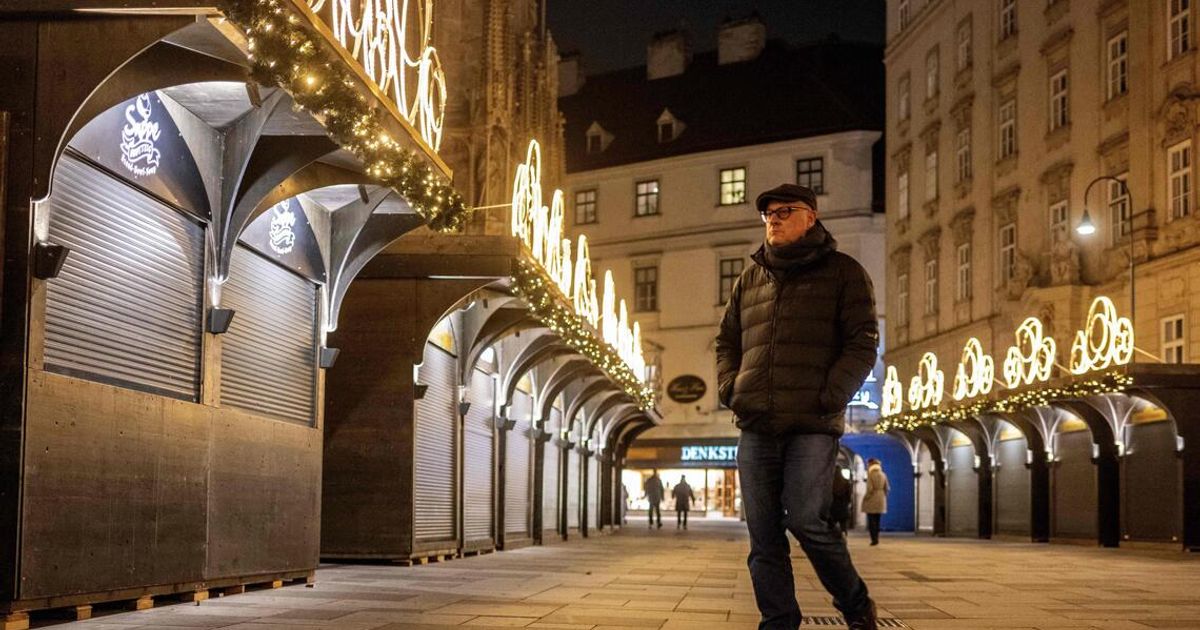
Photo via The Straits Times

Austria toughening espionage law to address Vienna’s ‘den of spies’ image

Read the original at The Straits Times ↗
Cite

The Straits Times. (2026, November 11). Austria toughening espionage law to address Vienna’s ‘den of spies’ image. The Straits Times. https://www.straitstimes.com/world/europe/austria-toughening-espionage-law-to-address-viennas-den-of-spies-image

Dated from the outlet's own feed. Check the original for its byline.

The Straits Times · collected 2026-11-11 · by The Straits Times

Quick Summary

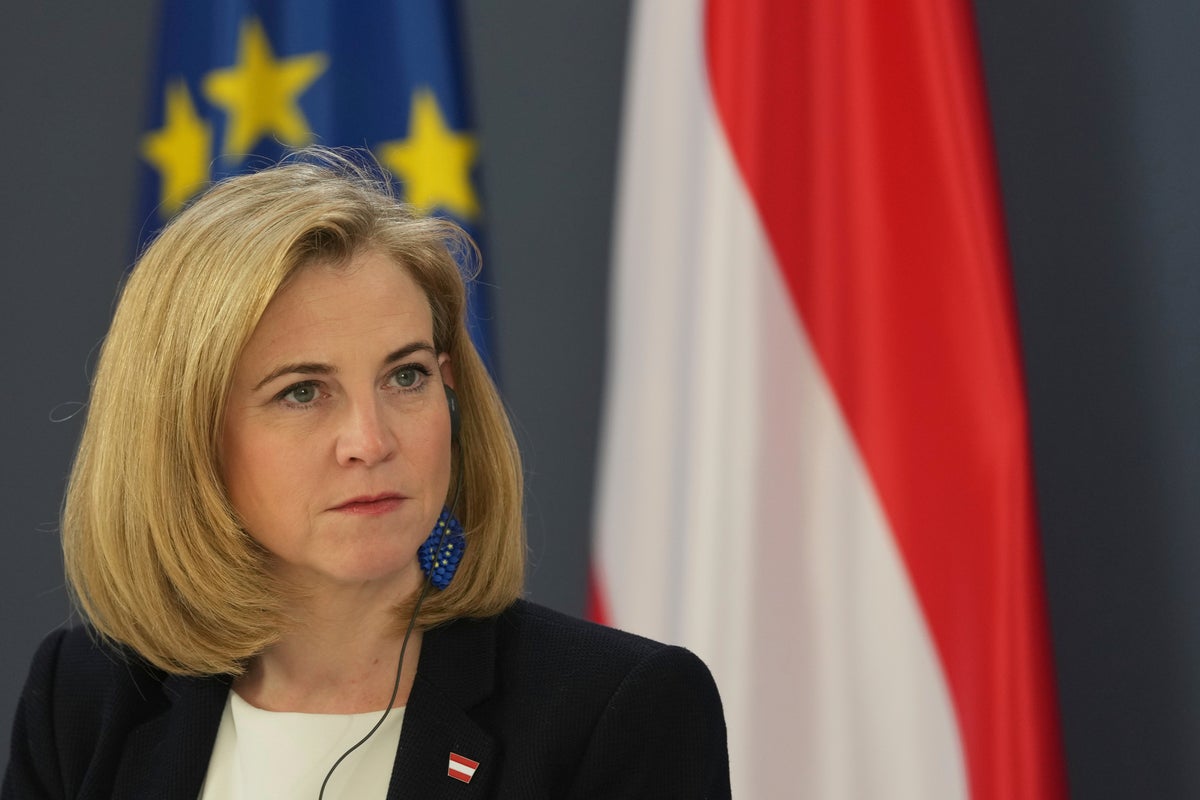
Austria’s government announced on November 11 plans to update its espionage law by increasing penalties and expanding the legal definition of spying. Currently, offenses carry a maximum five-year sentence; this will be raised to ten years for crimes against Austria and up to five years for targeting international organizations or the EU. The move aims to address Vienna’s reputation as a hub for espionage, particularly following recent expulsions of Russian diplomats. Foreign Minister Beate Meinl-Reisinger emphasized that diplomatic immunity should not shield spying activities on Austrian soil.
Written by AI on 2026-11-11, from this article's own text only (the story summary below draws on all the coverage).
See how they differ ↓

AI analysis

Story summary

Austria's government launched plans on November 11, 2026, to tighten laws against spying, aiming to protect the reputation of Vienna as a host city for international organizations like the U.N. and the International Atomic Energy Agency (IAEA). Foreign Minister Beate Meinl-Reisinger stated that espionage is a threat not only to Austria's security but also to its image as a capital of dialogue and diplomacy. The new legislation, which requires parliamentary approval, will increase the maximum sentence for spying against Austria to 10 years. Additionally, it will cover espionage targeting international organizations and the European Union with a potential sentence of up to 5 years. Vienna's long-standing reputation as a "den of spies," especially following the expulsion of several Russian diplomats, prompted this legislative action.

Written for “Austria Tightens Espionage Laws” on 2026-11-22, grounded in this article and the 1 other(s) covering the same event.

How they differ

2 outlets covered “Austria Tightens Espionage Laws”.

What each outlet says

One AI summary per outlet of its latest article on this story, written from that article alone and checked against it. Open the article for the outlet's own words.

The Straits TimesThis outlet11 Nov

Austria’s government announced on November 11 plans to update its espionage law by increasing penalties and expanding the legal definition of spying. Currently, offenses carry a maximum five-year sentence; this will be raised to ten years for crimes against Austria and up to five years for targeting international organizations or the EU. The move aims to address Vienna’s reputation as a hub for espionage…

Austria toughening espionage law to address Vienna’s ‘den of spies’ image (this article)
The Independent11 Nov

Austria's government is proposing new legislation to strengthen its anti-espionage laws, specifically targeting spying against international organizations and the European Union based in Vienna. The current law bans espionage directed at Austria but not if it targets other countries or international bodies. The proposed amendments would increase penalties for harming Austria from five to ten years of imprisonment…

Austria tightens laws against spying to protect the international organizations it hosts →

Compared with similar articles

This article reads leans right and hedges 0% of its claims. Each row says how that neighbour differs.
The Independent
Hedges 0 of 16 claims Outlet record 59/100

Story

Austria Tightens Espionage Laws
Politics · 2 article(s) covering the same event. See how they differ ↑
How this article was measured signals, leaning charts, publisher record, byline, topics and claims

Signals How these are calculated →

Claims extracted
15
sentences that state something as happening or true
Uncertain
0%
0 of 15 hedged ("reportedly", "may", "according to")
Leaning
Leans right
of the writing, not the subject · beta estimate
Publisher signals
64/100
The Straits Times's corrections and hedging, across everything collected from it. Not a measure of accuracy.
Outlets on this story
2
Politics
Same framing elsewhere
1
articles that frame the event the way this one does
Analyzed 2026-11-11 · how these are computed

How this is being covered How these are calculated →

Article leaning vs. publisher reliability
Source leaning vs. consistency

Publisher

The Straits Times · 5714 article(s) · 7 correction(s) detected
Running correction rate · 7 correction(s)

Who wrote this

The Straits Times
4036 article(s) here · 1 carrying a prediction
Republicans will have at least 173 seats in the minority.
"Mr Putin is not our friend and will never be," Polish Prime Minister Donald Tusk said.
The US is seeking answers from Nvidia on its chip sales to China and will find out who was in charge of compliance at the company formerly led by Jensen Huang, who resigned following an affair with a suspected Chinese spy, US Treasury Secretary Scott Bessent said on Nov 22.
Drones have repeatedly strayed into the airspace of countries on NATO's eastern flank during Russia's war in Ukraine, fuelling tension with the Western military alliance and stoking fears that the conflict could spread.
People will do a lot, they will break the law.
Iowa detonation of lead will proceed under emergency powers, Army says, bypassing court order NEW YORK, Nov 22 - The US Army will detonate 68 barrels of toxic lead azide in Iowa by Tuesday under emergency legal powers that allow it to bypass a court order blocking the controversial plan, the Trump administration told a court this weekend.
Trump sees difficulties ahead if Schumer leads Senate WASHINGTON/BOSTON, Nov 22 - US President Donald Trump said on Sunday that it would be difficult for him to work with Senator Chuck Schumer if the Democrat is elected Senate majority leader.
2026-11-22 · assertive framing · Trump sees difficulties ahead if Schumer leads Senate
French far-right leader Marine Le Pen on Nov 22 denied receiving confidential information from a civil servant suspected of leaking details of investigations to her National Rally (RN) party, while acknowledging she could not say whether others in the party had benefited.
Germany's army began its first tactical tests of kamikaze drones during drills on Sunday in Lithuania, where an armoured brigade of 5,000 German troops will be permanently stationed by the end of 2027.
The eastern-based government said port and naval base facilities, including warehouses, were safe and that normal operations would resume once the fire was brought under control and the site secured.
Also by The Straits Times
Nothing else under this byline is closely related to this article, so these are simply their most recent.
All 4036 articles by The Straits Times →

Topics

Austria Austrian Russia Russian Vienna

Subjects

Austria GPE · 7× Russian NORP · 5× Vienna GPE · 5× Austrian NORP · 2× Russia GPE · 2× Allied ORG · 1× Beate Meinl-Reisinger PERSON · 1× OSCE ORG · 1× the International Atomic Energy Agency ORG · 1× the Organisation for Security and Cooperation in Europe ORG · 1×

Narrative

The centrist coalition government plans to increase the maximum sentence to 10 years, she said, and widen the definition to also cover espionage against international organisations and the European Union, in which case a sentence of up to five years would apply.
framing: assertive · carried by 1 article(s) · first seen 2026-11-11
“I would like to clean up and put an end to that,” she said, before a Cabinet meeting, unveiling a Bill that will be submitted to Parliament after a review of several weeks.
2026-11-11 · The Straits Times
Austria toughening espionage law to address Vienna’s ‘den of spies’ image · assertive framing

Claims (15 extracted, 0 hedged)

Austria toughening espionage law to address Vienna’s ‘den of spies’ image asserted
Austria → toughen → image
Austria’s government outlined plans on Nov 11 to widen the legal definition of spying and increase the maximum sentence for it, seeking to stamp out Vienna’s long-standing reputation as a den of spies after the expulsions of several Russian diplomats. asserted
government → outline → diplomats
The Austrian capital, which for a decade following World War II was divided into Allied occupation sectors, is now a major diplomatic centre. asserted
which → follow → sectors
It hosts international organisations including the Organisation for Security and Cooperation in Europe, and UN bodies such as the International Atomic Energy Agency. asserted
It → host → Agency
That offers the opportunity to station intelligence agents there under the cover of diplomatic immunity. asserted
That → offer → immunity
Russian diplomats expelled in recent years have worked at the Russian embassy to Austria, as well as Russia’s missions to the UN and OSCE. asserted
diplomats → expel → UN
“Vienna is repeatedly referred to (in media reports) as a capital of espionage, for historical reasons. asserted
Vienna → refer → reasons
At the same time, a certain Third Man romanticism plays a role there,” Foreign Minister Beate Meinl-Reisinger told reporters, referring to the film starring Orson Welles set in postwar Vienna. asserted
Reisinger → play → Vienna
“I would like to clean up and put an end to that,” she said, before a Cabinet meeting, unveiling a Bill that will be submitted to Parliament after a review of several weeks. asserted
that → like → weeks
Austria will no longer ‘look the other way, minister says Currently, Austrian law bans spying to the detriment of Austria, with offences subject to a maximum sentence of just five years. asserted
offences → look → years
The centrist coalition government plans to increase the maximum sentence to 10 years, she said, and widen the definition to also cover espionage against international organisations and the European Union, in which case a sentence of up to five years would apply. asserted
sentence → plan → years
“Diplomatic status should not be abused as a cover for spying activities on our soil... asserted
status → abuse → soil
We are no longer looking the other way, and we have changed course,” Meinl-Reisinger said. asserted
Reisinger → look → course
Austria expelled four Russian diplomats in October for actions incompatible with their diplomatic status, a term generally used for spying, bringing to 18 the number of Russian diplomats it has forced to leave the country since 2020. asserted
it → expel → 2020
While Austria is a neutral country, politically its governments have sided with Ukraine since Russia launched its full-scale invasion in 2022. asserted
Russia → side → 2022
Give feedback · no sign-in needed

No sign-in needed for now. Your note is sent without a name, so it cannot be answered.

History Support