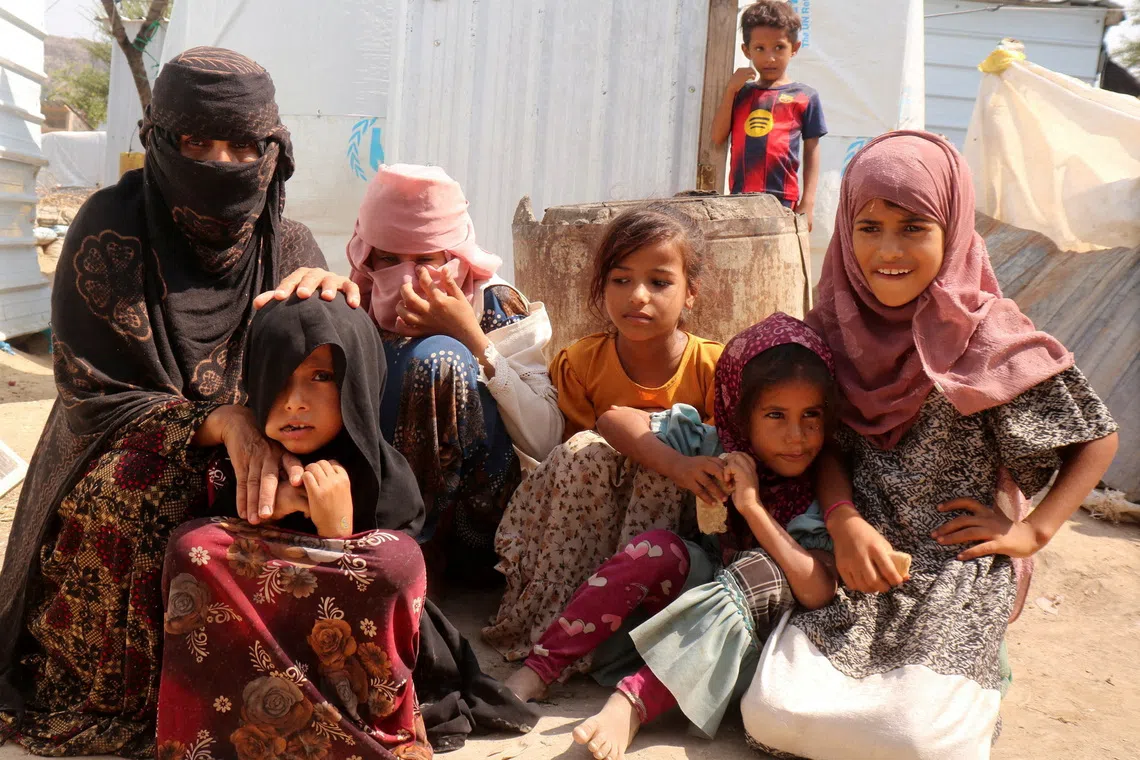
Photo via The Guardian

Thursday briefing: Yemen’s war continues to threaten oil supplies– but what about its people?

Read the original at The Guardian ↗
Cite

Brooks, L. (2026, September 17). Thursday briefing: Yemen’s war continues to threaten oil supplies– but what about its people? The Guardian. https://www.theguardian.com/world/2026/sep/17/thursday-briefing-yemens-war-continues-to-threaten-oil-supplies-but-what-about-its-people

Dated when The Aporia collected the article, usually within hours of publication. Check the original for its exact date and byline.

The Guardian · collected 2026-09-17 · by Libby Brooks

Quick Summary

The rapid advance of Houthi militants along Yemen's west coast has raised concerns over a worsening conflict and potential oil supply crisis. With 100,000 displaced in recent days, the capture of strategic islands near the Bab al-Mandab strait—one of the world’s most crucial shipping routes—has global implications due to its impact on trade and energy security. The article discusses these developments while emphasizing the humanitarian crisis faced by Yemeni civilians amidst the ongoing conflict.
Written by AI on 2026-09-17, from this article's own text only (the story summary below draws on all the coverage).
See how they differ ↓

AI analysis

Story summary

More than 112,000 people have been displaced inside Yemen, primarily along the western coast and in Taiz and Lahj provinces, due to renewed conflict between Houthis and forces loyal to the internationally recognized government backed by Saudi Arabia. Nearly 3,000 Yemenis have fled across the Bab al-Mandeb strait to reach Djibouti, adding significant strain on Djibouti's limited resources and infrastructure. The escalation includes Houthis seizing control of Mocha port and advancing towards the strategic Red Sea coast. Djiboutian officials estimate that more than 3,400 refugees arrived in just two days, further exacerbating an already dire humanitarian situation.

Written for “Yemen Conflict Displacement” on 2026-11-21, grounded in this article and the 12 other(s) covering the same event.

How they differ

6 outlets covered “Yemen Conflict Displacement”.

What each outlet says

One AI summary per outlet of its latest article on this story, written from that article alone and checked against it. Open the article for the outlet's own words.

The GuardianThis outlet17 Sep

The rapid advance of Houthi militants along Yemen's west coast has raised concerns over a worsening conflict and potential oil supply crisis. With 100,000 displaced in recent days, the capture of strategic islands near the Bab al-Mandab strait—one of the world’s most crucial shipping routes—has global implications due to its impact on trade and energy security. The article discusses these developments while…

Thursday briefing: Yemen’s war continues to threaten oil supplies– but what about its people? (this article)
Al Jazeera19 Sep

More than 2,700 Yemenis have fled to Djibouti to escape their country's conflict, many arriving after dangerous sea crossings. They are now staying in shelters in Obock, a town in northern Djibouti, where they are seeking help. Al Jazeera reported on the situation by interviewing some of the newly arrived refugees.

Djibouti refugee crisis worsens as more than 2,700 Yemenis arrive →7 articles from Al Jazeera on this story
The Straits Times18 Sep

Yemenis are fleeing their homes due to renewed conflict between Houthi forces and government-aligned troops, with at least 115,000 displaced since fighting resumed recently. Rawya Hassan and her family escaped barefoot from a camp near Taiz province after a bombardment, joining thousands in al-Bireen camp where they are now reliant on aid. This reporting focuses on the personal stories of displacement and fear among…

Barefoot and terrified, Yemenis flee the Houthi advance →2 articles from The Straits Times on this story
The Hindu18 Sep

The United Nations migration agency reported that at least 112,000 people were displaced within Yemen over the past two weeks due to renewed conflict along the west coast. Additionally, nearly 3,000 refugees fled by sea to Djibouti in less than a week, with Djiboutian authorities preparing for up to 10,000 more arrivals. The article highlights how escalating violence and the Houthi advance towards strategic shipping…

Yemen conflict displaces 1,12,000 people inside country, thousands flee to Djibouti, UN migration agency says →
New York Post18 Sep

As fighting intensifies along Yemen’s west coast, at least 112,000 people have been displaced internally within two weeks, with nearly 3,000 crossing by sea to Djibouti. The United Nations reports that the government of Djibouti is bracing for up to 10,000 additional refugees, adding strain to its health and education services. This displacement comes amid a long-standing civil war between forces loyal to the…

At least 112,000 people displaced in Yemen as Houthi fighting intensifies →
BBC21 Sep

Yemeni refugees are fleeing across the Red Sea from Dhubab due to escalating conflict between Houthi rebels and Saudi-backed forces. Over 3,000 people have arrived at a refugee camp in Obock, Djibouti, within just days, with the UN estimating that more than 120,000 Yemenis have been displaced by recent fighting near Bab al-Mandab strait. Families arrive exhausted and bring few possessions; Ibrahim Issa, a fisherman…

Yemenis flee across Red Sea as Houthis and Saudi-backed forces escalate war →

Where they agree and split

The full story: what happened, how it changed, and all 13 articles →

Compared with similar articles

This article reads leans left and hedges 10% of its claims. Each row says how that neighbour differs.
ABC News (AU)
Leans right further right than this Hedges 5 of 48 claims Outlet record 67/100
The Independent
Leans left Hedges 3 of 47 claims Outlet record 59/100
Semafor
Leans strongly left further left than this Hedges 2 of 31 claims Outlet record 64/100
“The articles discuss different aspects of oil supply crises but refer to distinct events and timeframes.”
The Straits Times
Leans left Hedges 5 of 41 claims Outlet record 64/100
South China Morning Post
Leans right further right than this Hedges 0 of 4 claims Outlet record 62/100
The Straits Times
Leans strongly left further left than this Hedges 5 of 42 claims Outlet record 64/100
Al Jazeera
Hedges 0 of 2 claims Outlet record 60/100
“Article A describes the military conflict and displacement of people in Yemen, while Article B focuses on refugees arriving in Djibouti from Yemen. Although related, they describe different aspects of a broader situation.”
The Straits Times
Hedges 0 of 10 claims Outlet record 64/100
The Straits Times
Hedges 0 of 23 claims Outlet record 64/100
New York Post
Hedges 0 of 7 claims Outlet record 66/100

Story

Yemen Conflict Displacement
World · 13 article(s) covering the same event. Compare every outlet's account →
How this article was measured signals, leaning charts, publisher record, byline, topics and claims

Signals How these are calculated →

Claims extracted
79
sentences that state something as happening or true
Uncertain
10%
8 of 79 hedged ("reportedly", "may", "according to")
Leaning
Leans left
of the writing, not the subject · beta estimate
Publisher signals
64/100
The Guardian's corrections and hedging, across everything collected from it. Not a measure of accuracy.
Outlets on this story
13
World
Same framing elsewhere
1
articles that frame the event the way this one does
Analyzed 2026-09-17 · how these are computed

How this is being covered How these are calculated →

Article leaning vs. publisher reliability
Source leaning vs. consistency

Publisher

The Guardian · 3744 article(s) · 8 correction(s) detected
Running correction rate · 8 correction(s)

Who wrote this

Libby Brooks
13 article(s) here · 1 carrying a prediction
Ahead of the hotly anticipated UK-EU summit this Friday, Andy Burnham is expected to make the reset of our relationship with Europe the pivotal theme of his white-tie speech at the lord mayor’s banquet in London tonight.
Donald Trump signed a proclamation that he says will prevent future administrations from changing his design of the Oval Office and Cabinet Room, spaces he declared as national monuments that should be preserved.
John Healey has backed away from cutting the cost of welfare this parliament, amid dire warnings his first budget could lead to brutal spending cuts because of a £28bn shortfall in public finances.
I spoke to the Guardian’s Latin America correspondent Tom Phillips, who was in São Paulo at the Workers’ party vote count, to find out what the result means and what may lie ahead.
Emmanuel Macron has said “illegitimate” demonstrations will be banned over the coming days as France seeks to get a grip on civil unrest after some of its worst street violence in years.
For our prime minister, it’s “one of the most annoying things on public transport”: maybe you’re trying to work, or read, or you’ve finally got your kid to sleep, when someone starts blasting sound from their phone at full volume. As I sign off this First Edition en route from Glasgow to London (the things I’ve heard on this commute, against my will, I’ll save for another newsletter), I’m hoping everyone has been paying attention.
Kemi Badenoch has announced that the Conservatives would abolish inheritance tax on family homes if elected, prompting criticism that she is prioritising cutting taxes for the rich.
While Green members celebrated, or mourned, the motion passing, some have questioned its purpose, arguing it will distract from what’s important – keeping eyes on Gaza and holding the Israeli government to account – instead igniting a divisive discussion about ideology that will only harm the party. Today, I spoke to Guardian columnist Jonathan Freedland, to understand how the vote has been received by many Jewish people beyond the Greens, and senior political correspondent Peter Walker, who reported on the fallout of the vote at the party conference in Brighton at the weekend.
Later today, Donald Trump will be in the state of Nebraska to rev up supporters as he kicks off a campaign blitz of rallies ahead of the midterm elections on 3 November.
When prompted, AI chat bots will edit images to remove the hijabs from Muslim women, a violation of one of the world’s most common and visible expressions of faith.
Also by Libby Brooks
Nothing else under this byline is closely related to this article, so these are simply their most recent.
All 13 articles by Libby Brooks →

Topics

Houthi Houthis Iran Yemen Yemeni

Subjects

Yemen GPE · 6× Yemeni NORP · 5× Al-Muslimi PERSON · 3× Houthi NORP · 3× Houthis NORP · 3× Iran GPE · 3× Saudi NORP · 3× Farea Al-Muslimi PERSON · 1× Hormuz GPE · 1× Israel GPE · 1×

Narrative

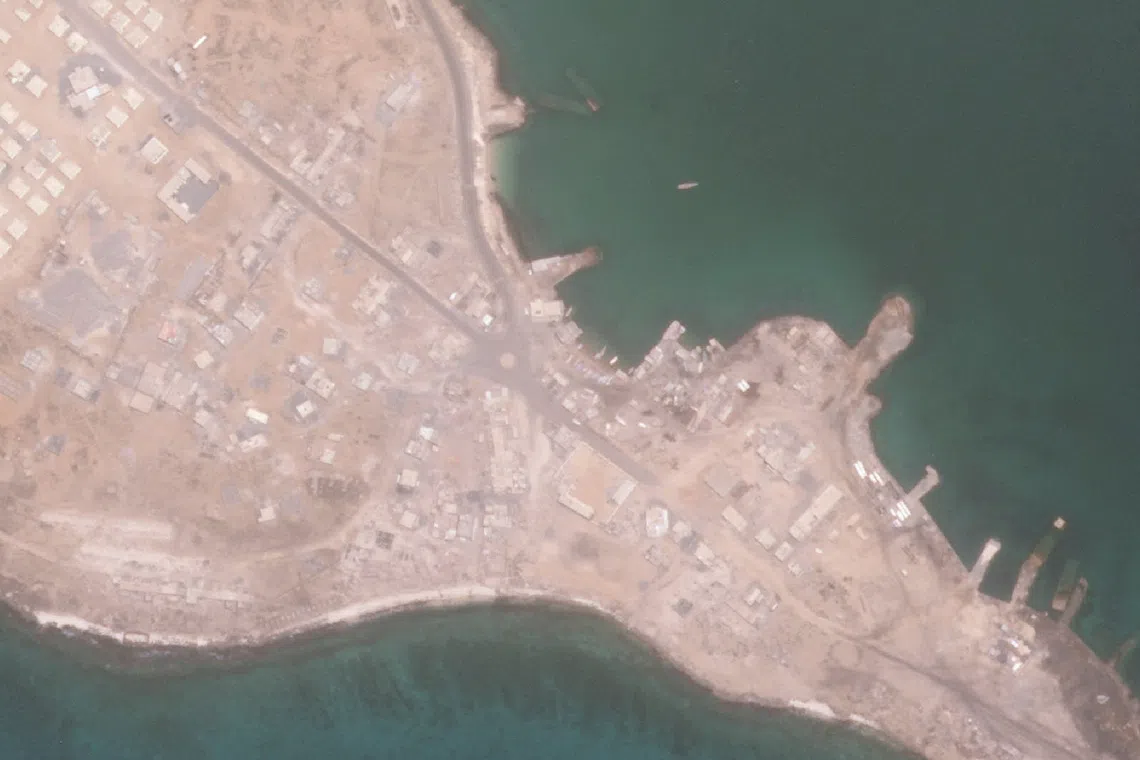
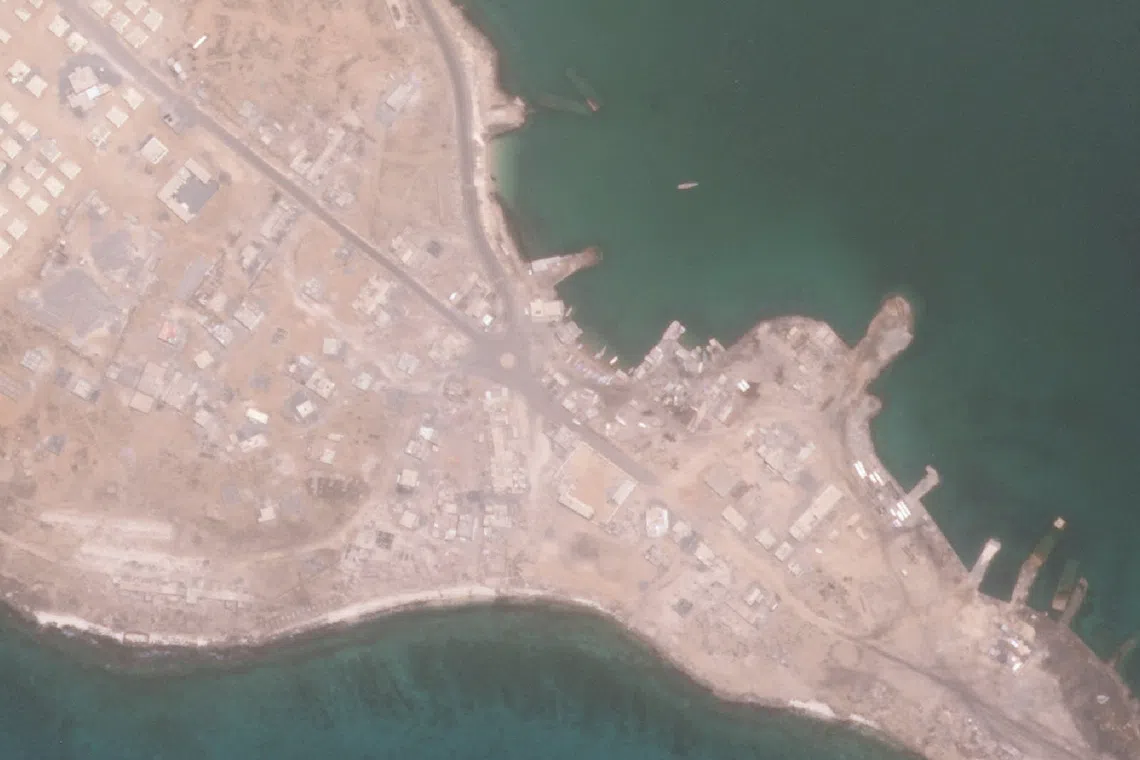
This erupted about a week ago with the militants seizing control of parts of the west coast and gaining a hold over the Bab al-Mandab strait, including the strategic port of Mocha and key islands of Perim, Greater and Lesser Hanish in the 20-mile stretch of water that forms a natural chokepoint on the trade route connecting Asia with Europe.
framing: assertive · carried by 1 article(s) · first seen 2026-09-17
Key allies of Andy Burnham have warned the prime minister not to back down over his promises to put water companies under public control, after details emerged about the prime minister’s plan to give mayors more oversight of the industry.

Claims (79 extracted, 8 hedged)

The lightning advance of Houthi militants along the west coast of Yemen over the past week has prompted fears of a spiralling conflict in the region and a new oil supply crisis. asserted
advance → prompt → region
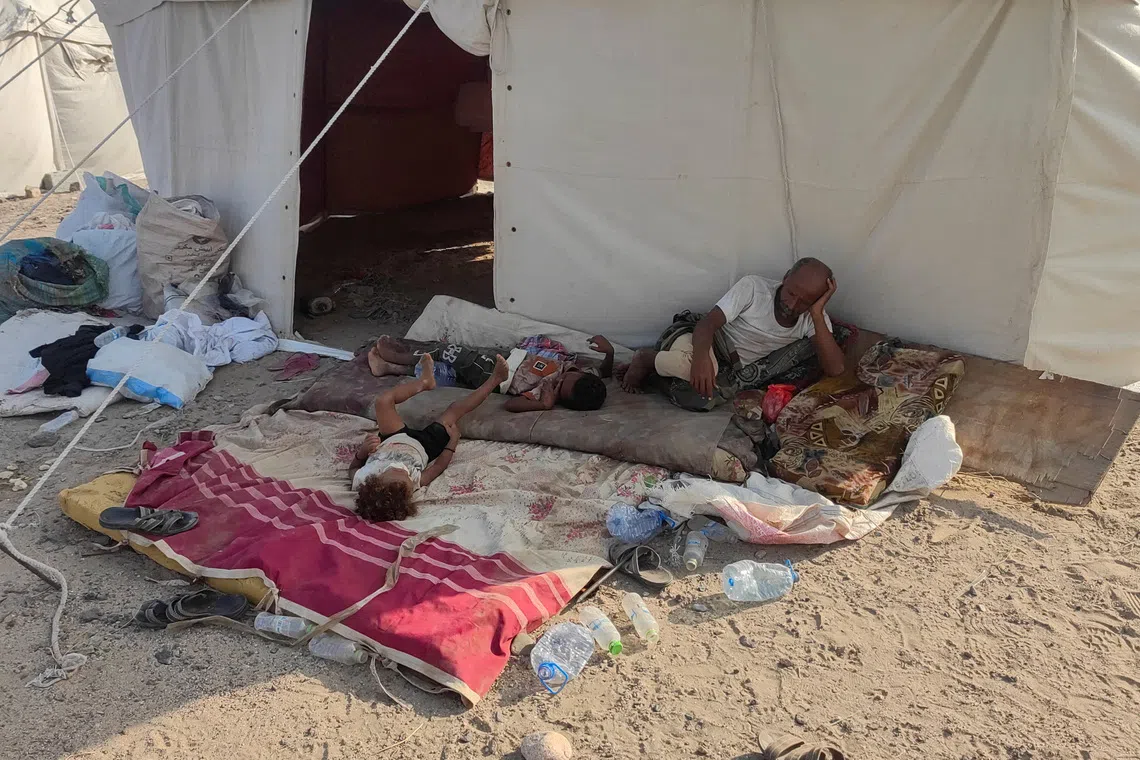
For families living in the Middle East’s poorest country, the most significant fighting between the Iran-aligned Houthis and the Saudi-backed Yemeni government forces in years is a crisis upon a catastrophe, with escalating civilian casualties and at least 100,000 displaced in recent days. asserted
fighting → live → days
Houthi fighters have captured strategic islands across a critical Red Sea trade route, the Bab al-Mandab strait, one of the most important shipping routes in the world – almost 15% of global sea trade passes through it. asserted
% → capture → it
The strait of Hormuz, through which a fifth of the world’s traded oil and gas transited in peacetime, has remained largely blocked since the US and Israel launched airstrikes in February, so the prospect of Iran and its allies exerting pressure on two maritime choke points has global implications. asserted
Iran → trade → implications
The price of crude oil has already begun to spike. asserted
price → begin → oil
For today’s newsletter, I spoke to Farea Al-Muslimi, a research fellow at Chatham House, about this new and dangerous dimension to the ongoing war in Yemen, and why fears over oil and global trade must not overshadow the plight of ordinary Yemenis. asserted
fears → speak → Yemenis
Key allies of Andy Burnham have warned the prime minister not to back down over his promises to put water companies under public control, after details emerged about the prime minister’s plan to give mayors more oversight of the industry. asserted
details → warn → industry
Climate breakdown probably weakened the glacier that collapsed causing catastrophic floods and killing hundreds of people in Nepal and Tibet last month, the first scientific study of the disaster has found. asserted
study → weaken → disaster
Women with the same medical condition as men are less likely to be offered treatment such as surgery, a stent or a strong painkiller, research has found. asserted
research → offer → surgery
The UK government’s EU reset summit will be delayed again unless the bloc agrees to discuss legislation that could lock British business out of parts of EU industry, government sources have said. uncertain
sources → delay → industry
Police searching for a three-year-old boy who went missing from a playground on the Suffolk-Essex border have found a body. asserted
who → search → body
In depth: The fight for Yemen’s Red Sea coast The current escalation of violence in Yemen has its roots in a civil war that broke out in 2014 between the Yemeni army and the Houthi movement, which champions Yemen’s Shia Muslim minority. asserted
which → have → minority
A year later, the Houthis – part of Iran’s “axis of resistance”, a loose coalition of armed groups that includes Hamas and Hezbollah – toppled the Saudi-backed Yemeni government. asserted
that → include → government
Al-Muslimi grew up in a remote mountain village in Yemen, where his family made honey, one of the country’s most lucrative and popular exports. asserted
family → grow → exports
His mother used to tease him because the bees didn’t recognise him after he spent long periods studying away from home – he was the only person in his family who had to wear a beekeeping suit. asserted
who → use → suit
Al-Muslimi now writes about how the years-long internecine conflict has had a devastating impact on the honey trade and the farmers who tend Yemeni bees. asserted
who → write → bees
At least 150,000 people have been killed since 2014, mainly through aerial bombardment by the Saudi-backed coalition that supports the Yemeni government, which has resumed this week. asserted
which → kill → government
About 4.5 million people – the population of Birmingham and Greater Manchester combined – have already been displaced by fighting over the past decade, while the UN estimates that more than 18.2 million – twice the population of London – are in dire need of humanitarian assistance. asserted
million → combine → assistance
The situation now is “worse than 2015”, says Al-Muslimi, with global attention diverted to crises in Syria, Sudan, and Ukraine and now focused on oil prices and regional consequences. asserted
attention → say → prices
After the Houthis captured the port city of Mocha, birthplace of the global coffee trade, last week, Al-Muslimi heard local media reports of more than 240 pregnant women ready to give birth without accessible healthcare. asserted
Muslimi → capture → healthcare
“It’s absolutely nuts,” he says. asserted
he → ’ → ?
“This is a country that was already suffering so many things, including indifference.” asserted
that → suffer → indifference
How has the conflict escalated in the past week? asserted
conflict → escalate → week
It has been plain for months to Yemen-watchers that the Houthis were preparing for a significant offensive, says al-Muslimi. asserted
Muslimi → prepare → offensive
This erupted about a week ago with the militants seizing control of parts of the west coast and gaining a hold over the Bab al-Mandab strait, including the strategic port of Mocha and key islands of Perim, Greater and Lesser Hanish in the 20-mile stretch of water that forms a natural chokepoint on the trade route connecting Asia with Europe. asserted
that → erupt → Europe
With government supporters in disarray, the degree of division among anti-Houthi forces is complicating the fight back. asserted
degree → complicate → fight
The Houthis have achieved what Al-Muslimi calls “the most consequential change in territorial control in Yemen for years”. asserted
Muslimi → achieve → years
Since then, the Houthis have claimed responsibility for missile and drone attacks on Saudi Arabia, including the bombing of a critical east-west oil pipeline. asserted
Houthis → claim → pipeline
On Wednesday a military spokesperson for the Houthis denied attempting to fly a drone close to the holy city of Mecca, and claimed that Saudi Arabia has carried out as many as 450 airstrikes in Yemen this week in retaliation. asserted
Arabia → deny → retaliation
The ongoing aggression is driving fears that more Muslim nations could be drawn into the conflict. uncertain
nations → drive → conflict
What does it mean for global oil supply? asserted
it → mean → supply
If the Houthis were to close the Bab al-Mandab strait, vessels would be forced to reroute all the way around the southern tip of Africa. asserted
vessels → close → Africa
The consequences for the global economy could be dire, particularly when taken along with the ongoing blockade of Hormuz. uncertain
consequences → take → Hormuz
With Iran and its Houthi allies controlling potentially a third of energy trade globally, “it’s more dangerous than a nuclear bomb,” says Al-Muslimi bluntly, “especially at a time when the world still depends massively on this type of energy”. asserted
world → control → energy
Attacks on Saudi Arabia’s east-west pipeline – which is now closed for repairs and has been crucial for moving oil from the strait of Hormuz to the Red Sea export hub of Yanbu – will add further pressure to global supplies. asserted
which → close → supplies
Al-Muslimi advises caution over Houthi claims that they don’t intend to impose transit fees on vessels passing through Bab al-Mandab. uncertain
they → advise → Mandab
The UN security council has seen evidence that, since the militants started attacks on Red Sea shipping in 2023, in response to Israel’s decimation of Gaza, the Houthis have been extracting informal payments from some shipping agencies in return for safe passage. asserted
Houthis → see → passage
Meanwhile, Saudi anger with Iran for assisting Houthi attacks saw the cancellation of a meeting with Gulf states about the future of the strait of Hormuz on Monday. asserted
anger → assist → Monday
Reports in the early hours today that Saudi Arabia may be offering more crude cargoes through Oman saw the price of Brent crude drop to $104.59 a barrel after hitting $108 earlier this week. uncertain
price → offer → 108
But for perspective, it was trading at $80 a barrel in early July. asserted
it → trade → July
…and 39 more, not listed.
Give feedback · no sign-in needed

No sign-in needed for now. Your note is sent without a name, so it cannot be answered.

History Support