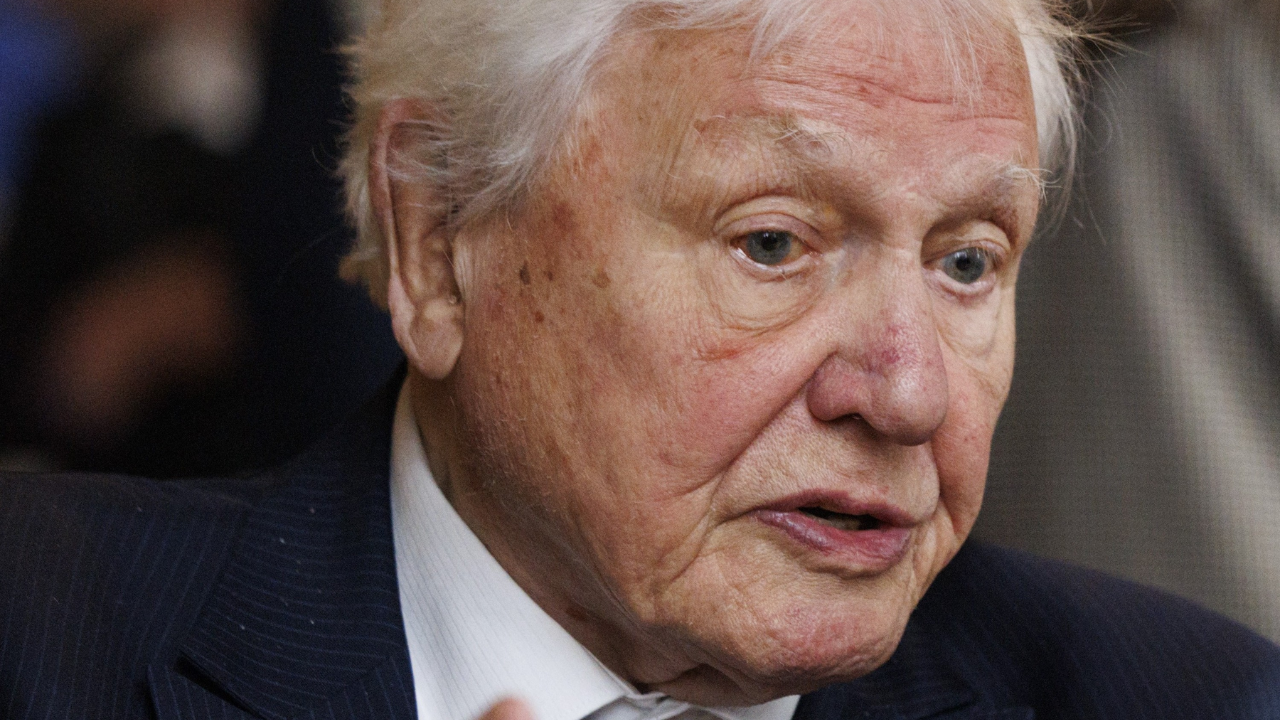
A Facebook message from someone claiming to be Sir David Attenborough eventually turned into a relationship that a 74-year-old Canadian widow believed could lead to marriage and a new life in Britain.
uncertain
widow → claim → Britain
For six months, Diane exchanged intimate messages with the supposed broadcaster, sent him money and began making plans to leave her home behind.
asserted
Diane → exchange → home
As reported by The Independent, the person on the other side of the screen was not Attenborough.
asserted
person → report → screen
Using fabricated photographs, an AI-generated video and a succession of personal crises, the fraudster persuaded her to part with a substantial portion of her savings.
asserted
fraudster → use → savings
By the time her son discovered what was happening, the financial damage and emotional fallout had already begun.
asserted
damage → discover → time
Fake David Attenborough Facebook account drew Diane into a six-month romance scam
Diane first encountered the fake celebrity account in October 2024.
asserted
Diane → draw → October
The profile presented itself as belonging to Attenborough, and the initial contact soon developed into regular conversations.
asserted
contact → present → conversations
As reported, the person managing the account suggested moving their exchanges to Telegram, claiming the messaging platform would offer greater privacy.
uncertain
platform → report → privacy
What followed was an increasingly consuming online relationship.
asserted
followed → follow → ?
Diane began staying awake late into the night to speak with the man, who said he was following British time.
asserted
he → begin → time
Their conversations became part of her daily routine, and within weeks, the two were exchanging declarations of love.
asserted
two → become → love
There was little reason for Diane to believe that the person behind the account was facing the sort of financial difficulties he described.
asserted
he → be → difficulties
But the supposed relationship soon acquired a series of problems that required her help.
asserted
that → suppose → help
He claimed his former wife had taken hundreds of thousands of pounds from him, leaving him struggling to recover the money.
asserted
wife → claim → money
How the supposed broadcaster began asking for money
The requests for financial assistance started with what appeared to be a temporary problem.
asserted
what → suppose → assistance
The fraudster told Diane that he needed money to pay a lawyer who could help retrieve the funds allegedly taken by his former wife.
uncertain
who → tell → wife
He also claimed he needed the money to arrange life-saving treatment for a kidney condition.
asserted
he → claim → condition
Diane initially transferred CA$4,000, equivalent to approximately £2,200.
asserted
Diane → transfer → 2,200
The requests did not stop there.
asserted
requests → stop → ?
Over the following weeks, she sent further amounts, sometimes a few hundred dollars and sometimes several thousand.
asserted
she → follow → amounts
The payments were made through cash deposits into a cryptocurrency account specified by the fraudster.
asserted
payments → make → fraudster
This arrangement made the transactions harder to trace and left Diane with little prospect of recovering the money once it had been transferred.
By March 2025, she had handed over CA$22,000, roughly half of her life savings.
asserted
she → make → savings
She was left with only CA$6,000 in an account she could access.
uncertain
she → leave → account
Diane later acknowledged that she had suspected something was wrong even while the relationship continued.
asserted
relationship → acknowledge → ?
There were moments when she questioned the identity of the person she was speaking to, but her feelings had become deeply involved.
asserted
feelings → be → person
She knew the situation did not always make sense and continued sending money anyway.
asserted
situation → know → money
AI-generated images and a fake video helped sustain the deception
The fraudster also had to maintain the appearance that he was the celebrated natural historian Diane believed she was communicating with.
asserted
she → generate → appearance
An AI-generated photograph of Attenborough was used on the Facebook profile, giving the account a visual identity that could appear convincing to someone unfamiliar with the signs of digital impersonation.
uncertain
that → generate → impersonation
As Diane began asking more questions, the person behind the account supplied further material.
asserted
person → begin → material
Eventually, she received a pre-recorded video featuring an AI-generated version of Attenborough, complete with a fabricated voice.
asserted
she → receive → voice
The technology gave the fraudster another way to reinforce the story.
asserted
technology → give → story
Rather than relying entirely on written messages and photographs, the account could now appear to offer a personal video from the man Diane believed was her partner.
uncertain
Diane → rely → man
Her doubts did not disappear completely.
asserted
doubts → disappear → ?
She withdrew the remaining funds from the cryptocurrency account after becoming suspicious, but the break was short-lived.
asserted
break → withdraw → account
A few days later, the fraudster contacted her through another Facebook profile, presenting the new account as further proof of his identity.
asserted
fraudster → contact → identity
Diane resumed communicating with him.
asserted
Diane → resume → him
Marriage plans and the prospect of moving to London
The relationship had by then moved beyond requests for money to discussions about their future together.
asserted
relationship → move → future
The supposed Attenborough spoke about marriage and a life in Britain, suggesting that Diane could join him in London.
uncertain
Diane → suppose → London
She would first have to sell her Canadian flat and send him the proceeds.
asserted
She → have → proceeds
Diane began preparing for the move and bought a passport.
asserted
Diane → begin → passport
…and 47 more, not listed.
 The Aporia