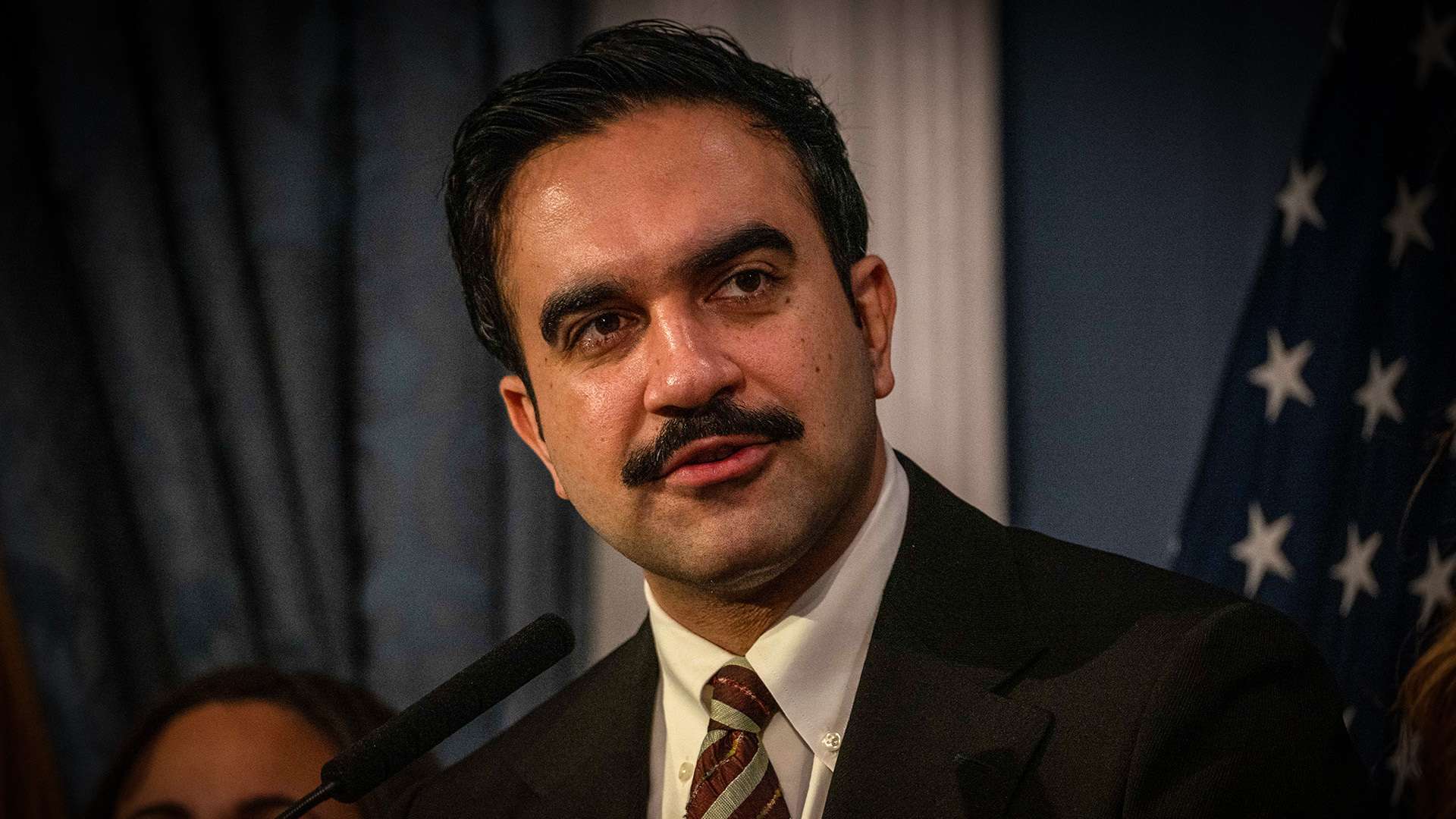
Photo via Reason

Inside the Administration's Chip Divide

Read the original at Reason ↗
Cite

Wolfe, L. (2026, November 17). Inside the Administration's Chip Divide. Reason. https://reason.com/2026/11/17/inside-the-administrations-chip-divide/

Dated from the outlet's own feed. Check the original for its byline.

Reason · collected 2026-11-17 · by Liz Wolfe

Quick Summary

The Trump administration is grappling with how to restrict Chinese access to American AI chips while maintaining a positive relationship with China. The Commerce Department announced new rules restricting exports of advanced chips to high-risk countries in Southeast Asia, requiring due diligence from data centers that supply significant computing power to Chinese companies. President Trump acknowledged the divided opinions within his cabinet, with Commerce Secretary Lutnick favoring a softer approach and Treasury Secretary Bessent advocating for stricter export controls to curb China's access to U.S. chip technology.
Written by AI on 2026-11-17, from this article's own text only (the story summary below draws on all the coverage).
See how they differ ↓

AI analysis

Story summary

The U.S. Department of Commerce issued an interim rule on November 16, 2026, limiting other countries' access to advanced AI chips made in America. This move aims to address concerns that Chinese firms were circumventing existing export controls by accessing these chips through data centers in third countries like Indonesia, Malaysia, Singapore, and Thailand. The rule requires a license for exporting advanced semiconductors to countries deemed high-risk for diversion, such as those in Southeast Asia. The announcement came amid scrutiny following the resignation of Nvidia CEO Jensen Huang due to a scandal involving a lover and a customer accused of illegally diverting AI chips to China. Commerce Secretary Howard Lutnick faced criticism for being too permissive of Nvidia's sales to China, while Treasury Secretary Scott Bessent called for stricter measures. Congress is now pushing for stricter enforcement of these rules to ensure compliance and prevent future exploitation of legal loopholes.

Written for “US-China Chip Export Tensions” on 2026-11-22, grounded in this article and the 27 other(s) covering the same event.

How they differ

18 outlets covered “US-China Chip Export Tensions”.

What each outlet says

One AI summary per outlet of its latest article on this story, written from that article alone and checked against it. Open the article for the outlet's own words.

ReasonThis outlet17 Nov

The Trump administration is grappling with how to restrict Chinese access to American AI chips while maintaining a positive relationship with China. The Commerce Department announced new rules restricting exports of advanced chips to high-risk countries in Southeast Asia, requiring due diligence from data centers that supply significant computing power to Chinese companies. President Trump acknowledged the divided…

Inside the Administration's Chip Divide (this article)2 articles from Reason on this story
Semafor17 Nov

China has warned of potential retaliation against the United States if the US proceeds with plans to restrict remote access to advanced semiconductor technology. This threat comes as the two nations prepare for a summit and amid revelations about Nvidia’s former CEO, Jensen Huang, which have spurred more restrictive US policies toward China’s tech sector. These new restrictions could significantly hinder China’s…

China threatens retaliation against US chip curbs →3 articles from Semafor on this story
The Straits Times18 Nov

China’s Ministry of Commerce criticized new US restrictions on Chinese access to advanced AI chips, warning of potential retaliation and emphasizing the need for dialogue to resolve tensions. The restrictions, announced on November 16, aim to prevent Chinese companies from accessing high-end semiconductors through remote means and via countries like Singapore. The measures come as President Xi Jinping prepares to…

China warns US of retaliation over new AI chip restrictions →3 articles from The Straits Times on this story
The Hindu19 Nov

The U.S. Commerce Department issued an interim final rule on November 16, 2026, restricting data center operators outside the U.S. from providing cloud services using advanced American AI chips to businesses in five countries, including China, Iran, and Russia. The rule also mandates that American companies obtain explicit government approval before shipping high-end AI chips to five other countries, such as…

How U.S. controls flow of advanced tech, chip, and compute to China | Explained →3 articles from The Hindu on this story
Just the News16 Nov

The Department of Commerce's Bureau of Industry and Security announced a new interim final rule on Monday, tightening restrictions on foreign, particularly Chinese, remote access to advanced AI processors. This rule aims to address concerns raised by an alleged espionage incident involving NVIDIA and follows the Trump administration's emphasis on protecting American technology from unauthorized access.

Trump admin clamps down on foreign remote access to AI processors →2 articles from Just the News on this story
Washington Examiner20 Nov

The Department of Commerce issued new regulations on Monday aimed at preventing American technology companies from exporting advanced chips to foreign countries that cooperate with China, addressing a practice that had been exploiting legal loopholes. These regulations are seen as necessary to uphold America’s technological dominance, which is crucial for national security, as advanced chips are integral to…

Congress must hold Lutnick to the new China chip rule →2 articles from Washington Examiner on this story
Show 12 more outlets
Al Jazeera20 Nov

US lawmakers are advocating for stricter regulations on the export of advanced AI chips to prevent them from ending up in China. The Department of Commerce has recently announced new rules that require data centre customers in certain countries to obtain special licenses to purchase US AI chips, closing a loophole that allowed Chinese companies to access these chips remotely. Representative Pramila Jayapal…

US lawmakers push for tougher AI chip rules amid China export crackdown →2 articles from Al Jazeera on this story
CBS News16 Nov

The U.S. Department of Commerce has issued an interim rule to restrict remote access to advanced AI chips from countries like China by limiting exports to certain Southeast Asian nations. This move follows Nvidia CEO Jensen Huang’s resignation amid concerns about potential espionage, and aims to prevent circumvention of existing export regulations through data centers in third countries. The new rule requires…

Commerce Department moves to curb remote access to AI chips →
New York Post16 Nov

The Commerce Department announced a new rule on Monday to address a loophole that has allowed Chinese firms to bypass export controls on American AI chips by leasing them through data centers in third countries like Indonesia and Malaysia. The rule requires licenses for exporting advanced semiconductors to these countries, following criticism from Treasury Secretary Scott Bessent and concerns raised by Senator Maria…

Commerce Department moves to crack down on Chinese AI chip loophole amid Nvidia scandal →
CBC16 Nov

The Trump administration has tightened restrictions on exporting advanced AI chips to China, targeting countries like Malaysia and Thailand where Chinese companies use data centers to access these chips. This move comes ahead of Trump’s meeting with Chinese President Xi Jinping in Shenzhen during the APEC summit. The new rule requires companies in Singapore, Thailand, Malaysia, Indonesia, and Brazil to obtain U.S…

U.S. further restricts China's access to AI chips in wake of Nvidia scandal →
Time16 Nov

The Trump administration announced new restrictions aimed at preventing Chinese tech firms from bypassing U.S. export controls on advanced AI chips through third countries. The new rule, set to take effect in 90 days, requires buyers from Indonesia, Malaysia, Singapore, Thailand, and Brazil to secure licenses for certain advanced semiconductors. This move comes days before President Trump’s meeting with Chinese…

U.S. to Clamp Down On AI Chip Loophole Ahead Of Trump Meeting With Xi →
Toronto Star16 Nov

The Trump administration has announced new regulations to restrict remote access to advanced U.S. computing chips and servers, aiming to prevent China from using American technology to enhance its artificial intelligence capabilities. This move comes shortly after Nvidia co-founder Jensen Huang stepped down as CEO, following investigations into his ties with a former Megaspeed International executive, who is accused…

Trump administration moves to block China from indirect access to American AI technology →
NPR16 Nov

The U.S. government has implemented new regulations to prevent remote access to advanced AI technology from overseas data centers, closing a loophole that could allow foreign governments to access U.S. AI technology indirectly. This move follows the recent scandal involving Nvidia CEO Jensen Huang and his alleged romantic involvement with a suspected Chinese intelligence operative. The Commerce Department's Bureau…

U.S. tightens controls on remote access to AI technology amid Nvidia fallout →
NBC News16 Nov

The U.S. Commerce Department has introduced a new rule that requires data center customers in Indonesia, Malaysia, Singapore, Thailand, and Brazil to obtain special licenses from the department to purchase advanced AI chips from American companies like Nvidia and AMD. This move aims to address concerns about Chinese companies potentially circumventing export restrictions by remotely accessing these chips in foreign…

U.S. closes loophole that let Chinese companies use top AI chips in foreign data centers →
BBC17 Nov

The U.S. has announced new interim rules that will increase scrutiny of data center operators in South East Asian countries like Singapore, Malaysia, Thailand, Indonesia, and Brazil, aiming to restrict China's access to advanced semiconductors and computing power used for training AI models. These measures require U.S. government licenses for the purchase of advanced chips from American chipmakers, impacting Chinese…

How new US chip restrictions on South East Asia will hit China →
Global News17 Nov

The Trump administration has issued new rules restricting remote access to advanced U.S. computing chips and servers, aiming to prevent China from using American technology to train its AI models. The regulations require overseas data centers serving companies in China, Russia, Iran, and Cuba to disclose end users and impose additional licensing requirements for chip sales to countries like Indonesia, Malaysia…

Trump administration moves to block Chinese remote access to U.S. AI tech →
Times of India17 Nov

China has criticized new US export restrictions on advanced semiconductor chips, alleging that Washington is misusing national security concerns to disrupt global tech trade. The criticism emerged as US President Donald Trump was set to meet Chinese President Xi Jinping in Shenzhen for the APEC summit. The US Commerce Department introduced rules requiring export licenses for chip shipments to several countries…

China-US tech tensions flare ahead of Trump-Xi talks over new chip export curbs →
The Independent19 Nov

Chinese tech firms are preparing for potential disruptions to their artificial intelligence initiatives due to tightened U.S. restrictions on chip exports to China. Alibaba, which recently reported a 53% year-over-year surge in AI cloud and compute services revenue to nearly 61 billion yuan ($9 billion), has warned that these new rules could impede its global data center expansion plans. The U.S. restrictions aim to…

Chinese tech firms fear AI hits from US curbs after Nvidia fallout →

Where they agree and split

Framing

How the first headlines put it

Stated as fact14
The headlines (14)

US moves to close 'remote access' chip loophole Semafor · stated as fact

US to curb China’s access to AI chips as Trump heads to Asia The Straits Times · stated as fact

Commerce Department moves to curb remote access to AI chips CBS News · stated as fact

Commerce Department moves to crack down on Chinese AI chip loophole amid Nvidia scandal New York Post · stated as fact

Commerce Department issues rule limiting other countries' access to America's advanced AI chips Just the News · stated as fact

U.S. further restricts China's access to AI chips in wake of Nvidia scandal CBC · stated as fact

U.S. to Clamp Down On AI Chip Loophole Ahead Of Trump Meeting With Xi Time · stated as fact

Trump administration moves to block China from indirect access to American AI technology Toronto Star · stated as fact

U.S. tightens controls on remote access to AI technology amid Nvidia fallout NPR · stated as fact

U.S. closes loophole that let Chinese companies use top AI chips in foreign data centers NBC News · stated as fact

Trump administration cracks down on China-Nvidia chips loophole Washington Examiner · stated as fact

Trump's New Chip Export Rule Targets China but Exempts TikTok's Parent Company Reason · stated as fact

US moves to block China’s remote access to AI chips amid Nvidia scandal Al Jazeera · stated as fact

Singapore seeks ‘trusted access’ to AI chips after new US curbs The Hindu · stated as fact

Words to watch (4)

US moves to block China’s remote access to AI chips amid Nvidia scandal Al Jazeera

Commerce Department moves to crack down on Chinese AI chip loophole amid Nvidia scandal New York Post

U.S. further restricts China's access to AI chips in wake of Nvidia scandal CBC

U.S. blocks China’s remote access to AI chips after Nvidia scandal; China slams move The Hindu

The full story: what happened, how it changed, and all 28 articles →

Compared with similar articles

This article reads leans right and hedges 9% of its claims. Each row says how that neighbour differs.
New York Post
Hedges 6 of 18 claims Outlet record 66/100
TIME
Leans right Hedges 4 of 24 claims Outlet record 60/100
CBC News
Leans right Hedges 0 of 15 claims Outlet record 60/100
The Straits Times
Leans right Hedges 0 of 9 claims Outlet record 64/100
Al Jazeera
Hedges 0 of 3 claims Outlet record 60/100
“The articles describe different aspects of the US-China relationship regarding AI chip restrictions; one warns against new curbs, while the other discusses the administration's actions to close loopholes.”
Semafor
Leans right Hedges 1 of 4 claims Outlet record 64/100
CBS News
Leans right Hedges 1 of 10 claims Outlet record 66/100
Just The News
Leans right Hedges 0 of 8 claims Outlet record 59/100
Toronto Star
Leans right Hedges 0 of 3 claims Outlet record 65/100
NBC News
Leans strongly right further right than this Hedges 3 of 23 claims Outlet record 74/100

Story

US-China Chip Export Tensions
Politics · 28 article(s) covering the same event. Compare every outlet's account →
How this article was measured signals, leaning charts, publisher record, byline, topics and claims

Signals How these are calculated →

Claims extracted
47
sentences that state something as happening or true
Uncertain
9%
4 of 47 hedged ("reportedly", "may", "according to")
Leaning
Leans right
of the writing, not the subject · beta estimate
Publisher signals
67/100
Reason's corrections and hedging, across everything collected from it. Not a measure of accuracy.
Outlets on this story
28
Politics
Same framing elsewhere
1
articles that frame the event the way this one does
Analyzed 2026-11-17 · how these are computed

How this is being covered How these are calculated →

Article leaning vs. publisher reliability
Source leaning vs. consistency

Publisher

Reason · 1476 article(s) · 4 correction(s) detected
Running correction rate · 4 correction(s)

Who wrote this

Liz Wolfe
30 article(s) here · 1 carrying a prediction
In the last week alone, it's brought me melatonin; foam baseballs so my 4-year-old can practice indoors without destroying (more) wine glasses; math and reading books that helped me craft lessons for our homeschooling co-op; fully half of the Little House on the Prairie series; and disposable containers so I could make meals for a family from church who just welcomed a new baby.
2026-11-20 · assertive framing · First They Came for My Amazon
Anthropic had for several years been lagging behind OpenAI; now they're tracking much more closely—or maybe Anthropic has overtaken them—in model sophistication, annual revenue, and other metrics.
2026-11-19 · assertive framing · Public Offering
(The answer might be not very vulnerable at all, in which case, maybe we shouldn't have an NSA!)
2026-11-18 · assertive framing · What the Hell Is Happening?
Yesterday, the Commerce Department announced it would be cracking down on loopholes that have allowed Chinese companies to get access to American computer chips that power AI data centers.
2026-11-17 · assertive framing · Inside the Administration's Chip Divide
It's not clear how the Federal Aviation Administration (FAA), the agency in charge of air traffic control, will prevent similar issues from creeping up as government officials work on modernizing the archaic system.
2026-11-16 · assertive framing · Why the FAA Keeps Failing
An inquiry inside the agency into whether Megaspeed was smuggling Nvidia chips into China was shut down late last year and transferred to the Justice Department after Mr. Teter reached out directly to Commerce Department investigators, invoking Mr. Kessler's name in doing so." It's likely more will come out regarding the Trump administration's willingness to look past issues with Jensen Huang—and the degree to which it's affected the AI race against China.
2026-11-13 · assertive framing · The Chinese Connection
Colom later said it was unlikely that he would have left the federal judiciary to run for the Senate."
2026-11-12 · assertive framing · The Nvidia Affairs
The Federal Reserve is feeling the pressure to better tame inflation, and its meeting in December will be rather telling as to how aggressively it hopes to tackle this objective.
2026-11-11 · assertive framing · Rate Hike?
Democrats are likely to side with Massie, and "as few as three Republican defections or absences could allow the charges to advance to the Senate for trial," notes The New York Times, though "Republican leaders could delay the matter, [and] Democrats could take it up when they assume power in January.
2026-11-10 · assertive framing · Firing Hegseth
In an interview with Ross Douthat at 60 Minutes, President Donald Trump appeared genuinely interested in working out some sort of immigration deal with the new incoming Democratic Congress, and willing to blame Republicans' midterm losses—to some degree—on his administration's aggressive immigration blunders.
2026-11-09 · assertive framing · Trump's Immigration Indecision
Also by Liz Wolfe
First They Came for My Amazon
2026-11-20 · Reason
Public Offering
2026-11-19 · Reason
What the Hell Is Happening?
2026-11-18 · Reason
Why the FAA Keeps Failing
2026-11-16 · Reason
Nothing else under this byline is closely related to this article, so these are simply their most recent.
All 30 articles by Liz Wolfe →

Topics

China Chinese Nvidia U.S. the Commerce Department

Subjects

China GPE · 8× Trump PERSON · 6× U.S. GPE · 5× Chinese NORP · 4× Nvidia ORG · 3× Alice Huang PERSON · 2× Bessent PERSON · 2× Commerce ORG · 2× Lutnick PERSON · 2× the Commerce Department ORG · 2×

Narrative

- Relatedly—and not to sound conspiratorial—I like the Jon Stokes take: I have to say, the rolling outages & the way they're going sector by sector -- transportation, banking, crypto, refrigeration, etc. -- where they're not doing lasting damage, just temporary, pattern matches to me like we're being probed.
framing: assertive · carried by 1 article(s) · first seen 2026-11-17
Yesterday, the Commerce Department announced it would be cracking down on loopholes that have allowed Chinese companies to get access to American computer chips that power AI data centers.
2026-11-17 · Reason
Inside the Administration's Chip Divide · assertive framing

Claims (47 extracted, 4 hedged)

The Trump administration is of two minds when it comes to AI chip policy and China. asserted
it → come → policy
Yesterday, the Commerce Department announced it would be cracking down on loopholes that have allowed Chinese companies to get access to American computer chips that power AI data centers. asserted
that → announce → centers
The Reason Roundup Newsletter by Liz Wolfe Liz and Reason help you make sense of the day's news every morning. asserted
you → help → news
"Chinese companies are generally barred from directly buying the most advanced chips made by Nvidia. asserted
companies → bar → Nvidia
But many companies were able to get around the restriction by renting computing power from data centers outside of China, often in Southeast Asia," reports The Washington Post. asserted
Post → get → Asia
"The interim final rule issued Monday includes restrictions on the export of chips to countries deemed high-risk, including Indonesia, Malaysia, Singapore and Thailand. asserted
rule → issue → Indonesia
Overseas data centers that remotely supply 'significant volumes of compute' to companies headquartered in countries subject to U.S. arms restrictions, like Iran and North Korea, will have to perform due diligence on their customers. asserted
that → supply → customers
Companies headquartered in the U.S., however, are largely exempt. asserted
Companies → headquarter → U.S.
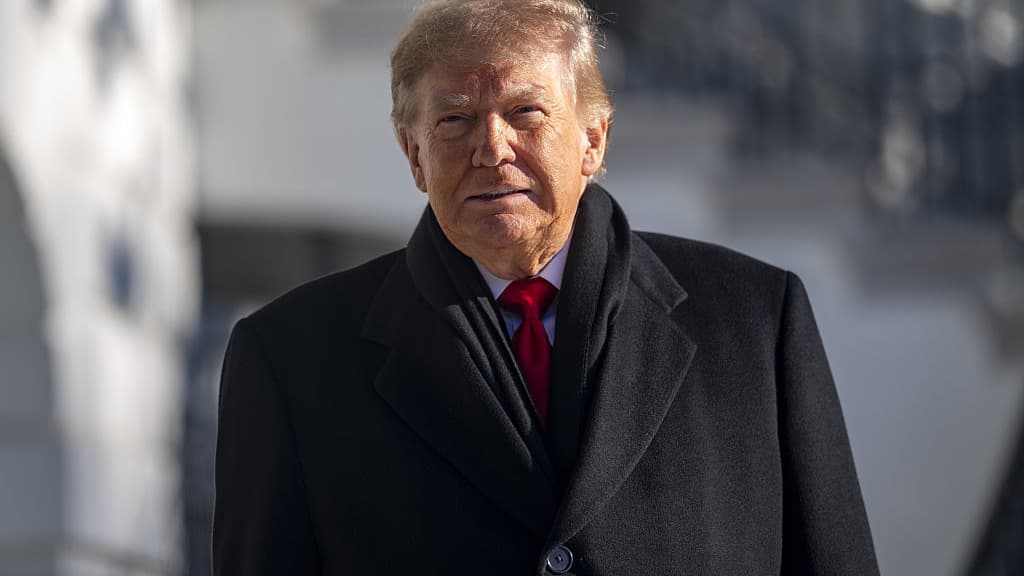
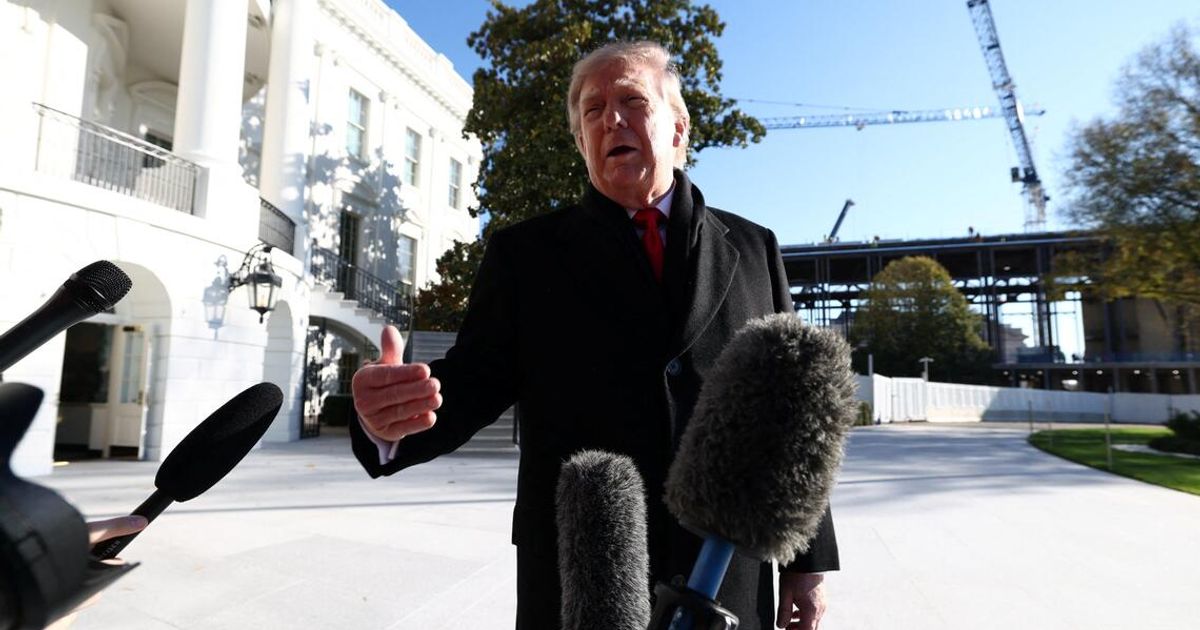
President Donald Trump publicly both-sidesed the debate, in advance of his trip to Asia this week. asserted
Trump → sidese → Asia
"If you did do something, you could have a blowup with China," Trump told reporters Monday morning as he left for Asia. uncertain
he → do → Asia
"We're having a very good relationship with China right now, and I understand both sides of it. asserted
I → have → it
And I'll make a decision, but I understand very well both sides. asserted
I → make → sides
"One wants to be friendly with China, and one wants to have a blowup with China," Trump said of his two cabinet secretaries, Commerce Secretary Howard Lutnick and Treasury Secretary Scott Bessent. asserted
Trump → want → secretaries
(Trump also cast some doubt on whether Alice Huang, who had an affair with now-former Nvidia CEO Jensen Huang, was a Chinese spy. asserted
who → cast → Huang
"I don't know that she is a spy," said Trump. asserted
Trump → know → ?
"Usually, what happens with that is that any woman coming to the country that's a beautiful woman that comes from China, they say she's a spy." asserted
she → happen → China
It's hard to know whether this is substantiated by anything other than Trump's views on sexual politics.) asserted
this → know → politics
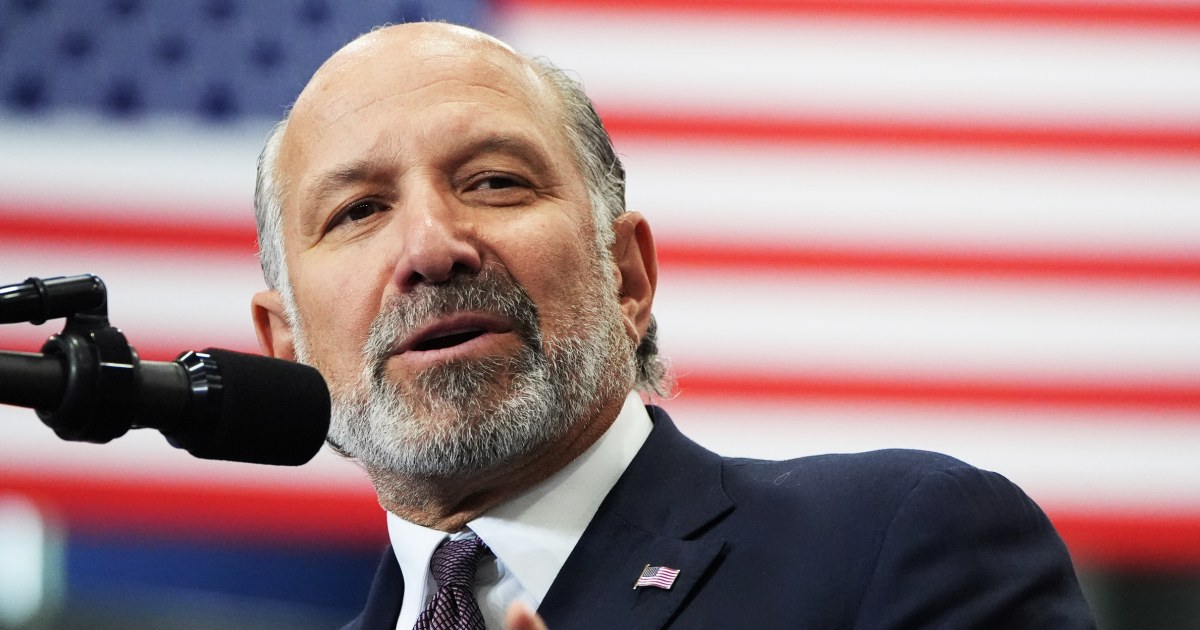
Lutnick seems to want softer export controls, whereas Bessent (along with Secretary of State Marco Rubio, who is also Trump's national security adviser, and U.S. trade representative Jamieson Greer) wants a crackdown on China and the many ways it's getting access to U.S. chips. asserted
it → seem → chips
Bessent publicly skewered the Commerce Department for failing to crack down on Megaspeed—the company Alice Huang was affiliated with—and said Nvidia ought to be "held accountable" if it failed to stop its chips from becoming used by Chinese companies, in violation of U.S. export controls. asserted
it → skewer → controls
I like Melissa Chen's take on all of this: asserted
I → like → this
Sorry but the bottom line is that if Lutnick had done his job, the resulting scandal that forced Jensen's resignation would've been far smaller or nonexistent (the affairs would be an internal HR issue). asserted
affairs → do → resignation
What does the job of Commerce Secretary entail? asserted
job → entail → Secretary
There are, of course, thorny questions for libertarians on whether one should support export controls in the first place, even for matters of national security. asserted
one → be → security
But one interesting facet of all of this is the degree to which such trade restrictions are incredibly hard to actually carry out in practice, which should probably give administration officials pause about setting these rules to begin with. asserted
which → carry → rules
Government incompetence strikes again. asserted
incompetence → strike → ?
"The police fatally shot a driver on a busy highway in Brooklyn on Saturday night after responding to a report of a woman pleading with the man to let her out of his van, Police Department officials said," according to The New York Times. uncertain
officials → shoot → Times
"Officers shot at the driver, Omatoyo Neverson, 26, who was on the Belt Parkway ramming his van into police cruisers and other cars, the police said. asserted
police → shoot → cruisers
Officers first used pepper spray and a Taser on Mr. Neverson before firing their guns, the police said.… asserted
police → use → guns
Mr. Neverson, of Canarsie, Brooklyn, has been arrested 25 times in New York City, according to an internal police report. uncertain
Neverson → arrest → report
He was also wanted in at least two other recent incidents involving the same woman, the police said. asserted
police → want → woman
" It is always wild to me, when someone has a rap sheet as long as the Constitution, that they've managed to evade being locked up and can go on to do some serious damage. asserted
they → have → damage
QUICK HITS - For most of the day Monday, J.P. Morgan Chase experienced technical bugs that snarled its services. asserted
that → experience → services
Microsoft had experienced similar problems just days prior. asserted
Microsoft → experience → problems
- Relatedly—and not to sound conspiratorial—I like the Jon Stokes take: I have to say, the rolling outages & the way they're going sector by sector -- transportation, banking, crypto, refrigeration, etc. -- where they're not doing lasting damage, just temporary, pattern matches to me like we're being probed. asserted
we → sound → me
But who or why, I truly have no clue. asserted
I → have → clue
"Free universal child care could generate as much as $6.5 billion in economic value for New York City, a new report finds," reports Bloomberg. uncertain
Bloomberg → generate → City
Note that the estimated cost of such expansion is $9 billion, so the benefits still don't make up for the costs. asserted
benefits → note → costs
- "Football players aren't the only college students who have learned to sell their images for profit. asserted
who → learn → profit
The boom in sorority TikTok videos known as #Rushtok has proved, especially to marketers, that sorority sisters can command audiences all over America," reports The New York Times. asserted
Times → know → America
"Ms. DeKreek's sorority 'big,' or mentor, has nearly 800,000 TikTok followers and a Porsche. asserted
sorority → have → followers
…and 7 more, not listed.
Give feedback · no sign-in needed

No sign-in needed for now. Your note is sent without a name, so it cannot be answered.

History Support