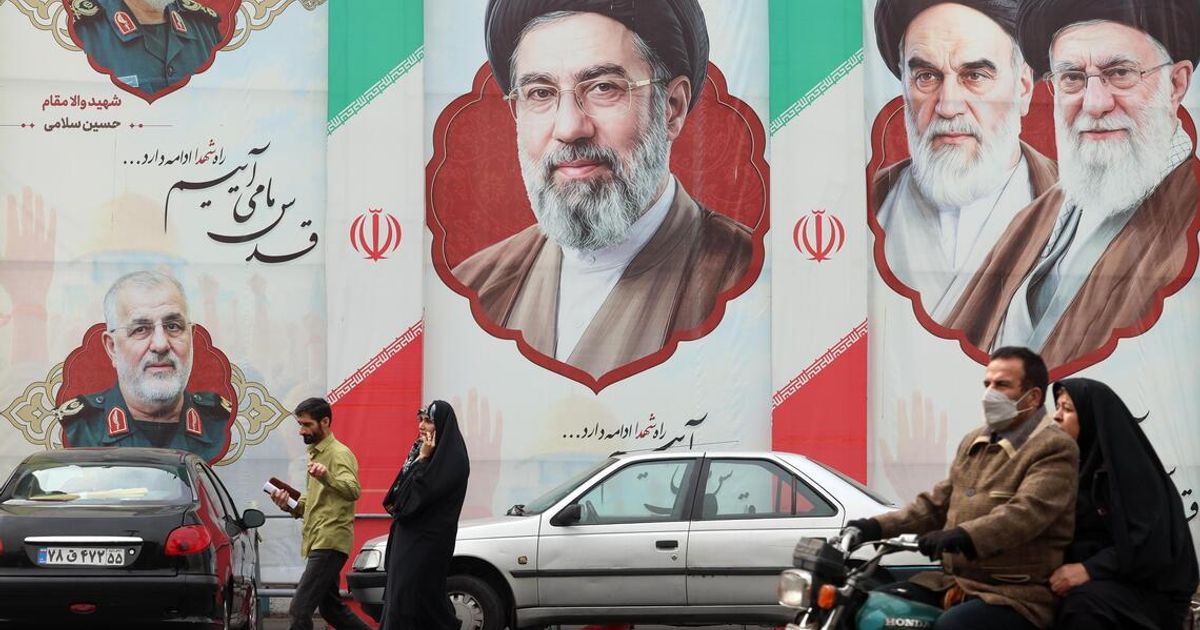
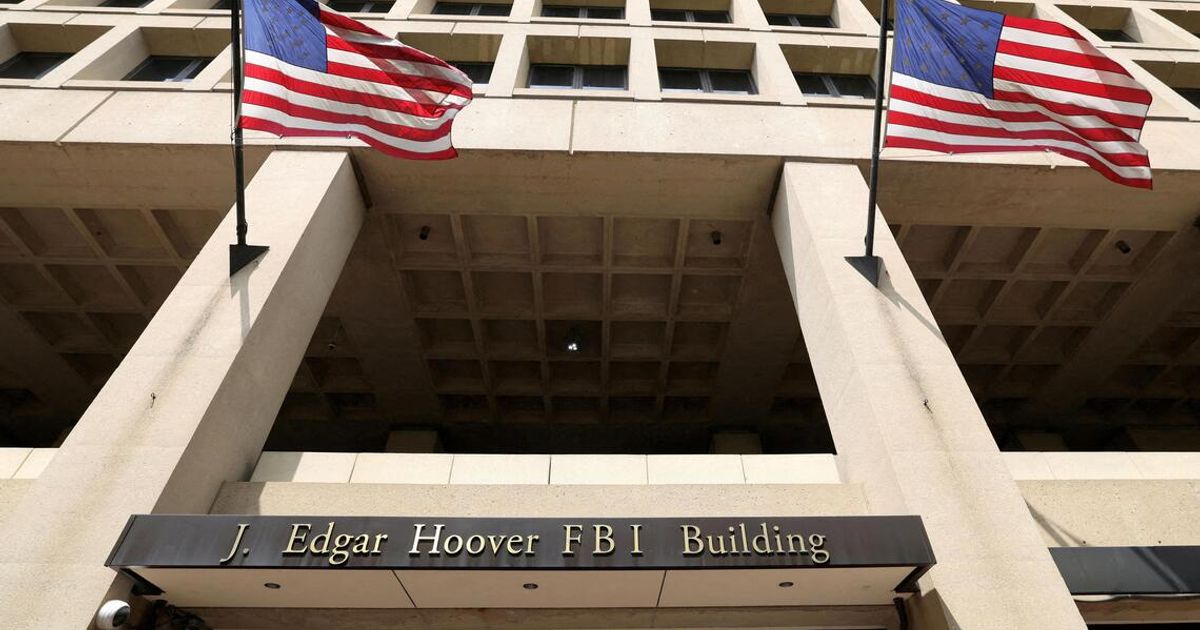
Photo via The Straits Times

US-Israeli war created ‘horrific’ situation for Iranians: Amnesty

Read the original at The Straits Times ↗
Cite

The Straits Times. (2026, November 18). US-Israeli war created ‘horrific’ situation for Iranians: Amnesty. The Straits Times. https://www.straitstimes.com/world/middle-east/us-israeli-war-created-horrific-situation-for-iranians-amnesty

Dated from the outlet's own feed. Check the original for its byline.

The Straits Times · collected 2026-11-18 · by The Straits Times

Quick Summary

Amnesty International reported on November 17 that Iranian authorities intensified repression following anti-government protests in January, which began as economic demonstrations and escalated into a broader movement. The protests led to a deadly crackdown, with Amnesty unable to provide exact numbers but stating that thousands were killed. The situation worsened after US-Israeli strikes on Iran in February, with Amnesty’s lead Iran researcher, Raha Bahreini, noting an increase in politically motivated executions and militarization of public spaces.
Written by AI on 2026-11-18, from this article's own text only (the story summary below draws on all the coverage).

Compared with similar articles

This article reads leans left and hedges 5% of its claims. Each row says how that neighbour differs.
Al Jazeera
Hedges 4 of 47 claims Outlet record 60/100
“Article A describes Iranian repression following a US-Israeli war and a crackdown on protests, while Article B discusses recent targeted military actions between Iranian forces and US forces in Bahrain and Kuwait, suggesting a different phase or escalation rather than the same specific event.”
Semafor
Leans left Hedges 2 of 5 claims Outlet record 64/100
“The articles describe different phases or aspects of the conflict, with Article A focusing on the impact of the war on Iran's population and repression, while Article B details renewed hostilities and military strikes between the US and Iran.”
Semafor
Hedges 0 of 6 claims Outlet record 64/100
“The articles describe different aspects of the ongoing conflict between the US, Israel, and Iran but do not focus on the same specific incident.”
Reason
Leans strongly left further left than this Hedges 4 of 59 claims Outlet record 67/100
“The articles discuss the general situation for journalists and the impact of the war on Iranians, but do not describe the same specific incident or occurrence.”

Story

US-Israeli war created ‘horrific’ situation for Iranians
Other · 1 article(s) covering the same event.
How this article was measured signals, leaning charts, publisher record, byline, topics and claims

Signals How these are calculated →

Claims extracted
21
sentences that state something as happening or true
Uncertain
5%
1 of 21 hedged ("reportedly", "may", "according to")
Leaning
Leans left
of the writing, not the subject · beta estimate
Publisher signals
64/100
The Straits Times's corrections and hedging, across everything collected from it. Not a measure of accuracy.
Outlets on this story
1
Other
Same framing elsewhere
1
articles that frame the event the way this one does
Analyzed 2026-11-18 · how these are computed

How this is being covered How these are calculated →

Article leaning vs. publisher reliability
Source leaning vs. consistency

Publisher

The Straits Times · 5644 article(s) · 7 correction(s) detected
Running correction rate · 7 correction(s)

Who wrote this

The Straits Times
3941 article(s) here · 1 carrying a prediction
At least 4 people were killed and 30 injured in a fire at a power station in southern Iraq on Saturday, with the toll expected to rise, security officials said.
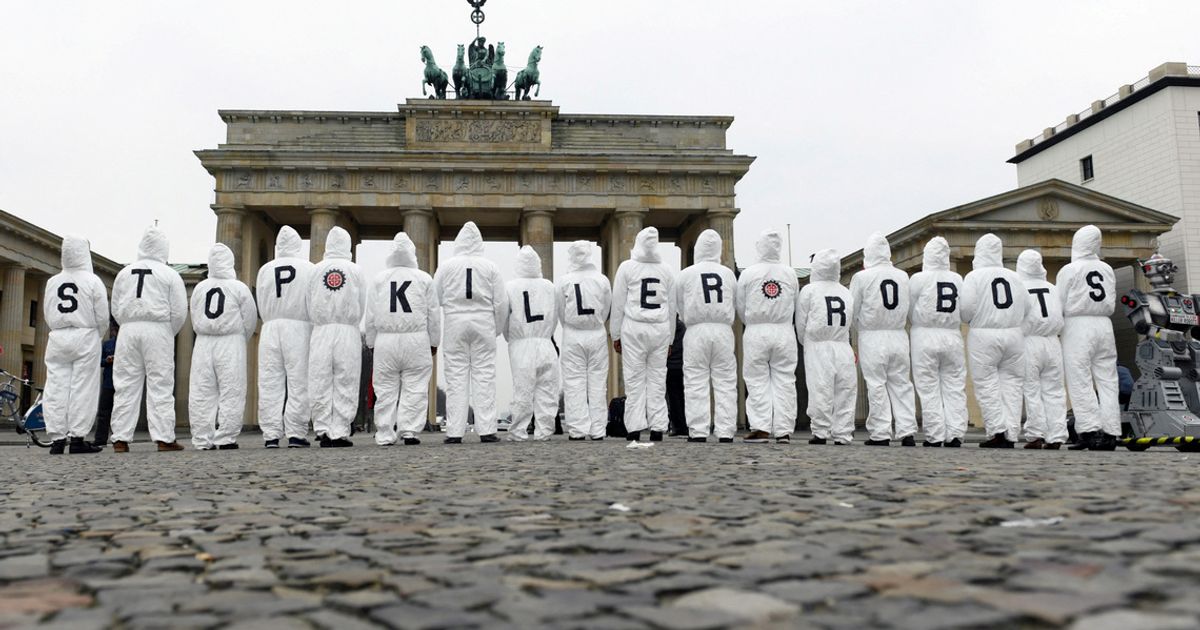
Around 100 countries backed this position but big arms-producing nations like the US, Russia and Israel opposed this, resulting in a watered-down agreement that left open the question of whether future measures would be legally binding. "In the end, the military powers managed to impose many obstacles to the objective of a protocol, but at least it remains a possibility, and with a short-term mandate," said a diplomat who attended the talks that concluded past 4 a.m. (0300 GMT) in Geneva. The 128 member states of the Convention on Certain Conventional Weapons had been meeting since Monday as alarm grows over the use of lethal autonomous weapons systems in conflicts, including in Ukraine, Sudan and the Middle East.
The apparent compromise of the National Crime Information Center database would mark the second intrusion involving an FBI system in recent months and the latest in a string of cyber incidents that have alarmed US officials over the past week.
Electrify the world Australia’s Climate Minister Chris Bowen, who was shuttling between delegations to seek compromises, said he would work over the “coming hours, for as long as it takes, to get the job done”.
New York City’s Rikers Island jail complex would close by 2032 under a sweeping plan announced Nov 20 by Mayor Zohran Mamdani of New York City, whose strategy for finally shuttering the notorious facility hinges on substantially reducing the number of people kept behind bars.
Prosecutors have alleged that while placing his 911 call, Rinderknecht asked the artificial intelligence app ChatGPT on his phone whether someone could be found at fault for lighting a fire “because of your cigarettes”, to which ChatGPT replied, “Yes”.
A placard beside Trump’s podium listed a series of broad agreements the president had reached with Chinese President Xi Jinping and Russian President Vladimir Putin, which included a reaffirmation that nuclear war would be futile for all nations involved.
He told groups of subordinates that they had become so rich that he couldn’t motivate them simply with money, according to three people who spoke on the condition of anonymity to discuss confidential conversations.
The closed freeway lanes recall stems from unusual circumstances where a Waymo vehicle may enter and continue driving in a closed freeway lane, the company said, adding it is still working on the recall remedy.
Araqchi says Iran wants diplomacy to end war; Trump says terms unacceptable Nov 20 - Iran's Foreign Minister Abbas Araqchi said Tehran still hoped diplomacy could end its war with the United States, while US President Donald Trump said Iran wanted a deal but one that was not acceptable to him.
Also by The Straits Times
Nothing else under this byline is closely related to this article, so these are simply their most recent.
All 3941 articles by The Straits Times →

Topics

Amnesty Iran Iranian Iranians PARIS

Subjects

Bahreini PERSON · 4× Amnesty ORG · 3× Iran GPE · 3× Iranian NORP · 3× AFP ORG · 2× Amnesty International ORG · 2× Iranians NORP · 2× Human Rights Activists News Agency ORG · 1× PARIS GPE · 1× Raha Bahreini PERSON · 1×

Narrative

Amnesty has already documented the killings of more than 3,000 people in the previous major protests in Iran in 2022, calling for the establishment of an international tribunal to punish those responsible. But Bahreini said the repression in January was “on an even more staggering scale”.
framing: assertive · carried by 1 article(s) · first seen 2026-11-18
Iranian authorities reported more than 3,000 deaths, attributing the violence to “terrorist acts” orchestrated by the United States and Israel. “Without access to official records, burial records and access to the country we may never be able to get a sense of the horror that took place in terms of its scale,” said Bahreini.
2026-11-18 · The Straits Times
US-Israeli war created ‘horrific’ situation for Iranians: Amnesty · assertive framing

Claims (21 extracted, 1 hedged)

US-Israeli war created ‘horrific’ situation for Iranians: Amnesty AI generated PARIS - asserted
AI → create → Iranians
Iranian authorities have intensified their repression of the country’s population in response to the Middle East war, which began weeks after their deadly crackdown on anti-government protests killed thousands of people, Amnesty International said on Nov 17. asserted
International → intensify → Nov
An internet blackout imposed at the time of the crackdown on Jan 8 and Jan 9 and the scale of the casualties meant it was not yet possible for the group to quantify the number of people killed, Amnesty’s lead Iran researcher, Raha Bahreini, said. asserted
researcher → impose → people
But she told AFP in an interview that “there is no doubt that thousands were massacred in less than 48 hours”. asserted
thousands → tell → hours
She added that the Middle East war, which began with US-Israeli strikes on Iran on Feb 28 “with Iranians still reeling from the January massacres, created a horrific situation for the people in the country”. asserted
Iranians → add → country
“The authorities used the cover of wartime conditions to intensify repression,” she said. asserted
she → use → repression
Bahreini said authorities have increased politically motivated executions “at a rate unprecedented in recent decades”, with at least 39 people executed in connection with the January protests. asserted
people → say → protests
With authorities threatening fast-track justice, “the time between arrest, conviction, sentencing and implementation has collapsed to a few weeks in some cases”. asserted
time → threaten → cases
There is now an “extreme militarisation of public spaces”, with pick-up trucks equipped with mounted machine guns patrolling the streets, she said. asserted
she → be → streets
“The authorities are conflating peaceful dissent with treason and support for foreign enemies.” asserted
authorities → conflate → enemies
Demonstrations initially broke out over economic concerns last December and ultimately spiralled into the broader anti-government protest movement that peaked in January before being quelled. asserted
that → break → January
Even greater repression Bahreini lamented that the international community had shifted its attention away from the Iranian people to the geopolitical consequences of the conflict. asserted
community → lament → conflict
“The massacres that took place in January, which should have moved then global consciousness, have faded away from attention.” asserted
which → take → attention
Amnesty has already documented the killings of more than 3,000 people in the previous major protests in Iran in 2022, calling for the establishment of an international tribunal to punish those responsible. But Bahreini said the repression in January was “on an even more staggering scale”. asserted
repression → document → scale
Like in 2022, authorities fired on protesters with shotguns filled with metal pellets, which wound indiscriminately, she said. asserted
she → fire → pellets
But in 2026, they made even greater use of “military grade weapons”, such as assault rifles, and fired on people’s heads and torsos “from the rooftops” of residential buildings. asserted
they → make → buildings
US-based Human Rights Activists News Agency (HRANA) has said 7,007 people were killed, including 6,488 protesters. asserted
people → base → protesters
Norway-based Iran Human Rights says it has documented the killing of 4,200 people. asserted
it → base → people
Both groups have warned these estimates represent a minimum. asserted
estimates → warn → minimum
Iranian authorities reported more than 3,000 deaths, attributing the violence to “terrorist acts” orchestrated by the United States and Israel. “Without access to official records, burial records and access to the country we may never be able to get a sense of the horror that took place in terms of its scale,” said Bahreini. uncertain
Bahreini → report → scale
But it was “one of the deadliest episodes of protest dispersal ever recorded by Amnesty International in its history”. asserted
it → record → history

Give feedback · no sign-in needed

No sign-in needed for now. Your note is sent without a name, so it cannot be answered.

History Support