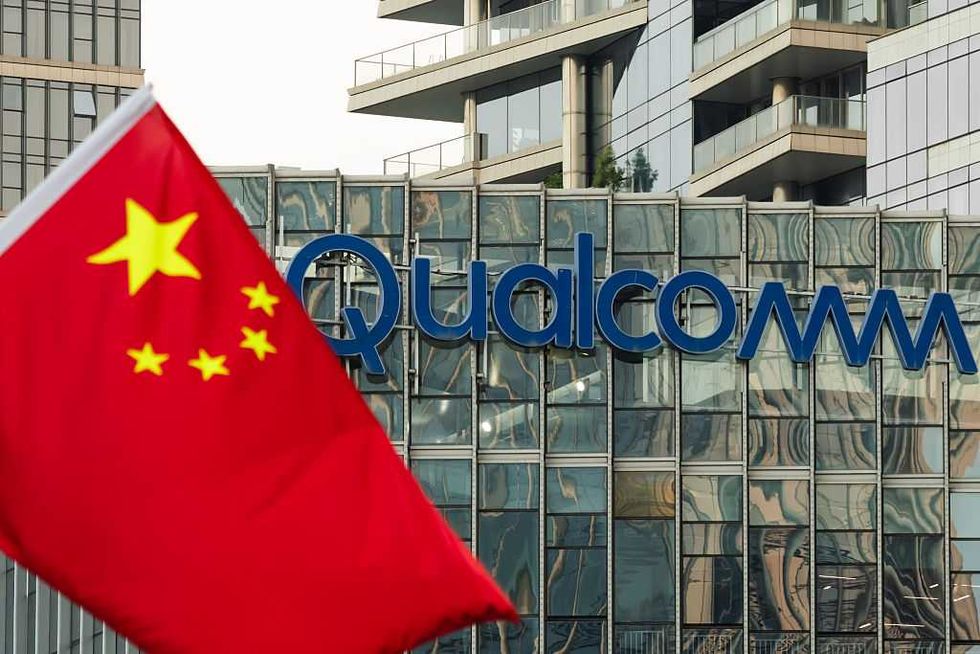
More than two-fifths of Qualcomm’s revenue comes from customers and licensees based in China and Hong Kong.
asserted
fifths → come → China
Rob Maness wants Washington to ask harder questions about those ties.
asserted
Washington → want → ties
Nvidia’s boardroom scandal has reminded Washington how closely Silicon Valley's fortunes can be tied to China.
asserted
fortunes → remind → China
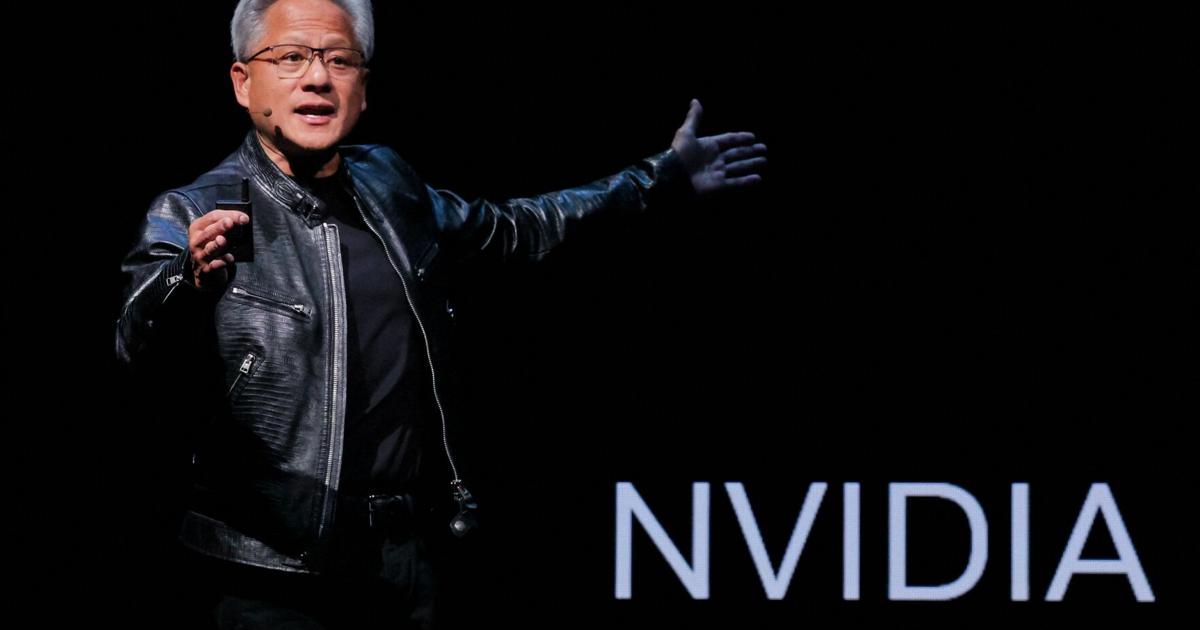
CEO Jensen Huang resigned last week after revelations of an affair with a woman U.S. officials suspect may be a Chinese spy.
uncertain
officials → resign → woman
At the moment, the espionage allegations remain unproven.
asserted
allegations → remain → moment
But the episode raises a question the tech industry would rather avoid: How much exposure to Beijing is too much?
asserted
exposure → raise → Beijing
Washington has spent years arguing over which party is tougher on China and which party is tougher on big business.
asserted
party → spend → business
Qualcomm offers a test of whether either side means it.
asserted
side → offer → it
The San Diego semiconductor giant looks like a triumph of American innovation.
asserted
giant → look → innovation
Yet its latest annual filing attributes $18.1 billion — 42% of its fiscal 2026 revenue — to customers or licensees headquartered in China, including Hong Kong.
asserted
filing → attribute → Kong
That accounting figure doesn’t tell us where every device is ultimately sold.
asserted
device → tell → us
It does show how much business Qualcomm conducts with Chinese-headquartered customers.
asserted
Qualcomm → show → customers
Qualcomm also maintains offices across more than a dozen Chinese cities.
asserted
Qualcomm → maintain → cities
In a country where major businesses operate under intense political and legal pressure from the Communist Party, those relationships warrant questions that go well beyond an earnings call.
asserted
that → operate → call
In 2014, Qualcomm turned to Chinese chipmaker SMIC to manufacture Snapdragon processors.
asserted
Qualcomm → turn → processors
The United States later placed SMIC on a trade blacklist.
asserted
States → place → blacklist
In March, U.S. officials accused SMIC of providing chipmaking tools to Iran’s military-industrial complex.
asserted
officials → accuse → complex
Under the circumstances, perhaps the Trump administration should take a harder look at Qualcomm’s supply chains.
asserted
administration → take → chains
In October, Qualcomm and the notorious Chinese tech giant announced a broad patent-licensing agreement covering 5G, artificial intelligence, computing, and networking, along with Qualcomm's planned purchase of certain Huawei U.S. patents.
asserted
Qualcomm → announce → patents
The companies say the transaction is subject to required regulatory approvals.
asserted
transaction → say → approvals
Huawei, meanwhile, faces a federal racketeering and fraud trial in New York involving allegations of intellectual-property theft and other misconduct.
asserted
Huawei → face → theft
U.S. policymakers should ask why sensitive technology partnerships continue to deepen amid serious national-security concerns.
asserted
partnerships → ask → concerns
The same question extends to AI.
asserted
question → extend → AI
Washington has imposed restrictions on advanced technology exports to China, which uses digital tools for surveillance and political control.
asserted
which → impose → surveillance
Yet Qualcomm has continued courting Chinese AI customers.
asserted
Qualcomm → continue → customers
The company even designed a data center chip specially made for China that’s designed to work around the export controls of its home country.
asserted
that → design → country
If Washington intends to limit China’s access to advanced AI, policymakers should ask whether those limits actually work — and how much influence the companies selling into China have over the rules.
asserted
companies → intend → rules
An American company can obey the letter of the law while still leaving the country dangerously dependent on its most powerful rival.
asserted
company → obey → rival
There’s another reason Washington should examine Qualcomm: its treatment of competitors and customers at home.
asserted
Washington → ’ → home
In 2017, the Federal Trade Commission sued Qualcomm, alleging that its licensing practices unlawfully maintained dominance in cellphone modem chips.
asserted
practices → sue → chips
Apple also challenged Qualcomm’s royalty demands, before the two companies settled their lawsuits in 2019.
asserted
companies → challenge → 2019
Qualcomm’s “no license, no chips” policy became the center of the antitrust fight.
asserted
policy → become → fight
Qualcomm won that fight.
asserted
Qualcomm → win → fight
A federal appeals court rejected the FTC's case in 2020, finding no antitrust violation on the theories presented, and a later private case largely failed.
asserted
case → reject → theories
The company’s enormous patent portfolio gives it leverage throughout the connected-device economy.
asserted
portfolio → give → economy
As wireless technology spreads from phones to automobiles, lawmakers can reasonably ask how that leverage affects prices, innovation, and competition.
asserted
leverage → spread → prices
Losing an antitrust case does not mean Congress has to stop asking questions.
asserted
Congress → lose → questions
Jade Gao/Bettmann/Getty Images
Here is where divided government could actually work.
uncertain
government → work → ?
President Trump wants to limit China's leverage over American industry.
asserted
Trump → want → industry
Democrats, including Sens. Elizabeth Warren and Bernie Sanders, have made corporate concentration a cause of their own.
asserted
concentration → include → own
…and 9 more, not listed.
 The Aporia