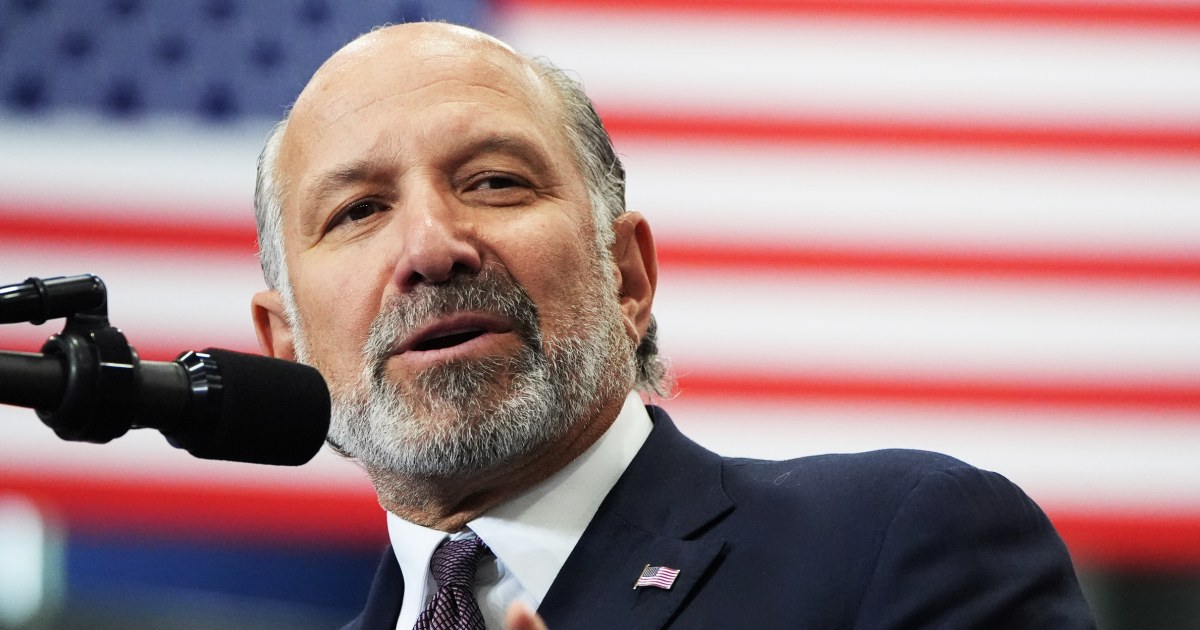
Photo via The Hindu

U.S. blocks China’s remote access to AI chips after Nvidia scandal; China slams move

Read the original at The Hindu ↗
Cite

Krishnan, A. (2026, November 17). U.S. blocks China’s remote access to AI chips after Nvidia scandal; China slams move. The Hindu. https://www.thehindu.com/news/international/us-blocks-chinas-remote-access-to-ai-chips-after-nvidia-scandal-china-slams-move/article71711869.ece

Dated from the outlet's own feed. Check the original for its byline.

The Hindu · collected 2026-11-17 · by Ananth Krishnan

Quick Summary

The U.S. Commerce Department announced new regulations on November 17, 2026, restricting Chinese companies’ remote access to advanced AI chips through data centers in third-party countries like Malaysia and Singapore. This move follows the controversy involving Nvidia and its ties to a Singapore-based company. China immediately criticized the decision, denouncing it as an abuse of export controls that interferes with normal trade and technological cooperation.
Written by AI on 2026-11-17, from this article's own text only (the story summary below draws on all the coverage).
See how they differ ↓

AI analysis

Story summary

The U.S. Department of Commerce issued an interim rule on November 16, 2026, limiting other countries' access to advanced AI chips made in America. This move aims to address concerns that Chinese firms were circumventing existing export controls by accessing these chips through data centers in third countries like Indonesia, Malaysia, Singapore, and Thailand. The rule requires a license for exporting advanced semiconductors to countries deemed high-risk for diversion, such as those in Southeast Asia. The announcement came amid scrutiny following the resignation of Nvidia CEO Jensen Huang due to a scandal involving a lover and a customer accused of illegally diverting AI chips to China. Commerce Secretary Howard Lutnick faced criticism for being too permissive of Nvidia's sales to China, while Treasury Secretary Scott Bessent called for stricter measures. Congress is now pushing for stricter enforcement of these rules to ensure compliance and prevent future exploitation of legal loopholes.

Written for “US-China Chip Export Tensions” on 2026-11-21, grounded in this article and the 27 other(s) covering the same event.

How they differ

18 outlets covered “US-China Chip Export Tensions”.

What each outlet says

One AI summary per outlet of its latest article on this story, written from that article alone and checked against it. Open the article for the outlet's own words.

The HinduThis outlet17 Nov

The U.S. Commerce Department announced new regulations on November 17, 2026, restricting Chinese companies’ remote access to advanced AI chips through data centers in third-party countries like Malaysia and Singapore. This move follows the controversy involving Nvidia and its ties to a Singapore-based company. China immediately criticized the decision, denouncing it as an abuse of export controls that interferes…

U.S. blocks China’s remote access to AI chips after Nvidia scandal; China slams move (this article)3 articles from The Hindu on this story
Semafor17 Nov

China has warned of potential retaliation against the United States if the US proceeds with plans to restrict remote access to advanced semiconductor technology. This threat comes as the two nations prepare for a summit and amid revelations about Nvidia’s former CEO, Jensen Huang, which have spurred more restrictive US policies toward China’s tech sector. These new restrictions could significantly hinder China’s…

China threatens retaliation against US chip curbs →3 articles from Semafor on this story
The Straits Times18 Nov

China’s Ministry of Commerce criticized new US restrictions on Chinese access to advanced AI chips, warning of potential retaliation and emphasizing the need for dialogue to resolve tensions. The restrictions, announced on November 16, aim to prevent Chinese companies from accessing high-end semiconductors through remote means and via countries like Singapore. The measures come as President Xi Jinping prepares to…

China warns US of retaliation over new AI chip restrictions →3 articles from The Straits Times on this story
Just the News16 Nov

The Department of Commerce's Bureau of Industry and Security announced a new interim final rule on Monday, tightening restrictions on foreign, particularly Chinese, remote access to advanced AI processors. This rule aims to address concerns raised by an alleged espionage incident involving NVIDIA and follows the Trump administration's emphasis on protecting American technology from unauthorized access.

Trump admin clamps down on foreign remote access to AI processors →2 articles from Just the News on this story
Washington Examiner20 Nov

The Department of Commerce issued new regulations on Monday aimed at preventing American technology companies from exporting advanced chips to foreign countries that cooperate with China, addressing a practice that had been exploiting legal loopholes. These regulations are seen as necessary to uphold America’s technological dominance, which is crucial for national security, as advanced chips are integral to…

Congress must hold Lutnick to the new China chip rule →2 articles from Washington Examiner on this story
Reason17 Nov

The Trump administration is grappling with how to restrict Chinese access to American AI chips while maintaining a positive relationship with China. The Commerce Department announced new rules restricting exports of advanced chips to high-risk countries in Southeast Asia, requiring due diligence from data centers that supply significant computing power to Chinese companies. President Trump acknowledged the divided…

Inside the Administration's Chip Divide →2 articles from Reason on this story
Show 12 more outlets
Al Jazeera20 Nov

US lawmakers are advocating for stricter regulations on the export of advanced AI chips to prevent them from ending up in China. The Department of Commerce has recently announced new rules that require data centre customers in certain countries to obtain special licenses to purchase US AI chips, closing a loophole that allowed Chinese companies to access these chips remotely. Representative Pramila Jayapal…

US lawmakers push for tougher AI chip rules amid China export crackdown →2 articles from Al Jazeera on this story
CBS News16 Nov

The U.S. Department of Commerce has issued an interim rule to restrict remote access to advanced AI chips from countries like China by limiting exports to certain Southeast Asian nations. This move follows Nvidia CEO Jensen Huang’s resignation amid concerns about potential espionage, and aims to prevent circumvention of existing export regulations through data centers in third countries. The new rule requires…

Commerce Department moves to curb remote access to AI chips →
New York Post16 Nov

The Commerce Department announced a new rule on Monday to address a loophole that has allowed Chinese firms to bypass export controls on American AI chips by leasing them through data centers in third countries like Indonesia and Malaysia. The rule requires licenses for exporting advanced semiconductors to these countries, following criticism from Treasury Secretary Scott Bessent and concerns raised by Senator Maria…

Commerce Department moves to crack down on Chinese AI chip loophole amid Nvidia scandal →
CBC16 Nov

The Trump administration has tightened restrictions on exporting advanced AI chips to China, targeting countries like Malaysia and Thailand where Chinese companies use data centers to access these chips. This move comes ahead of Trump’s meeting with Chinese President Xi Jinping in Shenzhen during the APEC summit. The new rule requires companies in Singapore, Thailand, Malaysia, Indonesia, and Brazil to obtain U.S…

U.S. further restricts China's access to AI chips in wake of Nvidia scandal →
Time16 Nov

The Trump administration announced new restrictions aimed at preventing Chinese tech firms from bypassing U.S. export controls on advanced AI chips through third countries. The new rule, set to take effect in 90 days, requires buyers from Indonesia, Malaysia, Singapore, Thailand, and Brazil to secure licenses for certain advanced semiconductors. This move comes days before President Trump’s meeting with Chinese…

U.S. to Clamp Down On AI Chip Loophole Ahead Of Trump Meeting With Xi →
Toronto Star16 Nov

The Trump administration has announced new regulations to restrict remote access to advanced U.S. computing chips and servers, aiming to prevent China from using American technology to enhance its artificial intelligence capabilities. This move comes shortly after Nvidia co-founder Jensen Huang stepped down as CEO, following investigations into his ties with a former Megaspeed International executive, who is accused…

Trump administration moves to block China from indirect access to American AI technology →
NPR16 Nov

The U.S. government has implemented new regulations to prevent remote access to advanced AI technology from overseas data centers, closing a loophole that could allow foreign governments to access U.S. AI technology indirectly. This move follows the recent scandal involving Nvidia CEO Jensen Huang and his alleged romantic involvement with a suspected Chinese intelligence operative. The Commerce Department's Bureau…

U.S. tightens controls on remote access to AI technology amid Nvidia fallout →
NBC News16 Nov

The U.S. Commerce Department has introduced a new rule that requires data center customers in Indonesia, Malaysia, Singapore, Thailand, and Brazil to obtain special licenses from the department to purchase advanced AI chips from American companies like Nvidia and AMD. This move aims to address concerns about Chinese companies potentially circumventing export restrictions by remotely accessing these chips in foreign…

U.S. closes loophole that let Chinese companies use top AI chips in foreign data centers →
BBC17 Nov

The U.S. has announced new interim rules that will increase scrutiny of data center operators in South East Asian countries like Singapore, Malaysia, Thailand, Indonesia, and Brazil, aiming to restrict China's access to advanced semiconductors and computing power used for training AI models. These measures require U.S. government licenses for the purchase of advanced chips from American chipmakers, impacting Chinese…

How new US chip restrictions on South East Asia will hit China →
Global News17 Nov

The Trump administration has issued new rules restricting remote access to advanced U.S. computing chips and servers, aiming to prevent China from using American technology to train its AI models. The regulations require overseas data centers serving companies in China, Russia, Iran, and Cuba to disclose end users and impose additional licensing requirements for chip sales to countries like Indonesia, Malaysia…

Trump administration moves to block Chinese remote access to U.S. AI tech →
Times of India17 Nov

China has criticized new US export restrictions on advanced semiconductor chips, alleging that Washington is misusing national security concerns to disrupt global tech trade. The criticism emerged as US President Donald Trump was set to meet Chinese President Xi Jinping in Shenzhen for the APEC summit. The US Commerce Department introduced rules requiring export licenses for chip shipments to several countries…

China-US tech tensions flare ahead of Trump-Xi talks over new chip export curbs →
The Independent19 Nov

Chinese tech firms are preparing for potential disruptions to their artificial intelligence initiatives due to tightened U.S. restrictions on chip exports to China. Alibaba, which recently reported a 53% year-over-year surge in AI cloud and compute services revenue to nearly 61 billion yuan ($9 billion), has warned that these new rules could impede its global data center expansion plans. The U.S. restrictions aim to…

Chinese tech firms fear AI hits from US curbs after Nvidia fallout →

Where they agree and split

Framing

How the first headlines put it

Stated as fact14
The headlines (14)

US moves to close 'remote access' chip loophole Semafor · stated as fact

US to curb China’s access to AI chips as Trump heads to Asia The Straits Times · stated as fact

Commerce Department moves to curb remote access to AI chips CBS News · stated as fact

Commerce Department moves to crack down on Chinese AI chip loophole amid Nvidia scandal New York Post · stated as fact

Commerce Department issues rule limiting other countries' access to America's advanced AI chips Just the News · stated as fact

U.S. further restricts China's access to AI chips in wake of Nvidia scandal CBC · stated as fact

U.S. to Clamp Down On AI Chip Loophole Ahead Of Trump Meeting With Xi Time · stated as fact

Trump administration moves to block China from indirect access to American AI technology Toronto Star · stated as fact

U.S. tightens controls on remote access to AI technology amid Nvidia fallout NPR · stated as fact

U.S. closes loophole that let Chinese companies use top AI chips in foreign data centers NBC News · stated as fact

Trump administration cracks down on China-Nvidia chips loophole Washington Examiner · stated as fact

Trump's New Chip Export Rule Targets China but Exempts TikTok's Parent Company Reason · stated as fact

US moves to block China’s remote access to AI chips amid Nvidia scandal Al Jazeera · stated as fact

Singapore seeks ‘trusted access’ to AI chips after new US curbs The Hindu · stated as fact

Words to watch (4)

US moves to block China’s remote access to AI chips amid Nvidia scandal Al Jazeera

Commerce Department moves to crack down on Chinese AI chip loophole amid Nvidia scandal New York Post

U.S. further restricts China's access to AI chips in wake of Nvidia scandal CBC

U.S. blocks China’s remote access to AI chips after Nvidia scandal; China slams move The Hindu

The full story: what happened, how it changed, and all 28 articles →

Compared with similar articles

This article reads leans strongly left and hedges 0% of its claims. Each row says how that neighbour differs.
Just The News
Leans right further right than this Hedges 0 of 8 claims Outlet record 58/100
CBC News
Leans right further right than this Hedges 0 of 15 claims Outlet record 60/100
NBC News
Leans strongly right further right than this Hedges 3 of 23 claims Outlet record 77/100
Al Jazeera
Hedges 2 of 13 claims Outlet record 60/100
New York Post
Hedges 6 of 18 claims Outlet record 66/100
Semafor
Leans right further right than this Hedges 1 of 4 claims Outlet record 64/100
Toronto Star
Leans right further right than this Hedges 0 of 3 claims Outlet record 64/100
The Hindu
Leans left further right than this Hedges 1 of 14 claims Outlet record 78/100
CBS News
Leans right further right than this Hedges 1 of 10 claims Outlet record 66/100
Just The News
Leans right further right than this Hedges 0 of 10 claims Outlet record 58/100

Story

US-China Chip Export Tensions
Politics · 28 article(s) covering the same event. Compare every outlet's account →
How this article was measured signals, leaning charts, publisher record, byline, topics and claims

Signals How these are calculated →

Claims extracted
8
sentences that state something as happening or true
Uncertain
0%
0 of 8 hedged ("reportedly", "may", "according to")
Leaning
Leans strongly left
of the writing, not the subject · beta estimate
Publisher signals
78/100
The Hindu's corrections and hedging, across everything collected from it. Not a measure of accuracy.
Outlets on this story
28
Politics
Same framing elsewhere
1
articles that frame the event the way this one does
Analyzed 2026-11-17 · how these are computed

How this is being covered How these are calculated →

Article leaning vs. publisher reliability
Source leaning vs. consistency

Publisher

The Hindu · 1437 article(s) · 2 correction(s) detected
Running correction rate · 2 correction(s)

Who wrote this

Ananth Krishnan
14 article(s) here · 1 carrying a prediction
Shenzhen trilateral summit: Follow LIVE updates on November 19, 2026 Russian President Vladimir Putin said the three countries “have many converging interests when it comes to resolving regional conflicts, including, of course, the conflict in Ukraine”, adding that the talks would address food and energy security issues.
2026-11-19 · assertive framing · U.S., China, Russia hold historic summit in Shenzhen
On Thursday (November 19, 2026), leaders of the three countries will hold a summit, which Beijing has described as having “groundbreaking significance”.
The U.S. Commerce Department’s Bureau of Industry and Security (BIS) announced an interim final rule (IFR) “to address remote access” to advanced AI chips and servers, saying it was “designed to ensure that existing restrictions on access to sensitive American technology cannot be circumvented through remote computing arrangements involving data centres in third countries.” The new rule was announced days before President Donald Trump’s arrival in Shenzhen for meetings with President Xi Jinping on the sidelines of the November 18-19 APEC Summit, which will also see a rare trilateral leaders’ summit along with Russian President Vladimir Putin.
Thursday’s (November 19, 2026) summit meeting between the leaders of the U.S., China and Russia will be “of groundbreaking significance”, Beijing said on Monday (November 16, 2026), hailing the symbolism of a meeting of the three leaders taking place in China.
Over the course of a couple of years, the new company would purchase between $4-5 billion of Nvidia technology according to reports, marking a rapid ascent.
2026-11-13 · mixed framing · Megaspeed: Gaming company to chips linchpin
United States President Donald Trump has said he will likely meet Chinese President Xi Jinping and Russian President Vladimir Putin in a rare trilateral leaders’ meeting on the sidelines of the APEC gathering in Shenzhen next week.
In 2025, the trade deficit grew to $116.12 billion and is set to be surpassed yet again this year.
China’s Foreign Minister Wang Yi has said that the leaders of India and China reached “an important consensus” that the two countries should be partners, and Beijing hoped Saturday’s (September 12, 2026) meeting in New Delhi would see both countries take forward ties “without stagnation or backsliding”.
China on Friday (September 11, 2026) said it was willing to work with India to handle relations “from a strategic height and long-term perspective”, a day ahead of Chinese President Xi Jinping’s first trip to India in seven years.
China announced on Thursday (September 10, 2026) that President Xi Jinping will attend the BRICS Summit in New Delhi on September 12, on what will be his first visit to India in almost seven years.
Also by Ananth Krishnan
Nothing else under this byline is closely related to this article, so these are simply their most recent.
All 14 articles by Ananth Krishnan →

Topics

China Chinese Malaysia Nvidia Singapore

Subjects

China GPE · 5× Chinese NORP · 3× Nvidia ORG · 3× Malaysia GPE · 2× Singapore GPE · 2× Alice Huang PERSON · 1× Beijing GPE · 1× Jensen Huang PERSON · 1× The United States GPE · 1× Washington GPE · 1×

Narrative

The U.S. Commerce Department’s Bureau of Industry and Security (BIS) announced an interim final rule (IFR) “to address remote access” to advanced AI chips and servers, saying it was “designed to ensure that existing restrictions on access to sensitive American technology cannot be circumvented through remote computing arrangements involving data centres in third countries.” The new rule was announced days before President Donald Trump’s arrival in Shenzhen for meetings with President Xi Jinping on the sidelines of the November 18-19 APEC Summit, which will also see a rare trilateral leaders’ summit along with Russian President Vladimir Putin.
framing: assertive · carried by 1 article(s) · first seen 2026-11-17
The U.S. Commerce Department’s Bureau of Industry and Security (BIS) announced an interim final rule (IFR) “to address remote access” to advanced AI chips and servers, saying it was “designed to ensure that existing restrictions on access to sensitive American technology cannot be circumvented through remote computing arrangements involving data centres in third countries.” The new rule was announced days before President Donald Trump’s arrival in Shenzhen for meetings with President Xi Jinping on the sidelines of the November 18-19 APEC Summit, which will also see a rare trilateral leaders’ summit along with Russian President Vladimir Putin.

Claims (8 extracted, 0 hedged)

The United States has announced new regulations aimed at curbing Chinese firms’ remote access to advanced AI chips through data centres in third party countries, coming amid the scandal surrounding chipmaker Nvidia. asserted
States → announce → Nvidia
Beijing on Tuesday (November 17, 2026) slammed the new restrictions, accusing Washington of “abusing export control measures”. asserted
Beijing → slam → measures
Nvidia’s provision of chips to companies running data centres in Southeast Asia has come under the spotlight amid questions surrounding founder Jensen Huang’s relationship with Alice Huang, the CEO of one such Singapore-based company, Megaspeed. asserted
provision → run → company
With Nvidia barred from selling its most advanced chips in China, many Chinese companies instead sought access to its technology through data centres in countries such as Malaysia. asserted
companies → bar → Malaysia
The U.S. Commerce Department’s Bureau of Industry and Security (BIS) announced an interim final rule (IFR) “to address remote access” to advanced AI chips and servers, saying it was “designed to ensure that existing restrictions on access to sensitive American technology cannot be circumvented through remote computing arrangements involving data centres in third countries.” The new rule was announced days before President Donald Trump’s arrival in Shenzhen for meetings with President Xi Jinping on the sidelines of the November 18-19 APEC Summit, which will also see a rare trilateral leaders’ summit along with Russian President Vladimir Putin. asserted
which → announce → Putin
The rule states that in addition to the current license requirements for advanced semiconductors, a license will be required “to export, reexport, or transfer (in-country) advanced semiconductors to Indonesia, Malaysia, Singapore, Thailand, or Brazil”, which it named as “countries which present a higher-than-normal risk of diversion.” asserted
which → state → diversion
China hit out at the moves, calling it “yet another case of the U.S. overstretching the concept of national security, and abusing export control measures to interfere in normal trade and tech cooperation between China and other countries and go after China’s high-tech industry.” “Such typical economic coercion and long-arm jurisdiction run counter to the common understandings between the two countries, harm the legitimate rights and interests of Chinese companies, and disrupt global supply chains,” Foreign Ministry spokesperson Guo Jiakun said. asserted
Jiakun → hit → chains
“China will do what is necessary to firmly safeguard its legitimate and lawful rights and interests.” asserted
what → do → rights
Give feedback · no sign-in needed

No sign-in needed for now. Your note is sent without a name, so it cannot be answered.

History Support