The Aporia

The Straits Times. (2026, November 19). Hacker, hoax attacks aim to destabilize Italy but pose no concrete threat, minister says. The Straits Times. https://www.straitstimes.com/world/europe/hacker-hoax-attacks-aim-to-destabilize-italy-but-pose-no-concrete-threat-minister-says
The Straits Times. “Hacker, hoax attacks aim to destabilize Italy but pose no concrete threat, minister says.” The Straits Times, 19 Nov. 2026, https://www.straitstimes.com/world/europe/hacker-hoax-attacks-aim-to-destabilize-italy-but-pose-no-concrete-threat-minister-says.
The Straits Times. “Hacker, hoax attacks aim to destabilize Italy but pose no concrete threat, minister says.” The Straits Times, November 19, 2026. https://www.straitstimes.com/world/europe/hacker-hoax-attacks-aim-to-destabilize-italy-but-pose-no-concrete-threat-minister-says.
Dated from the outlet's own feed. Check the original for its byline.
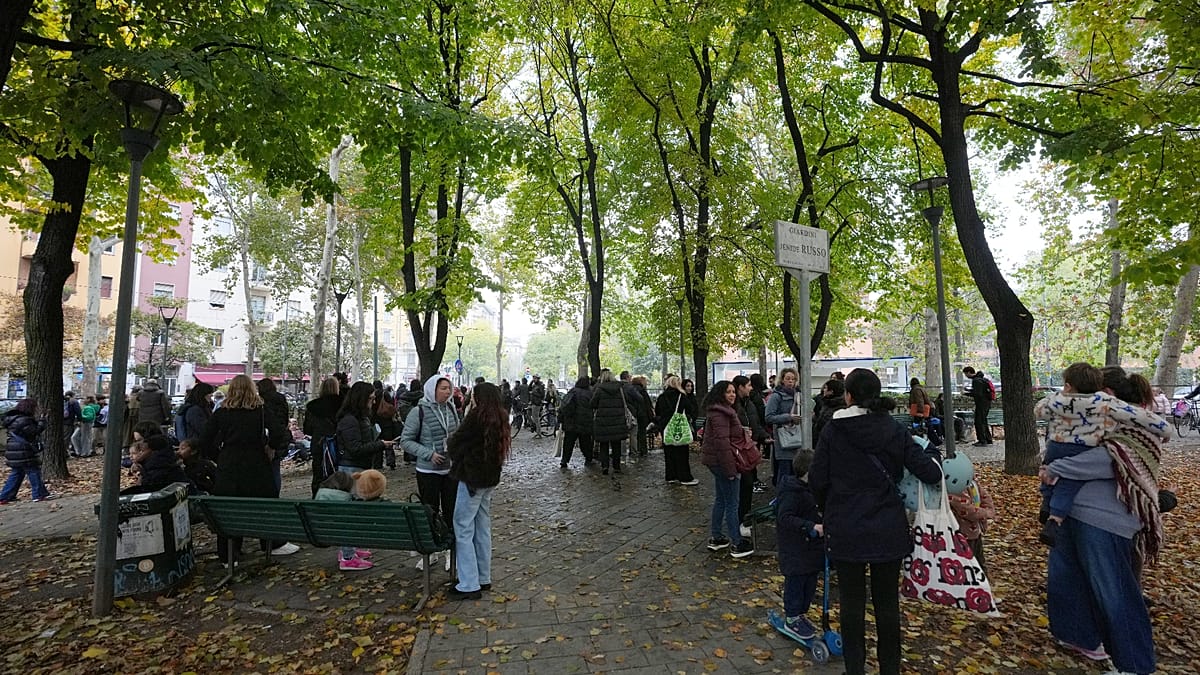
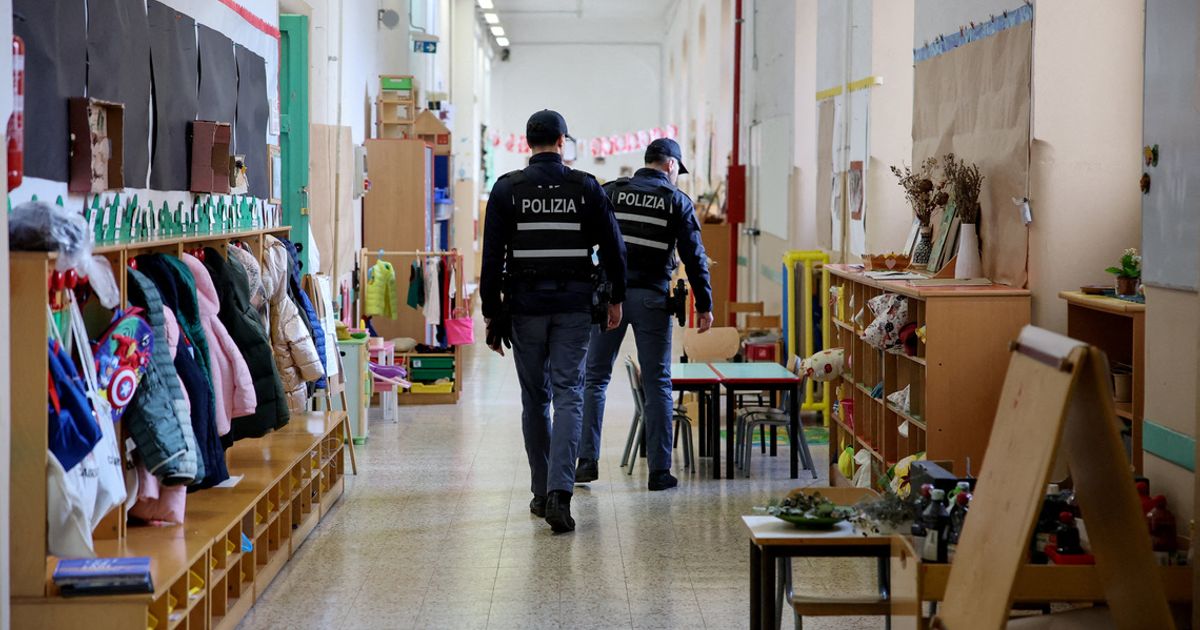
On November 19, Italian Interior Minister Matteo Piantedosi stated that a series of hacking and hoax attacks targeting Italy in recent weeks aimed to destabilize the country but posed no concrete threat to national security. The attacks have disrupted daily life, affecting schools, supermarkets, blood banks, air traffic systems, and broadcasters across Europe. On November 16, nearly 7,500 schools received emailed bomb threats, but only one evacuation was carried out. In response, Prime Minister Giorgia Meloni's government instructed public buildings not to evacuate unless there is concrete evidence of danger, to prevent false alarms. Piantedosi suggested that the attacks were designed to undermine confidence in state institutions, with some European officials suspecting that Russia may be behind the campaign targeting countries that have supported Ukraine following Moscow's invasion.