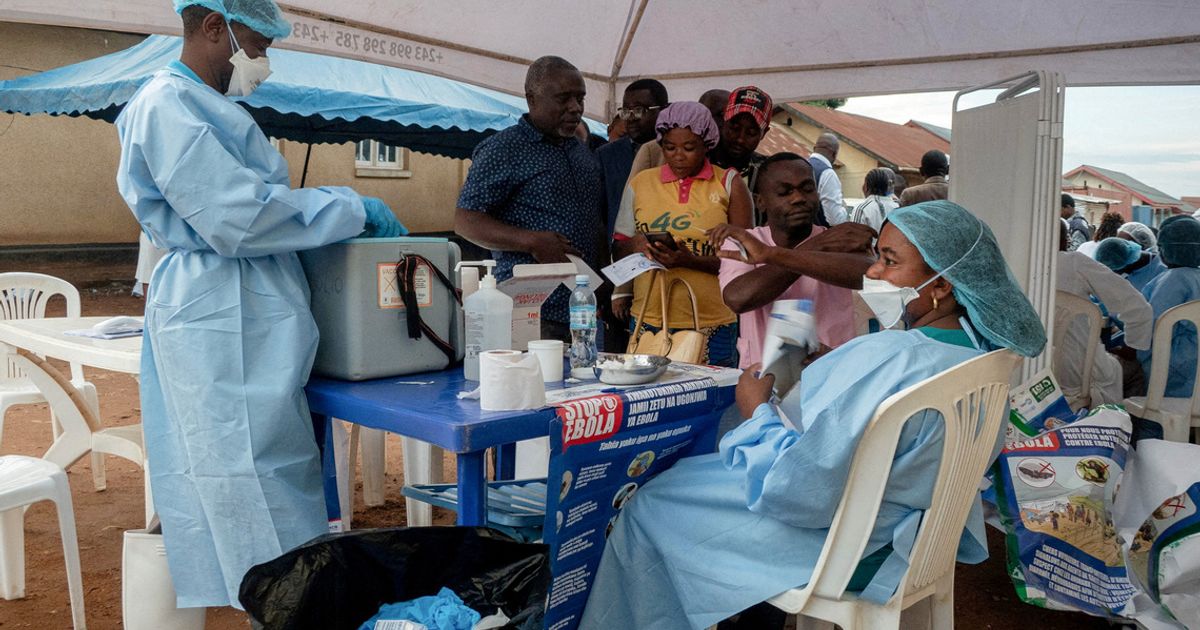
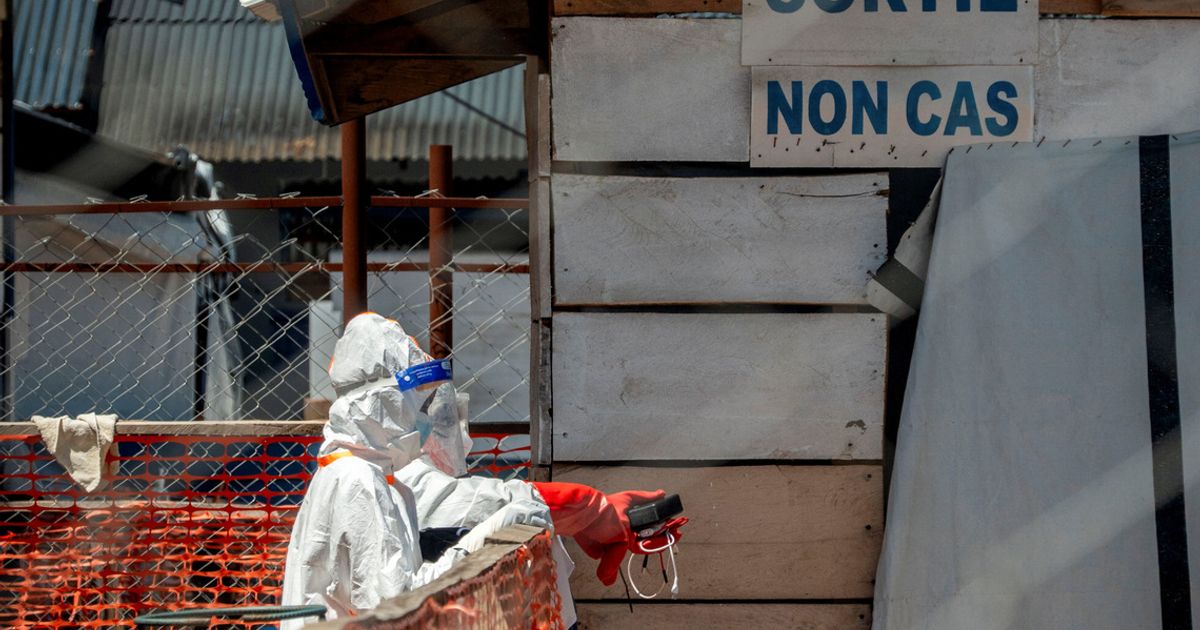
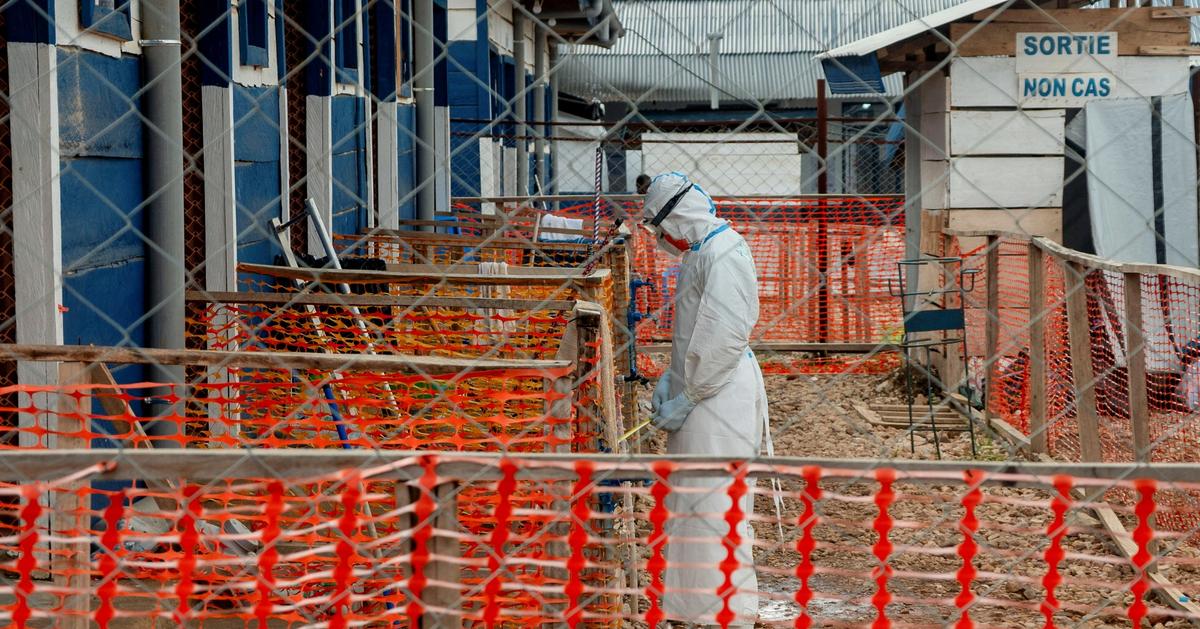
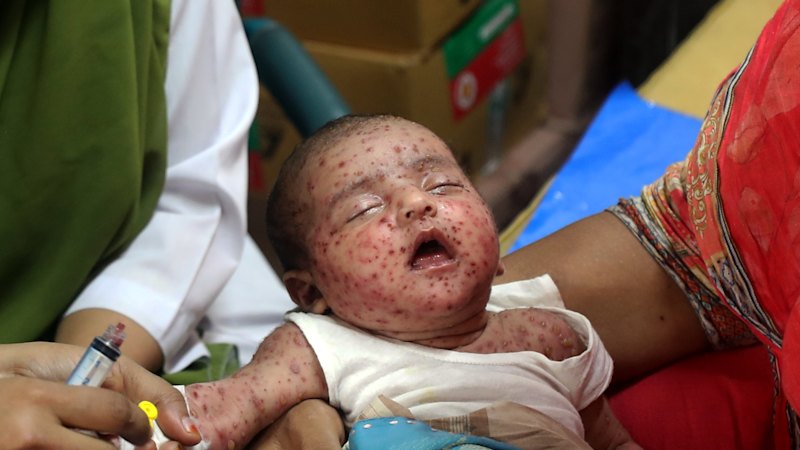
Children are being disproportionately affected by a deadly Ebola outbreak in the Democratic Republic of Congo, with around seven in 10 infected under-fives dying as scientists race to understand a rare strain of the virus.
asserted
scientists → affect → virus
More than 1,200 children under the age of five have contracted the Bundibugyo strain in the outbreak, and 844 have died, according to the latest figures from the Congolese health ministry and the World Health Organization (WHO).
uncertain
844 → contract → ministry
The fatality rate among young children is higher than the roughly 50 per cent recorded among adults, raising questions about why the virus is proving particularly dangerous for the youngest patients.
asserted
virus → record → patients
More than six months into the outbreak, scientists and medical teams are gathering evidence about the rare strain in the hope of improving diagnosis, treatment and efforts to stop its spread.
asserted
scientists → gather → spread
The virus has spread at twice the pace of the 2014-2016 West African Ebola outbreak, the largest on record.
asserted
virus → spread → record
Why children are being hit so hard
One challenge is that the symptoms can differ from what doctors and communities might expect from Ebola.
uncertain
doctors → hit → Ebola
While the disease can cause fever, vomiting, diarrhoea and, in severe cases, internal and external bleeding, bleeding appears to be much less common in this outbreak.
asserted
bleeding → cause → outbreak
Yap Boum, Africa Centres for Disease Control and Prevention's deputy Ebola incident manager, said bleeding was occurring in around 5 to 10 per cent of confirmed cases.
asserted
bleeding → say → cases
This can make the virus harder to recognise, with symptoms potentially mistaken for more common illnesses such as malaria.
asserted
symptoms → make → malaria
The WHO's Ebola incident manager, Catherine Smallwood, said young children were presenting particular diagnostic challenges because gastrointestinal symptoms were more common than fever.
asserted
symptoms → say → fever
This could be contributing to delays in diagnosis and treatment, she said.
uncertain
she → contribute → diagnosis
The outbreak is also unfolding in an area of eastern Congo already facing a humanitarian crisis, making it harder for medical teams to identify cases and provide care.
asserted
teams → unfold → care
Around 70 per cent of patients are still dying in their communities rather than in healthcare facilities, according to the report.
uncertain
cent → die → report
Scientists believe the virus may have been spreading for months before the outbreak was officially declared in May.
uncertain
outbreak → believe → May
Scientists search for answers
asserted
Scientists → search → answers
Researchers are still trying to establish how often people experience milder symptoms, what the longer-term effects of infection might be and whether existing medical interventions can help.
uncertain
interventions → try → infection
Genomic sequencing has found that Bundibugyo is distinct from more common Ebola viruses, but there is currently no evidence that it is rapidly changing or becoming more transmissible.
asserted
it → find → viruses
Prompt access to medical care significantly improves a patient's chances of survival, experts say.
asserted
experts → improve → survival
Standard measures such as isolating infected patients have also helped bring transmission under control in some of the outbreak's early hotspots.
asserted
measures → isolate → hotspots
The biggest unanswered question is whether vaccines and treatments developed for other Ebola strains can work against Bundibugyo.
asserted
vaccines → develop → Bundibugyo
A trial of Merck's Ervebo vaccine, which was developed to protect against the Zaire strain, is assessing whether it could offer some protection against the rarer virus.
uncertain
it → develop → virus
Vaccines designed specifically for Bundibugyo are also expected to enter trials, while medical teams in Congo are testing antiviral drugs and treatments from Gilead Sciences and Mapp Biopharmaceutical.
asserted
teams → design → Sciences
Around 700 survivors have enrolled in a study and support programmes, according to the WHO.
uncertain
survivors → enrol → WHO
Daniel Bausch, a member of the WHO's Ebola emergency committee, cautioned that comparisons between outbreaks were difficult because of differences in the circumstances and available data.
asserted
comparisons → caution → circumstances
But Boum said evidence that any vaccine or treatment could offer protection would represent a significant breakthrough.
uncertain
vaccine → say → breakthrough
“When we started, we said there are no vaccines, no treatments,” he said.
asserted
he → start → ?
“If we start proving we have some efficacy... it becomes a game changer.”
asserted
it → start → efficacy

 The Aporia