Scientists are learning more about the rare Ebola virus in Congo outbreak
asserted
Scientists → learn → outbreak
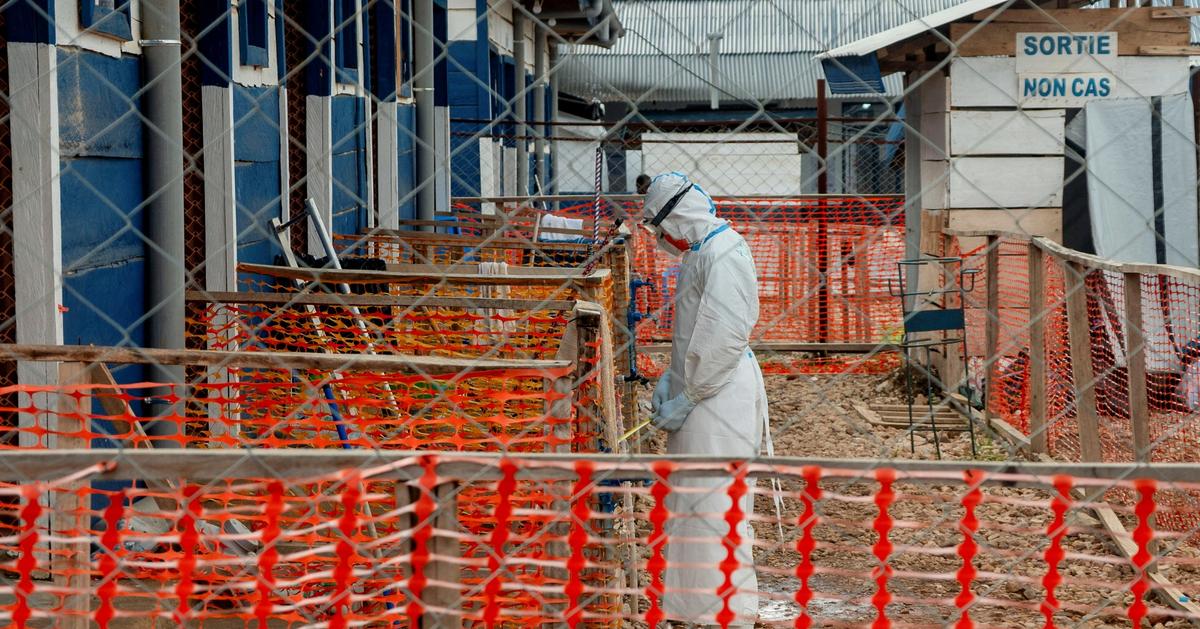
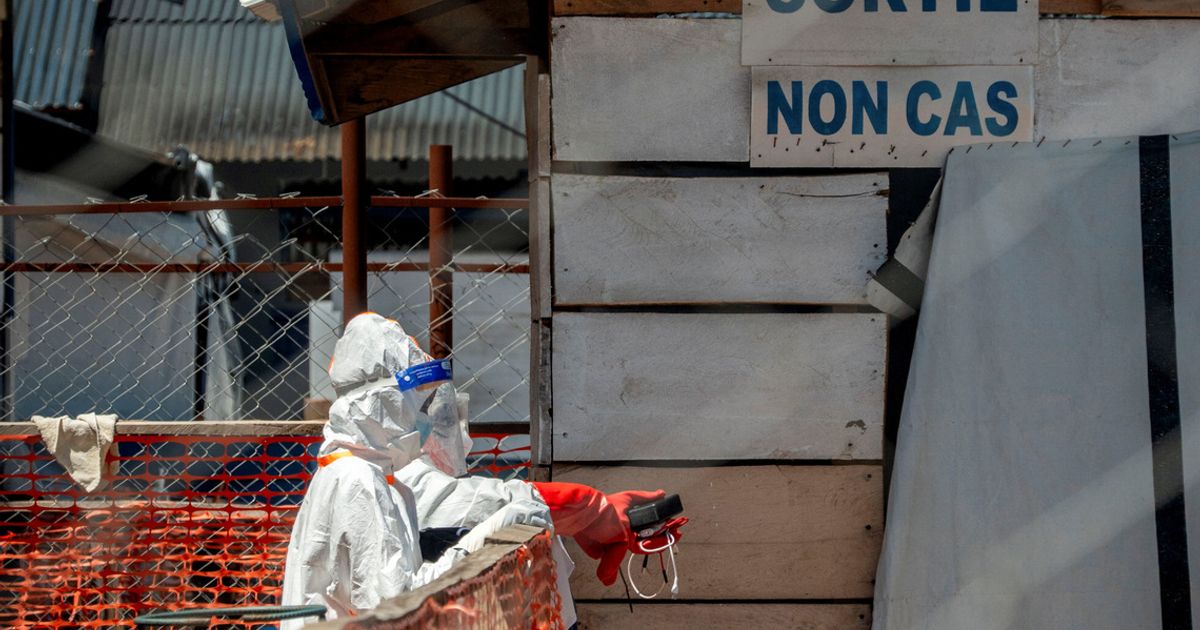
LONDON, Nov 20 - More than six months into a devastating Ebola outbreak in the Democratic Republic of Congo, scientists and medics are beginning to gain a better understanding of the rare Bundibugyo version of the virus, which they hope can help explain its rapid spread and, ultimately, stop it.
asserted
they → begin → it
There have been more than 11,000 cases and over 5,500 deaths so far, with the Bundibugyo virus spreading at double the pace of the 2014-2016 Ebola outbreak in West Africa, the largest on record.
asserted
virus → spread → record
The outbreak’s location in a part of eastern Congo already facing a humanitarian crisis could be complicating what scientists are finding, several experts said, and cautioned against drawing early conclusions as data is limited, varied and often difficult to collect.
uncertain
data → face → conclusions
“There are so many different factors to compare across outbreaks, even within outbreaks — it is really hard,” said Daniel Bausch, a member of the World Health Organization’s Ebola emergency committee and visiting professor at the Geneva Graduate Institute in Switzerland.
asserted
member → be → Switzerland
Catherine Smallwood, the WHO's Ebola incident manager, said teams were gathering evidence to help better inform the response.
asserted
teams → say → response
“Soon we’ll be able to make some bold statements about what’s the same, what’s different, and what we need to adjust,” she said.
asserted
she → make → what
A key area of investigation centers on Bundibugyo’s symptoms, particularly in children, WHO and Africa Centres for Disease Control and Prevention officials told Reuters.
asserted
officials → center → Reuters
Infection with Ebola can cause fever, vomiting, diarrhea and, in severe cases, internal and external bleeding.
asserted
Infection → cause → cases
But bleeding is only occurring in around 5% to 10% of confirmed cases in the Bundibugyo outbreak, said Yap Boum, Africa CDC’s deputy Ebola incident manager, making it less common than in outbreaks of the more prevalent Ebola, Zaire.
asserted
it → occur → Ebola
This makes the disease easier to confuse with other more common illnesses like malaria, which Boum said could have contributed to the late detection of the outbreak alongside early challenges with diagnosis, as the tests designed for other Ebola species do not pick up Bundibugyo.
uncertain
tests → make → Bundibugyo
It is also making it harder to track the spread, as many people do not suspect Ebola and seek care.
asserted
people → make → care
Around 70% of patients are still dying in their communities rather than in healthcare centres.
asserted
% → die → centres
While the outbreak was declared in May, the WHO and Africa CDC believe transmission may have been occurring months before that.
uncertain
transmission → declare → that
Jean-Jacques Muyembe, co-discoverer of Ebola and the head of Congo’s National Institute for Biomedical Research, said bleeding was also occurring later in the disease for some patients.
asserted
bleeding → say → patients
Bausch said many scientists now think bleeding is less of a hallmark symptom of all Ebola disease than they used to based on data gathered over years, although it seems even more rare for Bundibugyo patients.
asserted
it → say → patients
In young children, the situation is even more complex, said the WHO's Smallwood.
asserted
Smallwood → say → children
Gastrointestinal symptoms are more common than fever, complicating early diagnosis and treatment, which could also be a reason why children are being disproportionately affected, she said.
uncertain
she → complicate → diagnosis
There have been 1,207 confirmed cases of Ebola in children under the age of 5, and 844 of them have died, roughly 7 in 10, according to the latest data from the Congolese ministry of health and the WHO.
That is higher than among adults, for whom the fatality rate is around 50%, which is above previous Bundibugyo outbreaks but below the typical rates for Zaire, Muyembe and other types of Ebola, which can be up to 80% without treatment.
uncertain
which → confirm → treatment
There are still many questions that need further study, half-a-dozen leading experts said, including how common it is for patients to experience mild symptoms, as well as the long-term implications of infection for survivors.
asserted
patients → be → survivors
Around 700 survivors have enrolled in a study and support schemes, the WHO said.
asserted
WHO → enrol → study
Genomic sequencing, which previously found distinct differences from more common Ebola viruses, shows Bundibugyo is not changing rapidly or becoming more transmissible.
asserted
Bundibugyo → find → viruses
But Sylvie Jonckheere, Médecins Sans Frontières' emerging and reemerging infectious diseases adviser, said research remained a challenge when so many cases were still not being identified before victims die in the community.
“If we don't find the ones that are severely sick, what is our hope of finding the ones that are only mildly sick?” she said.
asserted
she → emerge → ones
Prompt access to good care massively improves the chance of survival, the experts said.
asserted
experts → improve → survival
Several experts noted that progress in stamping out the outbreak in some of the early hotspots demonstrated that standard control measures, like isolating patients, do work.
asserted
measures → note → patients
Like Zaire, this virus seems only to transmit when patients are symptomatic.
asserted
patients → seem → Zaire
But the big research question remains what vaccines and treatments could be effective.
uncertain
vaccines → remain → ?
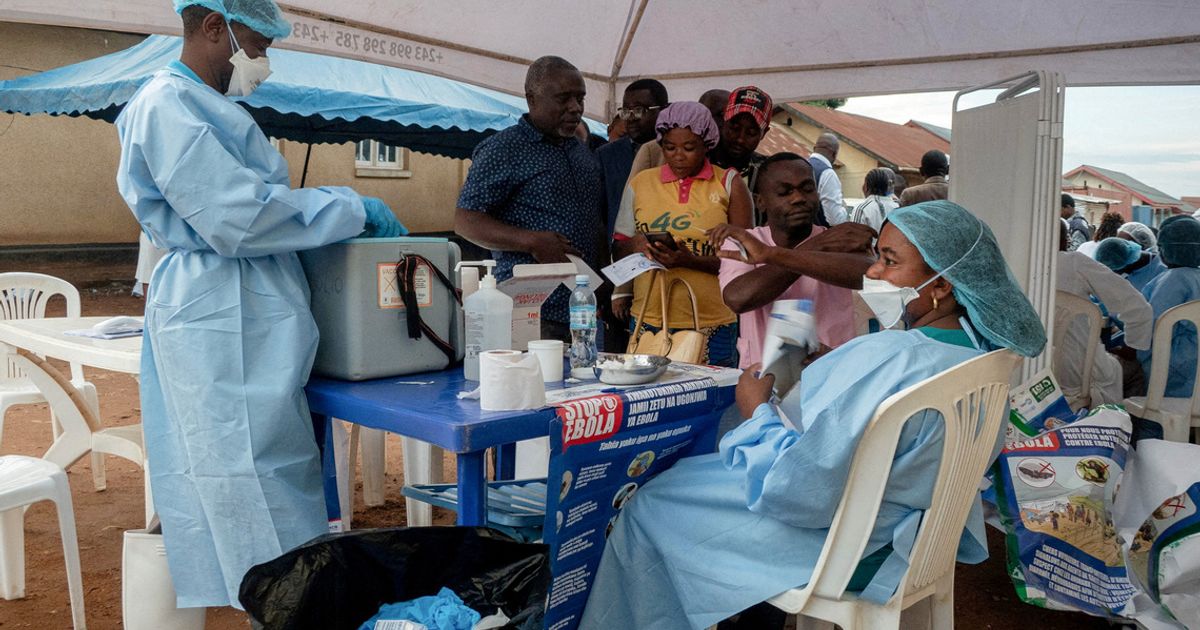
A trial of Merck’s Ervebo vaccine, developed to prevent Zaire, is assessing whether it might offer cross-protection for Bundibugyo.
uncertain
it → develop → Bundibugyo
New vaccines developed for Bundibugyo specifically will also enter trials soon, and medics are testing prophylactic antivirals and treatments in Congo from Gilead Sciences and Mapp Biopharmaceutical.
asserted
medics → develop → Sciences
“When we started, we said there are no vaccines, no treatments," Boum said.
asserted
Boum → start → ?
"If we start proving we have some efficacy... it becomes a game changer.”
asserted
it → start → efficacy
 The Aporia