The move from the BCS to a College Football Playoff selection committee was supposed to limit controversy and disagreement about the teams chosen to play for a championship.
asserted
move → suppose → championship
As the selection committee's rankings thus far in the 2026-2027 season have demonstrated, the controversy has only deepened.
asserted
controversy → demonstrate → season
Best exemplified by the disastrous release of week three of the committee's top-25 poll, which revealed that they have no intention of maintaining their standards when they apply to teams in the SEC.
asserted
they → exemplify → SEC
Nor will they listen to criticism and adjust their thinking.
asserted
they → listen → thinking
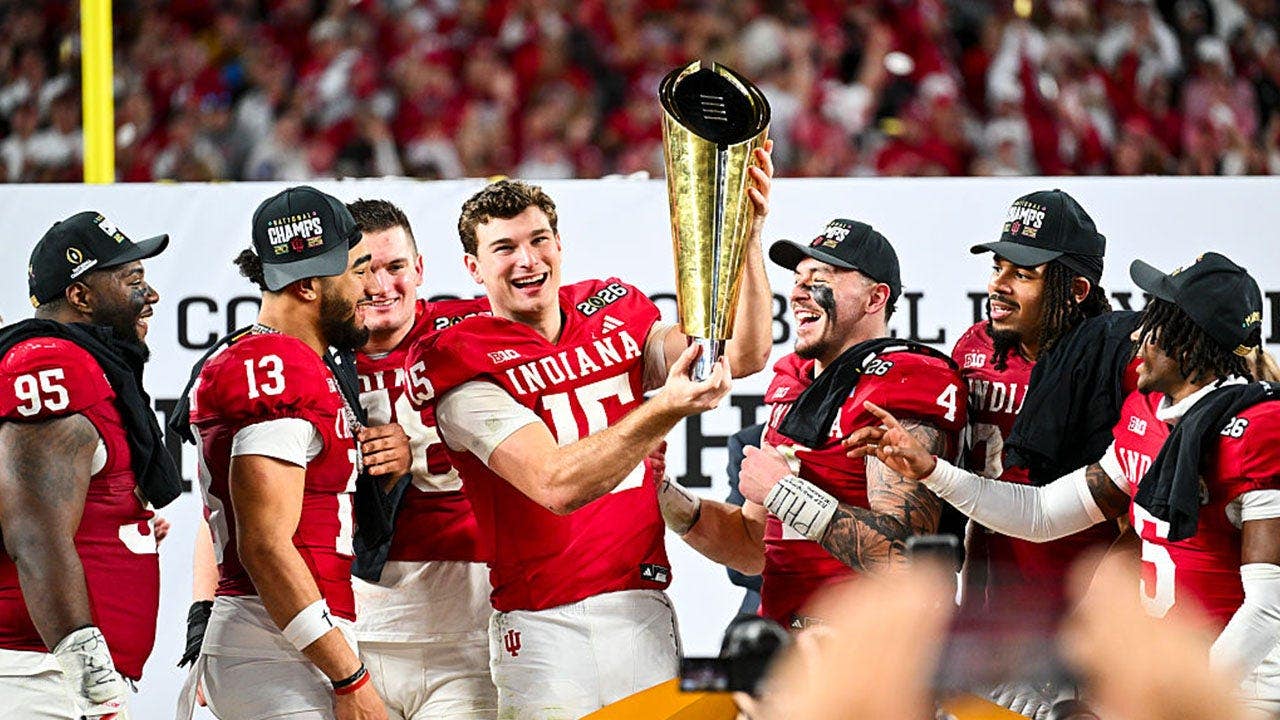
The Indiana Hoosiers in week two of the poll dropped five spots on a bye week, because the Big Ten opponents they'd beaten this season all lost in the same week.
asserted
they → drop → week
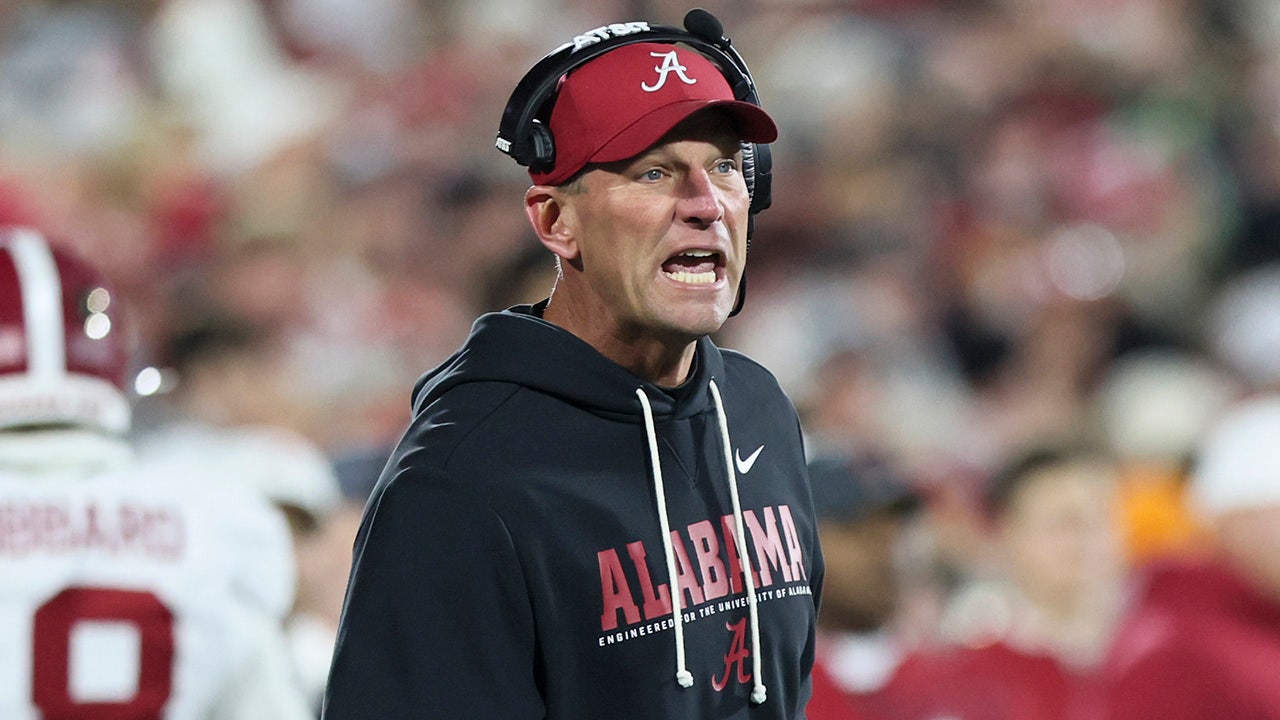
The exact same thing happened to the Alabama Crimson Tide, but worse, and the committee not only didn't drop them, committee chair Hunter Yurachek praised them.
asserted
Yurachek → happen → them
In a stadium that was roughly 60% Alabama fans, the Tide had one of the worst games of the season.
asserted
Tide → have → season
The Commodores actually drove into the Alabama red zone more frequently throughout the game, three to two.
asserted
Commodores → drive → game
The vaunted Alabama offense had just 309 total yards with an anemic 4.5 yards per play.
asserted
offense → have → play
Their rushing "attack" was even worse, averaging just 2.6 yards per attempt.
asserted
attack → average → attempt
This came against a team that is now 1-6 in the SEC and should be 3-7 overall, if not for one of the most bizarre, fluky finishes in recent college football memory against NC State.
asserted
that → come → State
And the Tide still played poorly, while all their other Patented SEC Quality Wins™ lost.
asserted
Wins → play → ?
Sounds like a recipe for a team to fall in the rankings, right?
asserted
team → sound → rankings
The Tide are under the committee's protection, and the comments from Yurachek afterward explained it beautifully.
asserted
comments → explain → it
"Alabama faced a similar circumstance where five of their SEC opponents all lost, but it didn't have the same impact on their strength of schedule that it had on Indiana's strength of schedule," he said.
asserted
he → face → schedule
"Actually, it is very minimal for Alabama because of the quality and the strength of schedule of those five teams that lost."
asserted
that → lose → teams
South Carolina firmly established that it is not good by losing to an atrocious Arkansas team by 28 points.
asserted
it → establish → points
Texas A&M is still treated as a Quality Win™ because it plays in the SEC, despite falling to 4-6 and 1-6 in conference.
asserted
it → treat → conference
Mississippi State has lost five games in a row, allowing an average of 35 points per game.
asserted
State → lose → game
It is still counted as a Quality Win™ because of a quarterback injury, since defense doesn't matter.
asserted
defense → count → injury
Kentucky has lost two games in a row and scored just 20 combined points, demonstrating that, as the computer metrics always suggested, it was wildly overrated to begin with.
uncertain
it → lose → points
Oh, and LSU lost yet again at home, falling to 3-4 in the SEC and 6-4 overall.
asserted
LSU → lose → SEC
No serious person would argue that Alabama's resume or strength of schedule or record looks better this week than it did last week.
asserted
it → argue → schedule
What makes this nonsense even more frustrating is the lack of transparency around the process.
asserted
nonsense → make → process
Yurachek frequently mentions things like "pods" and "metrics" and "strength of schedule" in his absurdist interviews, yet never explains what those pods are, how they're created, what metrics they use, how they calculate strength of schedule, or what goes into their thought process other than "SEC GOOD ME LIKE SEC RANKED WINS."
asserted
SEC → mention → WINS
This week, he credited Bama for avoiding an emotional letdown after beating LSU.
asserted
he → credit → LSU
Are we measuring emotions now?
asserted
we → measure → emotions
How does this work?
asserted
this → work → ?
Do they have, like, a Whoop that they use to track the heart rate of players and coaches in the SEC, and if it's elevated, they get special pod points?
asserted
they → have → points
Or is there a color wheel that the committee uses to track emotions and make decisions on?
asserted
committee → use → decisions
Do they measure emotions in other conferences or just the SEC?
asserted
they → measure → conferences
Shouldn't Utah move up to No. 1 because they followed up an emotional win over BYU with a road win over a ranked team?
asserted
they → move → team
He also said something about Alabama's margin of victory in SEC games, which is so beyond dumb it beggars belief.
asserted
it → say → belief
The margins of victory can be extremely misleading, which is why advanced metric systems look at more important factors like game efficiency, scoring outside of garbage time, and success rate on offense, success rate allowed on defense, and special teams advantages.
asserted
systems → look → defense
Sarcasm and Yurachek's nonsensical statements aside, though, this has raised a more salient and important question: what metrics do they actually use?
asserted
they → raise → metrics
How do they determine strength of schedule?
asserted
they → determine → schedule
ESPN's Heather Dinich gave an explanation so ridiculous that even her colleagues at the network made fun of her for it.
asserted
colleagues → give → it
But what's actually happening here?
asserted
what → happen → ?
Per a source, the committee uses 30 "metrics" to come up with their strength of schedule and strength of record ratings.
asserted
committee → use → ratings
It'd be great if fans could see what those metrics are, as that would allow more qualified, experienced, and competent fans and analysts to look at them and evaluate them.
uncertain
fans → see → them
…and 26 more, not listed.
 The Aporia