Bangladesh's garment manufacturers are expected to propose a roughly 15% hike in the minimum monthly wage of protesting workers during talks with authorities on Monday, Reuters reported, citing industry leaders.
asserted
Reuters → expect → leaders
However, the proposed increase falls well short of workers' demand for a monthly minimum wage of 30,000 taka ($242), more than double their current pay of 12,500 taka ($101).
asserted
increase → propose → taka
According to labour representatives, workers are unlikely to accept an increase significantly below their demands.
uncertain
workers → accord → demands
Industry leaders argued that a wage hike exceeding 15% would be "unsustainable" for the garment sector, which is facing rising costs and weak global demand.
asserted
which → argue → costs
"Even then, many small factories could struggle to cope with the increase," one industry leader said.
uncertain
leader → struggle → increase
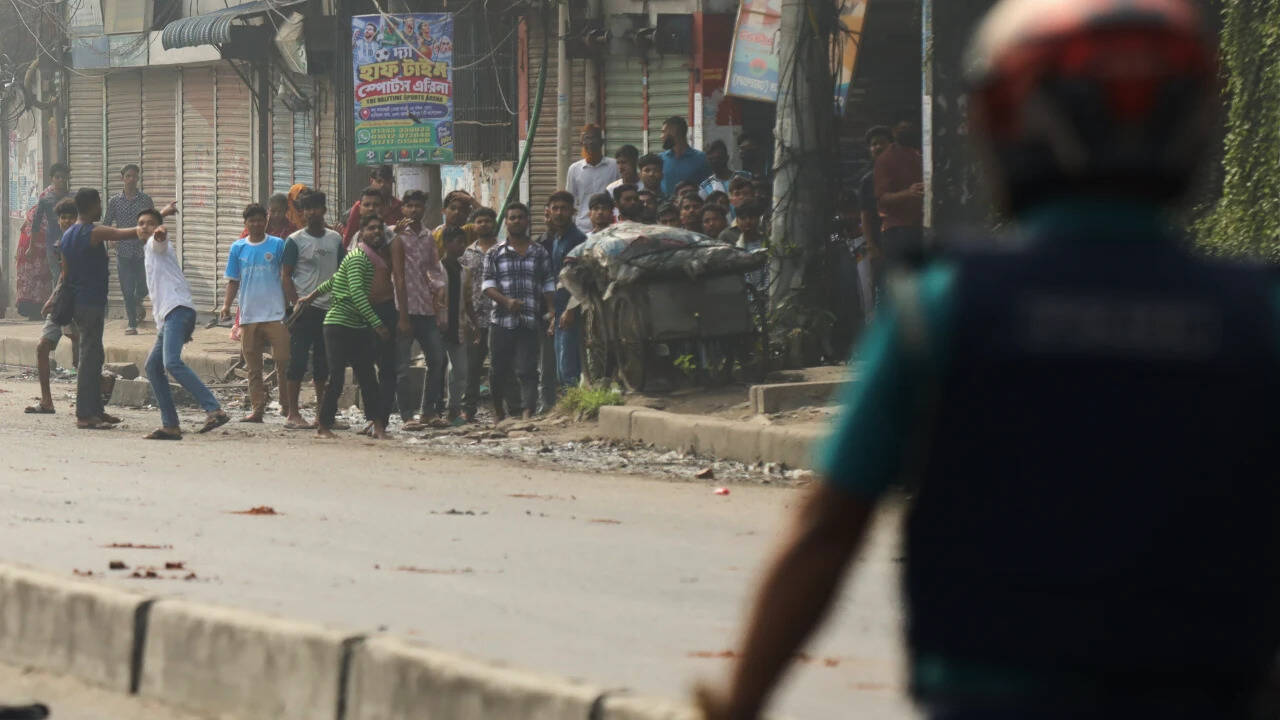
Meanwhile, labour unrest continued on Monday, with protesters forcing dozens of garment factories to shut down in Ashulia and Gazipur, two major apparel manufacturing hubs on the outskirts of the capital, Dhaka.
asserted
protesters → continue → capital
Factory owners have warned that the unrest could further disrupt production and export shipments during a crucial period for overseas orders.
uncertain
unrest → warn → orders
Why are Bangladesh's garment sector workers protesting
asserted
workers → protest → ?
Workers in Bangladesh's garment sector have been protesting since early November, demanding higher wages amid rising living costs.
asserted
Workers → protest → costs
The unrest has triggered factory shutdowns and violent clashes in the world's second-largest garment-exporting nation, which employs more than 4 million (40 lakh) people in the sector and supplies major global retailers, including H&M, Gap, and Walmart.
asserted
which → trigger → H&M
The wage dispute threatens to undermine the cost advantage of an industry that accounts for more than 80% of Bangladesh's export earnings.
asserted
that → threaten → earnings
According to a survey by the Bangladesh Garment Manufacturers and Exporters Association, disruptions over an 18-day period caused losses of around $428 million across 317 factories.
uncertain
disruptions → accord → factories
International buyers also shifted orders worth approximately $254 million to other countries amid concerns over production disruptions.
asserted
buyers → shift → disruptions
Industry leaders say rising production costs, higher utility tariffs and intense competition from rival garment-producing countries have limited manufacturers' ability to accommodate a substantial wage increase.
asserted
costs → say → increase
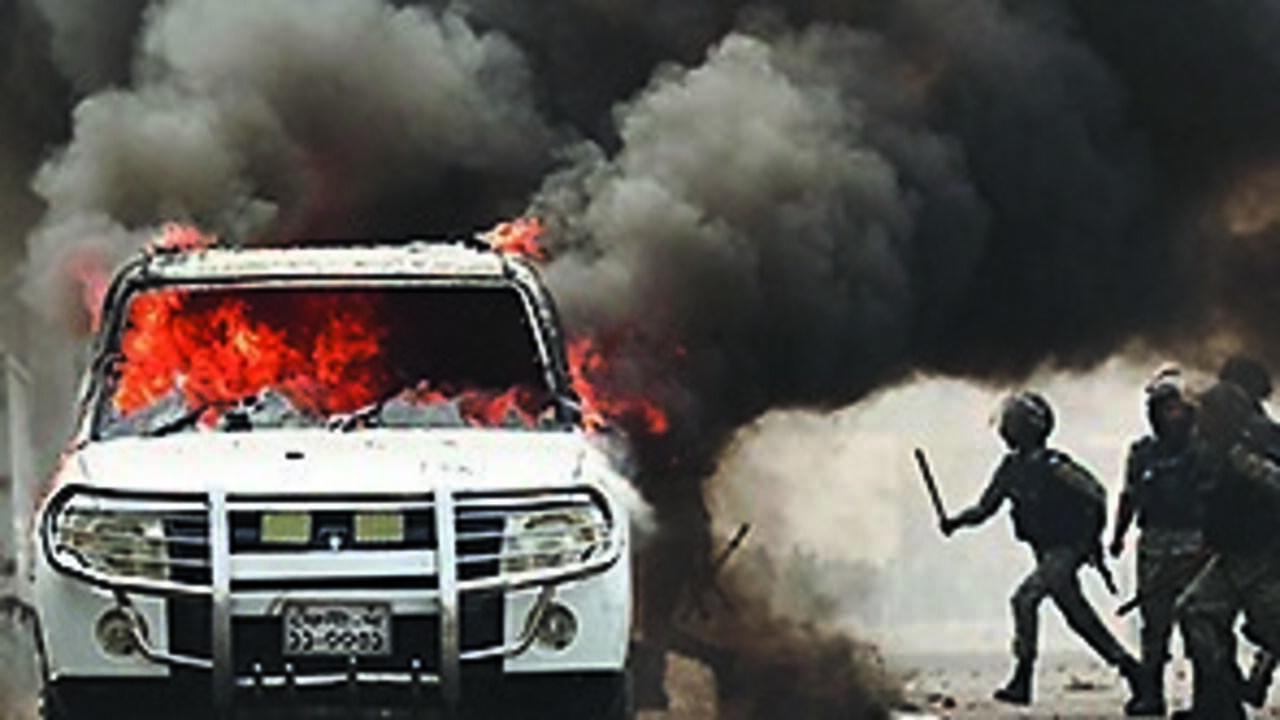
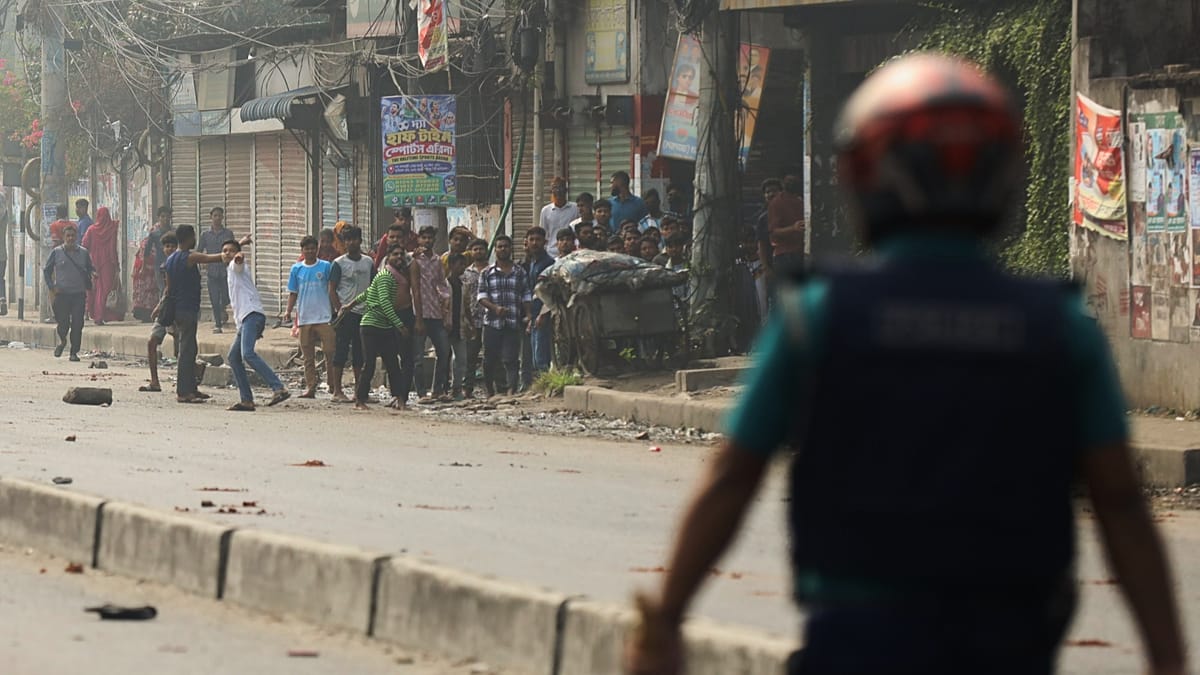
The protests, which began earlier this month, forced hundreds of factories to shut down and triggered clashes between workers and police.
asserted
which → begin → workers
Security forces used tear gas and sound grenades to disperse demonstrators.
asserted
forces → use → demonstrators
Global labour groups back workers' wage demands
Several global labour rights organisations, trade unions, and brand coalitions have thrown their support behind Bangladeshi garment workers' demands for higher wages.
asserted
organisations → back → wages
On November 19, the Action, Collaboration, Transformation (ACT) initiative, a global wage-bargaining platform bringing together apparel brands and trade unions, called for an urgent and meaningful increase in the country's minimum garment wage, citing rising living costs, inflation, productivity and prevailing economic conditions.
asserted
initiative → bargain → costs
In a joint statement, ACT also expressed concern over reports of violence and retaliation linked to the wage-setting process, urging all parties to respect workers' rights to freedom of association, peaceful assembly and social dialogue.
asserted
ACT → express → association
The initiative further called on the government-appointed wage board to reach a negotiated settlement that would bring workers' pay closer to a living-wage level.
asserted
that → call → level
ACT's brand members, including H&M Group, Inditex, C&A, Primark, Next and PVH Corp, said they would work with suppliers to ensure that statutory and negotiated wage increases were reflected in purchasing prices.
asserted
increases → include → prices
 The Aporia