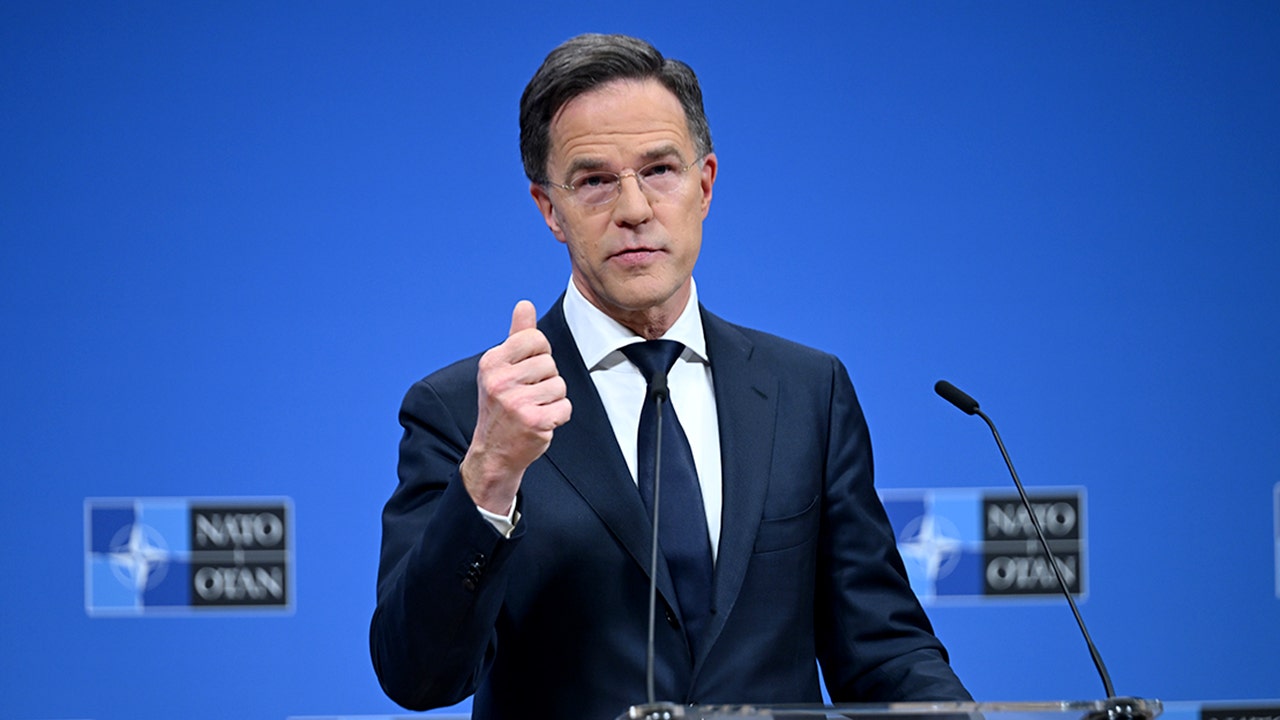
Photo via BBC News

Nato chief vows defence against space threat after Russian nuclear satellite reports

Read the original at BBC News ↗
Cite

Davidson, H. (2026, November 24). Nato chief vows defence against space threat after Russian nuclear satellite reports. BBC News. https://www.bbc.co.uk/news/articles/c9x2er1ry2mzo?at_medium=RSS&at_campaign=rss

Dated from the outlet's own feed. Check the original for its byline.

BBC News · collected 2026-11-24 · by Helen Davidson

Quick Summary

Nato chief Mark Rutte responded to recent intelligence reports suggesting Russia is preparing to launch a nuclear-armed satellite, vowing that Nato will defend against any space-based threats. The German media reported on these claims, citing anonymous sources, while Russia denied them, calling them part of a propaganda campaign. Rutte and German Chancellor Friedrich Merz emphasized the seriousness of the reports without confirming them, highlighting the potential for escalation in space warfare.
Written by AI on 2026-11-24, from this article's own text only (the story summary below draws on all the coverage).
See how they differ ↓

AI analysis

Story summary

NATO chief Mark Rutte has vowed to defend against space threats after reports that Russia may launch a nuclear-armed satellite as soon as December. According to Western intelligence agencies and German media outlets, Russia has assembled a satellite named Sputnik-S near Moscow and could launch it within 60 days. This development raises concerns about the potential impact on Western technology and communications, including Starlink satellites and military drones. NATO has shared intelligence on this threat among its member countries, and German officials have warned that the country lacks an immediate plan to address long-term space-based failures.

Written for “Russia Planning Nuclear Satellite Launch” on 2026-11-24, grounded in this article and the 10 other(s) covering the same event.

How they differ

8 outlets covered “Russia Planning Nuclear Satellite Launch”.

What each outlet says

One AI summary per outlet of its latest article on this story, written from that article alone and checked against it. Open the article for the outlet's own words.

BBCThis outlet24 Nov

Nato chief Mark Rutte responded to recent intelligence reports suggesting Russia is preparing to launch a nuclear-armed satellite, vowing that Nato will defend against any space-based threats. The German media reported on these claims, citing anonymous sources, while Russia denied them, calling them part of a propaganda campaign. Rutte and German Chancellor Friedrich Merz emphasized the seriousness of the reports…

Nato chief vows defence against space threat after Russian nuclear satellite reports (this article)
The Straits Times23 Nov

On November 23, NATO Secretary General Mark Rutte responded to German media reports suggesting Russia may launch a nuclear-armed satellite, vowing to defend NATO territories in space. These reports, citing unnamed German military and intelligence sources, indicate Russia could deploy a satellite named "Sputnik-S" within weeks, which could potentially disrupt or destroy other satellites. German Chancellor Friedrich…

NATO vows space defence after Russia nuclear satellite report →2 articles from The Straits Times on this story
Daily Mail24 Nov

Josef Aschbacher, head of the European Space Agency, warns that Russia’s potential launch of a nuclear-armed satellite represents "the ultimate nightmare scenario." Reports suggest Russia might deploy Sputnik-S before the end of the year, prompting NATO to prepare various defense measures. Russia denies the claims, stating they are part of a propaganda campaign and reiterates its commitment to the 1967 Outer Space…

'The ultimate nightmare scenario': European space chief's dire warning as Putin 'prepares to launch nuclear-armed satellite' →2 articles from Daily Mail on this story
The Independent24 Nov

German intelligence sources report that Russia is planning to launch a satellite named Sputnik-S carrying a nuclear weapon into space by the end of this year. The satellite is currently assembled and stationed in the Moscow region, raising concerns among NATO countries and the US about potential threats to both military and civilian infrastructure on Earth. The Russian embassy denied these allegations, calling them…

Russia ‘planning to launch satellite with nuclear weapon into space by end of the year’ →2 articles from The Independent on this story
New York Post23 Nov

Western intelligence agencies warn that Russia may launch a nuclear-capable satellite named Sputnik-S as early as next month, despite it having been dormant near Moscow for several years. This development, confirmed by reports from NATO countries and Germany, raises concerns about violations of the 1967 Outer Space Treaty. Russia denies the claims, with President Putin reaffirming the country’s stance against…

Russia is preparing to launch a nuclear space weapon — as soon as next month, intelligence warns →
The Guardian23 Nov

German media, citing Western intelligence, report that Russia may be planning to launch a nuclear-armed satellite into space this year, violating international treaties. The German government and intelligence services are taking these reports seriously, while the Russian government denies the allegations, calling them "unfounded" and part of a propaganda campaign. Moscow insists its space activities adhere to…

Germany taking seriously reports Russia may be planning to launch nuclear weapons into space →
Show 2 more outlets
Fox News23 Nov

Western intelligence agencies warn that Russia could launch a nuclear-capable satellite named "Sputnik-S" within 60 days, potentially threatening thousands of satellites used by the U.S. and its allies. This news comes shortly after a summit in Shenzhen where leaders discussed nuclear arms control but did not commit to new measures. NATO and German officials expressed concern, while the Kremlin dismissed the reports…

Russia could launch nuclear-capable satellite within weeks, Western intelligence warns: report →
Times of India24 Nov

Russia is reportedly preparing to launch a satellite called Sputnik-S that could potentially carry a nuclear warhead into space by the end of the year, according to German intelligence assessments cited by broadcasters NDR and WDR and newspaper Süddeutsche Zeitung. The satellite has been fully assembled and stored in the Moscow region for several years. Russia's embassy in Berlin has dismissed these allegations as…

Nuclear weapon in space? Russia may launch warhead-capable satellite by December →

Where they agree and split

Framing

How the first headlines put it

Attributed to a source2
Stated as fact4
The headlines (6)

Germany taking seriously reports Russia may be planning to launch nuclear weapons into space The Guardian · attributed to a source

Russia could launch nuclear-capable satellite within weeks, Western intelligence warns: report Fox News · attributed to a source

NATO believes Russia is ready to launch nuclear-armed satellite: German media The Straits Times · stated as fact

Russia 'is preparing to launch nuclear-armed space weapon by the end of this year' - capable of devastating Western technology and communications Daily Mail · stated as fact

Russia ‘planning to launch satellite with nuclear weapon into space by end of the year’ The Independent · stated as fact

Russia is preparing to launch a nuclear space weapon — as soon as next month, intelligence warns New York Post · stated as fact

Words to watch (1)

Russia 'is preparing to launch nuclear-armed space weapon by the end of this year' - capable of devastating Western technology and communications Daily Mail

The full story: what happened, how it changed, and all 11 articles →

Compared with similar articles

This article reads unscored and hedges 10% of its claims. Each row says how that neighbour differs.
The Straits Times
Hedges 1 of 6 claims Outlet record 64/100
The Straits Times
Hedges 2 of 14 claims Outlet record 64/100
Fox News
Leans strongly right Hedges 4 of 27 claims Outlet record 65/100
“The articles cover different topics within NATO's concerns: one about the creation of a separate European army and the threat of Russian military escalation, and the other about defending against space threats due to reports of a Russian nuclear satellite.”
Daily Mail
Leans right Hedges 8 of 34 claims Outlet record 69/100
“While both articles discuss Russia's plans to launch a nuclear-armed space weapon, Article A focuses on the capabilities and potential impact of the weapon, while Article B covers NATO's response to these reports. The events described are related but distinct.”
The Independent
Hedges 6 of 18 claims Outlet record 59/100
“Article A reports on intelligence suggesting Russia is planning to launch a nuclear-armed satellite by the end of the year, while Article B focuses on NATO's response to these reports, which is a different event.”
New York Post
Centre Hedges 3 of 15 claims Outlet record 66/100
“While both articles discuss the threat of a Russian nuclear satellite, Article A focuses on the intelligence warning about the potential launch, while Article B reports on NATO's response to the threat.”
The Independent
Hedges 6 of 18 claims Outlet record 59/100
“While both articles discuss the threat of Russia launching a nuclear-armed satellite, Article A focuses on the intelligence report and warning, whereas Article B reports on NATO's response to these reports.”
Times of India
Leans right Hedges 6 of 12 claims Outlet record 58/100
“While both articles discuss Russia's plans to launch a nuclear-armed satellite and NATO's response, Article A focuses on NATO chief Mark Rutte's comments in response to intelligence reports, whereas Article B provides more detailed information about Russian satellite preparations and implications in the context of the war with Ukraine.”
Fox News
Hedges 11 of 29 claims Outlet record 65/100
“While both articles discuss the potential launch of a nuclear-armed satellite by Russia, Article A focuses on Western intelligence warnings and a summit meeting, while Article B reports NATO's response to the threat. They describe related but distinct events.”

Story

Russia Planning Nuclear Satellite Launch
Politics · 11 article(s) covering the same event. Compare every outlet's account →
How this article was measured signals, leaning charts, publisher record, byline, topics and claims

Signals How these are calculated →

Claims extracted
21
sentences that state something as happening or true
Uncertain
10%
2 of 21 hedged ("reportedly", "may", "according to")
Leaning
withheld
no quote in the article backed the model's score
Publisher signals
65/100
BBC News's corrections and hedging, across everything collected from it. Not a measure of accuracy.
Outlets on this story
11
Politics
Same framing elsewhere
1
articles that frame the event the way this one does
Analyzed 2026-11-24 · how these are computed

How this is being covered How these are calculated →

Article leaning vs. publisher reliability
Source leaning vs. consistency

Publisher

BBC News · 6572 article(s) · 9 correction(s) detected
Running correction rate · 9 correction(s)

Who wrote this

Helen Davidson
6 article(s) here · 1 carrying a prediction
- Published Nato chief Mark Rutte has said the alliance will defend against any threats in space after reports that Russia was preparing to launch a nuclear-armed satellite.
Friday's suspension was the longest such incident since the 11 September 2001 attacks on the US and the disruption is expected to last for days.
The software is also used by companies worldwide and is expected to have a knock-on effect to other services.
2026-11-13 · assertive framing · What we know about the global Microsoft outage
"If the US govt betrays their public will to serve international paymasters and blackmailers, it will learn our 'no' comes with a nightmare."
His request for a new trial was denied in May.
Also by Helen Davidson
Nothing else under this byline is closely related to this article, so these are simply their most recent.
All 6 articles by Helen Davidson →

Topics

Berlin German Nato Russia Russian

Subjects

Russia GPE · 7× German NORP · 6× Nato ORG · 4× Russian NORP · 3× Rutte PERSON · 3× Berlin GPE · 2× Kremlin ORG · 2× Dmitry Peskov PERSON · 1× Mark Rutte PERSON · 1× NDR ORG · 1×

Narrative

Standing alongside Rutte, German Chancellor Friedrich Merz did not confirm or deny the reports of Russia's plans, but said they "reveal the level of escalation Russia is evidently prepared to pursue". "Reports that Russia is planning to introduce nuclear weaponry into space are not new, yet they remain no less shocking," he said.
framing: assertive · carried by 1 article(s) · first seen 2026-11-24
- Published Nato chief Mark Rutte has said the alliance will defend against any threats in space after reports that Russia was preparing to launch a nuclear-armed satellite.

Claims (21 extracted, 2 hedged)

- Published Nato chief Mark Rutte has said the alliance will defend against any threats in space after reports that Russia was preparing to launch a nuclear-armed satellite. asserted
Russia → publish → satellite
Intelligence reports about a possible launch in the next 60 days had been shared among Nato countries this month, according to German media outlets. uncertain
reports → share → outlets
It was not clear which country had authored the reports. asserted
country → author → reports
Asked about the reports, Rutte said: "We will always make sure we defend every inch of Nato territory, and that includes making sure we are safe when it comes to the space element." asserted
it → ask → element
Kremlin spokesman Dmitry Peskov said he hadn't seen the latest reports but dismissed reports citing "unknown sources" as "hardly worth taking seriously". asserted
he → say → sources
The Russian embassy in Berlin told German media it rejected what it called "unfounded allegations" and said the reports were part of a "propaganda campaign". asserted
reports → tell → campaign
Rutte told the press conference in Berlin that Nato had a variety of response options. asserted
Nato → tell → options
"When it comes to the military domain, we will always make assessments of our deterrence and defence and make updates where necessary," he said. asserted
he → come → updates
Citing anonymous German military and intelligence sources, the reports by broadcasters NDR and WDR, and newspaper Sueddeutsche Zeitung, said the Russian satellite was dubbed "Sputnik-S" and was equipped with a nuclear warhead. asserted
satellite → cite → warhead
It could be used to disrupt or destroy other satellites, including important communication and observation satellites. uncertain
It → use → satellites
Standing alongside Rutte, German Chancellor Friedrich Merz did not confirm or deny the reports of Russia's plans, but said they "reveal the level of escalation Russia is evidently prepared to pursue". "Reports that Russia is planning to introduce nuclear weaponry into space are not new, yet they remain no less shocking," he said. asserted
he → stand → space
A German government spokesman earlier also did not confirm or deny the reports, but said it was taking the reports "very seriously", AFP reported. asserted
AFP → confirm → reports
The spokesman, however, warned against causing "excessive nervousness regarding hypothetical dangers". asserted
spokesman → warn → dangers
Josef Aschbacher, the head of the European Space Agency, said having nuclear weapons in space was "the ultimate nightmare scenario", German paper Handelsblatt reported. asserted
having → say → Handelsblatt
Russia is a signatory to the 1967 Outer Space Treaty, which bans weapons of mass destruction from orbit. asserted
which → ban → orbit
Other countries, including the US and China, have deployed or plan to deploy other weapons in space, exploring other capabilities outside of the treaty, such as targeting rivals' satellites - which are key for military communications, surveillance and navigation. asserted
which → include → communications
In 2024 the US claimed Russia was developing a "space-based" anti-satellite weapon armed with a nuclear warhead. asserted
Russia → claim → warhead
Russia denied the accusation. asserted
Russia → deny → accusation
We have always been categorically against the deployment of nuclear weapons in space and we are still against it," President Vladimir Putin said at the time. asserted
Putin → say → time
In September the US Secretary of the Air Force Troy Meink said the US had "on-orbit, space-control weapons" circling the planet, but did not provide specifics. asserted
US → say → specifics
In response to the announcement, the Kremlin's Peskov told Russian media that space "must be free of any weapon". asserted
space → tell → weapon
Give feedback · no sign-in needed

No sign-in needed for now. Your note is sent without a name, so it cannot be answered.

History Support