Novo Nordisk, Eli Lilly to add warning labels to GLP-1s amid wave of vision loss lawsuits
AI generated
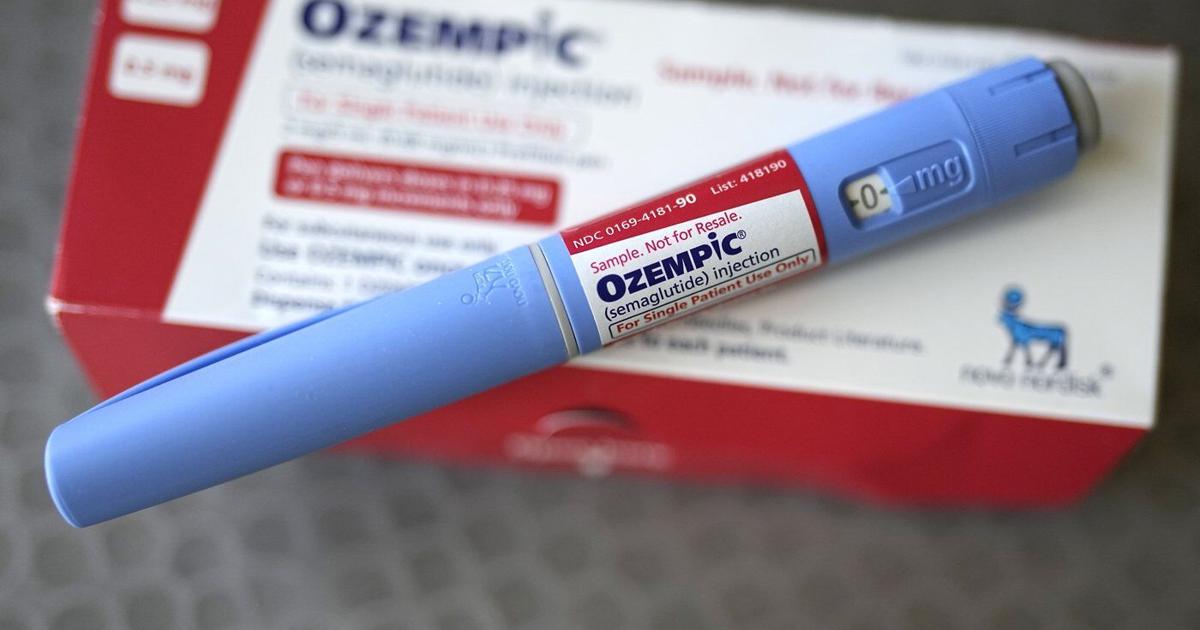
Novo Nordisk A/S and Eli Lilly are preparing to add a new federally required warning label to popular obesity drugs, as they face a growing body of lawsuits from users claiming the products caused damaging side effects that they did not adequately warn about.
asserted
they → add → that
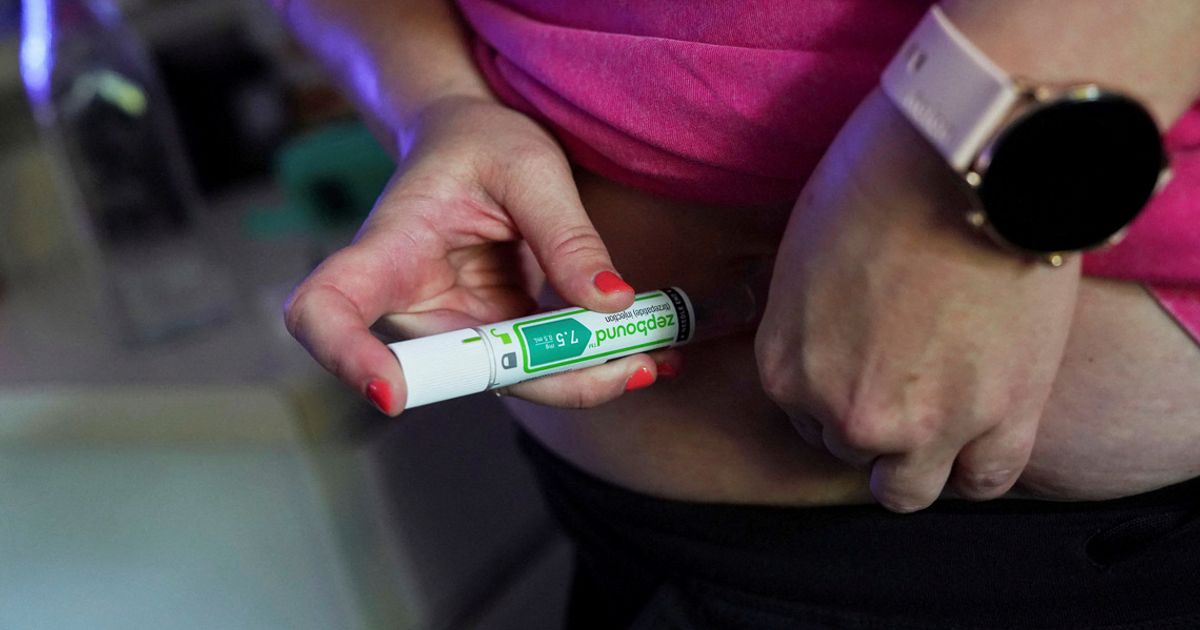
Patients taking GLP-1s like Ozempic and Zepbound for diabetes or weight loss are suing the drugmakers in different courts around the country.
asserted
Patients → take → country
Hundreds say they are suffering from a rare but serious condition that can cause permanent vision damage – which the companies have not had to advise of until now.
asserted
companies → say → which
The US Food and Drug Administration said in November it will require safety labelling changes for GLP-1s due to “potential increased risk” of non-arteritic anterior ischaemic optic neuropathy, or NAION.
asserted
it → say → neuropathy
Sometimes called an “eye stroke”, it can cause sudden vision loss without pain, usually in one eye.
asserted
it → call → eye
Adding the label will not mean the drugmakers are admitting to a causal link – that is up to the plaintiffs and their experts to try to prove.
asserted
that → add → plaintiffs
And that part of the litigation, which will likely take years to play out, is not expected to come into focus until at least the middle of 2027.
asserted
which → take → 2027
But for now, the requirement draws greater attention to the condition and may encourage more patients to sue, plaintiffs’ lawyers say.
uncertain
lawyers → draw → patients
“The FDA’s decision is an important development,” said Craig Silverman, who is representing patients suing Novo and Lilly.
asserted
who → say → Novo
“The FDA has now recognised that the potential risk of NAION warrants a warning, and whether patients should have received that warning sooner is a central issue in these cases.
asserted
received → recognise → cases
Novo, the Danish company behind Ozempic and Wegovy, and US drugmaker Lilly, which markets Zepbound and Mounjaro, report billions of dollars in sales for their blockbuster drugs, with Mounjaro in 2026 becoming the world’s top-selling medication.
asserted
Mounjaro → market → 2026
As the drugs have soared in popularity, so have the lawsuits – what started as just a handful has grown to more than 7,000 between state and federal courts in just three years, according to court records.
uncertain
started → soar → records
The majority of those are from plaintiffs who allege they have suffered from various gastrointestinal injuries, such as stomach paralysis, acute gallbladder disease and severe inflammation of the pancreas.
asserted
they → allege → pancreas
Drug labels already include information about those conditions.
asserted
labels → include → conditions
But the patients suing the companies claim the warnings are not sufficient, and that the drugmakers spend hundreds of millions of dollars on marketing that downplays the risks.
uncertain
that → sue → risks
The FDA’s process involves discussion of the specific labelling changes with the manufacturers and could result in an updated label early in 2027.
uncertain
process → involve → 2027
Lilly has already updated the prescribing information for its drugs to include a warning about NAION, according to labelling published in a federal government database.
uncertain
Lilly → update → database
Both companies say that patient safety is a top priority and that they will continue to defend themselves in court.
asserted
they → say → court
On the NAION claims, a Lilly spokesperson said the company “appreciates the court’s careful consideration of the scientific evidence and its impact on important threshold issues, including causation”.
uncertain
company → say → causation
“Novo continues to believe the data do not establish a cause-and-effect relationship and we remain confident in the benefit-risk profile of our GLP-1 medicines,” according to a company statement after the FDA’s announcement.
“We continue to monitor the safety of our medicines, review new research and work with health authorities around the world.
uncertain
We → continue → world
GLP-1 drugs have been used to treat type 2 diabetes for over two decades, but they have become more popular in recent years as treatment for obesity.
asserted
they → use → obesity
Americans’ use of the injectable medications for weight loss has nearly quadrupled since 2024, with as many as 30 million people currently on one.
asserted
use → quadruple → one
Several of the drugs already warn about temporary blurry vision and worsening diabetic eye disease from rapid blood sugar changes.
asserted
Several → warn → changes
People with type 2 diabetes have a higher risk of vision loss and NAION, making it hard for researchers to tell if GLP-1s cause the condition or if some patients taking the medications are predisposed to it.
asserted
patients → have → it
In requiring the new warning, the FDA said NAION has been reported for all GLP-1 drugs on the market.
asserted
NAION → require → market
(Lilly said the FDA’s communication did not reference any findings specific to its medicines.)
asserted
communication → say → medicines
Studies that have evaluated a link between NAION and the medications have produced conflicting results.
asserted
that → evaluate → results
Regulators in Europe and Britain already require some GLP-1s to warn about the condition.
asserted
Regulators → require → condition
While plaintiffs’ attorneys say the warning is a meaningful development, some say it does not go far enough.
asserted
it → say → ?
Weitz & Luxenberg partner Ellen Relkin said any warning that does not recommend eye examinations before and after starting on GLP-1s would be inadequate.
asserted
that → say → GLP-1s
Danielle Gold, also a partner, said the firm has filed more than 100 NAION claims and has another 150 planned.
uncertain
firm → say → 150
Cilette Mitchell said she started taking Ozempic to try to lose weight in 2024 and woke up one morning with clouded vision in her right eye.
asserted
she → say → eye
Her condition worsened, so she went to a hospital and underwent extensive tests.
asserted
she → worsen → tests
She told the doctors she was using Ozempic, but because the drug carried no warning about sudden vision loss at the time, they did not take her off it, Mitchell said.
asserted
Mitchell → tell → it
Within a few weeks, Mitchell said she lost sight in her other eye, leaving her legally blind on both sides.
asserted
she → say → sides
She was diagnosed with NAION and is suing Novo.
asserted
She → diagnose → Novo
A representative for Novo declined to comment specifically on Mitchell’s claim.
uncertain
representative → decline → claim
Mitchell, 64, said she can no longer work as a branch manager of a bank in San Diego and struggles with her balance.
asserted
she → say → balance
“If I had been informed, I would have never taken this medication, ever,” Mitchell said.
asserted
Mitchell → inform → medication
Multi-district litigation
Due to the sheer volume of GLP-1 cases, they have been consolidated into two main groups, each known as a multi-district litigation – one for the gastrointestinal issues, the other for vision loss claims.
uncertain
they → consolidate → claims
…and 16 more, not listed.
 The Aporia