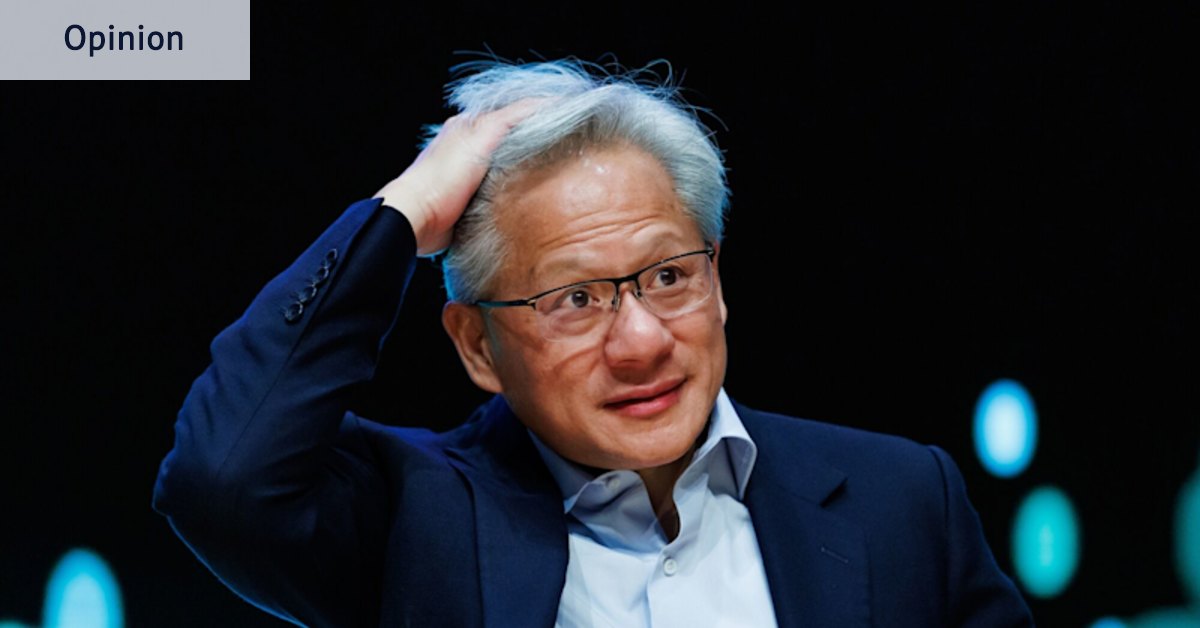
Photo via The Sydney Morning Herald

Trump strikes again even as America feels the pain

Read the original at The Sydney Morning Herald ↗
Cite

Bartholomeusz, S. (2026, November 26). Trump strikes again even as America feels the pain. The Sydney Morning Herald. https://www.smh.com.au/business/the-economy/trump-strikes-again-even-as-america-feels-the-pain-20261126-p61hen.html?ref=rss&utm_medium=rss&utm_source=rss_feed

Dated from the outlet's own feed. Check the original for its byline.

The Sydney Morning Herald · collected 2026-11-26 · by Stephen Bartholomeusz

Quick Summary

Donald Trump announced new tariffs on major trading partners including China, the EU, Japan, and others, despite ongoing legal challenges to earlier tariffs. US inflation data released on the same day showed a 3.8% headline inflation rate for October, the highest in years, reflecting the economic impact of existing tariffs. The article argues that these tariffs ultimately hurt US companies and consumers by increasing prices, with 66% of voters polled by NBC News believing tariffs have harmed the economy.
Written by AI on 2026-11-26, from this article's own text only (the story summary below draws on all the coverage).
See how they differ ↓

How they differ

20 outlets covered “Trump Unveils New Tariffs”.

What each outlet says

One AI summary per outlet of its latest article on this story, written from that article alone and checked against it. Open the article for the outlet's own words.

Sydney Morning HeraldThis outlet26 Nov

Donald Trump announced new tariffs on major trading partners including China, the EU, Japan, and others, despite ongoing legal challenges to earlier tariffs. US inflation data released on the same day showed a 3.8% headline inflation rate for October, the highest in years, reflecting the economic impact of existing tariffs. The article argues that these tariffs ultimately hurt US companies and consumers by…

Trump strikes again even as America feels the pain (this article)
The Straits Times26 Nov

President Trump is maintaining his tariff policies despite their role in the Republican Party's poor performance in the midterm elections. On November 25, the Trump administration announced new tariffs on goods from 14 major trading partners, including China, Japan, and the EU, despite the potential economic harm and backlash. Tariffs, which Trump views as a tool to exert economic influence and gain support from…

For Trump, doubling down on tariffs is about power, not popularity →4 articles from The Straits Times on this story
Semafor25 Nov

The Trump administration is considering imposing new tariffs on China and other trading partners, including the European Union, citing overproduction in various industries. The proposed tariffs could range from 20% to 40%, depending on the outcome of trade talks. The US expects these measures to contribute to stabilizing global trade and potentially lead to more agreements at the upcoming G20 summit. The…

US proposes sweeping new tariffs on China, others →3 articles from Semafor on this story
The Hindu25 Nov

The Trump administration is planning new tariffs on major trading partners such as China, India, and the European Union. The move aims to address concerns over trade imbalances and unfair trade practices. The article explains the investigation behind the tariffs and their potential impact on global trade.

Trump’s tariff plan explained: Which countries could be hit and why? →3 articles from The Hindu on this story
CBS News25 Nov

President Trump announced new tariffs on Wednesday targeting China, the European Union, and twelve other trading partners. The move escalates trade tensions and is part of the administration's ongoing trade war. CBS News provided coverage of the developments.

Trump introduces new tariffs on China, EU and major trading partners →3 articles from CBS News on this story
New York Post25 Nov

The Trump administration has proposed new tariffs on 14 trading partners, including China, Japan, India, and the European Union. The proposed tariffs, which would be implemented under Section 301 of the Trade Act of 1974, aim to address what the administration sees as excessive manufacturing capacity abroad harming American businesses. For China, the tariffs could start at 20% and potentially increase to 40% if…

US proposes new tariffs on 14 trading partners — including China, Japan, EU and India →2 articles from New York Post on this story
Show 13 more outlets
BBC25 Nov

President Trump announced new tariffs on the eve of Thanksgiving, targeting major trading partners like China and the European Union, set to take effect in January 2027. This move follows the Supreme Court's decision to invalidate Trump's 'Liberation Day' tariffs from April 2025. BBC business reporter Jonathan Josephs discusses the implications for American businesses and consumers under this new tariff plan.

What we know about Trump's Thanksgiving tariffs →2 articles from BBC on this story
Toronto Star25 Nov

President Trump’s administration is planning to increase tariffs on Chinese goods by an additional 20% and raise import taxes on products from the European Union, Japan, South Korea, Taiwan, and nine other trading partners. This move aims to address excessive manufacturing output in these economies, which the administration claims is due to subsidies and trade barriers, putting American manufacturers at a…

US plans to hike tariffs on China, EU, Brazil and others over subsidized production →2 articles from Toronto Star on this story
The Independent25 Nov

President Trump's administration is planning to increase tariffs on Chinese goods by an additional 20% and raise import taxes on products from the European Union, Japan, South Korea, Taiwan, and nine other trading partners. The tariffs aim to address subsidized production in these economies, which the administration claims disadvantages American manufacturers. Proposed tariffs include a 10% tax on aircraft imports…

US plans to hike tariffs on China, EU, Brazil and others over subsidized production →2 articles from The Independent on this story
ABC News (US)25 Nov

The Trump administration is proposing new tariffs on 14 trading partners, including China and several European Union countries, as part of its ongoing trade disputes. U.S. Trade Representative Jamieson Greer stated that these tariffs aim to address unfair trade practices and structural excess capacity in manufacturing sectors. The proposed tariffs would be enforced under Section 301 of the Trade Act of 1974 and…

Trump admin proposes new tariffs on China, EU and 12 other trading partners →2 articles from ABC News (US) on this story
Just the News25 Nov

President Trump plans to raise tariffs on goods from China, the EU, and several other countries to address what the administration claims are unfair trade practices and to recoup tariff revenues lost due to a Supreme Court ruling. The proposed tariffs include increasing taxes on Chinese goods by an additional 20% and raising import taxes on products from the EU, Japan, South Korea, Taiwan, and nine other trading…

Trump plans to hike tariffs on goods from China, EU and others →2 articles from Just the News on this story
Al Jazeera25 Nov

President Trump has announced new tariffs on 14 trading partners, including a 20 percent tariff on China, following an eight-month investigation. This move, which targets countries accused of unfair trade practices, also includes a proposed 10 percent tariff on finished aircraft from Brazil's Embraer. The investigation was initiated under Section 301 of the US Trade Act of 1974, but critics argue that its use is…

World reacts to Trump’s new tariffs as US stocks tumble →2 articles from Al Jazeera on this story
Dawn25 Nov

The United States has proposed tariffs of up to 20 percent on 14 economies, including China, the European Union, India, and others, following a probe into alleged excess production. This proposal is part of President Donald Trump’s efforts to reshape trade relationships. Tariffs are being proposed for specific sectors such as batteries and cement, and while there is a comment period before they take effect, the move…

US unveils proposed tariffs on major partners, including EU, China and India →
ABC News (AU)25 Nov

President Donald Trump has announced new tariffs on 14 major trading partners, including China, Japan, and the European Union, citing an investigation into excess industrial capacity. The tariffs range from 10 to 20 percent, with some Chinese goods facing a total rate of 45 percent when combined with existing tariffs. Brazil faces specific tariffs on aircraft and sugar. The move comes despite a Supreme Court ruling…

Trump unveils suite of new tariffs on major trading partners →
Washington Examiner25 Nov

The Trump administration has proposed new tariffs on imports from 14 countries, including China, Japan, and the European Union, as part of an escalating trade war. Under the proposal, Chinese imports would be subject to a 20% tariff, which could increase to 40% if ongoing trade negotiations do not produce satisfactory results by January. The current truce between the U.S. and China was set to expire this month but…

Trump administration announces new tariffs on 14 countries, including China and Japan →
Daily Caller25 Nov

President Trump announced new tariff hikes targeting China and 13 other trading partners, citing unfair trade practices such as overproduction and trade deficits. The proposed tariffs include a 20 percent tariff on certain Chinese imports, potentially rising to 40 percent if China fails to comply with trade agreements. The U.S. is also considering high tariffs on imports from the EU and other countries, aiming to…

Trump Unveils New Tariff Hikes Targeting China And 13 Other Trade Partners →
Time25 Nov

The Trump Administration proposed new tariffs on 14 major trading partners, including China and the European Union, on Wednesday, threatening to escalate global trade tensions. China faces the highest tariffs, up to 20%, potentially rising to 40% if it fails to honor previous trade agreements. The tariffs aim to address unfair trade practices and excess manufacturing capacity. The European Union, however, disputes…

Trump Administration Unveils New Tariffs for China, the European Union, and More →
The Daily Wire25 Nov

President Trump’s administration proposed new tariffs on imports from 14 major trading partners, including China, Japan, and the European Union, after a Supreme Court ruling struck down previous tariff programs. The proposed tariffs, varying by country and product, aim to address what the administration deems unfair foreign manufacturing practices. For instance, China could face up to 20% tariffs, Vietnam up to 35%…

Trump Takes Another Swing At Tariffs After Supreme Court Setback →

Where they agree and split

Agreed

Reported by outlets on both sides of the middle

The announcement also comes weeks before the US-China trade truce, agreed between President Donald Trump and China’s President Xi Jingping last year, runs out, while trade talks with India remain unfinished.

6 outlets
Show 3 more

China has rejected the accusations, saying its exports reflect competitive advantages.

4 outlets

The taxes are also intended to help replace the tariff revenues lost after the Supreme Court ruled in February that Trump could not declare an economic emergency to bypass Congress and impose across-the-board tariffs.

4 outlets

“The so-called overcapacity is a false narrative, and China opposes using it as a pretext for political manipulation.”

4 outlets

Framing

How the first headlines put it

Attributed to a source3
Stated as fact10
The headlines (13)

US ready to slap tariffs on China, EU and others over subsidized production, AP sources say Toronto Star · attributed to a source

US ready to slap tariffs on China, EU and others over subsidised production: Sources The Straits Times · attributed to a source

Trump administration set to unveil new tariffs after probe on excess factory capacity: sources The Hindu · attributed to a source

Trump to double down on tariffs after midterms defeat Semafor · stated as fact

Trump eyes tariff blitz on China, EU, Mexico and Japan New York Post · stated as fact

US preparing to unveil new tariffs on global trading partners BBC · stated as fact

Trump readies fresh wave of tariffs on China, the European Union and 14 other trading partners The Independent · stated as fact

Trump administration to issue new tariffs on 14 trading partners CBS News · stated as fact

US unveils proposed tariffs on major partners, including EU, China and India Dawn · stated as fact

US plans to hike tariffs on China, EU, Brazil and others over subsidized production ABC News · stated as fact

Trump unveils suite of new tariffs on major trading partners ABC News (Australia) · stated as fact

Trump proposes a new wave of tariffs on China, E.U. and other trade partners NBC News · stated as fact

Trump plans to hike tariffs on goods from China, EU and others Just the News · stated as fact

The full story: what happened, how it changed, and all 37 articles →

Compared with similar articles

This article reads leans left and hedges 7% of its claims. Each row says how that neighbour differs.
The Straits Times
Leans right further right than this Hedges 4 of 30 claims Outlet record 64/100
City AM
Leans left Hedges 4 of 13 claims Outlet record 95/100
“The articles discuss different economic concerns and timeframes related to inflation and tariffs, not the same specific incident.”
Semafor
Leans left Hedges 1 of 5 claims Outlet record 70/100
CBS News
Hedges 0 of 2 claims Outlet record 66/100
Daily Mail
Leans right further right than this Hedges 0 of 4 claims Outlet record 68/100
Al Jazeera
Hedges 1 of 32 claims Outlet record 60/100
Washington Examiner
Leans left Hedges 0 of 4 claims Outlet record 66/100
“The articles cover related economic issues but describe different specific events and contexts, with Article A focusing on voter concerns and election outcomes, and Article B discussing Trump's tariffs and their impact on inflation.”

Story

Trump Unveils New Tariffs
Politics · 37 article(s) covering the same event. Compare every outlet's account →
How this article was measured signals, leaning charts, publisher record, byline, topics and claims

Signals How these are calculated →

Claims extracted
41
sentences that state something as happening or true
Uncertain
7%
3 of 41 hedged ("reportedly", "may", "according to")
Leaning
Leans left
of the writing, not the subject · beta estimate
Publisher signals
61/100
The Sydney Morning Herald's corrections and hedging, across everything collected from it. Not a measure of accuracy.
Outlets on this story
37
Politics
Same framing elsewhere
1
articles that frame the event the way this one does
Analyzed 2026-11-26 · how these are computed

How this is being covered How these are calculated →

Article leaning vs. publisher reliability
Source leaning vs. consistency

Publisher

The Sydney Morning Herald · 8349 article(s) · 19 correction(s) detected
Running correction rate · 19 correction(s)

Who wrote this

Stephen Bartholomeusz
33 article(s) here · 1 carrying a prediction
While Trump might still (erroneously) believe that exporters to the US pay his tariffs, the reality is that they don’t – US companies and consumers do – and therefore the cost of his trade war on the rest of the world feeds into the US inflation rate and is ultimately borne by US households.
2026-11-26 · assertive framing · Trump strikes again even as America feels the pain
The Jensen Huang who has been parachuted back into the chief executive’s chair at Nvidia by the White House and the company he will again lead are likely to be very different to the ones that bestrode the artificial intelligence sector only a couple of weeks ago.
There are, however, threats lurking in the background that could spoil the story of Trump’s triumph and Huang’s redemption.
The selloff coincided with the initial public offering of Anthropic, but that may have been a contributing factor, even a catalyst, rather than the underlying cause of the market’s sudden plunge.
Nvidia has delivered a third-quarter result that outperformed expectations, raised its forecasts for the current quarter and was very bullish about its prospects in its next financial year.
Donald Trump “wouldn’t mind” if he regained the role.
If you were looking for a single barometer of the state of the world – or of a particular copper-rich sector – it would be hard to go past the copper price.
It now appears inevitable that the Fed will deliver its second rate rise in this cycle – the first was in September – after the US inflation rate came in above expectations for the third successive month.
If he were to be removed – either by his board, which has said it will conduct an inquiry, or by external pressure – could Nvidia function as effectively?
The “blue tsunami” that destroyed Republican control of Congress last week may have a silver lining for some of the key companies caught up in the scramble for artificial intelligence supremacy and for investors exposed to what appeared to be a swelling bubble.
Also by Stephen Bartholomeusz
Operation Jensen: Trump’s rescue mission might end in pain
2026-11-25 · The Sydney Morning Herald
Bloodbath: Wall Street’s nightmare might be coming true
2026-11-23 · The Sydney Morning Herald
Nothing else under this byline is closely related to this article, so these are simply their most recent.
All 33 articles by Stephen Bartholomeusz →

Topics

America Fed NBC News The US Federal Reserve Board the Supreme Court

Subjects

China GPE · 4× Trump PERSON · 4× America GPE · 3× Fed ORG · 2× the Supreme Court ORG · 2× Donald Trump PERSON · 1× Japan GPE · 1× NBC News ORG · 1× The US Federal Reserve Board ORG · 1× the European Union ORG · 1×

Narrative

The best estimates of the revenue potential of the combination of tariffs that will be in place once a round of public submissions on the excess capacity has been received (and inevitably ignored) are that they won’t raise as much as Trump’s Liberation Day tariffs, but will still generate considerable income from what is essentially a consumption tax levied on US consumers.
framing: assertive · carried by 1 article(s) · first seen 2026-11-26
While Trump might still (erroneously) believe that exporters to the US pay his tariffs, the reality is that they don’t – US companies and consumers do – and therefore the cost of his trade war on the rest of the world feeds into the US inflation rate and is ultimately borne by US households.
2026-11-26 · The Sydney Morning Herald
Trump strikes again even as America feels the pain · assertive framing

Claims (41 extracted, 3 hedged)

It is fitting that, on the day that Donald Trump announced his latest slate of tariffs on America’s major trading partners, there was a release of US inflation data showing yet another “hot” reading. asserted
Trump → announce → reading
While Trump might still (erroneously) believe that exporters to the US pay his tariffs, the reality is that they don’t – US companies and consumers do – and therefore the cost of his trade war on the rest of the world feeds into the US inflation rate and is ultimately borne by US households. uncertain
cost → believe → households
US voters recognise that – an NBC News exit poll taken during the US midterm elections earlier this month found that 66 per cent of those polled believed tariffs had hurt the economy. asserted
tariffs → recognise → economy
Tariffs, the war in the Middle East and the boom in artificial intelligence have been major influences over a US inflation rate that continues to edge up. asserted
that → continue → rate
The US Federal Reserve Board is expected to raise US rates for the second time this year when it meets early next month, with the 3.8 per cent headline inflation rate posted for October probably locking the increase in. asserted
rate → expect → increase
Excluding energy and food costs, the “core” inflation rate preferred by the Fed rose 3.3 per cent, the highest rate in three years and well above the Fed’s target of 2 per cent. asserted
rate → exclude → cent
Just as the effects of Trump’s earlier rounds of tariffs were starting to fade from the inflation data, the self-described “Tarrif Man” has struck again. asserted
Man → start → data
On Wednesday, the US Trade Representative’s office unveiled the proposed new tariffs on China, the European Union, Japan and 11 other economies, mainly in South-East Asia. asserted
office → unveil → Asia
The new tariffs are the second leg of the new tariff strategy foreshadowed earlier this year as the permanent replacement for those knocked out by the Supreme Court which, so far this year, has forced the administration to refund nearly $US130 billion ($196 billion) of those tariffs’ revenues, with interest, to importers. asserted
which → foreshadow → importers
The first tranche, which took effect in July, used the pretext of countries not doing enough to prevent imports from forced labour, imposed tariffs of either 10 per cent or 12.5 per cent on about 60 countries that, between them, supply about 99.4 per cent of all imports to the US. asserted
that → take → US
Australia was hit with a 12.5 per cent rate. asserted
Australia → hit → rate
Those tariffs have been challenged in the US Court of International Trade, where the judges have been giving signals that aren’t encouraging for the administration. asserted
that → challenge → administration
Earlier “interim” tariffs that bridged the gap between those that the Supreme Court struck down and the forced labour tariffs were also deemed illegal by the Court of International Trade, with the administration currently appealing that judgement, which would force another round of tariff refunds. asserted
which → bridge → refunds
The new tariffs announced this week use Section 301(b) of the US Trade Act, which allows an administration to impose tariffs in response to foreign government acts, policies, or practices that are deemed unreasonable or discriminatory and burden or restrict US commerce. asserted
that → announce → commerce
They’ll almost certainly also be challenged in the courts by US importers, although Section 301 has been extensively tested in the courts before and held up under challenge. asserted
Section → challenge → challenge
There is, it should be said, slightly more legitimacy to the use of Section 301, particularly as it relates to China, than the Liberation Day tariffs that Trump is clearly trying to replicate. asserted
Trump → be → that
The damage that Trump’s misconceived fixation with tariffs and trade deficits has done to America’s relationships with the rest of the world, and America’s allies in particular, will be lasting. asserted
fixation → do → world
The administration is essentially arguing that government subsidies and other non-market measures have created excess capacity in the countries targeted, flooding global markets with cheap goods, undermining US companies and costing the US jobs and investment. asserted
subsidies → argue → jobs
The US isn’t unique in pointing a finger at China, where key strategic sectors have been explicitly targeted for global growth and have received layers of government subsidies and support. asserted
sectors → point → subsidies
China is on track to post a record trade surplus of more than $US1.2 trillion this year. asserted
China → post → trillion
In Europe, there is weak economic growth and a high cost of living and capacity utilisation rates within its industries have, ironically, been impacted by a tide of Chinese imports; in China the continuing collapse of its property market over the past five years has undermined households’ wealth and their willingness and capacity to consume. asserted
collapse → be → wealth
That blunts the sharpest edge of the accusations that economies with a surplus of capacity to their domestic demand are unequivocally engaging in unfair trade. asserted
economies → blunt → trade
With America’s industrial capacity utilisation rate only just above 75 per cent last month it, too, could be accused, using its own framework, of having structural excess capacity that enables unfair trading by US companies and distorts global trade. uncertain
that → accuse → trade
The Trump administration, of course, isn’t concerned about appearing hypocritical or even the validity of its arguments. asserted
administration → appear → arguments
It just wants to replicate the tariffs and revenue lost by the Supreme Court’s decision on Trump’s first attempt at a new, “America First,” global trade order. asserted
It → want → order
The forced labour and excess capacity headings are just the means it devised to achieve that end. asserted
it → force → end
The new tariffs don’t “stack” onto pre-existing tariffs and in many of the cases leave pre-existing trade deals or the forced labour rates unchanged – provided the countries honour their trade deals or, if they haven’t already got one, negotiate a deal. asserted
they → stack → deal
For China, the 20 per cent rate is the current rate, at least until the trade peace deal in place with the US expires in January. asserted
deal → expire → January
The US has set a “proposed” rate of 40 per cent if, when that standstill agreement expires next year, the trade war flares again. asserted
war → set → cent
The EU’s 15 per cent rate, set by a negotiated deal, remains as long as the terms are met, as is the case with Japan. asserted
case → set → Japan
Most of the South-East Asian economies face an 18 per cent duty, although Vietnam’s will be 20 per cent if a trade deal is concluded and up to 35 per cent if it isn’t. asserted
it → face → duty
Australia isn’t hit by the new tariffs. asserted
Australia → hit → tariffs
The best estimates of the revenue potential of the combination of tariffs that will be in place once a round of public submissions on the excess capacity has been received (and inevitably ignored) are that they won’t raise as much as Trump’s Liberation Day tariffs, but will still generate considerable income from what is essentially a consumption tax levied on US consumers. asserted
what → receive → consumers
The impact on US households led the Democrats to promise to do what they can to remove the tariffs and limit the presidential authority to use the discretionary power on trade that Congress has delegated to the White House. asserted
Congress → lead → House
Absent a “super majority” in Congress – a 66 per cent vote in favour of a bill in each of the House and Senate – however, the Democrats can’t override Trump’s ability to veto any attempt to curtail his trade powers. asserted
Democrats → override → powers
While there are a lot of Republicans who are free-traders and detest Trump’s tariffs, particularly those on close allies like the EU, Australia and (especially) Canada, there probably aren’t enough of them prepared to defy Trump and the party to produce the super majority vote required. asserted
who → be → vote
What the Democrats could do, and might do, is to try to attach a bill putting limits or at least some conditions requiring pe-approval for trade sanctions to an appropriations bill, threatening to withhold funding from the administration unless it agrees to pass its trade legislation. uncertain
it → do → legislation
Ultimately, however, for the discretionary authority Congress has given presidents over trade matters to be formally wound back or removed, the Democrats would need to occupy the White House and control both chambers of Congress. asserted
Democrats → give → Congress
That’s at least two years away. asserted
That → ’ → ?
Even then, and regardless of whether the latest tariffs survive legal challenges, the damage that Trump’s misconceived fixation with tariffs and trade deficits has done to America’s relationships with the rest of the world, and America’s allies in particular, will be lasting. asserted
fixation → survive → world
…and 1 more, not listed.
Give feedback · no sign-in needed

No sign-in needed for now. Your note is sent without a name, so it cannot be answered.

History Support