Prashant Rao
142 article(s) here · 1 carrying a prediction
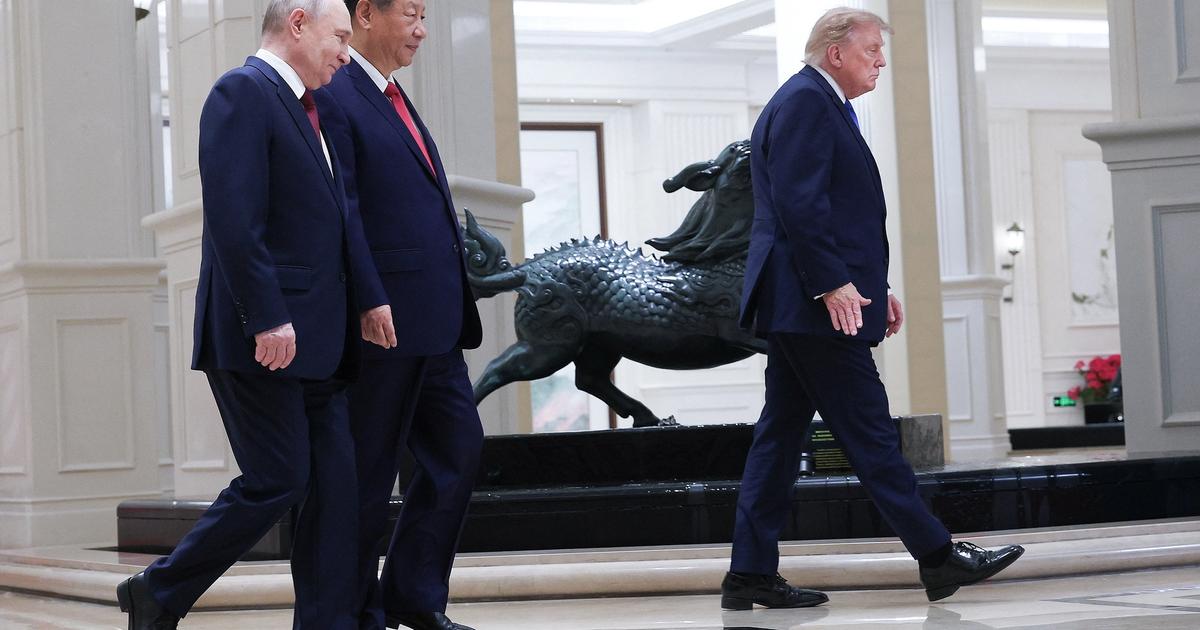
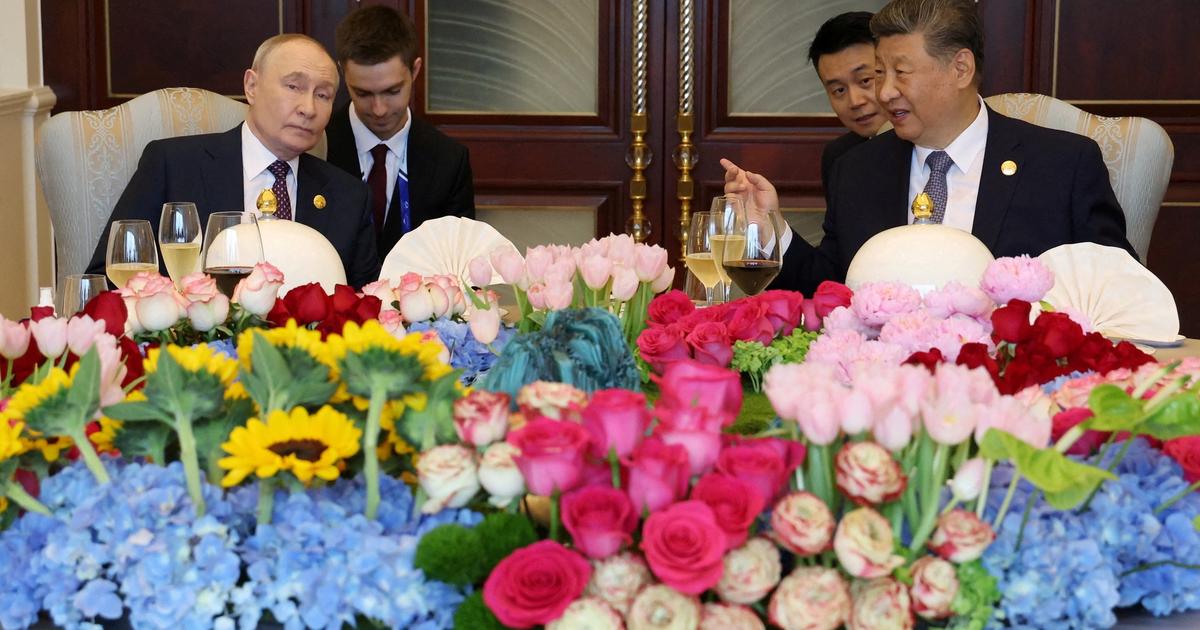
The trio argued their 80 minute meeting would help undergird global stability, but few tangible steps were taken and the talks were hampered by the leaders’ domestic constraints and geopolitical disputes.
On AI, US President Donald Trump voiced opposition to “globalist regulation,” whereas Chinese leader Xi Jinping had previously advocated strong rules; on nuclear nonproliferation, Beijing has opposed controls pushed by Washington; China and Russia have maintained ties with Iran throughout the US war on the Middle East nation; and Moscow has long struggled to get Beijing to agree a gas-purchase deal.
In particular, it has huge financial commitments to buy chips and build data centers, and must assuage customers who fear it will compete with them in sectors far beyond tech and AI.
The forecast-beating figures from Japan came days after official Chinese data pointed to a deepening slowdown, with one notable exception: AI-related production “is not only leading manufacturing output, but is the only part of China’s vast manufacturing machine experiencing [investment] growth,” Trivium analysts noted.
Beijing wants to build up its nuclear arsenal, while a longrunning treaty between Washington and Moscow limiting their weapons stockpiles expired this year, The Wall Street Journal noted, setting up a “three-body problem” that could result in “an unprecedented era of instability around the world’s most dangerous weapons.”
Nvidia’s chair declared the chip giant would look elsewhere for a new CEO, though some members of its board favor a return of former leader Jensen Huang, throwing into doubt the future of a company at the center of the AI boom.
Former UK Prime Minister Rishi Sunak largely concurred with Paulson, adding that while regulatory efforts thus far — such as the EU’s AI Act — were “not the right approach … that doesn’t mean we do nothing.”
“The worst thing would be if we had some type of catastrophic accident … then we will have, as we all know, an overreaction on the other side.”
Ousted Nvidia chief Jensen Huang said Tuesday that he would be ‘honored’ to return as CEO, in his first public remarks since resigning from the US chip giant after revelations of extramarital affairs.
Kress’ reported reluctance to support Huang’s strategy to backstop and invest in many of the companies driving the technology will also be of particular focus: Any sign Nvidia is pulling back will have huge ramifications for the sector, and the global economy.
US President Donald Trump said he would proceed “a bit more civilly” as part of an American focus on economic pressure; a powerful Iranian politician, meanwhile, said a path remained for a deal between the two countries to end the war.
A growing consensus in Washington towards tightening restrictions on China’s access to cutting-edge chip technology will have a negative, long-term impact on the AI sector and the US itself, a leading outlet warned.
Also by Prashant Rao
Nothing else under this byline is closely related to this
article, so these are simply their most recent.
 The Aporia