Photo via The Hindu

Kaliningrad: Why Russia’s Baltic exclave is a new flashpoint

Read the original at The Hindu ↗
Cite

Sudesh, S. (2026, October 6). Kaliningrad: Why Russia’s Baltic exclave is a new flashpoint. The Hindu. https://www.thehindu.com/news/international/kaliningrad-why-russias-baltic-exclave-is-a-new-flashpoint/article71547624.ece

Dated when The Aporia collected the article, usually within hours of publication. Check the original for its exact date and byline.

The Hindu · collected 2026-10-06 · by Smriti Sudesh

Quick Summary

Russian President Vladimir Putin issued a stern warning to the West at the Valdai Discussion Club on October 1, threatening that if Russia faced aggression, it would deploy all types of weapons. The threat is specifically linked to increased NATO military activities near Kaliningrad, a Russian exclave situated between Poland and Lithuania on the Baltic Sea. NATO has dismissed these claims as defensive actions not targeting Russia, while Moscow sees recent British media coverage and war-gaming scenarios as escalatory provocations.
Written by AI on 2026-10-06, from this article's own text only (the story summary below draws on all the coverage).
See how they differ ↓

AI analysis

Story summary

Russia warned NATO it would be prepared to use its entire arsenal, including nuclear weapons, if the alliance attempted to cut off or isolate Kaliningrad, a strategically important Russian exclave bordered by Poland and Lithuania. The warning came via a diplomatic document sent to NATO, echoing statements from several Russian embassies in Europe expressing concern over alleged NATO preparations for an air and naval blockade of Kaliningrad. In response, NATO Secretary General Mark Rutte downplayed the threat, emphasizing that there was no imminent danger to NATO territory from Russia and that NATO is a defensive alliance with no aggressive intent toward Kaliningrad.

Written for “Russia NATO Nuclear Threats Kaliningrad” on 2026-11-21, grounded in this article and the 18 other(s) covering the same event.

How they differ

12 outlets covered “Russia NATO Nuclear Threats Kaliningrad”.

What each outlet says

One AI summary per outlet of its latest article on this story, written from that article alone and checked against it. Open the article for the outlet's own words.

The HinduThis outlet6 Oct

Russian President Vladimir Putin issued a stern warning to the West at the Valdai Discussion Club on October 1, threatening that if Russia faced aggression, it would deploy all types of weapons. The threat is specifically linked to increased NATO military activities near Kaliningrad, a Russian exclave situated between Poland and Lithuania on the Baltic Sea. NATO has dismissed these claims as defensive actions not…

Kaliningrad: Why Russia’s Baltic exclave is a new flashpoint (this article)2 articles from The Hindu on this story
The Straits Times30 Sep

Russia has warned NATO that it would use nuclear weapons if NATO attempts to cut off or attack Kaliningrad, a Russian exclave surrounded by NATO members Poland and Lithuania on the Baltic Sea. With a population of about one million, Kaliningrad is strategically important due to its military capabilities, including air defense and missile forces, which can reach deep into Europe. Tensions escalated since Russia’s…

Explainer-Why Russia's Kaliningrad is a potential flashpoint with NATO →3 articles from The Straits Times on this story
Times of India1 Oct

Russian President Vladimir Putin warned at the Valdai Forum in Moscow that escalating international conflicts could reach an irreversible point where nuclear weapons might be used. Emphasizing the catastrophic potential of global arsenals, he urged nations to avoid a dangerous escalation driven by arrogance and overconfidence. Putin also criticized Western support for Ukraine, suggesting it amounted to direct…

‘Fatal point of no return’: Putin warns against use of nukes amid global tensions →2 articles from Times of India on this story
The Independent1 Oct

Russia has issued a letter to NATO threatening the use of nuclear weapons if its territory, particularly Kaliningrad, is under threat. NATO responded by urging Vladimir Putin to end his invasion of Ukraine and reiterated that it is a defensive alliance not seeking confrontation. Meanwhile, Russia plans to increase defense spending to over £150bn next year as part of efforts to bolster its ongoing war in Ukraine…

Ukraine-Russia war latest: Nato responds to Putin’s nuclear weapon threat against member nations →2 articles from The Independent on this story
New York Post2 Oct

President Vladimir Putin warned on Thursday that Russia will respond to any attacks on its territory, including the exclave of Kaliningrad, with all available weapons, hinting at the use of nuclear arms if necessary. This statement came after several Russian embassies in Europe accused NATO countries of preparing an air and naval blockade against Kaliningrad. In response, NATO spokesperson Allison Hart denounced…

Putin says Russia will use ‘all weapons’ in its arsenal if any of its territory is attacked →2 articles from New York Post on this story
Daily Mail2 Oct

Vladimir Putin warned at a foreign policy forum that Russia could use all available weapons, including nuclear ones, in response to perceived aggression from Western countries and NATO. He accused the West of escalating tensions through military exercises and seizing Russian vessels. This warning follows recent statements by Russian embassies claiming that NATO is preparing an air and naval blockade of Kaliningrad…

Putin warns NATO he can use 'any weapon' to attack the alliance in response to Western 'aggression' →2 articles from Daily Mail on this story
Show 6 more outlets
Al Jazeera30 Sep

Russia issued a warning to NATO that it may respond with nuclear weapons if there is an attempt to blockade Kaliningrad, a Russian exclave between Poland and Lithuania. The diplomatic memo was sent on Wednesday and sparked a response from NATO Secretary-General Mark Rutte, who stated that the alliance is defensive in nature and called for Russia to cease making nuclear threats. Rutte also noted that direct…

Russia warns NATO of possible nuclear response if Kaliningrad is cut off →
BBC1 Oct

Vladimir Putin warned during the Valdai foreign policy forum that Russia would use all available weapons, including nuclear ones, to protect its exclave of Kaliningrad if it perceives a direct attack from NATO or other Western powers. This warning comes amid escalating tensions, with recent incidents like a Russian helicopter violating Polish airspace and Lithuania expressing concerns over drones entering its…

Putin warns West that Russia is ready to use every weapon to protect Kaliningrad →
ABC News (AU)1 Oct

Russian President Vladimir Putin has issued a strong warning that Russia will use all available weapons if Western nations threaten Kaliningrad, a Russian exclave between Poland and Lithuania. Previously, Moscow sent a diplomatic message to NATO cautioning against military activities near the Baltic region. Additionally, Putin mentioned that attacks on Russian oil infrastructure by Ukraine have reduced Russia's GDP…

Putin warns West Russia will use 'all weapons' if Kaliningrad threatened →
CBC1 Oct

Russian President Vladimir Putin warned the West against escalating tensions over Ukraine, specifically mentioning concerns about Russia's Kaliningrad region during a speech at the Valdai Forum in Moscow on Thursday. He stated that if Kaliningrad were threatened, Russia would be prepared to deploy all available weapons, including nuclear ones. Putin emphasized that while NATO is larger and stronger than Russia, his…

Putin warns West not to escalate, claims concerns about Russia's Kaliningrad region →
South China Morning Post1 Oct

Vladimir Putin warned at a foreign policy forum that Russia will respond to any attacks on its territory with all available weapons, including nuclear arms. Specifically addressing concerns over the Baltic exclave of Kaliningrad, Moscow has stated it would use nuclear weapons if NATO attempts to block access to the region. This warning comes amid reports from Russian embassies suggesting intelligence indicating NATO…

Putin warns Russia will use ‘all weapons’ in arsenal if any of its territory is attacked →
Washington Examiner2 Oct

Russian President Vladimir Putin used his speech at the Valdai conference on Thursday to escalate tensions, falsely accusing NATO of threatening Russia’s Kaliningrad exclave through Baltic Sea exercises and invoking the possibility of deploying nuclear weapons if attacked. This rhetoric aims to create fear among Western populations about a potential military conflict with Russia to pressure their governments into…

Putin ignores two realities with Kaliningrad nuclear threats →

Where they agree and split

Agreed

AI · cited, from two or more outlets

  • Putin reiterated that Russia would respond to aggression with all available weapons, including nuclear ones, to defend Kaliningrad.45
Quoted from the coverage (1)

Putin told the audience that the recent Ukrainian strikes have cost the Kremlin 'around one per cent' of its GDP and that Kiev has 'managed to secure some results' by hitting some of Russia's oil refineries.

4 outlets

Disputed

Picked by our model, which is sometimes wrong

  • Russia claims NATO is preparing to blockade Kaliningrad, while NATO denies such intentions and emphasizes its defensive nature.13
  • Putin accused Western leaders of escalating tensions by talking about a potential war with Russia in the coming years, but NATO disputes these claims.63
The full story: what happened, how it changed, and all 19 articles →

Compared with similar articles

This article reads unscored and hedges 4% of its claims. Each row says how that neighbour differs.
BBC News
Leans strongly right Hedges 2 of 29 claims Outlet record 65/100
ABC News (AU)
Hedges 0 of 3 claims Outlet record 67/100
South China Morning Post
Hedges 0 of 4 claims Outlet record 62/100
The Hindu
Hedges 2 of 30 claims Outlet record 60/100
CBC News
Hedges 3 of 23 claims Outlet record 72/100
Daily Mail
Hedges 4 of 29 claims Outlet record 69/100
“While both articles refer to Putin's warnings about Russia using weapons in response to Western aggression, they describe different specific occasions with distinct dates and contexts.”
Daily Mail
Leans right Hedges 9 of 41 claims Outlet record 69/100
“The articles cover Putin's speeches at the Valdai Discussion Club but describe different parts of his statements and address distinct themes (weapons supply to Ukraine vs. Kaliningrad defense).”
The Independent
Hedges 2 of 52 claims Outlet record 59/100
“While both articles refer to a nuclear threat related to Kaliningrad, Article A mentions a letter sent by Russia to NATO specifically about threats against Kaliningrad, while Article B describes a speech given by Putin at the Valdai Discussion Club where he warns of deploying weapons in response to an attack on Russia. The specific events and venues are different.”
New York Post
Hedges 4 of 53 claims Outlet record 66/100
“While both articles discuss Russia's nuclear threat related to Kaliningrad, they describe different occurrences - one is a diplomatic document and the other is Putin's speech at the Valdai Discussion Club.”
Washington Examiner
Hedges 3 of 29 claims Outlet record 67/100
“While both articles mention Putin's nuclear threats at Valdai, they describe different aspects of his speech and comments over time.”

Story

Russia NATO Nuclear Threats Kaliningrad
Politics · 19 article(s) covering the same event. Compare every outlet's account →
How this article was measured signals, leaning charts, publisher record, byline, topics and claims

Signals How these are calculated →

Claims extracted
52
sentences that state something as happening or true
Uncertain
4%
2 of 52 hedged ("reportedly", "may", "according to")
Leaning
not political
takes no side on a contested political question
Publisher signals
60/100
The Hindu's corrections and hedging, across everything collected from it. Not a measure of accuracy.
Outlets on this story
19
Politics
Same framing elsewhere
1
articles that frame the event the way this one does
Analyzed 2026-10-06 · how these are computed

How this is being covered How these are calculated →

Article leaning vs. publisher reliability
Source leaning vs. consistency

Publisher

The Hindu · 907 article(s) · 2 correction(s) detected
Running correction rate · 2 correction(s)

Who wrote this

Smriti Sudesh
2 article(s) here · 1 carrying a prediction
General Alexus Grynkewich, NATO’s Supreme Allied Commander Europe, said that if Moscow were “foolish enough” to attack an alliance territory, NATO would destroy “anything and everything” involved in the attack.
2026-10-23 · assertive framing · Estonia on the edge as Russia-NATO tensions rise
“If it comes to a direct attack on the Russian Federation... then, of course, the question of the Russian Federation deploying all types of weapons at our country’s disposal will inevitably and immediately be on the agenda.
Also by Smriti Sudesh
Nothing else under this byline is closely related to this article, so these are simply their most recent.

Topics

Kaliningrad Moscow NATO Russia Russian

Subjects

Russia GPE · 13× NATO ORG · 10× Kaliningrad GPE · 9× Baltic NORP · 5× Moscow GPE · 5× Lithuania GPE · 4× Poland GPE · 3× Putin PERSON · 3× Russian NORP · 3× the Russian Federation GPE · 2×

Narrative

Also Read | Russia issues nuclear warning to NATO as tensions rise in the Baltic Russia has accused the alliance of increasing military pressure around Kaliningrad and has sent a formal diplomatic note to NATO over what Moscow sees as attempts to isolate the territory.
framing: assertive · carried by 1 article(s) · first seen 2026-10-06
“If it comes to a direct attack on the Russian Federation... then, of course, the question of the Russian Federation deploying all types of weapons at our country’s disposal will inevitably and immediately be on the agenda.
2026-10-06 · The Hindu
Kaliningrad: Why Russia’s Baltic exclave is a new flashpoint · assertive framing

Claims (52 extracted, 2 hedged)

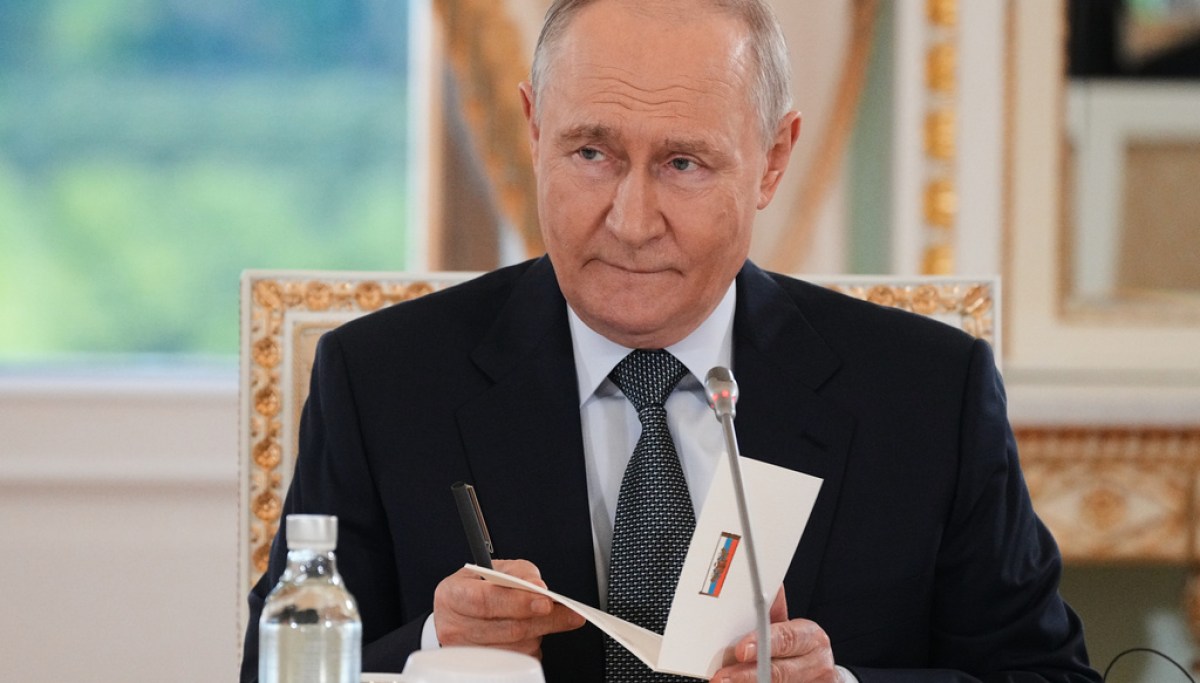
On October 1, Russian President Vladimir Putin issued a warning to the West. asserted
Putin → issue → West
In a grand hall in Moscow, Mr. Putin sat before an audience of foreign policy experts at the Valdai Discussion Club. asserted
Putin → sit → Club
“If it comes to a direct attack on the Russian Federation... then, of course, the question of the Russian Federation deploying all types of weapons at our country’s disposal will inevitably and immediately be on the agenda. asserted
Federation → come → agenda
He was referring to Kaliningrad. asserted
He → refer → Kaliningrad
Mr. Putin continued to insist that Moscow had no plans to attack anyone — neither in 2029, not in 2030, not even in 2050. asserted
Moscow → continue → 2050
But if aggression came, he said, Russia would be compelled to respond. asserted
Russia → come → ?
European citizens, he added, should understand this clearly. asserted
he → add → this
The warning did not appear out of nowhere. asserted
warning → appear → ?
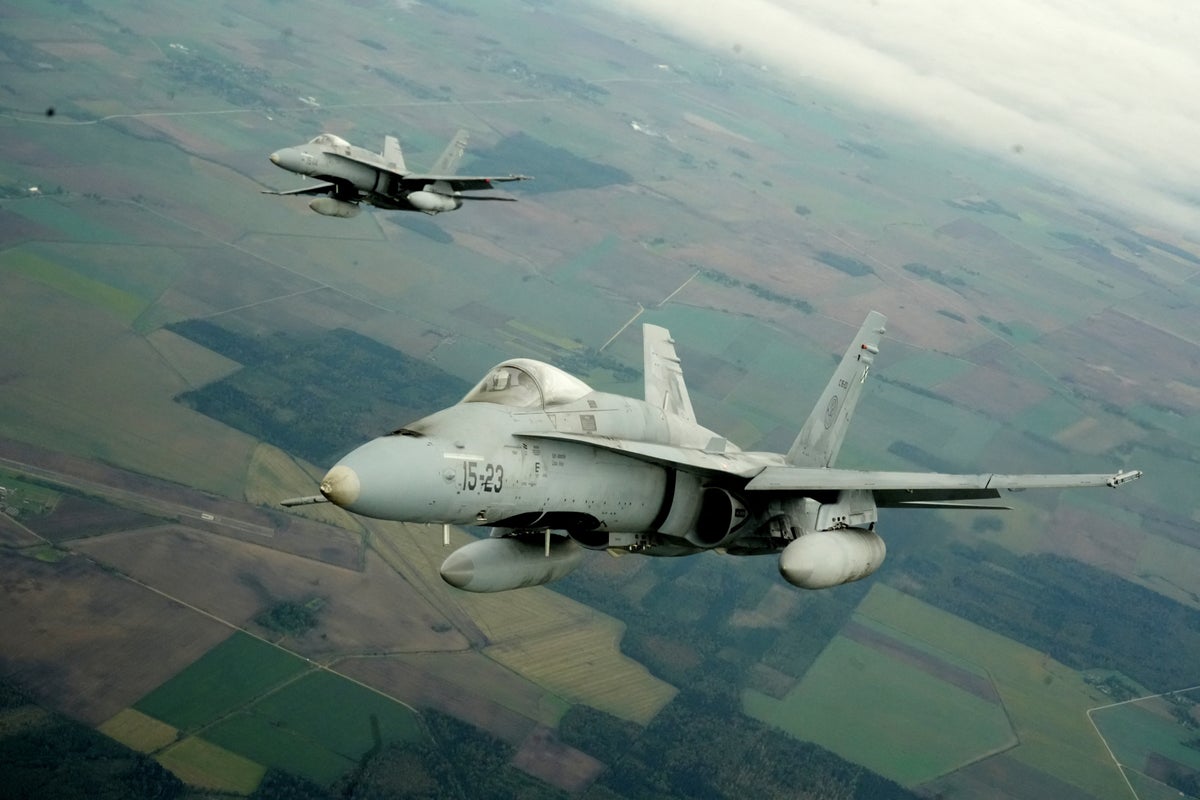
For months, NATO (North Atlantic Treaty Organization) countries have been increasing military activities in the Baltic Sea and around Russia’s western borders. asserted
countries → increase → borders
Also Read | Russia issues nuclear warning to NATO as tensions rise in the Baltic Russia has accused the alliance of increasing military pressure around Kaliningrad and has sent a formal diplomatic note to NATO over what Moscow sees as attempts to isolate the territory. asserted
Moscow → read → territory
NATO, however, has rejected those accusations, saying its activities in the region are ‘defensive’. asserted
activities → reject → region
“I can confirm that Russia sent a non-paper to NATO and that we have sent a response, noting that NATO is a defensive alliance and none of our activities or exercises pose a risk to any part of Russia,” said alliance spokesperson Allison Hart. asserted
Hart → confirm → Russia
“We strongly denounce the threat of force, including any irresponsible nuclear rhetoric,” she added. asserted
she → denounce → rhetoric
Part of Moscow’s reaction, according to Financial Times, was also directed at recent British media coverage of the exclave, including a Sky News documentary depicting a fictional war-gaming scenario. uncertain
Part → accord → scenario
Kaliningrad is a Russian exclave; a piece of sovereign Russian territory that is separated from the rest of the country by land. asserted
that → separate → land
It sits on the Baltic Sea, wedged between Poland and Lithuania, both NATO members. asserted
It → sit → Poland
It has no land border with mainland Russia and is roughly the size of the U.S. state of Connecticut, as Reuters describe. asserted
Reuters → have → Connecticut
The Soviet Union took control of the territory after the Red Army captured Königsberg in April 1945 and the victorious Allies divided East Prussia at the end of the Second World War. asserted
Allies → take → War
The city was renamed Kaliningrad in 1946, and it was rebuilt as a Soviet military and industrial centre. asserted
it → rename → centre
When the Soviet Union collapsed in 1991 and the Baltic states became independent, Kaliningrad became an exclave. asserted
Kaliningrad → collapse → 1991
Today, around a million people live there. asserted
people → live → ?
Also Read | Putin says Russia will use ‘all weapons’ in its arsenal if any of its territory is attacked Strategic importance Not only is Kaliningrad a military asset for Russia, but also a vulnerability. asserted
Kaliningrad → read → Russia
Its location gives Moscow a military position close to Poland, Lithuania, and the rest of NATO’s eastern side. asserted
location → give → side
Russia has deployed air-defence systems, coastal-defence missiles, and Iskander missiles there, giving it the ability to project military power across parts of the Baltic region. asserted
Russia → deploy → region
It is isolated from mainland Russia, surrounded by NATO territory and the Baltic Sea. asserted
It → isolate → territory
In the event of a war, Russia would find it much harder to reinforce and supply the territory. asserted
it → find → territory
The Suwałki Gap makes this even more important. asserted
this → make → ?
The alliance would need to keep this corridor open to move military support into the Baltic states in the event of a conflict. asserted
alliance → need → conflict
Russia has Kaliningrad on one side of the gap and its ally Belarus on the other. asserted
Russia → have → other
That is why this area is so closely watched by both sides. asserted
area → watch → sides
The rhetoric now The military geography of the Baltic region has changed significantly since Russia’s invasion of Ukraine in 2022. asserted
geography → change → 2022
NATO has increased its military presence in the region, while Finland and Sweden have joined the alliance, fundamentally changing the strategic geography of the Baltic Sea. asserted
Finland → increase → Sea
NATO has also increased maritime surveillance and launched Baltic Sentry in 2025 to strengthen the protection of critical undersea infrastructure. asserted
NATO → increase → infrastructure
From NATO’s perspective, these measures are defensive, but Moscow sees them differently. asserted
Moscow → see → them
Russia has repeatedly accused NATO of increasing military pressure around its borders and and of trying to limit Russia’s influence. asserted
Russia → accuse → influence
NATO Secretary General Mark Rutte responded by saying the alliance had responded to Russia’s message: “We are a defensive alliance. asserted
We → respond → message
This is absolutely not called for and not helpful.” asserted
This → call → ?
This is not the first time Kaliningrad has become the centre of warnings from Russia to the West. asserted
Kaliningrad → become → West
In 2022, after the EU imposed sanctions on Russia following its invasion of Ukraine, Lithuania restricted the transit of certain sanctioned goods through its territory to Kaliningrad. asserted
Lithuania → impose → Kaliningrad
Moscow called the move a “blockade” and threatened retaliatory measures. asserted
Moscow → call → measures
…and 12 more, not listed.
Give feedback · no sign-in needed

No sign-in needed for now. Your note is sent without a name, so it cannot be answered.

History Support