Photo via The Hindu

Meloni’s overhaul of Italian electoral system | Explained

Read the original at The Hindu ↗
Cite

Venkitesh, V. P. (2026, October 9). Meloni’s overhaul of Italian electoral system | Explained. The Hindu. https://www.thehindu.com/news/international/melonis-overhaul-of-italian-electoral-system-explained/article71562529.ece

Dated when The Aporia collected the article, usually within hours of publication. Check the original for its exact date and byline.

The Hindu · collected 2026-10-09 · by Vighnesh P Venkitesh

Quick Summary

Prime Minister Giorgia Meloni has passed a new electoral system reform in Italy, shifting to a fully proportional structure with bonus seats for the most popular party or coalition. Approved on October 8, 2026, by a vote of 227 to 164, the changes scrap first-past-the-post seats and introduce up to 70 bonus seats in the Chamber of Deputies and 35 in the Senate for parties securing at least 42% of votes. Supporters argue this will ensure stable majority governments, while critics claim it favors Meloni's ruling coalition ahead of upcoming elections.
Written by AI on 2026-10-09, from this article's own text only (the story summary below draws on all the coverage).
See how they differ ↓

AI analysis

Story summary

On October 8, 2026, Italy's Parliament approved a new electoral law proposed by Prime Minister Giorgia Meloni. This reform introduces a fully proportional system with bonus seats for any coalition winning over 42% of the vote, ensuring a working majority in both chambers. Critics argue this benefits Meloni’s hard-right government and undermines fair representation, while supporters claim it fosters political stability. The new law requires parties to nominate their candidate for prime minister before an election, complicating opposition unity but potentially benefiting them if they can overcome internal divisions and form a single coalition. Opposition lawmakers have vowed to challenge the changes in the constitutional court due to concerns over voter distortion.

Written for “Italian Electoral Law Reform” on 2026-11-21, grounded in this article and the 5 other(s) covering the same event.

How they differ

4 outlets covered “Italian Electoral Law Reform”.

What each outlet says

One AI summary per outlet of its latest article on this story, written from that article alone and checked against it. Open the article for the outlet's own words.

The HinduThis outlet9 Oct

Prime Minister Giorgia Meloni has passed a new electoral system reform in Italy, shifting to a fully proportional structure with bonus seats for the most popular party or coalition. Approved on October 8, 2026, by a vote of 227 to 164, the changes scrap first-past-the-post seats and introduce up to 70 bonus seats in the Chamber of Deputies and 35 in the Senate for parties securing at least 42% of votes. Supporters…

Meloni’s overhaul of Italian electoral system | Explained (this article)2 articles from The Hindu on this story
The Straits Times8 Oct

Italy's parliament passed a new electoral law that aims to ensure stable government by rewarding broad alliances with a parliamentary majority bonus if they win over 42% of the vote. However, this law has exposed tensions within the opposition coalition between Elly Schlein of the Democratic Party and Giuseppe Conte of the Five-Star Movement, who are debating how to nominate their candidate for prime minister before…

New Italy election law puts fragile opposition unity to the test →2 articles from The Straits Times on this story
Toronto Star8 Oct

On Thursday, Italy’s parliament passed a new electoral law known as the “Stabilicum,” giving Prime Minister Giorgia Meloni a significant political win. The reform aims to bolster stability in Italy’s political system and enhance the electoral chances of her center-right coalition. This move is expected to face constitutional challenges due to its controversial nature.

Italy’s parliament gives final approval to Meloni’s electoral reform →
The Guardian8 Oct

Italian Prime Minister Giorgia Meloni’s ruling right-wing coalition has passed a controversial electoral law change that introduces bonus seats for coalitions winning more than 42% of the vote, aimed at ensuring political stability but criticized as undemocratic by opposition parties. The bill was approved in a secret ballot with 227 votes in favor and 164 against, sparking protests from opponents who claim it…

Giorgia Meloni wins vote on controversial ‘bonus seat’ changes to electoral system →

Where they agree and split

Framing

How the first headlines put it

Stated as fact4
The headlines (4)

Italy Parliament votes on electoral law in key test for Meloni The Hindu · stated as fact

Key points in Italy's new electoral law The Straits Times · stated as fact

Italy’s parliament gives final approval to Meloni’s electoral reform Toronto Star · stated as fact

Giorgia Meloni wins vote on controversial ‘bonus seat’ changes to electoral system The Guardian · stated as fact

The full story: what happened, how it changed, and all 6 articles →

Compared with similar articles

This article reads leans right and hedges 9% of its claims. Each row says how that neighbour differs.
The Guardian
Hedges 2 of 13 claims Outlet record 64/100
The Straits Times
Hedges 3 of 10 claims Outlet record 64/100
“While both articles discuss Italy's electoral reform led by Prime Minister Giorgia Meloni, Article A specifically covers the initial confidence vote on October 6, while Article B provides a broader overview and explanation of the reforms without specifying a particular vote or date.”
The Straits Times
Leans left further left than this Hedges 2 of 28 claims Outlet record 64/100
The Hindu
Leans right Hedges 7 of 19 claims Outlet record 60/100
“Article A describes the vote happening on October 8, while Article B refers to an approval after weeks following a successful introduction of reforms.”
The Straits Times
Hedges 0 of 14 claims Outlet record 64/100
“The articles describe approval of a new electoral law in Italy but differ in their details, with Article A specifying that this was given final approval on October 8th and providing more immediate context about the Prime Minister's current coalition being the longest-serving since WWII. Article B mentions the overhaul was approved 'weeks after' the coalition became the longest-serving without specifying a precise date.”
Toronto Star
Leans right Hedges 0 of 2 claims Outlet record 64/100
“Article A reports on the final approval of Meloni's electoral reform in parliament, while Article B explains the details and context of the reform but does not specifically state it is reporting on the same day's event.”

Story

Italian Electoral Law Reform
Politics · 6 article(s) covering the same event. Compare every outlet's account →
How this article was measured signals, leaning charts, publisher record, byline, topics and claims

Signals How these are calculated →

Claims extracted
23
sentences that state something as happening or true
Uncertain
9%
2 of 23 hedged ("reportedly", "may", "according to")
Leaning
Leans right
of the writing, not the subject · beta estimate
Publisher signals
78/100
The Hindu's corrections and hedging, across everything collected from it. Not a measure of accuracy.
Outlets on this story
6
Politics
Same framing elsewhere
1
articles that frame the event the way this one does
Analyzed 2026-10-09 · how these are computed

How this is being covered How these are calculated →

Article leaning vs. publisher reliability
Source leaning vs. consistency

Publisher

The Hindu · 1444 article(s) · 2 correction(s) detected
Running correction rate · 2 correction(s)

Who wrote this

Vighnesh P Venkitesh
7 article(s) here · 1 carrying a prediction
The fact that Ms. Meloni’s administration made the record for the longest continuous post-war reign in its first term shows that Italian politicians have always had trouble staying in power. Following the Second World War and the end of the dictatorship of Benito Mussolini, the ‘first republic’ devised the parliament in such a way that it would be difficult for a single party to consolidate power.
The eviction was later reversed by the investment fund, which had acquired ownership of the building she was living in, but the dominoes could not be stopped.
2026-10-07 · assertive framing · The protests and polls in Spain
While the country will remain neutral, the referendum has given an insight into the thought process of the modern Swiss who prefer to have flexibility in their neutrality.
It cited a CNN reporting on “top-secret construction details related to the East Wing bunker”, MS-NOW’s story on an “alleged leak investigation”, and a Politico report on “a document detailing funding for the White House ballroom containing intricate descriptions of how the Secret Service would invest in security improvements”.
The court acts only if the state concerned “does not, cannot, or is unwilling” to prosecute individuals.
Also by Vighnesh P Venkitesh
The protests and polls in Spain
2026-10-07 · The Hindu
Nothing else under this byline is closely related to this article, so these are simply their most recent.
All 7 articles by Vighnesh P Venkitesh →

Topics

Chamber European Italy Senate the Second World War

Subjects

Meloni PERSON · 4× Italy GPE · 3× Senate ORG · 3× Chamber ORG · 2× Benito Mussolini PERSON · 1× Ettore Rosato PERSON · 1× European NORP · 1× Giorgia Meloni PERSON · 1× Italian NORP · 1× Opposition ORG · 1×

Narrative

The fact that Ms. Meloni’s administration made the record for the longest continuous post-war reign in its first term shows that Italian politicians have always had trouble staying in power. Following the Second World War and the end of the dictatorship of Benito Mussolini, the ‘first republic’ devised the parliament in such a way that it would be difficult for a single party to consolidate power.
framing: assertive · carried by 1 article(s) · first seen 2026-10-09
The fact that Ms. Meloni’s administration made the record for the longest continuous post-war reign in its first term shows that Italian politicians have always had trouble staying in power. Following the Second World War and the end of the dictatorship of Benito Mussolini, the ‘first republic’ devised the parliament in such a way that it would be difficult for a single party to consolidate power.
2026-10-09 · The Hindu
Meloni’s overhaul of Italian electoral system | Explained · assertive framing

Claims (23 extracted, 2 hedged)

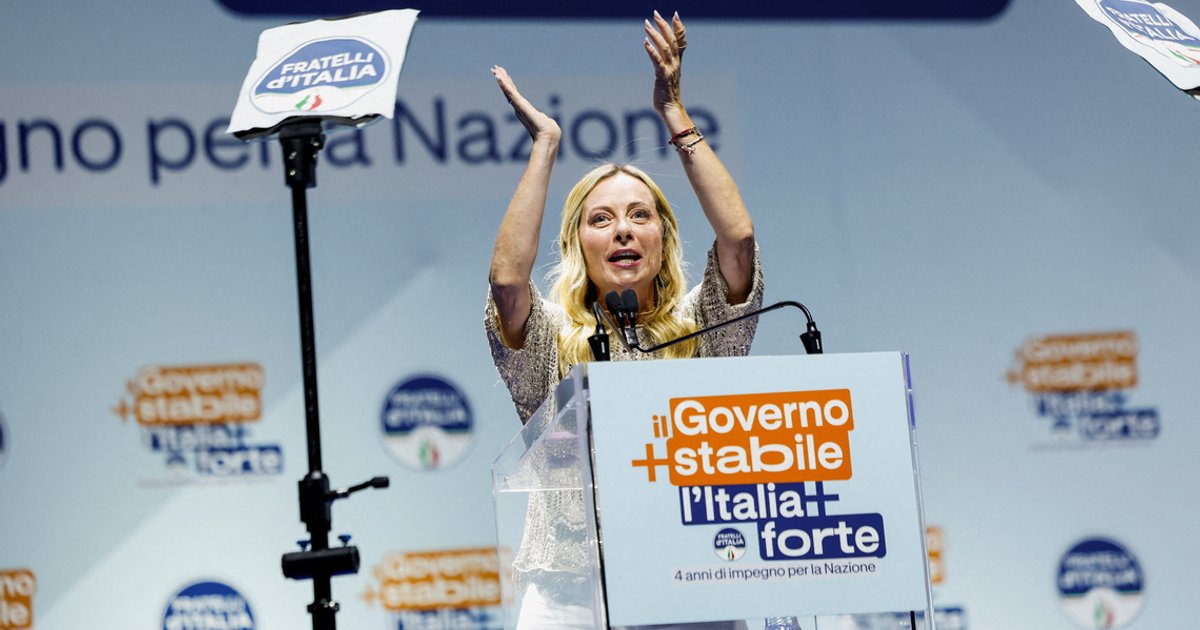
With just more than a year to go before her coalition government has to step down for election, Italy’s Prime Minister Giorgia Meloni has successfully introduced a set of reforms in parliament to overhaul the European country’s electoral system to introduce a fully proportional structure with ‘bonus seats’ for the most popular party or coalition. asserted
Minister → go → party
T The approval for the reforms comes weeks after Ms. Meloni’s centre-right coalition, in its first term, became the longest-serving administration in the country since the Second World War, and the move has been heralded by its supporters as key to ensure political stability. asserted
move → come → stability
However, critics and Opposition lawmakers have raised concerns, saying that the overhaul is aimed at ensuring that the ruling coalition, trailing in opinion polls, hold on to power. asserted
coalition → raise → power
What was the existing system in Italy? asserted
system → exist → Italy
The fact that Ms. Meloni’s administration made the record for the longest continuous post-war reign in its first term shows that Italian politicians have always had trouble staying in power. Following the Second World War and the end of the dictatorship of Benito Mussolini, the ‘first republic’ devised the parliament in such a way that it would be difficult for a single party to consolidate power. asserted
party → make → power
While the whole system has gone through multiple changes thorugh the years, the complex multi-member constituencies and proportional representation at the base incentivised coalitions and ensured decentralisation. asserted
constituencies → go → decentralisation
The system that brought Ms. Meloni to power in 2022 was a hybrid one, nicknamed ‘Rosatellum’ after independent lawmaker Ettore Rosato, where roughly 64% of seats in both the 400-member Chamber of Deputies and the 200-member Senate were decided through proportional representation while the remaining 36% seats went to first-past-the-post winners. asserted
seats → bring → winners
While first-past-the-post seats gave popular candidates entry into parliament and proportional representation, where seat allocation for a party or coalition was decided based on its vote share, ensured that smaller and regional had their voices in parliament. asserted
smaller → give → parliament
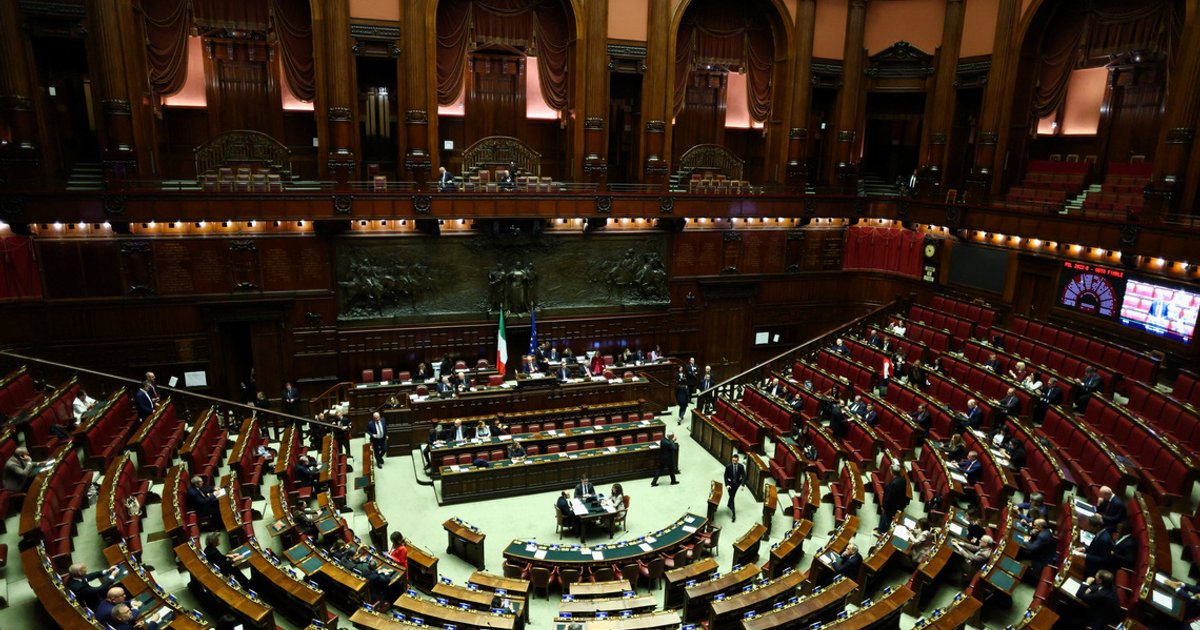
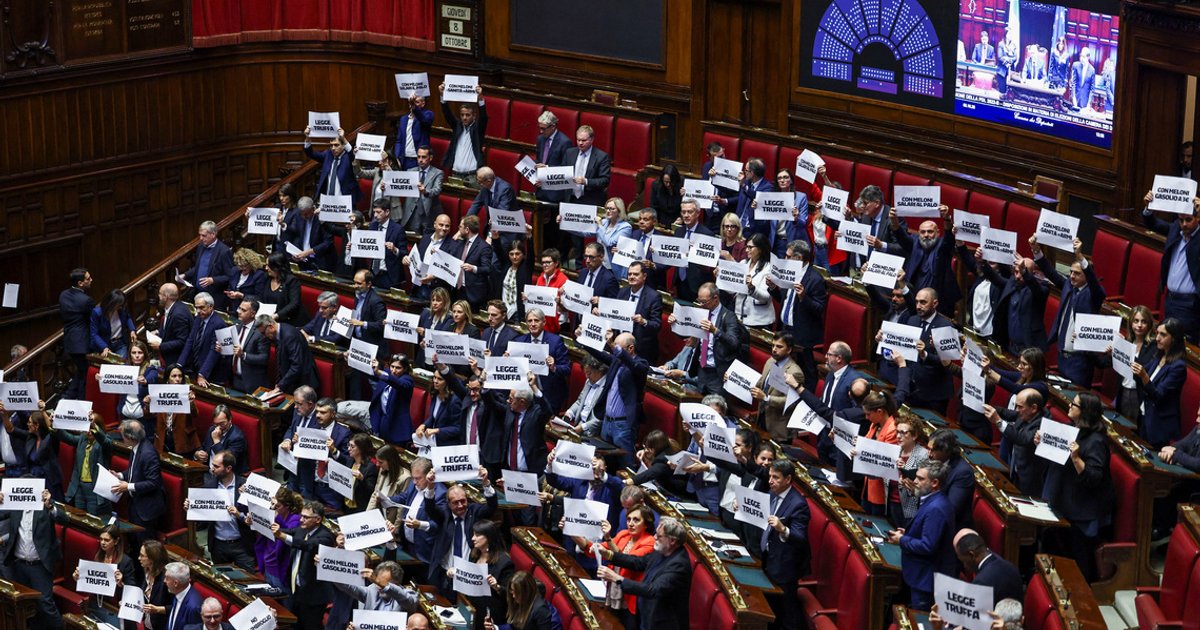
The new rules, approved by lawmakers in a secret ballot on Thursday (October 8, 2026) with 227 votes against 164, scraps the first-past-the-post seats and puts the whole parliament under proportional representation. asserted
rules → approve → representation
While similar systems have existed previously, the contentious/ambitious clause guarantees up to 70 bonus seats in the Chamber, and 35 in the Senate, to the party or coalition that secure at least 42% votes. asserted
that → exist → votes
This, according to the supporters of the rules, will ensure that polls that would in other cases turn out inconclusive could still produce a majority government with enough strength to run the parliament. uncertain
that → accord → parliament
If several parties or coalitions go past the 42% mark, the bonus will be awarded to the entity with the most votes. asserted
bonus → go → votes
The ‘bonus seats’ are capped to prevent any party or coalition from getting more than 220 seats in the Chamber and 113 in the Senate. asserted
seats → cap → Senate
The rules have also set a bar on entry for parties or coalitions to parliament, with coalitions having to secure at least 10% votes and individual parties 3% to be considered for seat-sharing under the representation system. asserted
% → set → system
The reforms have also raised the number of signatures needed for new parties or those that are currently not in parliament from 1,500 to 6,000, a move critics say would make it difficult for smaller parties to enter parliament. asserted
parties → raise → parliament
How is the Prime Minister and her allies seeing the reform? asserted
Minister → see → reform
Ms. Meloni has projected the reforms as a way to ensure that Italy will always have a stable government with the bonus seats giving popular coalitions the required majority in parliament. asserted
seats → project → parliament
“Stable governments and greater participation mean more continuity, more accountability, and a greater ability to provide concrete answers to Italians,” the Prime Minister wrote in a social media post after the reforms were approved. asserted
reforms → mean → post
Calling the changes a “revolution”, Giovanni Donzelli, a senior leader of Ms. Meloni’s party, told AFP that “Italians will finally have the real weight with their vote as the will choose the coalition, the platform, and the candidate for Prime Minister”. asserted
the → call → Minister
While the administration has touted the reforms as a step towards political stability, major Opposition parties, who are leading in opinion polls with the tenure of the current government ending in December 2027, has flagged attempts by Ms. Meloni to stay in power. asserted
tenure → tout → power
Calling the reforms a “mess”, Guiseppe Conte, former Prime Minister and leader of opposition Five Stars Movement told the AFP that it is a “convoluted scheme devised solely to find a formula to gain an advantage in the upcoming elections”. asserted
it → call → elections
The rise of a new far-right party, the National Future, led by former General Roberto Vannacci, is also eroding Ms. Meloni’s vote base, meaning she would find it hard to garner an outright majority for her coalition in the next general election. asserted
it → lead → election
Opposition parties have vowed to challenge the reforms in court, where, they believe, most of the new provisions could be struck down, a possibility that could encourage Ms. Meloni to trust her odds with the new provisions and call a snap election. uncertain
that → vow → election
Give feedback · no sign-in needed

No sign-in needed for now. Your note is sent without a name, so it cannot be answered.

History Support