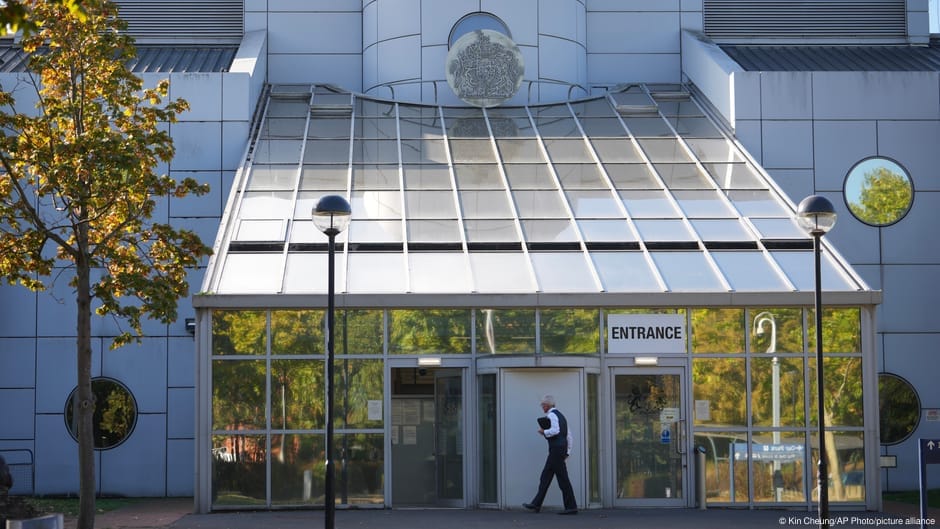
Photo via Deutsche Welle

US imposes sanctions aiming to 'dismantle' International Criminal Court

Read the original at Deutsche Welle ↗
Cite

Hallam, M. (2026, October 9). US imposes sanctions aiming to 'dismantle' International Criminal Court. Deutsche Welle. https://www.dw.com/en/us-imposes-sanctions-aiming-to-dismantle-international-criminal-court/a-79618577?maca=en-rss-en-world-4025-rdf

Dated when The Aporia collected the article, usually within hours of publication. Check the original for its exact date and byline.

Deutsche Welle · collected 2026-10-09 · by Mark Hallam

Quick Summary

The US government imposed sanctions on the International Criminal Court (ICC) on Friday as part of a broader effort to undermine its operations. Secretary of State Marco Rubio stated that these measures aim to prevent the ICC from prosecuting Americans and indicated that the United States expects other nations, especially those relying on American military support, to curtail the court’s activities or face further action from the US. The ICC responded by asserting its commitment to upholding international law and called for member states to safeguard its ability to function independently.
Written by AI on 2026-10-09, from this article's own text only (the story summary below draws on all the coverage).
See how they differ ↓

AI analysis

Story summary

On October 9, 2026, the U.S. State Department imposed new sanctions on the International Criminal Court (ICC) in response to its attempts to charge American service members for war crimes. Secretary of State Marco Rubio announced these sanctions via a video address, declaring that the United States would ban transactions with what he called a "rogue court," aiming to cut off its funding and hinder its operations. The sanctions block any assets the ICC might have in U.S. jurisdictions and set a six-month timeline for U.S. companies to wind down business with the court.

The move came just hours after former South African prosecutor Navi Pillay, who had led investigations into potential ICC charges against U.S. troops in Iraq and Afghanistan, was awarded the Nobel Peace Prize. The sanctions were met with condemnation from ICC Deputy Prosecutor Nazhat Shameem Khan, who stated that they would not halt the tribunal's work.

The Trump administration has long been hostile toward the court, having previously sanctioned its prosecutors and judges but now going further by potentially punishing companies providing services to the ICC itself. Pillay, in an interview on October 14, called these sanctions "illegal" and urged U.S. President Donald Trump to consult legal advisors about international law.

Written for “US Sanctions Against ICC” on 2026-11-21, grounded in this article and the 19 other(s) covering the same event.

How they differ

15 outlets covered “US Sanctions Against ICC”.

What each outlet says

One AI summary per outlet of its latest article on this story, written from that article alone and checked against it. Open the article for the outlet's own words.

Deutsche WelleThis outlet9 Oct

The US government imposed sanctions on the International Criminal Court (ICC) on Friday as part of a broader effort to undermine its operations. Secretary of State Marco Rubio stated that these measures aim to prevent the ICC from prosecuting Americans and indicated that the United States expects other nations, especially those relying on American military support, to curtail the court’s activities or face further…

US imposes sanctions aiming to 'dismantle' International Criminal Court (this article)
The Straits Times11 Oct

On October 10, Nobel Peace Prize laureate Navi Pillay condemned US sanctions on the International Criminal Court (ICC) as "unacceptable" during an event at the Nobel Peace Center in Oslo. The sanctions were announced by the United States hours after Pillay was awarded the prize, with US Secretary of State Marco Rubio stating that Washington would ban transactions with what it deemed a “rogue court.” Pillay…

Nobel peace laureate Pillay calls US sanctions on ICC ‘unacceptable’ →3 articles from The Straits Times on this story
Dawn14 Oct

Nobel Peace Prize winner Navi Pillay criticized former US President Donald Trump’s sanctions against the International Criminal Court (ICC), calling them illegal and a reaction to her award. The sanctions, announced on Friday, aim to hinder the ICC's operations by targeting its technology and banking systems, with Dutch Prime Minister Rob Jetten urging talks to discuss reforms before they take effect in six months…

Nobel Peace Prize winner Navi Pillay blasts Trump's 'unlawful' sanctions against ICC →3 articles from Dawn on this story
BBC10 Oct

Navi Pillay, a Nobel Peace Prize laureate for her work promoting international law and peace, has criticized US sanctions on the International Criminal Court (ICC) as "unacceptable" and unprecedented. The sanctions, announced after President Trump expressed dissatisfaction with Pillay's award, target ICC judges and officials to discourage investigations involving Americans. While the US offers a grace period before…

Nobel peace laureate says US sanctions on ICC 'unacceptable' →2 articles from BBC on this story
New York Post8 Oct

The US State Department plans to implement additional sanctions against the International Criminal Court due to its investigations involving American service members. An internal memo details longstanding U.S. concerns over not being a signatory to the court’s founding treaty, emphasizing that the ICC has positioned itself above nation-states and threatens American sovereignty. The sanctions follow Secretary of…

US slapping fresh sanctions on ‘unaccountable’ International Criminal Court →
South China Morning Post9 Oct

The US has imposed sanctions on the International Criminal Court (ICC), targeting companies providing services to the court, shortly after an ex-ICC judge won a Nobel prize. The Trump administration’s action includes condemning ICC officials and could affect businesses involved with the court. Secretary of State Marco Rubio stated that President Trump will not permit the ICC to prosecute Americans.

US slaps sanctions on ICC, hours after ex-judge wins Nobel →
Show 9 more outlets
Global News9 Oct

The Trump administration has imposed sanctions against the International Criminal Court (ICC), targeting its financial resources and operations within U.S. jurisdictions. Secretary of State Marco Rubio announced these measures in a video address, arguing that the court is politically motivated and unjustly targets American military personnel. The sanctions require U.S. entities to cease transactions with the ICC…

U.S. sanctions the International Criminal Court in bid to dismantle tribunal →
The Independent9 Oct

President Trump’s administration has imposed sanctions on the International Criminal Court (ICC) just hours after one of its former judges, Navi Pillay, was awarded the Nobel Peace Prize. The sanctions target companies that provide services to the ICC, aiming to restrict its operations by cutting off financial resources and transactions. Deputy Prosecutor Nazhat Shameem Khan condemned these measures, asserting they…

Trump hits International Criminal Court with sanctions – hours after former judge wins Nobel Peace Prize →
CBC9 Oct

The Trump administration has imposed sanctions on the International Criminal Court (ICC), targeting its resources and operations in response to perceived threats against American and Israeli interests. U.S. Secretary of State Marco Rubio announced these measures, which include a ban on transactions with the ICC within U.S. jurisdictions and a six-month period for U.S. entities to cease dealings with the court. The…

Trump administration hits International Criminal Court with sweeping sanctions →
CBS News9 Oct

The Trump administration has imposed sanctions on the International Criminal Court (ICC), targeting the court itself after previously sanctioning its judges and prosecutors. Secretary of State Marco Rubio vowed to dismantle the ICC if it does not cease its investigations into alleged war crimes by U.S. personnel in Afghanistan and Israeli leaders over actions in Gaza. The sanctions block the ICC's assets under U.S…

U.S. sanctions ICC, vowing to dismantle it "brick by brick" without changes →
ABC News (AU)9 Oct

The US has imposed sanctions on the International Criminal Court (ICC), hours after one of its former judges received the Nobel Peace Prize. Secretary of State Marco Rubio announced these measures, which will freeze the ICC’s assets in the US and block financial transactions with American companies. The sanctions have been criticized by US allies like Japan, Canada, and the UK, who argue they could cripple the…

US sanctions 'rogue' ICC hours after former judge wins Nobel Peace Prize →
Daily Mail9 Oct

The Trump administration has imposed sanctions on the International Criminal Court (ICC), banning transactions with it and cutting off access to US financial services and technology companies in response to the ICC’s investigation into alleged war crimes committed by U.S. troops in Afghanistan. Secretary of State Marco Rubio labeled the court a 'rogue court' and urged allies to restrict its activities, threatening…

Trump administration announces sweeping sanctions on ICC as Marco Rubio dubs it a 'rogue court' →
Sydney Morning Herald10 Oct

On Friday, the Trump administration announced severe financial sanctions against the International Criminal Court (ICC), threatening transactions with entities doing business with the court after a six-month grace period. Secretary of State Marco Rubio stated the move aims to prevent the ICC from prosecuting Americans and undermining U.S. sovereignty, following President Trump's February 2025 executive order. The…

Trump administration escalates war with International Criminal Court →
The Guardian11 Oct

This editorial from The Guardian critiques President Donald Trump's actions, viewing them as a demonstration of his disregard for international law and the rule of law. It highlights Trump's sanctions against the International Criminal Court (ICC) and a deal with Russia to purchase diesel, arguing that these moves undermine global standards. The piece also criticizes Trump’s support for Vladimir Putin despite…

The Guardian view on the US, Russia and the international criminal court: Trump’s assault on the rule of law intensifies | Editorial →

Where they agree and split

Agreed

AI · cited, from two or more outlets

  • The United States is imposing sanctions on the International Criminal Court.12

Framing

How the first headlines put it

  • The New York Post frames the sanctions as a response to an 'unaccountable' ICC, while CBC presents it as part of a broader campaign against the court.12
  • Deutsche Welle emphasizes the US's intent to dismantle the ICC, whereas The New York Post focuses on the threat posed by the ICC to American sovereignty.31
Words to watch (1)

Nobel Peace Prize winner Navi Pillay blasts Trump's 'unlawful' sanctions against ICC Dawn

The full story: what happened, how it changed, and all 20 articles →

Compared with similar articles

This article reads leans right and hedges 3% of its claims. Each row says how that neighbour differs.
BBC News
Hedges 0 of 15 claims Outlet record 65/100
Dawn
Leans left further left than this Hedges 1 of 23 claims Outlet record 66/100
South China Morning Post
Leans right Hedges 0 of 5 claims Outlet record 62/100
The Independent
Hedges 0 of 29 claims Outlet record 59/100
CBS News
Hedges 0 of 26 claims Outlet record 66/100
Al Jazeera
Leans strongly right further right than this Hedges 0 of 3 claims Outlet record 60/100
The Sydney Morning Herald
Leans right Hedges 4 of 38 claims Outlet record 61/100
Daily Mail
Leans right Hedges 1 of 23 claims Outlet record 69/100
Global News
Leans strongly right further right than this Hedges 1 of 12 claims Outlet record 63/100
CBC News
Leans strongly right further right than this Hedges 2 of 27 claims Outlet record 60/100

Story

US Sanctions Against ICC
Politics · 20 article(s) covering the same event. Compare every outlet's account →
How this article was measured signals, leaning charts, publisher record, byline, topics and claims

Signals How these are calculated →

Claims extracted
38
sentences that state something as happening or true
Uncertain
3%
1 of 38 hedged ("reportedly", "may", "according to")
Leaning
Leans right
of the writing, not the subject · beta estimate
Publisher signals
95/100
Deutsche Welle's corrections and hedging, across everything collected from it. Not a measure of accuracy.
Outlets on this story
20
Politics
Same framing elsewhere
1
articles that frame the event the way this one does
Analyzed 2026-10-09 · how these are computed

How this is being covered How these are calculated →

Article leaning vs. publisher reliability
Source leaning vs. consistency

Publisher

Deutsche Welle · 740 article(s) · 0 correction(s) detected
No corrections detected for this publisher. That may mean careful reporting, or simply that nothing has been checked.

Who wrote this

Mark Hallam
54 article(s) here · 1 carrying a prediction
Iwasawa also said that some civilian participation in the clearance operations could not necessarily be considered state-ordered or state-sanctioned behavior.
Suzanne Nora Johnson, a former vice chair at Goldman Sachs, will chair the committee, joined by fellow directors Stephen Neal, a former CEO of a law firm, John Dabiri, a professor of aeronautics and mechanical engineering at the California Institute of Technology (Caltech).
The two men were accused of visiting addresses linked to their targets, taking photos and videos, and using platforms such as ChatGPT to research them online "Thankfully, the defendants were stopped before any attack could take place," prosecutor Ferguson said.
Trinidadian authorities argued that because the 1986 laws were passed with a super-majority and constituted criminal penalties that dated back to colonial times, prior to the constitution, they could be considered "existing law" and override the individual constitutional rights in certain circumstances. But the Privy Council judges found that the so-called "proviso" for this special status — "unless the Act is shown not to be reasonably justifiable in a society that has proper respect for the rights and freedoms of the individual" — had not been met.
France summons ambassador, says it rules 'nothing' out in response French Foreign Minister Jean-Noel Barrot said on Tuesday that his government would "rule nothing out and will take all measures — including those we may not disclose publicly — that we deem proportionate and necessary to deter any further attacks."
Last month, when first announcing that the paper would close, Sokolov said the outlet had "been killed."
He could have faced the death penalty, which is still technically on the books in Kenya.
2026-11-06 · assertive framing · Kenya cult leader Paul Mackenzie sentenced to 200 years
He mentioned both existing areas of cooperation like the Comprehensive Economic and Trade Agreement (CETA), calling it "one of the most successful free trade agreements in the world," and also pointed to research cooperation and programs like Horizon Europe and Erasmus+ enabling student exchanges. But Carney also pointed to areas where the two sides could seek to expand cooperation, naming areas like space technologies, artificial intelligence and critical minerals.
He mentioned both existing areas of cooperation like the Comprehensive Economic and Trade Agreement (CETA), calling it "one of the most successful free trade agreements in the world," and also pointed to research cooperation and programs like Horizon Europe enabling student exchanges. But Carney also pointed to areas where the two sides could seek to expand cooperation, naming areas like space technologies, artificial intelligence and critical minerals.
Inflation, fueled by El Nino and geopolitics, poses a threat However, the ministry also warned of continued inflationary pressure and pressure on the rupee currency, as well as downside risks from the El Nino weather phonemenon that could threaten soil moisture ahead of the winter sowing season.
2026-10-29 · assertive framing · India increases growth forecast for fiscal year
Also by Mark Hallam
Nothing else under this byline is closely related to this article, so these are simply their most recent.
All 54 articles by Mark Hallam →

Topics

Americans ICC State The United States the International Criminal Court

Subjects

ICC ORG · 15× Trump PERSON · 4× The United States GPE · 3× the International Criminal Court ORG · 3× Americans NORP · 2× Marco Rubio PERSON · 2× Pillay PERSON · 2× Rubio PERSON · 2× State ORG · 2× the State Department ORG · 2×

Narrative

It said judges like Pillay "guard the thin red line between order and chaos," but lamented that "today ... these same judges are sanctioned, and their institutions are attacked." What is the ICC? The International Criminal Court is an intergovernmental organization and international tribunal based in the Dutch city of The Hague. It's the only permanent international court with the theoretical jurisdiction to prosecute individuals for international crimes like genocide, crimes against humanity, war crimes and illegal aggression.
framing: assertive · carried by 1 article(s) · first seen 2026-10-09
"President Trump will never allow the International Court to prosecute Americans," Secretary of State Marco Rubio said in a statement.
2026-10-09 · Deutsche Welle
US imposes sanctions aiming to 'dismantle' International Criminal Court · assertive framing

Claims (38 extracted, 1 hedged)

US President Donald Trump's administration imposed sanctions on the International Criminal Court (ICC) on Friday, hours after one of its former judges won the Nobel Peace Prize. asserted
one → impose → Prize
This comes as the US has in recent months made no bones about pursuing what Secretary of State Marco Rubio has called a "sweeping campaign to dismantle the threat posed by the International Criminal Court." asserted
Rubio → come → Court
The United States and Israel had both strongly opposed the court's arrest warrants for top Israeli officials, including Prime Minister Benjamin Netanyahu. asserted
States → oppose → Netanyahu
Since 2020 and the back end of Trump's first term, the US had also opposed investigations into military actions in Afghanistan that "deprioritize" alleged US wrongdoings, focusing on the Taliban, but can nevertheless include them. asserted
that → oppose → them
What did the State Department say about the ICC sanctions? asserted
Department → say → sanctions
"President Trump will never allow the International Court to prosecute Americans," Secretary of State Marco Rubio said in a statement. asserted
Rubio → allow → statement
"That is why, today, the United States is sanctioning the International Criminal Court. asserted
States → sanction → Court
We will ban transactions with this rogue court, cutting off their resources and crippling its ability to operate," he said. asserted
he → ban → ability
The statement said that the US had "exercised discretion and deferred this designation out of respect for our relationships and in hopes that the ICC would change course or would otherwise be restrained by States Parties." asserted
ICC → say → Parties
Rubio said that both political parties in the US had long agreed that the ICC should not have jurisdiction over US citizens, but said "only President Trump has the resolve to take the action needed to end this threat for good." "Either the ICC will end its threats, or we will end the ICC. asserted
we → say → ICC
We expect our allies, many of whom are part of the ICC and that rely on American servicemembers for their defense, to rein in the court," Rubio said. asserted
Rubio → expect → court
"If they do not, the United States will continue its campaign to dismantle the ICC, brick by brick, until Americans are threatened no longer." How did the ICC respond? asserted
ICC → do → brick
The ICC said the US sanctions aimed to obstruct an "independent" international court supported by more than half of the UN's members. asserted
sanctions → say → members
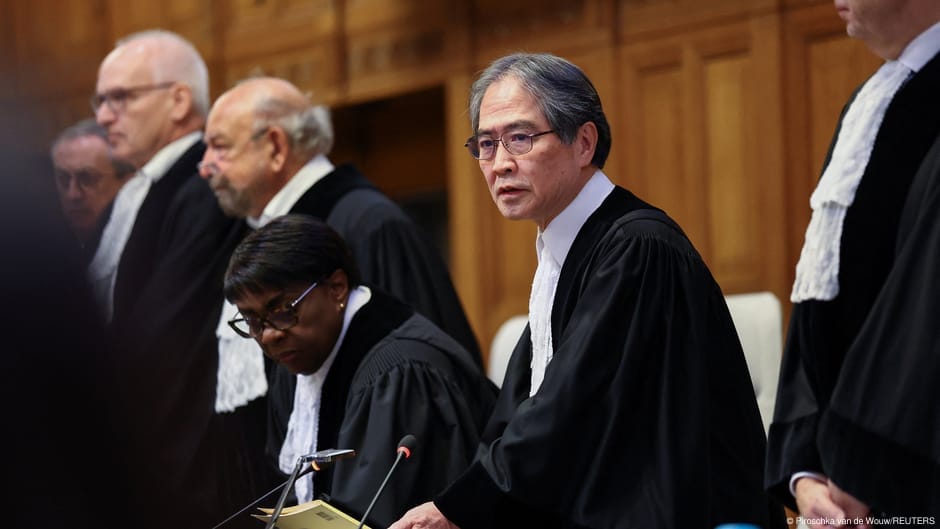
"The court will continue to fully discharge its mandate, with independence and impartiality, acting only on the basis of the law and the evidence, for the sake of the countless victims of grave crimes," said ICC President Tomoko Akane, who already faces US sanctions. asserted
who → continue → sanctions
The ICC called the Rome Statute, which underpins membership of the court, a "collective promise" that the most serious international crimes must not go unpunished. asserted
crimes → call → court
"That promise is only as strong as the resolve of those who made it," the court said. asserted
court → make → it
It appealed to members to take "concrete actions" to ensure the court would still have the necessary means to continue its work. asserted
court → appeal → work
"No one should be punished for serving the cause of justice," it said. asserted
it → punish → justice
"History will judge this moment. asserted
History → judge → moment
Future generations, and above all the victims of mass atrocities, will ask how we responded when an insitution created to protect them came under attack. asserted
insitution → ask → attack
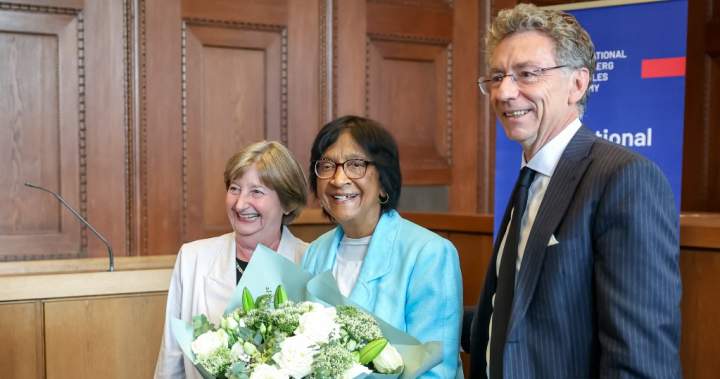
" Sanctions announced shortly after former ICC judge's Nobel prize The State Department released the announcement a few hours after the 2026 Nobel Peace Prize was given to Navi Pillay, who was an ICC judge from 2003 to 2012. asserted
who → announce → 2012
Last year Trump repeatedly complained that he should have won the accolade for promoting world peace, prompting Venezuelan opposition leader Maria Corina Machado to present him with her trophy as a gift. asserted
he → complain → gift
Without naming names, the Nobel Committee made clear reference to the US sanctions against the ICC when announcing Pillay as this year's laureate. asserted
Committee → name → laureate
"The Norwegian Nobel Committee wants to remind the world that the rule of law national and international — underpins the system we have set up to ensure peace and resolve conflicts non-violently," the Committee wrote. asserted
Committee → want → conflicts
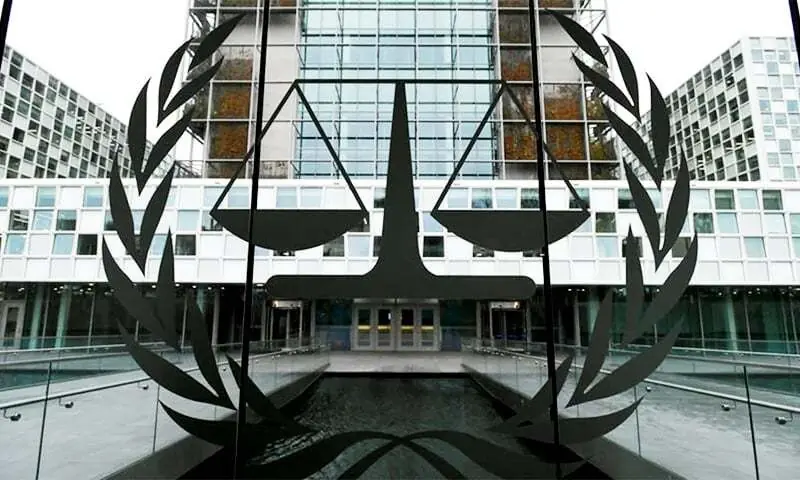
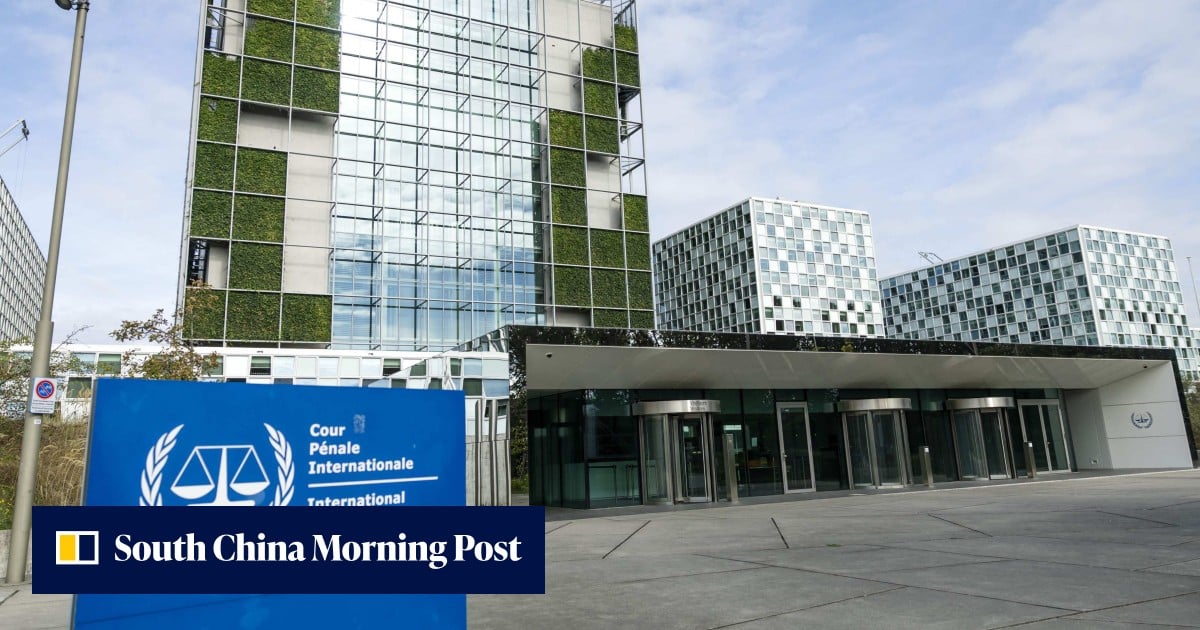
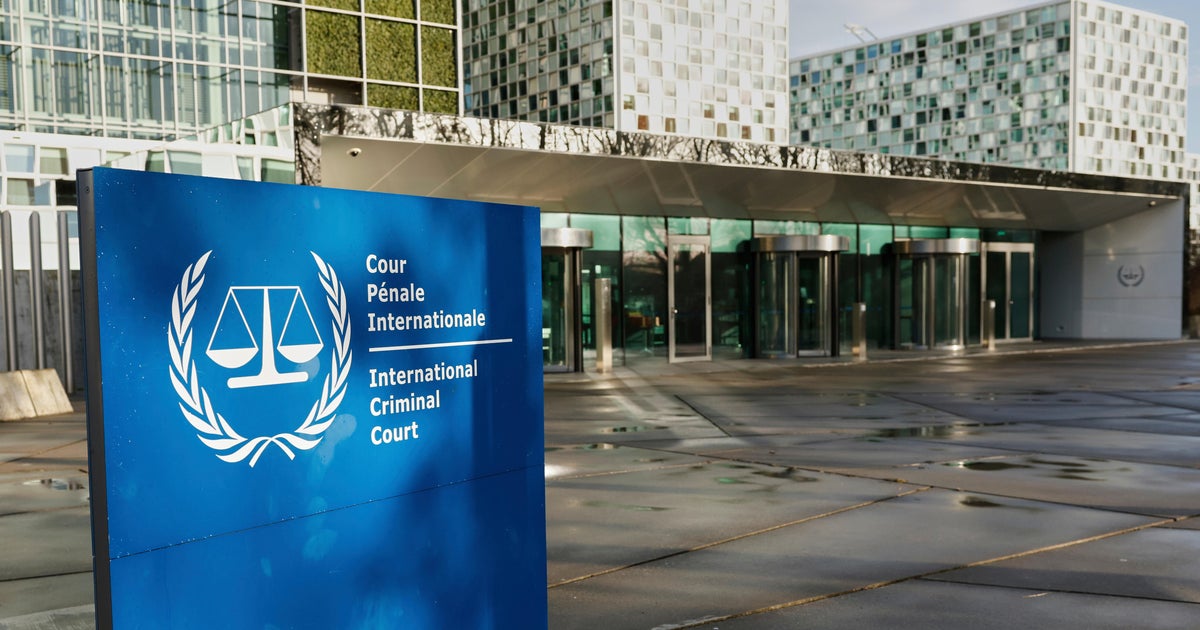
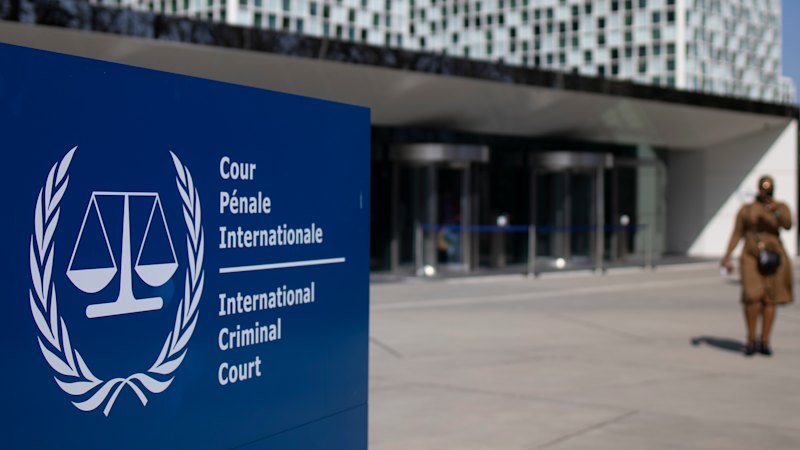
It said judges like Pillay "guard the thin red line between order and chaos," but lamented that "today ... these same judges are sanctioned, and their institutions are attacked." What is the ICC? The International Criminal Court is an intergovernmental organization and international tribunal based in the Dutch city of The Hague. It's the only permanent international court with the theoretical jurisdiction to prosecute individuals for international crimes like genocide, crimes against humanity, war crimes and illegal aggression. asserted
It → say → humanity
The ICC was set up in 2002 and is underpinned by the Rome Statute treaty. asserted
ICC → set → treaty
More than half the countries in the world, 125 in total, are full parties to the Rome Statute, having signed and ratified it. Several of the world's most significant powers — not least China, India, Russia, the US and Israel — do not recognize the court's jurisdiction. asserted
Several → sign → jurisdiction
There is, however, a grey area in that the court accepts challenges from ratified members against individuals from countries that do not recognize the court. asserted
that → be → court
That is why high-profile arrest warrants against Russian officials, including President Vladimir Putin, and Israeli officials, including Prime Minister Benjamin Netanyahu, have been issued in recent years — following respective complaints from Ukrainians and Palestinians. asserted
warrants → include → Ukrainians
Rubio has often led the charge, for instance, writing an opinion article for the Wall Street Journal in mid-July this year saying, "America never agreed to a world tribunal that can override our own courts and the Constitution." asserted
that → lead → courts
He argued it was possible for US "soldiers, police officers, Border Patrol agents and elected leaders" to be "dragged before an international court" and tried by judges "from random countries across the globe." asserted
soldiers → argue → globe
Just over a week later, on July 25, Venezuela's new administration — transformed after the US abduction of Nicolas Maduro in January — announced that it planned to withdraw from the Rome Statute and the ICC. asserted
it → transform → Statute
In response, the US State Department welcomed "the new Venezuelan government's partnership on American-led efforts to dismantle the corrupt and worthless ICC," calling on "all members of the ICC to withdraw from the Rome Statute." asserted
Department → welcome → Statute
A few days later, the military junta in Chad announced that it was withdrawing from the ICC. asserted
it → announce → ICC
It said it had done so after a US request, with Washington urging other African countries to follow in the Russian-backed junta's footsteps. asserted
Washington → say → footsteps
The recent sexual misconduct scandal surrounding the ICC's chief prosecutor Karim Khan, who was dismissed in July, provided more ammunition the US could aim at the court. uncertain
US → surround → court
In August, the US imposed sanctions on the ICC's president, Japanese judge Tomoko Akane, and Abdoulaye Seye, a Senegalese trial lawyer at the court. asserted
US → impose → court
If you rely on our team for trusted reporting, please take a moment to select us as your Preferred Source on Google, so you'll always see our verified news first. asserted
you → rely → news
Give feedback · no sign-in needed

No sign-in needed for now. Your note is sent without a name, so it cannot be answered.

History Support