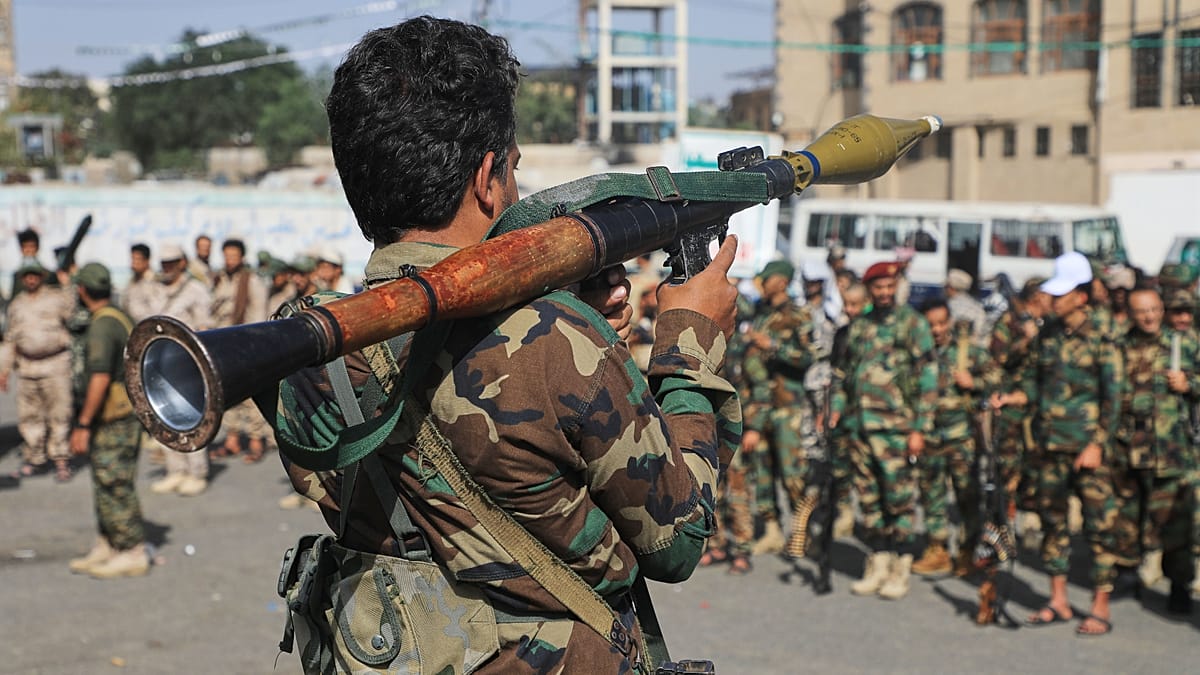
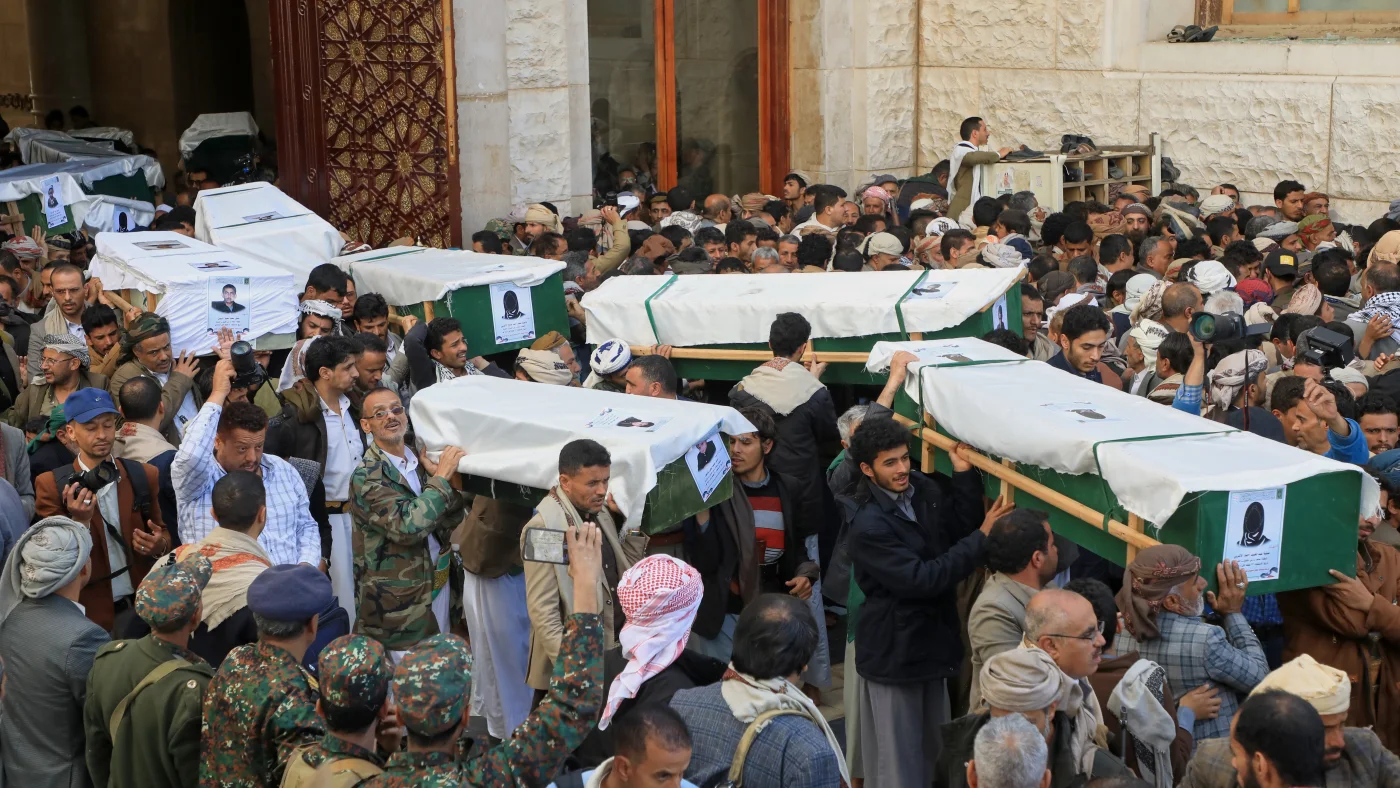
Photo via NPR

Why Houthi gains in Yemen could push gas prices even higher

Read the original at NPR ↗
Cite

Batrawy, A. (2026, September 11). Why Houthi gains in Yemen could push gas prices even higher. NPR. https://www.npr.org/2026/09/11/nx-s1-5966379/houthi-gains-gas-prices

Dated when The Aporia collected the article, usually within hours of publication. Check the original for its exact date and byline.

NPR · collected 2026-09-11 · by Aya Batrawy

Quick Summary

Houthi fighters have taken control of the port city of Mokha in Yemen, leading to increased tensions and higher oil prices. The price of Brent crude has shot up to nearly $110 a barrel following the fighting, which coincided with an exchange of fire between the US and Iran in the Persian Gulf. Saudi Arabia's oil exports are being squeezed due to Houthi attacks on ships in the Bab al-Mandeb waterway, leading to higher energy prices worldwide. Gasoline prices in the US have risen by 34% from last year, averaging $4.28 a gallon, while diesel is up by 61%.
Written by AI on 2026-09-11, from this article's own text only (the story summary below draws on all the coverage).
See how they differ ↓

AI analysis

Story summary

On September 10, 2026, Yemen's Houthis captured the Red Sea port city of Mokha from Saudi-backed government forces, marking their largest territorial gain since a 2022 cease-fire. This move strengthens the Houthis' control over one of the region’s critical waterways, the Bab el-Mandeb Strait, which is crucial for global shipping and trade valued at about $1 trillion annually. The capture of Mokha allows the Houthis to disrupt shipping more effectively, particularly targeting vessels traveling between Saudi Arabia and other regions. This escalation could potentially lead to renewed conflict in Yemen and impact oil prices globally; by September 15, oil prices had reached $108 a barrel for the first time since May. The capture also puts pressure on Egypt due to its potential impact on Suez Canal traffic and revenues. Abdul Malik al-Houthi, the leader of the Houthi group, has transformed his fighters into a formidable force capable of withstanding years of airstrikes by a Saudi-led coalition. With this latest offensive, the Houthis have solidified their position as a significant threat to regional stability and trade routes. The capture of Mokha follows months of increased clashes between the Houthis and government forces, highlighting the fragile state of the 2022 cease-fire. Observers fear that further escalation could restart an all-out civil war in Yemen.

Written for “Houthis Seize Red Sea Islands” on 2026-11-20, grounded in this article and the 29 other(s) covering the same event.

How they differ

19 outlets covered “Houthis Seize Red Sea Islands”.

What each outlet says

One AI summary per outlet of its latest article on this story, written from that article alone and checked against it. Open the article for the outlet's own words.

NPRThis outlet11 Sep

Houthi fighters have taken control of the port city of Mokha in Yemen, leading to increased tensions and higher oil prices. The price of Brent crude has shot up to nearly $110 a barrel following the fighting, which coincided with an exchange of fire between the US and Iran in the Persian Gulf. Saudi Arabia's oil exports are being squeezed due to Houthi attacks on ships in the Bab al-Mandeb waterway, leading to…

Why Houthi gains in Yemen could push gas prices even higher (this article)
Euronews14 Sep

Houthi rebels have captured more islands in the southern Red Sea, including Greater and Lesser Hanish, which adds to their control over Mokha and Perim Island. This move has displaced over 80,000 people and strengthened Houthi influence over the Bab el-Mandeb Strait, a critical maritime route for oil shipments between the Indian Ocean and the Red Sea. The internationally recognized Yemeni government is attempting to…

Houthis capture more Yemeni Red Sea islands, tightening grip on Bab el-Mandeb →4 articles from Euronews on this story
Al Jazeera14 Sep

Yemen faces renewed conflict as Houthi forces have recently seized control of islands in the Red Sea, threatening international shipping routes. This advance has broken a ceasefire that had held since 2022 and escalated fighting around strategic cities like Marib and Taiz. The situation is exacerbated by tensions in the Iran war disrupting traffic through the Strait of Hormuz, raising concerns about further…

What could stop the Houthis’ advance across Yemen? →4 articles from Al Jazeera on this story
The Straits Times16 Sep

Abdul Malik al-Houthi, an enigmatic Yemeni commander leading Iran-aligned Houthi militants, has significantly boosted his standing by capturing Yemen's Red Sea coastline. This strategic move tightens the Houthis' control over the Bab el-Mandeb strait, a crucial shipping route for global trade including oil, and escalates tensions with Saudi Arabia. Despite years of airstrikes from a Saudi-led coalition, al-Houthi…

Houthi Red Sea offensive elevates enigmatic Yemeni commander's standing →3 articles from The Straits Times on this story
South China Morning Post11 Sep

Yemen's Iran-aligned Houthis have reached the strategic island of Perim in the Bab el-Mandeb Strait after the Yemeni government withdrew its forces. The Houthis have also taken control of the mainland coastal town of Dhubab, which faces the island. According to Reuters sources, if the Houthis gain full control of the strait, it could give Iran a critical advantage in the war with the US by reducing oil supplies…

Yemen’s Houthis reach strategic island in Bab el-Mandeb Strait →2 articles from South China Morning Post on this story
The Hindu15 Sep

Yemen’s Houthi rebels captured strategic islands—Greater Hanish and Lesser Hanish—in the southern Red Sea on Monday, according to government and Houthi officials. The capture follows recent seizures of other key locations including the port city of Mokha and Mayun island inside the Bab el-Mandeb Strait from Saudi-backed Yemeni forces. This latest move by the Houthis tightens their control over important shipping…

Yemen’s Houthi rebels seize more key islands in southern Red Sea, tighten grip on shipping routes →2 articles from The Hindu on this story
Show 13 more outlets
Toronto Star11 Sep

Houthi rebels in Yemen, backed by Iran, captured the strategic island of Mayun/Perim on Friday, threatening international shipping through the Bab el-Mandeb Strait. The capture was confirmed by officials from both the Houthi-rebels and Yemen's internationally recognized government. Approximately 12% of global goods are shipped through this strait, making it a critical commercial lane for Saudi Arabia, a key US ally…

Houthis capture Red Sea island in threat to shipping, and other Mideast developments →
Letters from an American11 Sep

Yemen's Iran-backed Houthi militants have taken control of the city and seaport of Mocha, as well as much of the Red Sea shoreline near the Bab el-Mandeb strait. The Strait of Hormuz is already largely closed, and this development has led to a significant increase in oil prices, with a barrel now costing $109. The US has reportedly sent over 100 military advisors to Saudi Arabia as part of a new joint forces command…

September 10, 2026 →
Time11 Sep

Iran-aligned Houthi rebels have captured Yemen's port city of Mokha from Saudi-backed government forces after a week-long push, potentially opening up a second front in the war between the US and Iran. The capture marks the Houthis' largest territorial gain since 2022, with reports emerging that they have also disrupted shipping in the Red Sea. According to Yemeni sources, Houthi forces reached the Hanish…

Yemen’s Houthis Capture Red Sea Port City, Threatening New Front in War →
The Independent11 Sep

Satellite imagery has raised concerns about a potential attack on a crucial oil pipeline in Saudi Arabia, showing smoke near the East-West oil pipeline. The Houthis have captured a strategic island of Perim and the mainland town of Dhubab in the Bab el-Mandeb Strait, a key route for global oil shipping, with the waterway being vital to energy exports. Oil prices reached $108 a barrel on Friday for the first time…

Iran-US war latest: Crucial Saudi oil pipeline ‘on fire’ as Houthis capture island near key shipping route →
NBC News11 Sep

The Houthi rebels, backed by Iran, have taken control of the Red Sea coastline in Yemen, including the strategic island of Perim, which is located in the Bab el-Mandeb Strait. The capture of these areas has raised concerns about a return to all-out war in Yemen and poses a threat to global oil supplies. If the Houthis can successfully threaten shipping along this key waterway, it could lead to reduced oil exports…

Iran-backed Houthis seize Red Sea coastline, tightening grip on vital shipping lane →
BBC12 Sep

The Houthis have rapidly advanced across significant portions of Yemen’s Tihamah coastal region, capturing around 130km of coastline within days. This move comes after a prolonged civil war and shows the resilience of the Iranian-backed rebels despite opposition from various international forces. The capture bolsters Iran's strategic influence in critical maritime areas like the Bab al-Mandab Strait, enhancing its…

Lightning Houthi advance in Yemen may bring dangerous new dimension to Iran war →
ABC News (AU)14 Sep

Yemeni Houthi rebels have taken control of the Greater and Lesser Hanish islands in the southern Red Sea, building on their recent seizures of other strategic locations such as a port city and another island, along with an attack on a Saudi Air base. This move further consolidates their influence over critical maritime oil routes, causing Saudi Arabia to cancel a scheduled negotiation meeting regarding the Strait of…

Yemen's Houthi rebels seize more key islands in Red Sea to grip shipping route →
Fox News14 Sep

The article reports on how Iran-backed Houthi rebels have built a multibillion-dollar financial network despite US sanctions, enabling their control over key Yemeni ports and trade routes that threaten global maritime trade through the Bab el-Mandeb Strait. Adam Rousselle of Between the Lines Research details this network, which includes port tariffs, Iranian oil sales, informal hawala networks, cryptocurrency…

Iran’s proxy money machine: How the Houthis built a multibillion-dollar network despite US sanctions →
The Guardian15 Sep

Yemen’s Houthi militants have captured two strategic Red Sea islands, Greater and Lesser Hanish, which are near a critical shipping chokepoint that connects the Red Sea to the open ocean. This seizure increases the threat to oil supplies as it leaves Saudi Arabia vulnerable; experts warn that recent attacks on its east-west pipeline could reduce daily oil shipments by 2.6 million to 4 million barrels for weeks…

Houthis seize strategic Red Sea islands as analysts warn of impending oil crunch →
The Globe and Mail15 Sep

The Iran-backed Houthi rebels have taken control of an island near the Bab el-Mandeb Strait, marking their largest territorial expansion in years. This move is seen as a strategic advantage for Iran, potentially allowing it to influence global oil and gas prices by threatening maritime trade routes, thereby putting pressure on the United States.

Iran-backed Houthis seize an island in the Bab el-Mandeb Strait →
Daily Mail15 Sep

Fears are growing over a potential new global oil supply crisis following an attack on a Saudi pipeline and the capture of two strategic Red Sea islands, Greater and Lesser Hanish, by Yemen's Houthi rebels. This comes as Brent crude prices rose 1.17% to $106.92 a barrel and US diesel prices exceeded $6 per gallon for the first time. The pipeline attack has forced Saudi Arabia to shut down its East-West Pipeline…

Fears of new global oil supply crisis as Houthi militants seize two strategic Red Sea islands following Saudi pipeline attack →
Semafor15 Sep

Houthi rebels seized a significant Red Sea port from Yemen's government forces on Thursday, bolstering their control over strategic maritime territory near the Bab el-Mandeb Strait. The offensive is reported to have been aided by Iran, enhancing Houthi influence in one of two vital waterways in the region. This development could have broader implications for global oil markets, with prices reaching $108 a barrel on…

Houthi rebels capture key Red Sea port in Yemen →
Deutsche Welle16 Sep

Yemen’s Houthi rebels are exerting influence over maritime traffic in the Bab el-Mandeb Strait by threatening to block ships from Saudi Arabia while allowing general passage through the strait. This move puts pressure on both Saudi Arabia and Egypt, particularly since decreased shipping traffic through the Red Sea could affect the Suez Canal's revenues, which saw a significant drop of around $6 billion due to…

How the Houthis are also putting Egypt under pressure →

Compared with similar articles

This article reads leans right and hedges 8% of its claims. Each row says how that neighbour differs.
Al Jazeera
Hedges 0 of 30 claims Outlet record 60/100
Euronews
Leans right Hedges 2 of 28 claims Outlet record 60/100
South China Morning Post
Hedges 0 of 7 claims Outlet record 62/100
CBS News
Leans right Hedges 28 of 311 claims Outlet record 67/100
Toronto Star
Hedges 1 of 28 claims Outlet record 64/100
September 10, 2026 Same event
Letters from an American
Leans right Hedges 2 of 21 claims
TIME
Hedges 9 of 34 claims Outlet record 60/100
The Independent
Leans strongly left further left than this Hedges 8 of 36 claims Outlet record 59/100
BBC News
Hedges 3 of 34 claims Outlet record 65/100
CBS News
Hedges 27 of 164 claims Outlet record 67/100
“The articles discuss different aspects of regional tensions affecting oil prices but describe distinct events: one focuses on Houthis taking control of a port city in Yemen, while the other discusses delays in talks regarding the Strait of Hormuz.”

Story

Houthis Seize Red Sea Islands
Politics · 30 article(s) covering the same event. See how they differ ↑
How this article was measured signals, leaning charts, publisher record, byline, topics and claims

Signals How these are calculated →

Claims extracted
24
sentences that state something as happening or true
Uncertain
8%
2 of 24 hedged ("reportedly", "may", "according to")
Leaning
Leans right
of the writing, not the subject · beta estimate
Publisher signals
60/100
NPR's corrections and hedging, across everything collected from it. Not a measure of accuracy.
Outlets on this story
30
Politics
Same framing elsewhere
1
articles that frame the event the way this one does
Analyzed 2026-09-11 · how these are computed

How this is being covered How these are calculated →

Article leaning vs. publisher reliability
Source leaning vs. consistency

Publisher

NPR · 1357 article(s) · 4 correction(s) detected
Running correction rate · 4 correction(s)

Who wrote this

Aya Batrawy
4 article(s) here · 1 carrying a prediction
More limited strikes that could rapidly escalate The U.S. is sending a third aircraft carrier with thousands of troops to the region, leaving open the possibility of another planned military escalation.
That would include basically the Iranians not attacking ships in the Strait of Hormuz to allow for direct talks to begin again between Washington and Tehran.
And it says that number will likely rise as frontline fighting moves.
Why Houthi gains in Yemen could push gas prices even higher DUBAI, United Arab Emirates -
Also by Aya Batrawy
Nothing else under this byline is closely related to this article, so these are simply their most recent.

Topics

Houthi Iran Saudi Saudi Arabia Yemen

Subjects

Saudi Arabia GPE · 8× Yemen GPE · 8× Houthi NORP · 6× Houthis NORP · 6× Iran GPE · 6× Saudi NORP · 5× Mokha GPE · 3× Yemeni NORP · 3× Arab NORP · 2× Sanaa GPE · 2×

Narrative

Saudi Arabia is also a key stabilizer of energy prices in OPEC, but with its exports curtailed by the two conflicts and other Gulf Arab producers struggling to get oil and gas out, countries around the world are digging into emergency oil reserves to plug the gap, leading to higher prices.
framing: assertive · carried by 1 article(s) · first seen 2026-09-11
Why Houthi gains in Yemen could push gas prices even higher DUBAI, United Arab Emirates -
2026-09-11 · NPR
Why Houthi gains in Yemen could push gas prices even higher · assertive framing

Claims (24 extracted, 2 hedged)

Why Houthi gains in Yemen could push gas prices even higher DUBAI, United Arab Emirates - uncertain
gains → push → prices
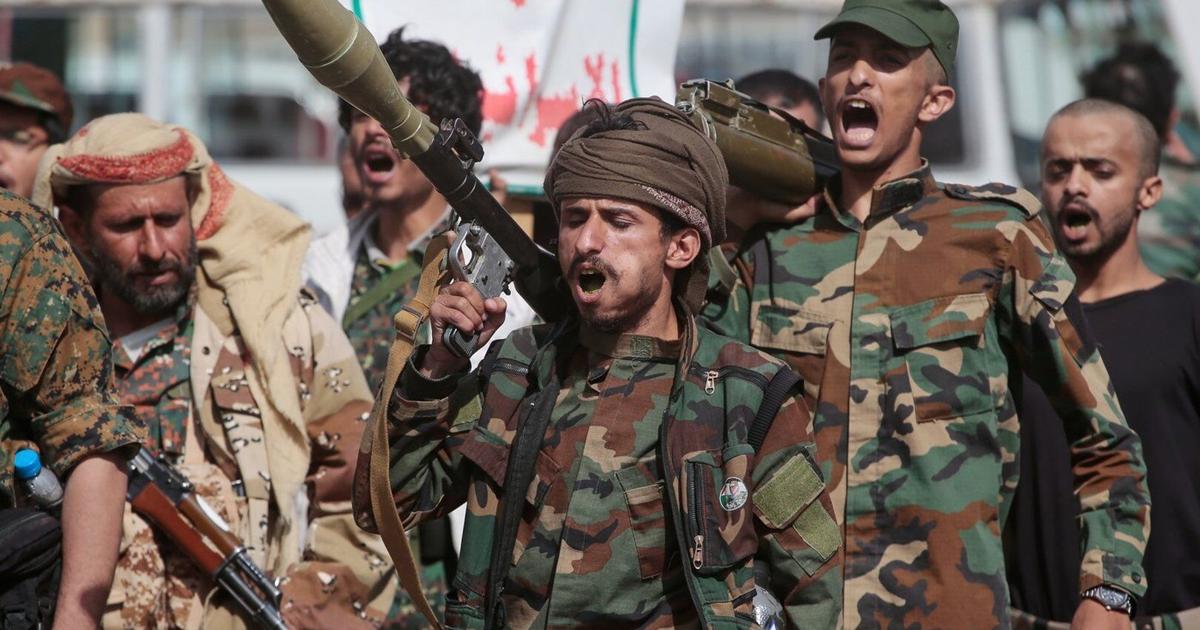
A tenuous years-long truce in Yemen unraveled further this week as Iran-backed Houthi fighters pushed out Saudi-backed Yemeni forces along a key stretch of Red Sea coastline. asserted
fighters → unravel → coastline
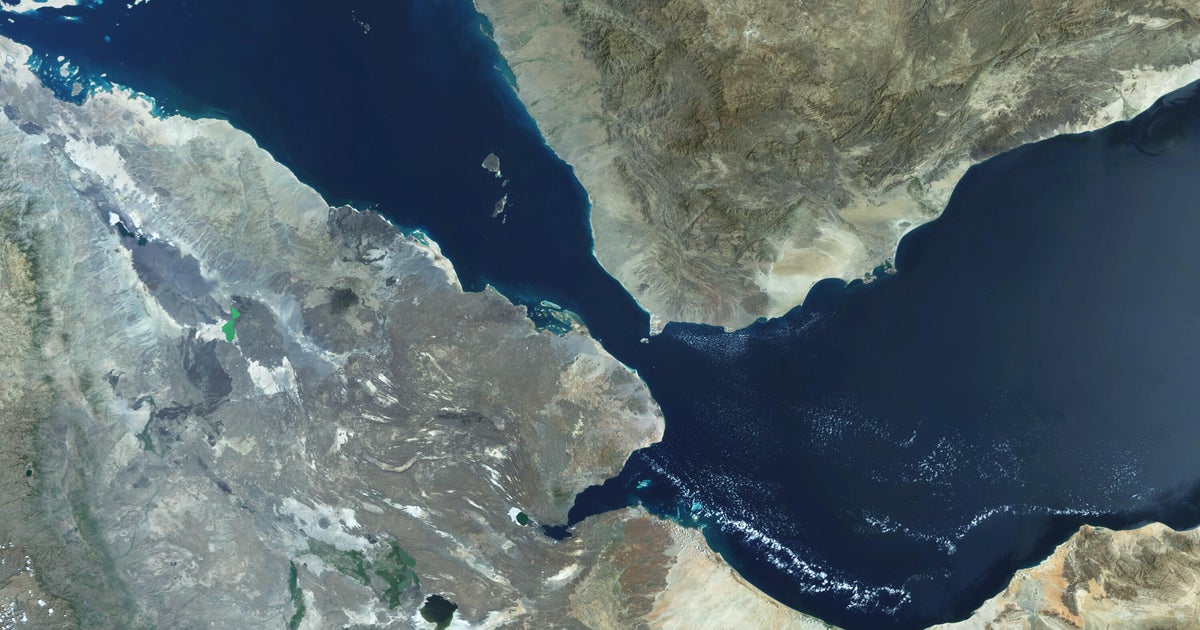
Statements by the Houthis and a rival Yemeni commander, who's cited by The Associated Press, said Friday the Iran-backed group had taken control of the port city of Mokha, just north of the Bab al-Mandeb waterway. asserted
group → cite → waterway
The fighting in Yemen, and the Houthis' targeting of Saudi oil carriers around that waterway, coincided this week with another exchange of fire in the Persian Gulf between the United States and Iran. asserted
fighting → coincide → States
As a result, the price of Brent crude—a global metric for oil prices—shot up to nearly $110 a barrel. asserted
price → shoot → 110
The London-based research firm Capital Economics says the fighting on both sides of the Arabian Peninsula raises the risk of even further energy price hikes in the coming weeks. asserted
fighting → base → weeks
AAA says gasoline prices in the United States are up by 34% from last year at this time, averaging $4.28 a gallon now. asserted
prices → say → 4.28
Diesel, used for farming and trucks, is up by 61%. asserted
Diesel → use → %
Data from maritime analytics firm Kpler, and cited by multiple news outlets, shows Saudi Arabia exported just 3.2 million barrels a day last month, its lowest level in more than a decade. asserted
Arabia → cite → decade
While higher oil prices help Gulf Arab producers like Saudi Arabia offset the sharp fall in their energy exports, they still face growing budget deficits, in part due to attacks on ships in the Strait of Hormuz. asserted
they → help → Hormuz
Now, Saudi oil tankers run a gauntlet to bypass the Houthi attacks in the southwestern Bab al-Mandeb shipping corridor, squeezing one of the world's biggest oil producers. asserted
tankers → run → producers
Saudi Arabia is also a key stabilizer of energy prices in OPEC, but with its exports curtailed by the two conflicts and other Gulf Arab producers struggling to get oil and gas out, countries around the world are digging into emergency oil reserves to plug the gap, leading to higher prices. asserted
countries → curtail → prices
Saudi Arabia had been re-routing its crude through an east-west pipeline leading to the Red Sea as a fallback measure to keep oil flowing following the closure by Iran of the Strait of Hormuz in response to the U.S.-Israeli war. asserted
Arabia → re → war
The Houthi attacks on shipping have forced Saudi Arabia to use a much longer and costlier route through the Suez Canal to the Mediterranean Sea and around Africa in order to reach buyers in Asia. asserted
attacks → force → Asia
The Houthi takeover of the Yemeni port city of Mokha comes just days after the group fired missiles and drones at four regions of southwestern Saudi Arabia. asserted
group → come → Arabia
The group says the attacks were in response to dozens of Saudi airstrikes on Yemen, including one that killed civilians at a prison. asserted
that → say → prison
The Saudi Energy Ministry said the Houthis struck Saudi oil facilities, sparking fires that halted operations on Tuesday. asserted
that → say → Tuesday
Saudi Arabia said more than 70 people were wounded in the attacks. asserted
people → say → attacks
The renewed fighting in Yemen comes 11 years after Saudi Arabia first led a coalition of Arab countries into war in Yemen to roll back a Houthi takeover of the capital, Sanaa, and reinstall Yemen's government to power. asserted
Arabia → renew → power
More than a decade later, the Houthis still control Sanaa. asserted
Houthis → control → Sanaa
The U.S. says the Houthis are another regional proxy of Iran, supported by weapons and training. asserted
Houthis → say → weapons
Iran's Foreign Ministry said in statements this week the Houthis, which Iranian leaders refer to as "the resistance", are independent and operate on their own authority. asserted
leaders → say → authority
The deadly fighting in recent days for control of Mokha and other areas of Yemen's western coast has displaced at least 18,500 people, according to the United Nations' International Organization of Migration. uncertain
fighting → displace → Migration
It says families are fleeing with nothing and arriving at humanitarian sites that already lack emergency food stocks and shelter supplies. asserted
that → say → stocks
Give feedback · no sign-in needed

No sign-in needed for now. Your note is sent without a name, so it cannot be answered.

History Support