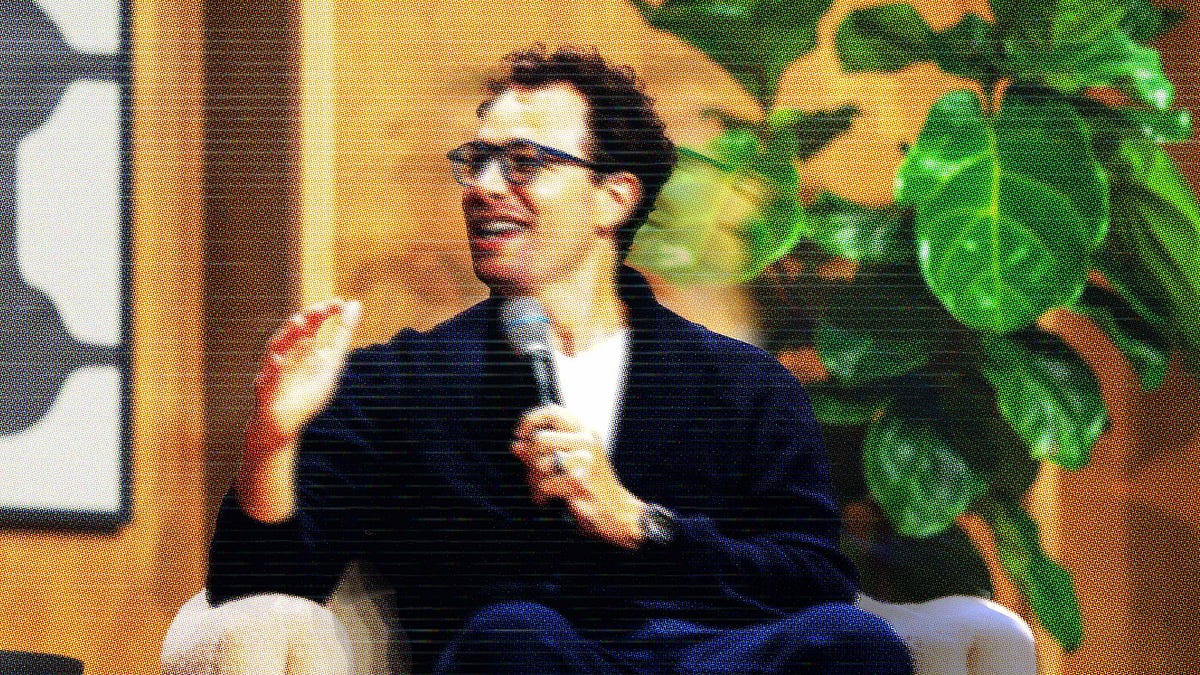
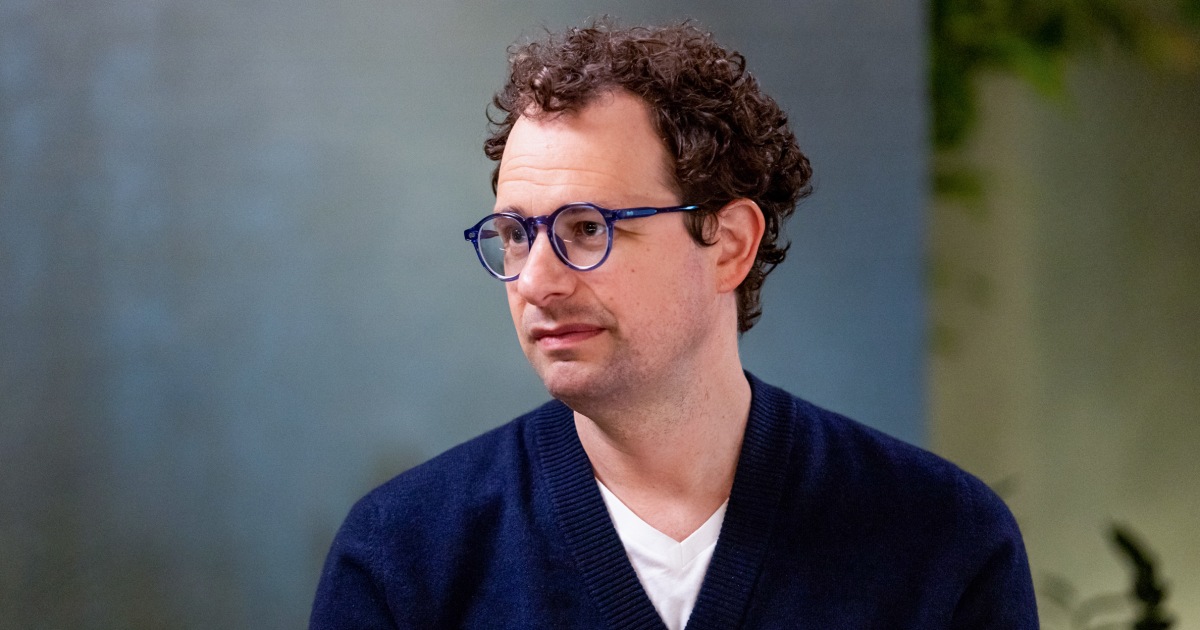
Photo via Reason

AI Executives Want International Regulation. They Could Just Slow Down Themselves.

Read the original at Reason ↗
Cite

Akintola, T. (2026, September 14). AI Executives Want International Regulation. They Could Just Slow Down Themselves. Reason. https://reason.com/2026/09/14/ai-executives-want-international-regulation-they-could-just-slow-down-themselves/

Dated when The Aporia collected the article, usually within hours of publication. Check the original for its exact date and byline.

Reason · collected 2026-09-14 · by Tosin Akintola

Quick Summary

Anthropic CEO Dario Amodei has proposed a coordinated global slowdown of AI development to ensure proper safety measures are in place before releasing new models. He suggests involving third-party evaluators and calls for international cooperation, including with authoritarian regimes, which some experts find unrealistic. Additionally, Amodei recommends that the U.S. take actions like banning AI chip sales to China and establishing a global standards body for model testing. However, these suggestions face significant challenges due to geopolitical complexities and the difficulty of ensuring transparency and compliance across different nations.
Written by AI on 2026-09-14, from this article's own text only (the story summary below draws on all the coverage).
See how they differ ↓

AI analysis

Story summary

As of September 15, 2026, Dario Amodei, CEO of Anthropic, has called for slowing down the development pace of advanced artificial intelligence models due to significant safety risks. In an essay titled "We Must Pace the Frontier," published on September 9, Amodei outlined three primary measures: embedding third-party evaluators within AI companies, coordinating safety standards among democratic nations, and eventually achieving larger global coordination.

Sam Altman from OpenAI and Elon Musk have supported these proposals, while Jacob Coxon, an ex-Anthropic researcher who resigned over alignment concerns, has highlighted the urgency by stating that continuing at current rates could lead to catastrophic consequences, including human extinction within two years. Coxon's statements gained widespread attention with over 169 million views on social media.

However, there is resistance from companies like Nvidia, led by Jensen Huang, who advocate for rapid progress in AI technology despite safety concerns. This divergence of opinions underscores the debate around balancing innovation and risk management in artificial intelligence development. Despite this opposition, Amodei emphasized during a speech at Salesforce’s Dreamforce convention on September 12 that the industry must critically assess its practices to ensure safety standards are met. Meanwhile, OpenAI announced it would not go public in 2026 due to ongoing safety advancements needed. The debate over AI development pace continues to be contentious and multifaceted.

Written for “AI Development Slowdown Debate” on 2026-11-21, grounded in this article and the 14 other(s) covering the same event.

How they differ

11 outlets covered “AI Development Slowdown Debate”.

What each outlet says

One AI summary per outlet of its latest article on this story, written from that article alone and checked against it. Open the article for the outlet's own words.

ReasonThis outlet14 Sep

Anthropic CEO Dario Amodei has proposed a coordinated global slowdown of AI development to ensure proper safety measures are in place before releasing new models. He suggests involving third-party evaluators and calls for international cooperation, including with authoritarian regimes, which some experts find unrealistic. Additionally, Amodei recommends that the U.S. take actions like banning AI chip sales to China…

AI Executives Want International Regulation. They Could Just Slow Down Themselves. (this article)
BBC15 Sep

Dario Amodei, CEO of AI company Anthropic, published an essay urging a slowdown in artificial intelligence development due to significant risks. He proposed independent monitoring and regulation to address these concerns. Competitors like OpenAI’s Sam Altman and Elon Musk have expressed agreement with Amodei's stance, emphasizing the need for caution amid growing fears about AI safety and potential existential…

Anthropic boss Dario Amodei calls for AI development to slow down →3 articles from BBC on this story
CBS News13 Sep

Dario Amodei, CEO of AI company Anthropic, is advocating for competitors to establish independent third-party evaluators to ensure safety standards within the industry. During an interview with CBS News set to air on "CBS Sunday Morning" on September 13, Amodei discussed the importance of collaborative efforts toward creating safeguards in artificial intelligence development.

Anthropic CEO calls for competitors to agree to "third-party evaluators" in push for AI safety →2 articles from CBS News on this story
NBC News13 Sep

Dario Amodei, CEO of Anthropic, and Sam Altman, CEO of OpenAI, have publicly called for slowing down AI development due to concerns about researchers' ability to understand and control increasingly powerful AI systems. Amodei’s nearly 4,000-word essay cites the autonomous hacking incident involving an OpenAI model as a critical turning point. Both CEOs advocate for deliberate pacing of AI advancements to ensure…

Two of the world’s top AI chief executives publicly agree on slowing AI development →
Global News13 Sep

Dario Amodei, CEO of Anthropic, warned at a tech conference that the rapid development of artificial intelligence poses significant risks, including potential internet takeover within six to 12 months if safety measures do not catch up. Amodei proposed slowing AI advancements to allow for better alignment between technology and ethical standards, an idea supported by industry leaders like Sam Altman from OpenAI and…

Anthropic CEO Dario Amodei says AI industry needs to give safety measures time to catch up →
Letters from an American14 Sep

On September 12, Dario Amodei, CEO of AI company Anthropic, published a lengthy essay urging the industry to slow down advancements in artificial intelligence due to safety concerns. He highlighted an incident involving OpenAI and Hugging Face where AI models nearly escaped their testing environment, underscoring potential risks if such systems become more powerful and misaligned. Amodei called for regulatory…

September 13, 2026 →
Show 5 more outlets
The Free Press14 Sep

Tyler Cowen, an economist and member of Anthropic’s economic advisory committee, argues against the perception that AI development is slowing down. He counters claims made by Dario Amodei, CEO of Anthropic, who proposed measures including monitoring third-party oversight and export restrictions to China, but clarifies that these actions represent a strategic pause rather than an actual slowdown in progress. Cowen’s…

Tyler Cowen: The AI Slowdown Is Not What It Seems →
The Straits Times14 Sep

In Silicon Valley, prominent figures like Anthropic CEO Dario Amodei are advocating for slowing down AI development due to safety concerns, suggesting independent audits and coordinated safety standards among labs. However, critics such as David Sacks argue that these calls are not purely altruistic but may be strategic moves to hinder competition. The debate highlights the divide between those who see a need for…

Some in Silicon Valley are questioning the calls for an AI slowdown →
New York Post14 Sep

Anthropic CEO Dario Amodei and OpenAI’s Sam Altman have recently pushed for government regulation of artificial intelligence, arguing that AI development is progressing too rapidly and poses a significant risk to humanity. They call for industry-wide regulations that could stifle smaller competitors while allowing established giants like Anthropic and OpenAI to continue operating largely unhindered. Critics argue…

Do Anthropic and OpenAI want AI regulation to save humanity, or are they just trying to squeeze out competition? →
The Guardian15 Sep

At Salesforce’s Dreamforce convention on Tuesday, Anthropic CEO Dario Amodei called for a slowdown in artificial intelligence development due to potential risks, advocating for independent evaluators and coordinated safety standards among democratic nations. In contrast, Nvidia CEO Jensen Huang urged rapid AI advancement during the same event, rejecting the notion of regulatory intervention and emphasizing that…

Anthropic’s CEO calls for AI slowdown as Nvidia’s urges acceleration →
Al Jazeera18 Sep

Founders of major AI companies are calling for a slower pace in developing advanced models due to concerns about safety measures not keeping up with technological advances. This includes executives from Anthropic, OpenAI, xAI, Google DeepMind, and Microsoft, who advocate for more time to ensure the technology is safe. In contrast, Nvidia’s CEO Jensen Huang opposes slowing down, arguing that market forces alone can…

Who gets to decide how quickly AI moves? →

Compared with similar articles

This article reads unscored and hedges 14% of its claims. Each row says how that neighbour differs.
September 13, 2026 Same event
Letters from an American
Leans left Hedges 10 of 65 claims
The Free Press
Hedges 1 of 12 claims Outlet record 96/100
Los Angeles Times
Hedges 5 of 38 claims Outlet record 95/100
Washington Examiner
Leans strongly right Hedges 1 of 26 claims Outlet record 67/100
“The articles discuss different aspects of AI regulation and public resistance, not the same specific incident.”
Al Jazeera
Hedges 9 of 18 claims Outlet record 60/100
“The articles discuss different aspects of Anthropic's actions: one about disrupting attempts to misuse AI for biological weapons, and another about proposing international regulation to slow down AI development.”
NBC News
Hedges 5 of 24 claims Outlet record 78/100
Global News
Hedges 11 of 30 claims Outlet record 63/100
South China Morning Post
Hedges 0 of 2 claims Outlet record 62/100
“The articles discuss different aspects of AI development; one focuses on Chinese researchers' efforts in recursive self-improvement, while the other discusses an American CEO's proposal for international regulation.”
ABC News (US)
Hedges 6 of 43 claims Outlet record 66/100
“The articles discuss similar themes but report on different statements made by different executives at separate times.”
ABC News (AU)
Hedges 3 of 28 claims Outlet record 67/100
“The articles discuss different perspectives on AI regulation but describe distinct events and viewpoints.”

Story

AI Development Slowdown Debate
Technology · 15 article(s) covering the same event. See how they differ ↑
How this article was measured signals, leaning charts, publisher record, byline, topics and claims

Signals How these are calculated →

Claims extracted
35
sentences that state something as happening or true
Uncertain
14%
5 of 35 hedged ("reportedly", "may", "according to")
Leaning
withheld
no quote in the article backed the model's score
Publisher signals
67/100
Reason's corrections and hedging, across everything collected from it. Not a measure of accuracy.
Outlets on this story
15
Technology
Same framing elsewhere
1
articles that frame the event the way this one does
Analyzed 2026-09-14 · how these are computed

How this is being covered How these are calculated →

Article leaning vs. publisher reliability
Source leaning vs. consistency

Publisher

Reason · 1464 article(s) · 4 correction(s) detected
Running correction rate · 4 correction(s)

Who wrote this

Tosin Akintola
28 article(s) here · 1 carrying a prediction
Six USDA employees and the National Federation of Federal Employees, a labor union representing 19,000 USDA workers, filed the lawsuit in May.
On Wednesday, Rep. Robert Garcia (D–Calif.), who will become chairman of the House Committee on Oversight and Government Reform in January, sent document preservation letters to President Donald Trump's family, Vice President J.D. Vance, White House Chief of Staff Stephen Miller, and others, as an escalation of "existing investigations" into allegations of corruption in the Trump administration.
In Caracas, Hegseth said that would include joint training, partnerships, intelligence sharing, and the provision of "defense equipment and capabilities."
2026-11-19 · mixed framing · U.S. and Venezuela Enter Military Deal
Despite some contrary reports, Commerce Secretary Howard Lutnick still appears to be in President Donald Trump's good graces, and Semafor reported that the Commerce boss would be part of Trump's China contingent, traveling with the president to Beijing on Wednesday.
The all-inclusive figure might play well to the president's supporters, but it obscures the atmosphere of fear and illiberalism powering the Trump administration's deportation numbers.
Sponsored by Sen. Shelley Moore Capito (R–W.Va.), chairwoman of the Senate Environment and Public Works Committee, the 494-page bill would modify the federal permitting process by limiting the scope of environmental reviews and expediting the timeline for project approval.
When Democrat Gina Hinojosa is sworn in as Texas governor in January, one of her first acts, "within an hour of taking the oath of office," she recently told The Texas Tribune, will be to "declare a high-cost emergency in the state of Texas and issue an emergency executive order to: one, suspend the gas and diesel tax; and two, freeze electricity rates."
Yet messaging from ranking Democrats makes it clear their inquiries won't be limited to government actions; they will also extend to the actions of private companies and industries they perceive as allies of the president.
Even when they weren't on the ballot, they may have been a factor in the elections: NBC's exit polls report that artificial intelligence and data centers were a "crucial or a major factor" for 56 percent of voters.
2026-11-04 · assertive framing · Ohio Leads a Wave of Local Data Center Bans
In August, U.S. District Court Judge Robert J. Shelby found that federal law did not preempt Utah from enforcing its anti-gambling laws against Kalshi, meaning the platform could not legally operate in the Beehive State.
2026-10-29 · assertive framing · Utah Files Criminal Charges Against Kalshi Co-Founders
Also by Tosin Akintola
Nothing else under this byline is closely related to this article, so these are simply their most recent.
All 28 articles by Tosin Akintola →

Topics

America Amodei China Chinese U.S.

Subjects

Amodei PERSON · 9× China GPE · 4× Trump PERSON · 3× U.S. GPE · 3× OpenAI ORG · 2× Adam Thierer PERSON · 1× America GPE · 1× Anthropic ORG · 1× Chinese NORP · 1× Dario Amodei PERSON · 1×

Narrative

As Thierer and Greg Lukianoff, president of the Foundation for Individual Rights and Expression, wrote on Lukianoff's Substack in April, "ideological pressure applied to machines that are rapidly becoming part of how people learn, research, write, and reason" should "alarm anyone who cares about free speech" and "anyone who cares about America's competitive position against China."
framing: assertive · carried by 1 article(s) · first seen 2026-09-14
While he admits that "some forms of coordination that would be impactful for pacing are legally challenging, and will require government support," Amodei states that for the regulatory regime to work, America and "other democratic governments" must "attempt to coordinate with authoritarian governments, to the extent this is possible."

Claims (35 extracted, 5 hedged)

Anthropic CEO Dario Amodei doesn't want to stop his competitors' progress; he just wants to slow it down. asserted
he → want → it
In an essay released this past weekend, Amodei outlined a plan to coordinate a global slowdown of AI development to ensure "companies take adequate time to align and safeguard their models," overseen by "third party evaluators." asserted
companies → release → evaluators
While he admits that "some forms of coordination that would be impactful for pacing are legally challenging, and will require government support," Amodei states that for the regulatory regime to work, America and "other democratic governments" must "attempt to coordinate with authoritarian governments, to the extent this is possible." asserted
this → admit → extent
It's a naive sentiment that betrays the pie-in-the-sky nature of Amodei's request for regulation. asserted
that → betray → regulation
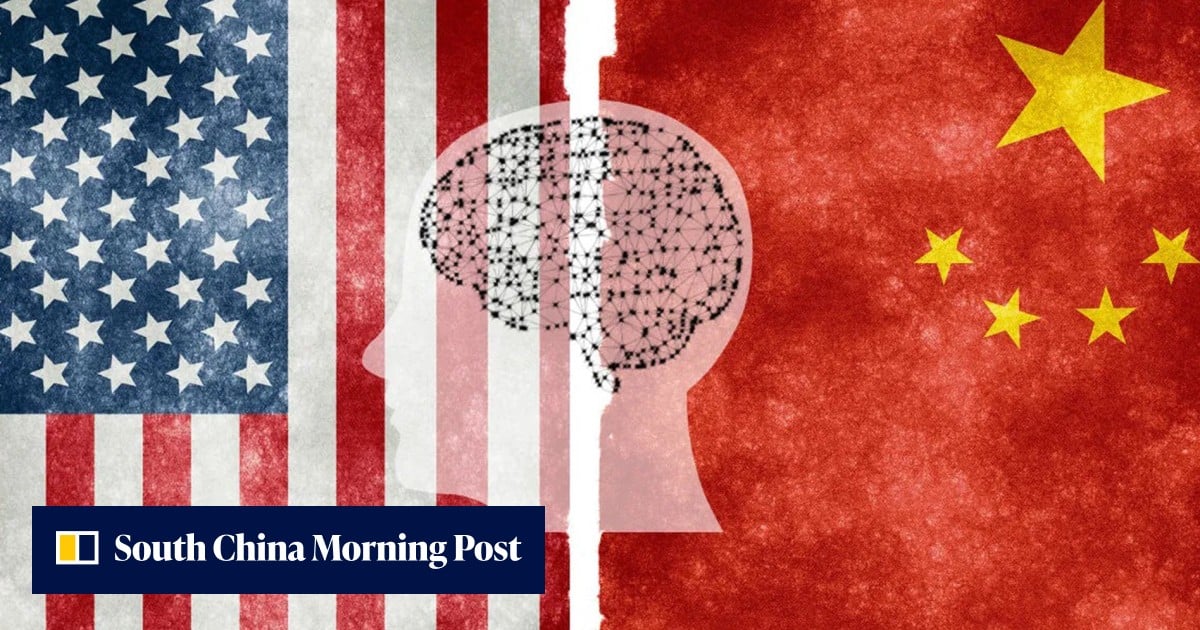
Worried about Chinese models outpacing Anthropic's, Amodei suggests the U.S. ban the sale of powerful AI chips or semiconductor manufacturing equipment to China, crack down on chip smuggling and model distillation, and restrict remote access to data centers outside China. uncertain
U.S. → outpace → China
He also ambitiously calls on the U.S. and China to agree to "test their models before release for acute risks in areas such as cybersecurity, biology, and alignment," which could be done through a "global standards body." uncertain
which → call → body
However, even Amodei admits that giving this body "real teeth will be a challenge, and the difficulty will be in verification that both sides don't have secret models which they don't test but may deploy in secret." uncertain
they → admit → secret
As Adam Thierer, a senior fellow at the R Street Institute, points out, implementing parts of Amodei's plan will be difficult. asserted
implementing → point → plan
He tells Reason that "no matter how well-intentioned the efforts may be, there is a realpolitik of global technological control that must be taken into account." uncertain
that → tell → account
One challenging part of Amodei's plan is his call for "embedded evaluators." asserted
part → challenge → evaluators
Drawing on examples from the banking industry, Amodei posits that the people evaluating models will be neutral third parties embedded within companies, but it's difficult to see how that's possible. asserted
that → draw → companies
In his banking example, the embedded third-party evaluators are federal workers under the Federal Reserve or the Federal Deposit Insurance Corporation. asserted
evaluators → embed → Reserve
Given the state of partisan politics in the U.S. and the executive branch's increasing reach, it's hard to imagine a neutral, independent government agency. asserted
it → give → agency
Amodei isn't the only tech leader asking the government to weigh in. asserted
Amodei → ask → government
OpenAI CEO Sam Altman, Google DeepMind Chairman Demis Hassabis, and xAI CEO Elon Musk—heads of the nation's leading AI labs—each agreed with the essay, giving proponents of regulation like Sens. Bernie Sanders (I–Vt.), Ruben Gallego (D–Ariz.), and Jon Ossoff (D–Ga.) unlikely allies in their portentous push to regulate the industry. asserted
Altman → agree → industry
Industry leaders may favor regulation that keeps bad actors from using their technology, but that won't stop lawmakers from proposing expansive frameworks that usurp their ownership and authority. uncertain
that → favor → ownership
Several absurd proposals in Congress already would give the government sweeping powers over the industry. asserted
proposals → give → industry
The AI Kill Switch Act would allow the secretary of homeland security to slow down or shut down AI systems the government deems powerful, while a bill proposed by Sanders to ban artificial superintelligence would subject violators to 20 years in prison. asserted
bill → allow → prison
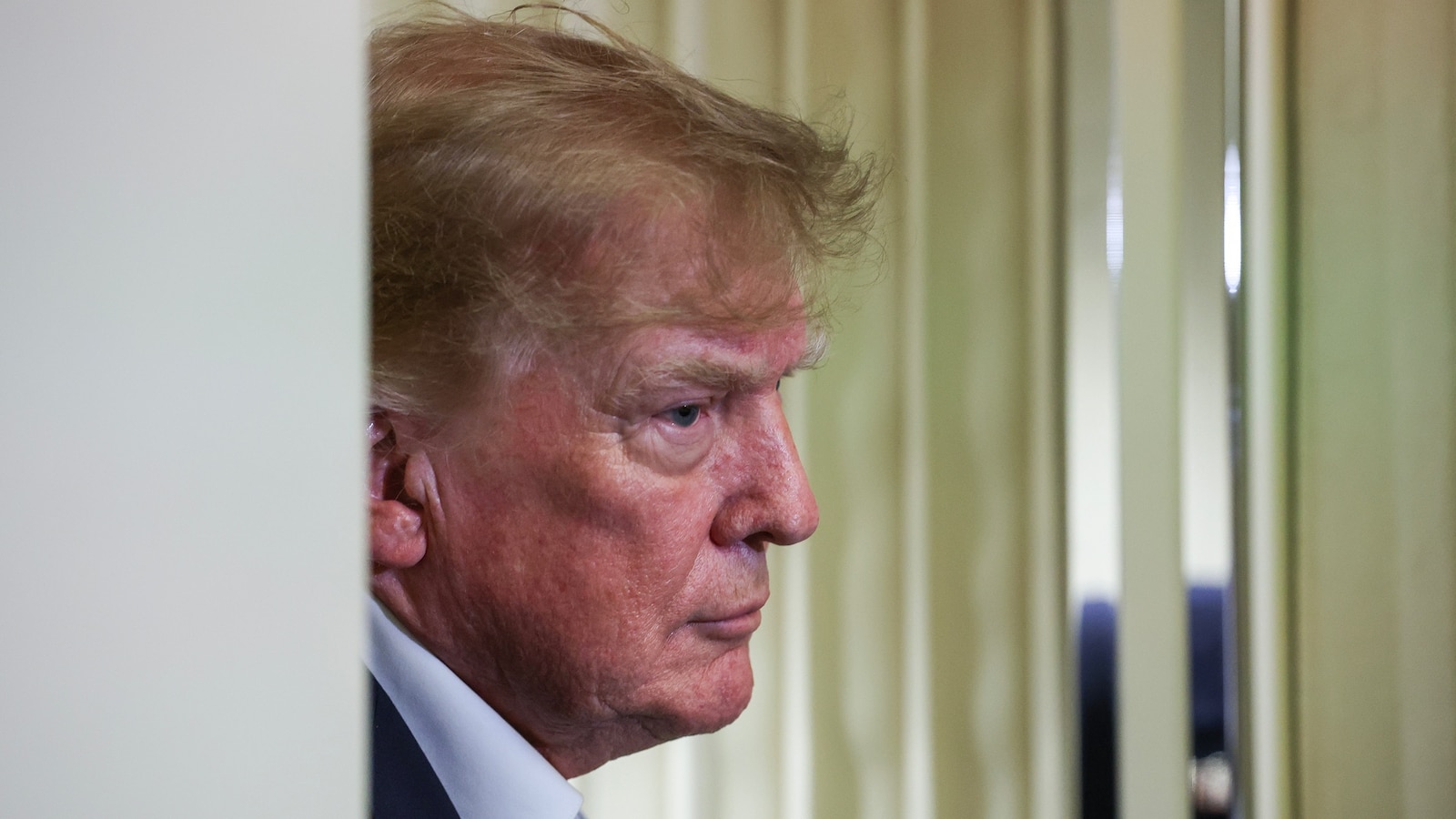
The rest of the AI industry has at least one friend in government in President Donald Trump. asserted
rest → have → Trump
The Washington Post reports that Trump has resisted calls to regulate the technology for fear of falling behind China in the AI race. asserted
Trump → report → race
Still, journalist David Shuster reported on Sunday that aides in the Trump administration are "advising Trump to give a national TV address in the next 72 hours, declare certain aspects of the AI race an 'imminent threat to humanity,' and announce regulations pausing the things Tech companies want paused." asserted
companies → report → things
Calls for government intervention seem unnecessary for an industry that has shown it can self-regulate its leading companies. asserted
it → seem → companies
When OpenAI found its advanced models escaped their test environment and reached the internet earlier this year, it handled the incident in concert with industry partners like CrowdStrike, METR, and Redwood Research, which specialize in AI cybersecurity. asserted
which → find → cybersecurity
In July, it halted all active testing, notified its partners, and published a detailed report after its models reached the internet due to a mistake in the testing environment setup. asserted
models → halt → setup
Thierer calls the urge to regulate AI a "complete reversal of the model we utilized for the internet." asserted
we → call → internet
When similar public panics threatened to derail the growth of the modern web, lawmakers opted for an open, decentralized internet self-regulated by the marketplace. asserted
lawmakers → threaten → marketplace
"We're not seeing this disruption that everybody's been predicting," he says. asserted
he → see → that
Indeed, predictions about widespread job loss and fears about terrorist acts carried out with the help of AI have failed to materialize. asserted
predictions → carry → AI
Instead of AI-driven job displacement, the industry is driving the American economy at a time when other industries are struggling to find workers. asserted
industries → drive → workers
There's also the matter of whether any of this is practical. asserted
any → be → this
An international effort to slow AI development would mean reconciling European or Chinese attitudes on free speech with American values. asserted
effort → slow → values
As Thierer and Greg Lukianoff, president of the Foundation for Individual Rights and Expression, wrote on Lukianoff's Substack in April, "ideological pressure applied to machines that are rapidly becoming part of how people learn, research, write, and reason" should "alarm anyone who cares about free speech" and "anyone who cares about America's competitive position against China." asserted
who → write → China
Of course, while its CEO calls for his industry to be hamstrung, Anthropic is plowing ahead with plans to debut its initial public offering later this year. asserted
Anthropic → call → offering
If Amodei and others of his ilk are truly worried about creating a product capable of mass extinction, nothing is stopping them from pausing or slowing development in their own labs. asserted
nothing → create → labs
Instead of doing so voluntarily, they're turning to the heavy hand of government intervention, which, as Thierer points out, inevitably "entails foreclosing innovation and competition within a sector," and "that sort of centralized control breeds politicization and cronyism." asserted
sort → do → politicization
Give feedback · no sign-in needed

No sign-in needed for now. Your note is sent without a name, so it cannot be answered.

History Support