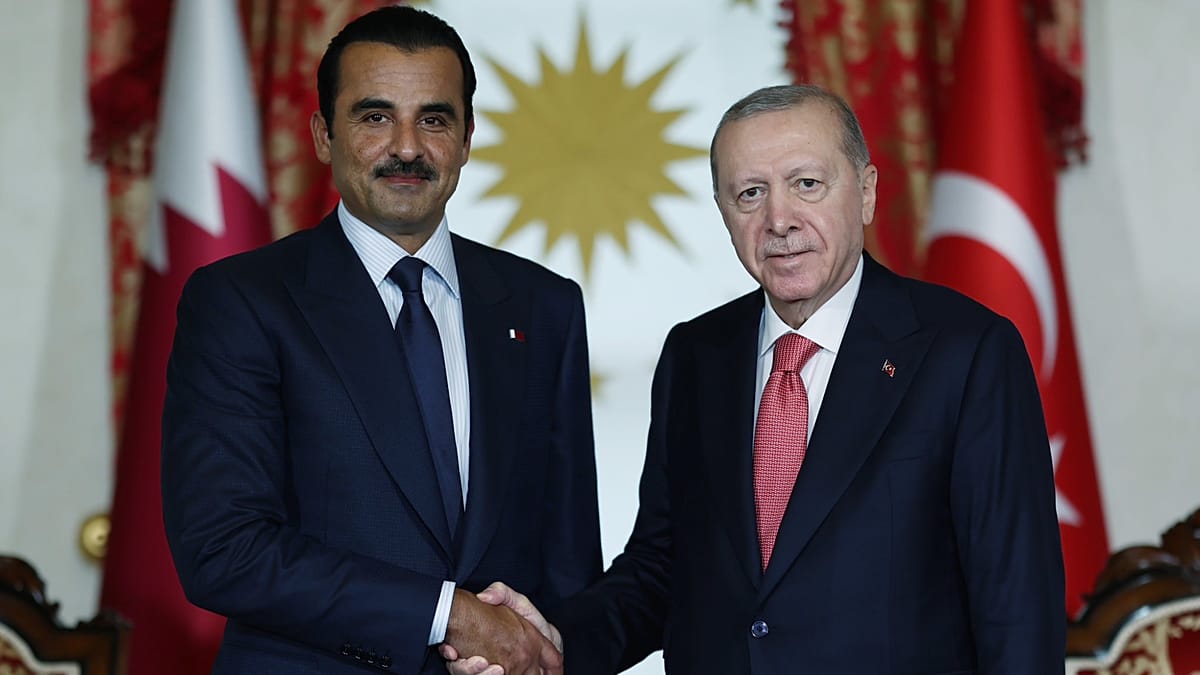
Photo via Euronews

Gulf nations brace for possible return to all-out war between US and Iran

Read the original at Euronews ↗
Cite

Barabas, P. (2026, October 22). Gulf nations brace for possible return to all-out war between US and Iran. Euronews. https://www.euronews.com/2026/10/22/gulf-nations-brace-for-possible-return-to-all-out-war-between-us-and-iran

Dated from the outlet's own feed. Check the original for its byline.

Euronews · collected 2026-10-22 · by Peter Barabas

Quick Summary

Gulf nations are preparing for potential renewed military conflict between the United States and Iran, amid heightened tensions spurred by upcoming elections in both Israel and the U.S. The U.S. Department of State has issued a travel alert specifically for Saudi Arabia, advising non-essential government employees to leave due to escalating hostilities. This warning comes alongside a broader regional alert covering 12 countries across the Middle East, citing risks from potential attacks on U.S. interests. Concurrently, Iran has warned that any new attack would result in significant retaliation against U.S. targets and civilian infrastructure throughout the region.
Written by AI on 2026-10-22, from this article's own text only (the story summary below draws on all the coverage).

AI analysis

Story summary

As of October 22, 2026, the US Department of State issued an urgent travel alert for American citizens in twelve Middle Eastern countries, including Israel, Saudi Arabia, and Iran, amid heightened tensions. The alert follows growing speculation about potential US-Israeli military strikes on Iran before or after upcoming elections in both nations. While families of embassy staff were initially reported to be ordered to leave several Gulf states, a spokesperson clarified that the order applies only to non-emergency U.S. government employees and their family members in Saudi Arabia due to increasing Houthi attacks. The alert warns of potential risks to US interests, with Gulf nations bracing for possible large-scale conflict.

Written for “US And Iran Tensions In Gulf” on 2026-11-21, grounded in this article and the 0 other(s) covering the same event.

Compared with similar articles

This article reads leans right and hedges 25% of its claims. Each row says how that neighbour differs.
Al Jazeera
Hedges 1 of 21 claims Outlet record 60/100
“The articles describe different contexts; one is about Egypt's potential defense assistance to Saudi Arabia, while the other discusses potential renewed conflict between the US and Iran affecting Gulf nations.”
Toronto Star
Hedges 0 of 3 claims Outlet record 64/100
“The articles discuss different aspects related to regional tensions but describe distinct events: one about US diplomats being ordered out of Saudi Arabia due to Houthi attacks, and another about fears of renewed conflict between the US/Israel and Iran.”
The Straits Times
Centre further left than this Hedges 4 of 18 claims Outlet record 64/100
Times of India
Hedges 19 of 47 claims Outlet record 59/100
New York Post
Leans strongly right further right than this Hedges 2 of 20 claims Outlet record 66/100
“The articles discuss different aspects of regional tensions; one focuses on US government employees being pulled from Saudi Arabia due to Houthi attacks, while the other covers broader fears and military build-up concerning potential conflict between the US and Iran.”
Semafor
Hedges 2 of 7 claims Outlet record 64/100
“The articles discuss different aspects related to Gulf nations but describe distinct events: one about a potential military conflict and the other about economic contraction due to an ongoing conflict.”
Daily Mail
Hedges 7 of 30 claims Outlet record 69/100
“The articles describe different aspects of the tense situation between the US and Iran, but they do not report on the exact same incident or occurrence.”
Fox News
Hedges 2 of 16 claims Outlet record 66/100
“The articles describe different aspects of tensions between the US and Iran, but do not refer to the same specific incident or occurrence.”
Daily Mail
Hedges 2 of 32 claims Outlet record 69/100
“The articles describe different aspects of a tense geopolitical situation but do not refer to the same specific incident. ARTICLE A discusses potential military conflict and build-up, while ARTICLE B reports on an evacuation due to intelligence about Iranian targeting efforts.”
Dawn
Outlet record 66/100
“Article A reports on concrete military and diplomatic tensions leading up to a potential conflict, while Article B is an editorial expressing opinion against such conflicts.”

Story

US And Iran Tensions In Gulf
Politics · 1 article(s) covering the same event.
How this article was measured signals, leaning charts, publisher record, byline, topics and claims

Signals How these are calculated →

Claims extracted
28
sentences that state something as happening or true
Uncertain
25%
7 of 28 hedged ("reportedly", "may", "according to")
Leaning
Leans right
of the writing, not the subject · beta estimate
Publisher signals
60/100
Euronews's corrections and hedging, across everything collected from it. Not a measure of accuracy.
Outlets on this story
1
Politics
Same framing elsewhere
1
articles that frame the event the way this one does
Analyzed 2026-10-22 · how these are computed

How this is being covered How these are calculated →

Article leaning vs. publisher reliability
Source leaning vs. consistency

Publisher

Euronews · 1561 article(s) · 1 correction(s) detected
Running correction rate · 1 correction(s)

Who wrote this

Peter Barabas
22 article(s) here · 1 carrying a prediction
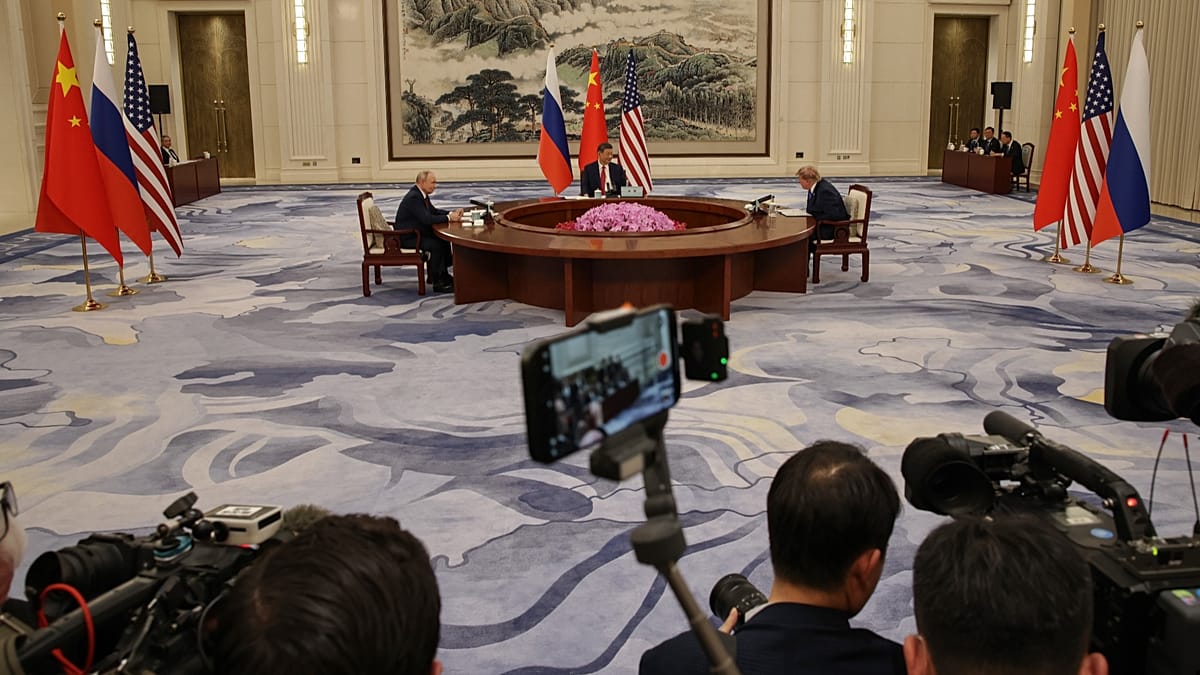
At the start of the summit, Putin said that Russia’s war in Ukraine would be part of the talks, stating that “we have shared interests in Ukraine.”
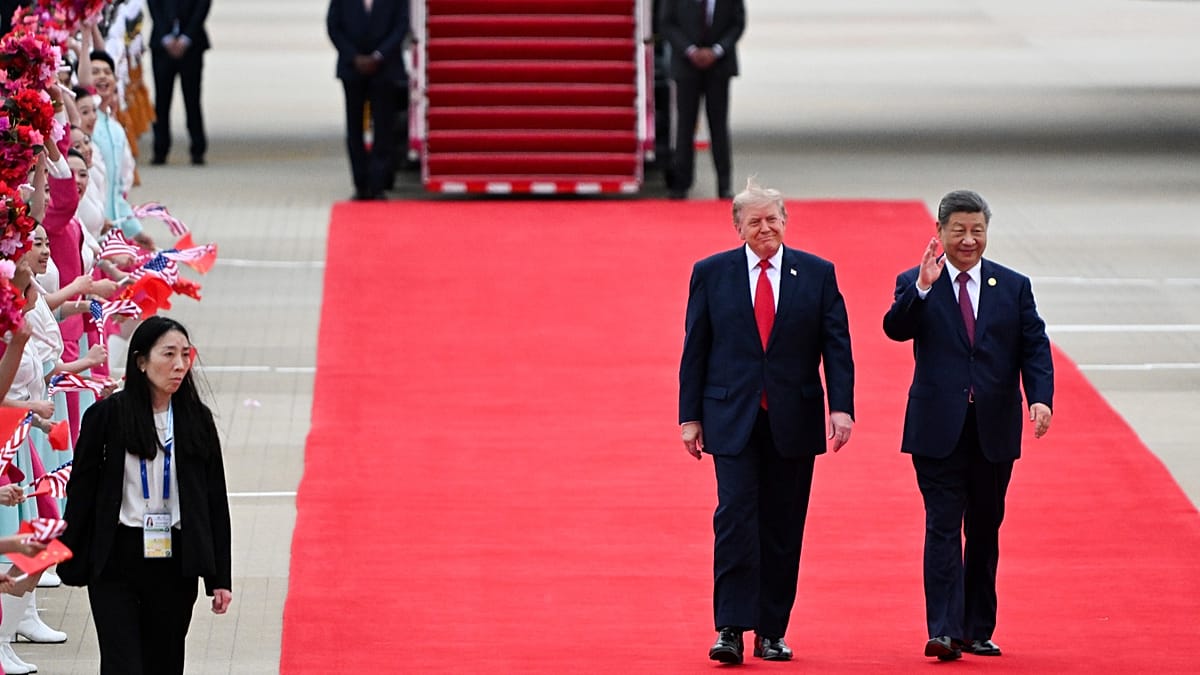
Chinese President Xi Jinping welcomed US President Donald Trump in Shenzhen on Wednesday for a high-stakes Asia-Pacific Economic Cooperation (APEC) summit, which will culminate on Thursday with a crucial trilateral encounter between Trump, Russia's Vladimir Putin and Xi — the first such summit between three global powers.
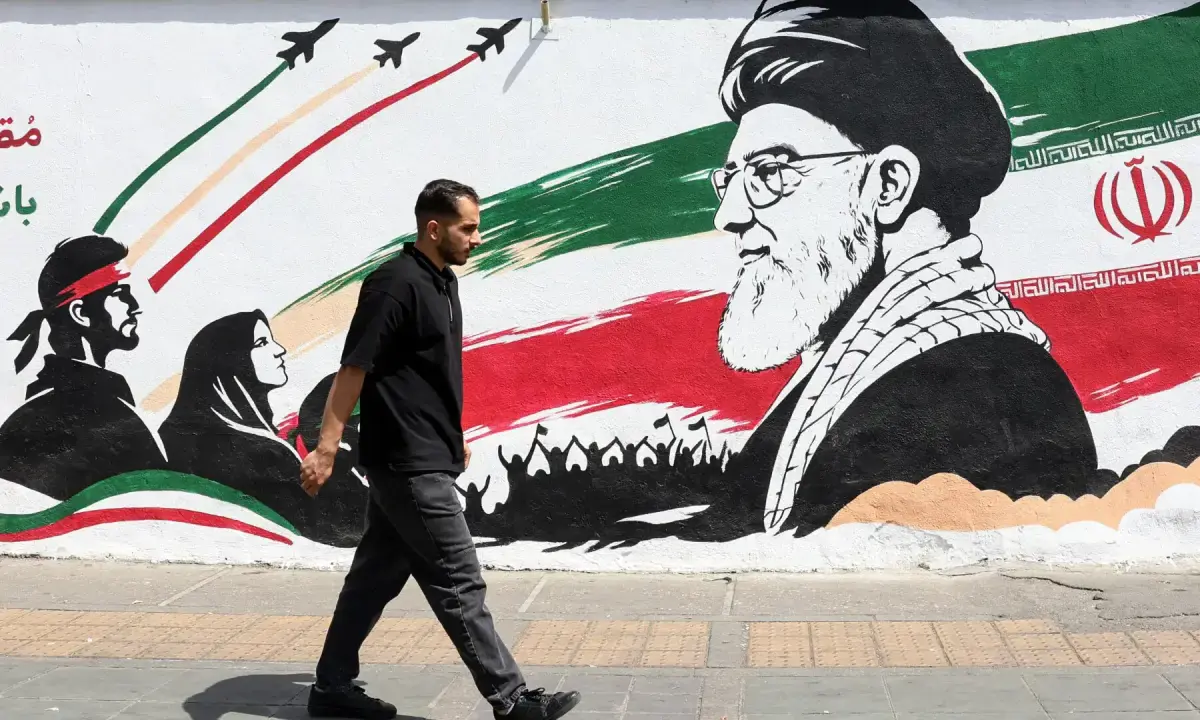
The Iranian regime has continued its threats against renewed US wide-scale attacks, with military officials telling Iranian Tabnak News on Sunday that "Iran's new offensive military doctrine means that the country will no longer be limited to calculated retaliation and will break the cycle of escalation," and threatening US bases in Europe too.
Both countries said that their agreement underlines their shared vision of a more secure and stable regional order, with Erdogan’s office stating that it will “add a new dimension to the brotherly ties between the two countries."
“They built a little bit of an anti-aircraft device and we knocked it out in about 15 minutes, maybe five," Trump said.
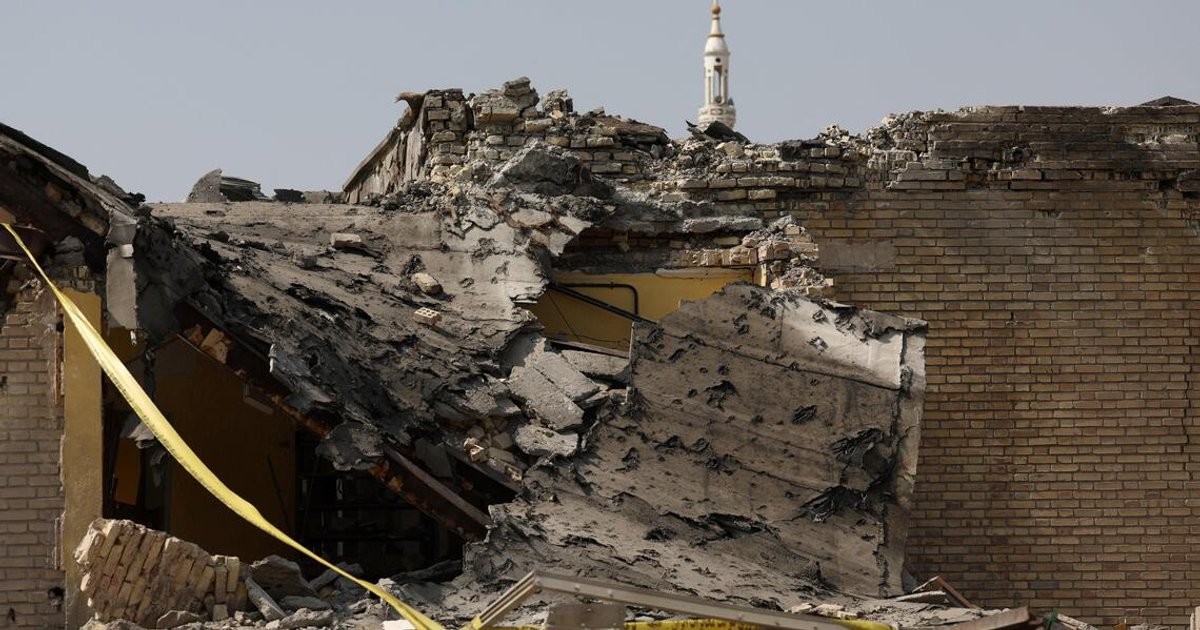
It comes as urgent diplomatic efforts continue to avoid a new all-out Iran war, which would have devastating consequences for the Middle East and beyond.
Against the backdrop of growing speculation over the last weeks that the US and Israel may launch a new attack against Iran before or after the mid-term elections in the US and next week’s elections in Israel, a new US Department of State travel alert issued on Wednesday evening was relayed by news agencies and wider media as an urgent signal as to the imminence of war restarting, with the Gulf nations bearing the brunt of a potentially larger conflict.
French President Emmanuel Macron issued a stern warning on Wednesday in Doha about the Gulf's fragile security situation, urging “extreme caution” to avoid escalating tensions that could reignite conflict, after talks with Qatar’s Emir Sheikh Tamim bin Hamad Al Thani.
Qatar will soon announce a new defence partnership, Deputy Prime Minister Sheikh Saoud bin Abdulrahman Al Thani said on Monday, while also calling for talks and closer economic ties with Iran to prevent further conflict.
“Iran and groups supportive of Iran may target other US interests overseas or at locations associated with the United States and Americans throughout the world, including US businesses and other institutions,” the alert said.
Also by Peter Barabas
Nothing else under this byline is closely related to this article, so these are simply their most recent.
All 22 articles by Peter Barabas →

Topics

Iran Israel Israeli Saudi Arabia The US Department of State

Subjects

Iran GPE · 12× Israel GPE · 6× Saudi Arabia GPE · 3× Department of State ORG · 2× Iranian NORP · 2× Israeli NORP · 2× Jordan GPE · 2× Qatar GPE · 2× Tehran GPE · 2× The US Department of State ORG · 2×

Narrative

Several news outlets reported that families of embassy staff in the United Arab Emirates, Jordan, Qatar, and Bahrain were also ordered to leave, quoting multiple diplomatic sources. US Department of State spokesperson Tommy Pigott said these reports were “inaccurate." “The US Department of State issued an ordered departure for non-emergency U.S. government employees and their family members in Saudi Arabia only,” as a result of the growing Houthi attacks, Pigott said in a post on X. The US Saudi warning follows a Middle East-wide red alert issued by Washington on Monday to US citizens in 12 countries across the Middle East, warning their citizens in Israel, Saudi Arabia, Iraq, Lebanon, Jordan, Qatar, Bahrain, Kuwait, Oman, the UAE, Yemen and Iran, citing risks of potential attacks on US interests.
framing: mixed · carried by 1 article(s) · first seen 2026-10-22
Against the backdrop of growing speculation over the last weeks that the US and Israel may launch a new attack against Iran before or after the mid-term elections in the US and next week’s elections in Israel, a new US Department of State travel alert issued on Wednesday evening was relayed by news agencies and wider media as an urgent signal as to the imminence of war restarting, with the Gulf nations bearing the brunt of a potentially larger conflict.

Claims (28 extracted, 7 hedged)

The volatility around the Israeli and US midterm elections is fueling fears of renewed US-Israeli strikes on Iran in a short and intensive military campaign to push Tehran into concessions, with Iran vowing a devastating response against the Gulf nations. asserted
Iran → fuel → nations
The Gulf countries and the wider Middle East are bracing for a possible resumption of hostilities in the Iran war amid multiple simultaneous warnings and media reports of increasing intensity and detail, coupled with a massive US military build-up in the Gulf and Israeli and Iranian armies placed on high alert, raising fears of an imminent escalation with devastating consequences for the region. asserted
armies → brace → region
Against the backdrop of growing speculation over the last weeks that the US and Israel may launch a new attack against Iran before or after the mid-term elections in the US and next week’s elections in Israel, a new US Department of State travel alert issued on Wednesday evening was relayed by news agencies and wider media as an urgent signal as to the imminence of war restarting, with the Gulf nations bearing the brunt of a potentially larger conflict. uncertain
nations → grow → conflict
The US Department of State announced that it ordered non-essential US government employees and their families to leave Saudi Arabia as “the hostilities have the potential to escalate rapidly beyond that immediate area.” asserted
hostilities → announce → area
Several news outlets reported that families of embassy staff in the United Arab Emirates, Jordan, Qatar, and Bahrain were also ordered to leave, quoting multiple diplomatic sources. US Department of State spokesperson Tommy Pigott said these reports were “inaccurate." “The US Department of State issued an ordered departure for non-emergency U.S. government employees and their family members in Saudi Arabia only,” as a result of the growing Houthi attacks, Pigott said in a post on X. The US Saudi warning follows a Middle East-wide red alert issued by Washington on Monday to US citizens in 12 countries across the Middle East, warning their citizens in Israel, Saudi Arabia, Iraq, Lebanon, Jordan, Qatar, Bahrain, Kuwait, Oman, the UAE, Yemen and Iran, citing risks of potential attacks on US interests. asserted
warning → report → interests
With days before Israel’s close elections in which prime minister Benjamin Netanyahu could lose power, and ahead of next month’s US midterm elections in which war-linked high prices have sparked voter anger, there are growing concerns and speculations that US-Israeli attacks on Iran could resume. uncertain
attacks → lose → Iran
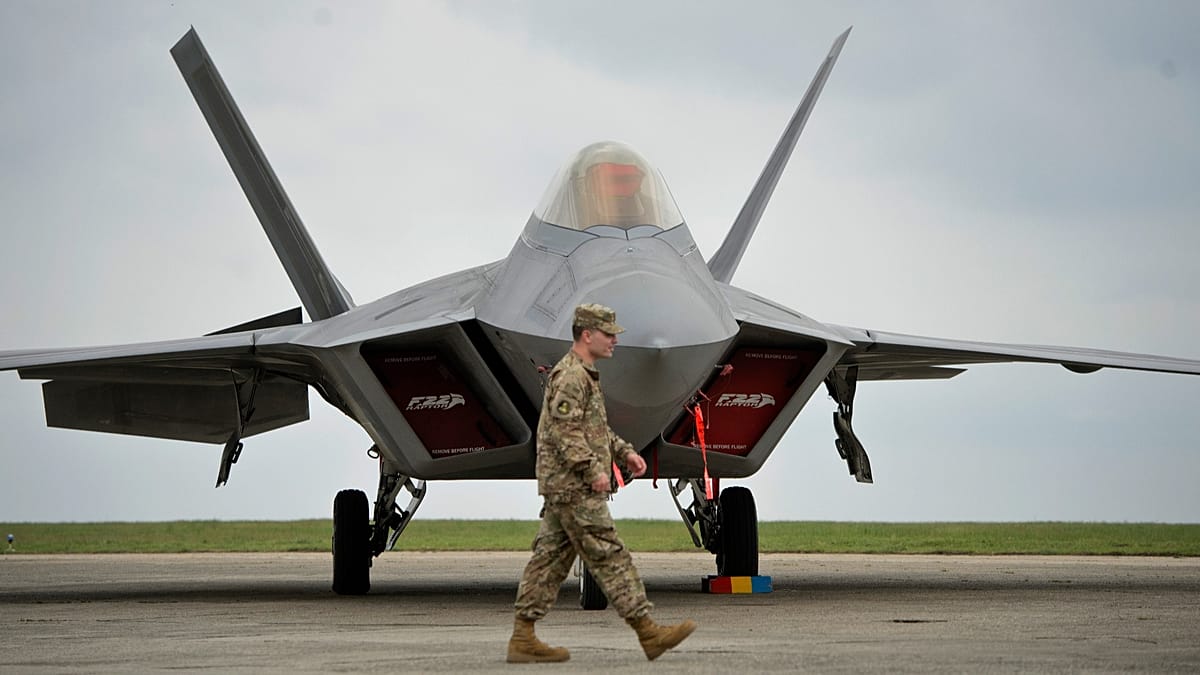
The US has been rebuilding a massive strike force in the Gulf by sending more military assets to the region, including a third aircraft carrier and thousands of troops, to join the largest US naval and air force in the Middle East since the invasion of Iraq in 2003. asserted
US → rebuild → 2003
Iran has been warning for weeks that it has reorganised its defence capabilities and that any attack would be matched with what they called a devastating response against US interests and civilian infrastructure across the region, which would be far worse than their previous attacks on the Gulf nations and longer in time too. asserted
which → warn → time
Iranian officials and the Islamic Revolutionary Guard Corps (IRGC) are preparing for war, having declared their “100% certainty” that the US and Israel will attack them again. asserted
US → prepare → them
According to reports in Iran, Tehran activated its so-called Mosaic Defence doctrine by which Iran would operate in a decentralised way, by giving local commanders a list of targets to keep fighting even if the central command is destroyed. uncertain
command → accord → targets
In parallel with the US Department of State alert on Wednesday, the New York Times and other media reported that the US and Israel have developed specific plans for new strikes on Iran after the US midterm elections. asserted
US → report → elections
US President Donald Trump declared recently that any considerations for a new attack on Iran would be made after the US midterm elections. asserted
considerations → declare → elections
According to the New York Times report, which quoted US officials, targets would likely include Iran’s energy infrastructure, nuclear facilities, and arsenals of missiles and drones, with the objective of pushing Iran into a deal to end the war and reopen the Strait of Hormuz. uncertain
targets → accord → Hormuz
US Secretary of Defence Pete Hegseth met Israeli Prime Minister Benjamin Netanyahu earlier this week on an unannounced trip in Israel to discuss “the threats in the region.” asserted
Hegseth → meet → region
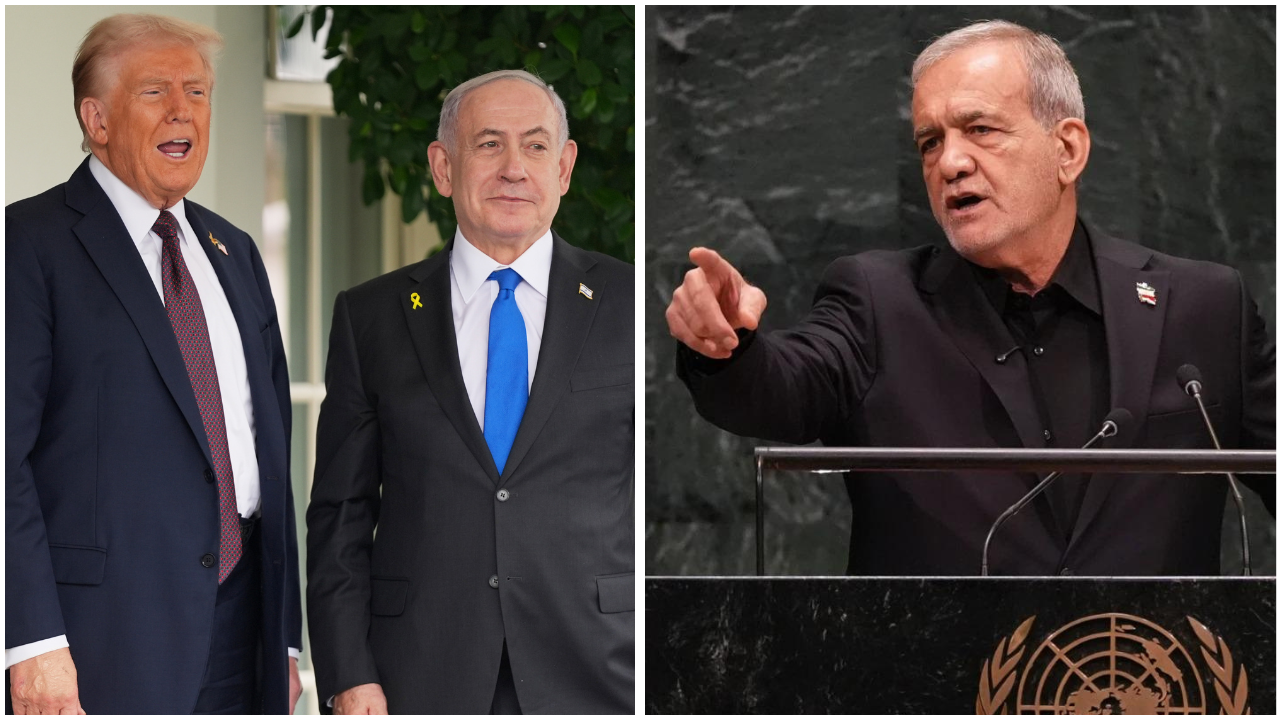
Speaking at an IDF officer graduation ceremony on Wednesday night, Netanyahu said that the Tehran regime has to be finally overthrown. asserted
regime → speak → night
The Israeli premier justified this by stating that Iran's Ayatollah Mojtaba Khamenei "decided to follow in his father's footsteps (to attempt) once again to develop the bombs of death."’ asserted
Khamenei → justify → death
The younger Khamenei, who has been selected as the new supreme leader following his father Ali Khamenei's killing in the US-Israeli strikes on Tehran in the opening salvo of the war on 28 February, is yet to be seen in public amid continued reports questioning his health condition. asserted
who → select → condition
Earlier this week, US media reported that dozens of Israeli fighter jets and refuelling aircraft reportedly flew towards the Iranian border before turning back, calling the sorties a military exercise and a "show of force," according to the Times of Israel newspaper. uncertain
dozens → report → newspaper
According to media reports, US officials have questioned Israel's fighter jet deployment, believing the purpose of the exercise was to test Iranian air defence units and provoke them to open fire. In parallel, Israeli media reported that Israeli security officials warned the government that an attack on Iran could be perceived as political interference in the election next week. uncertain
attack → accord → election
Israel’s opposition leader Yair Lapid told the Israeli media that “based on the information available to me, there is absolutely no reason to attack Iran or anywhere else before the elections.” asserted
leader → tell → elections
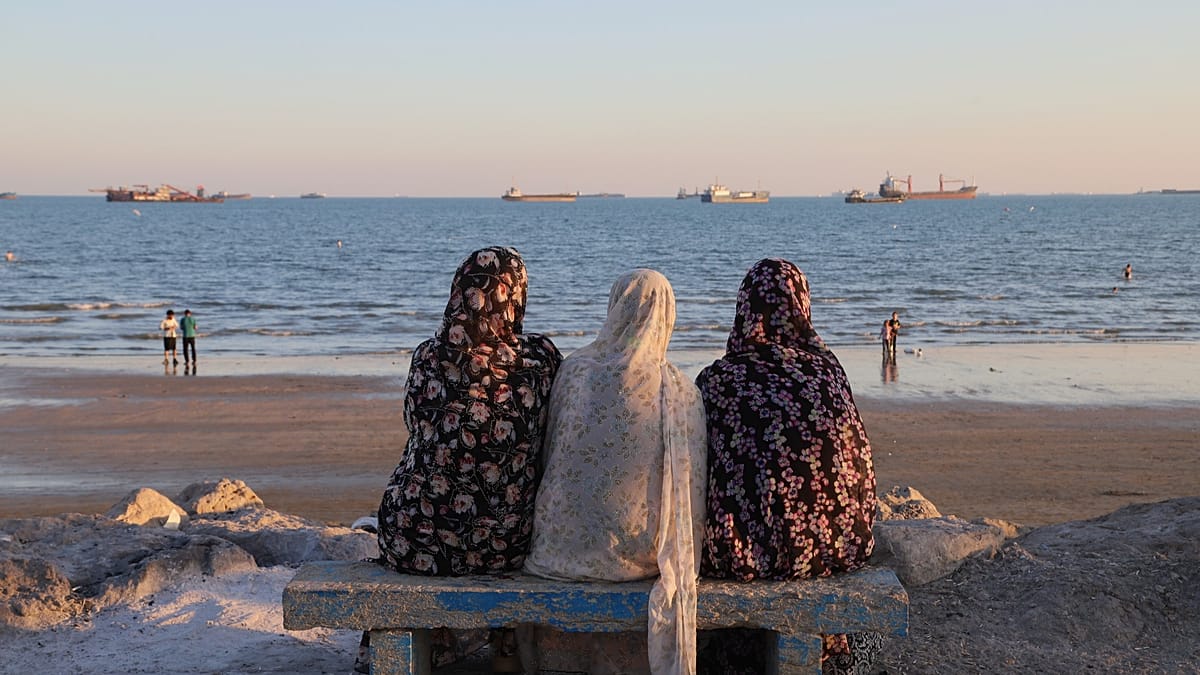
Calls for extreme caution amid uncertainty Meanwhile on Thursday, seven oil tankers caught fire or were damaged in the Strait of Hormuz after being hit by Iran or striking naval mines, Tehran said, a markedly high number as tensions wind upward over concerns about a return to all-out war. asserted
tensions → catch → war
Iran still asserts control over the waterway, a central point of leverage in any talks with the US over the war. asserted
Iran → assert → war
During his state visit to Qatar, French President Emmanuel Macron issued a stern warning on Wednesday about the Gulf's fragile security situation, urging “extreme caution” to avoid escalating tensions that could reignite conflict, after talks with Qatar’s Emir Sheikh Tamim bin Hamad Al Thani. uncertain
that → issue → Emir
Macron told the media that he was “very cautious because no one can tell how the situation will evolve in the next days and weeks." "No one can ignore that we are in a period that despite everything can lead to tensions: elections in Israel, the midterm elections in the United States, and so during this time efforts and initiatives must be doubled to avoid that these tensions don’t result in a resumption of conflict,” the French president explained. asserted
president → tell → conflict
"There is a lot of uncertainty and measures taken by one side and the other that I would not comment on." asserted
I → be → that
Nevertheless, the US-Iran exchanges continue through international mediators, with Qatar and Pakistan leading the efforts to find a diplomatic breakthrough. asserted
Qatar → continue → breakthrough
The US has previously applied pressure and threats on Iran to push for concessions and reach a deal. asserted
US → apply → deal
A return to all-out war would again endanger civilians throughout the region and complicate global deliveries of oil, natural gas and related products like fertiliser from the region and likely bring another spike in energy prices around the world. asserted
return → endanger → world

Give feedback · no sign-in needed

No sign-in needed for now. Your note is sent without a name, so it cannot be answered.

History Support