The Aporia

AFP. (2026, September 15). U.S. set to axe climate pollution limits for power plants: reports. The Hindu. https://www.thehindu.com/news/international/us-set-to-axe-climate-pollution-limits-for-power-plants-reports/article71465576.ece
AFP. “U.S. set to axe climate pollution limits for power plants: reports.” The Hindu, 15 Sept. 2026, https://www.thehindu.com/news/international/us-set-to-axe-climate-pollution-limits-for-power-plants-reports/article71465576.ece.
AFP. “U.S. set to axe climate pollution limits for power plants: reports.” The Hindu, September 15, 2026. https://www.thehindu.com/news/international/us-set-to-axe-climate-pollution-limits-for-power-plants-reports/article71465576.ece.
Dated when The Aporia collected the article, usually within hours of publication. Check the original for its exact date and byline.
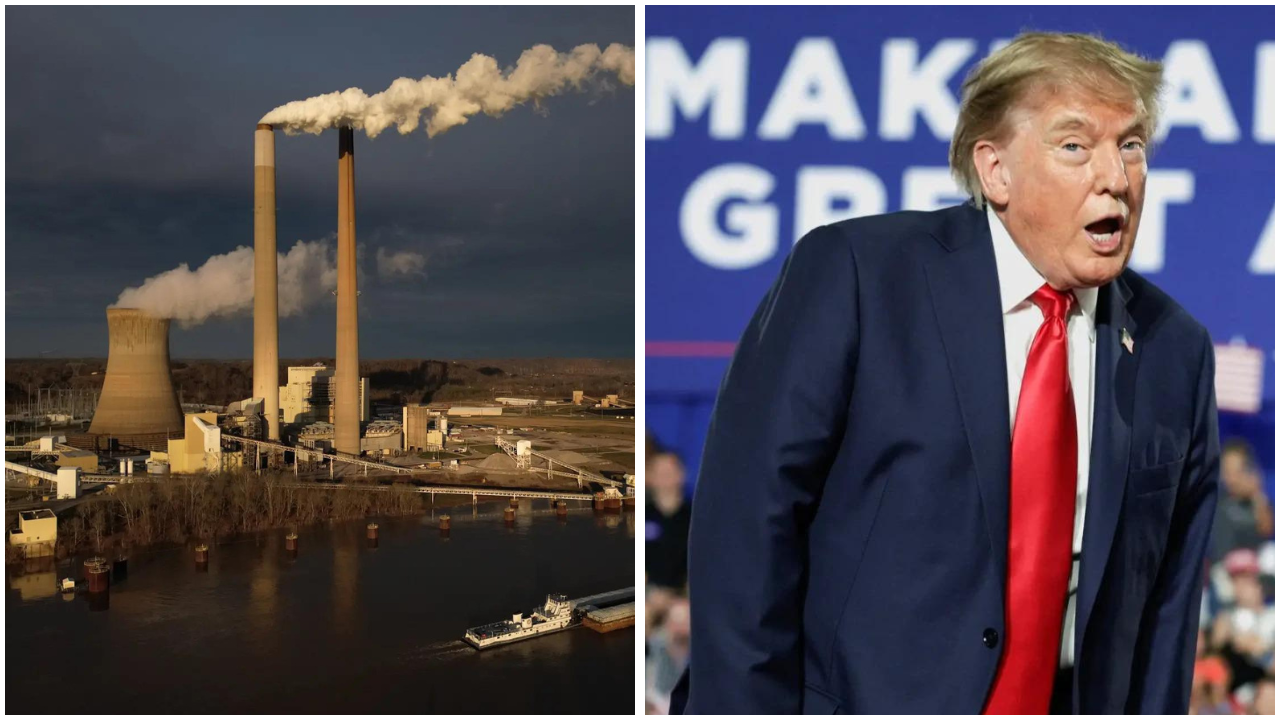
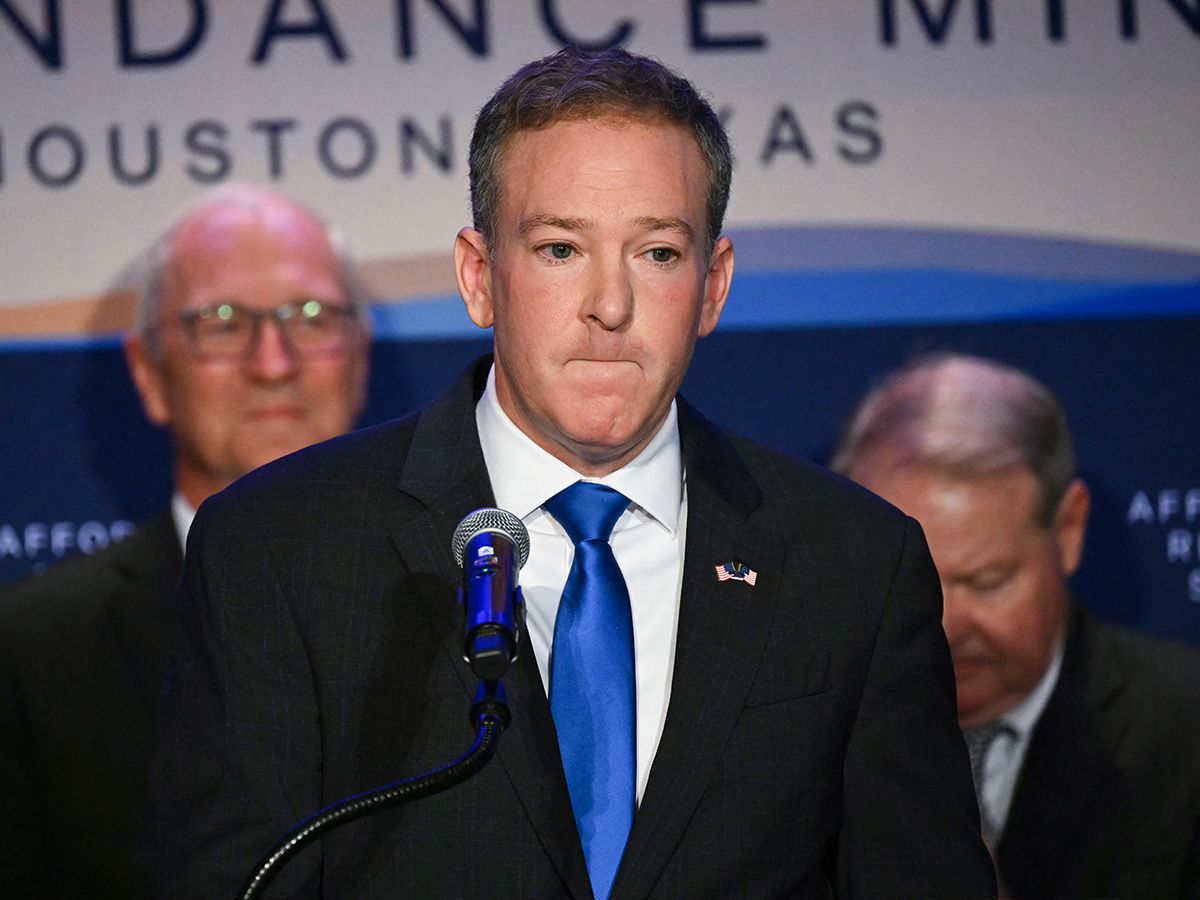
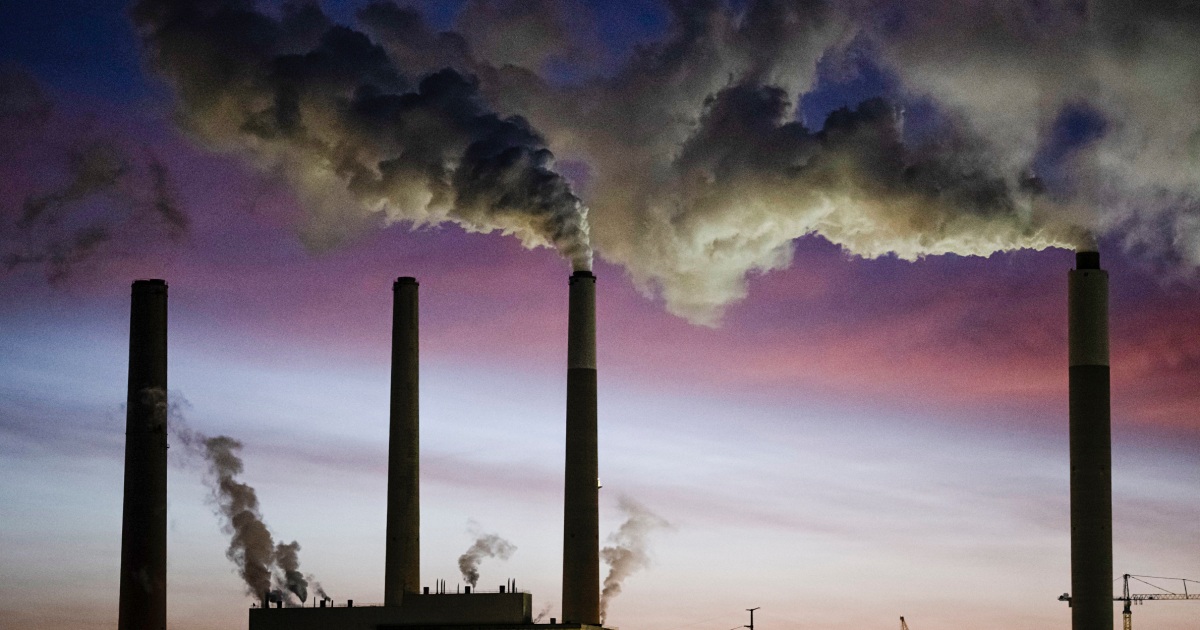
The Environmental Protection Agency (EPA) under Administrator Lee Zeldin is set to repeal rules limiting greenhouse gas emissions from coal and natural gas power plants. This move, expected to be announced as soon as Monday during a G20 energy ministers' meeting in Houston, represents a significant rollback of climate policies established by former Presidents Barack Obama and Joe Biden. The EPA claims the change will remove billions of dollars in costs for the industry and help "unleash" American energy. However, environmental groups argue that it could add up to 5.8 billion metric tons of carbon dioxide emissions by 2050, triggering hundreds of billions in health damages from pollution-driven disease and premature deaths. The EPA's action is part of a broader series of steps to roll back regulatory protections, including dismantling rules on vehicle emissions and air toxics from power plants. Environmentalists are expected to challenge the decision legally. California, which has already phased out coal and implemented its own regulations for natural gas plants, remains particularly vulnerable to these changes. The EPA estimates that the rollback will eliminate more than $300 billion in costs for power plants. Critics argue this move undermines efforts to address climate change and protect public health. Environmental groups have vowed to sue over the decision, calling it a "dark day" for policies protecting people from climate change impacts. This repeal is seen as a significant gift to the fossil fuel industry but faces strong opposition from environmental advocates who warn of severe consequences for air quality and public health.