Chances are you woke this morning to news of two momentous election results.
asserted
you → wake → results
In Serbia, a student-led movement has ousted the country’s long-serving leader, Aleksandar Vučić (which you can read more about here).
asserted
you → lead → more
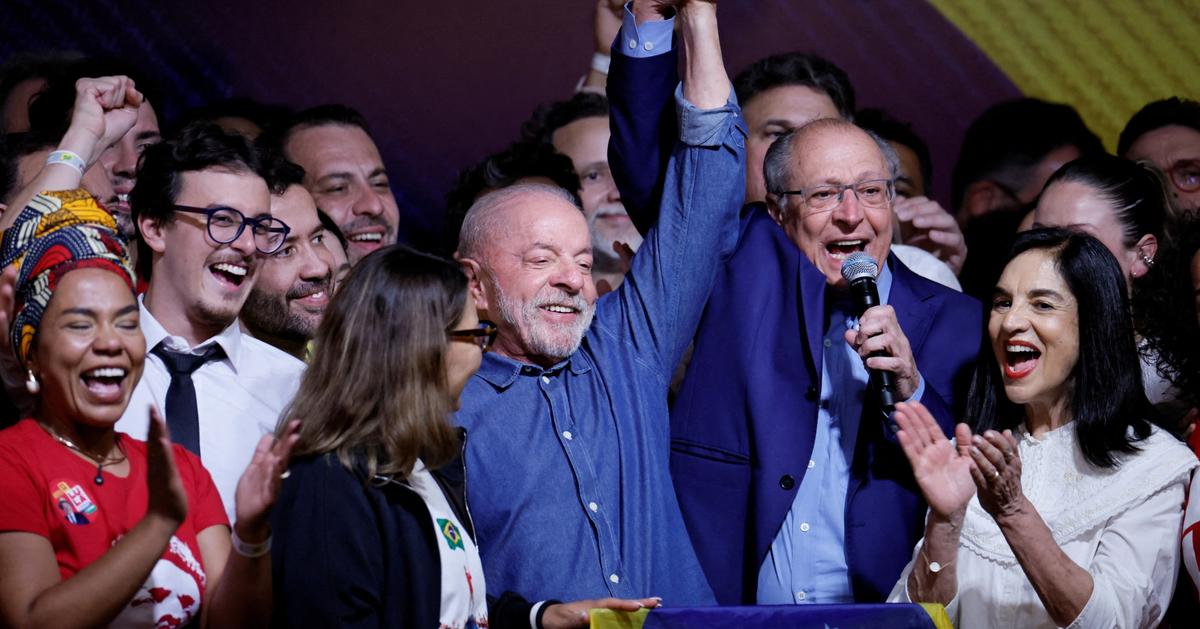
And just hours ago, Brazil’s president staged a sensational turnaround against his far-right opponent after a nail-biting vote.
asserted
president → stag → vote
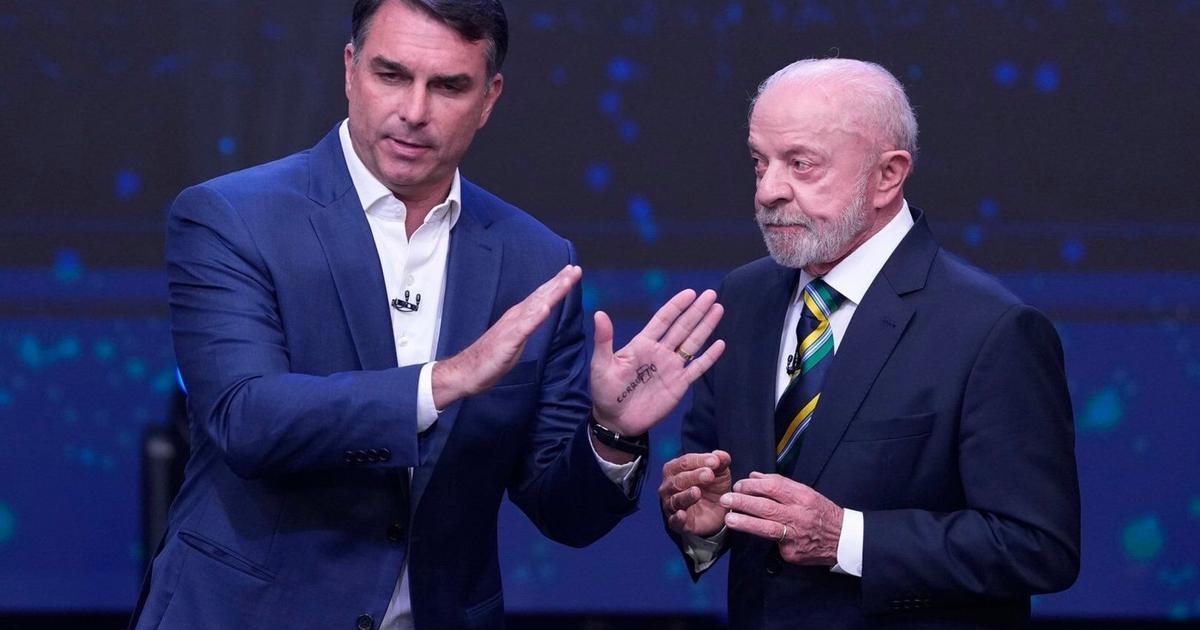
Luiz Inácio Lula da Silva, known as Lula, won a forth nonconsecutive term as president, seeing off far-right senator Flávio Bolsonaro, who spearheaded the radical populist movement built by his father and former president, Jair.
asserted
who → know → father
Jair Bolsonaro is serving a 27-year prison sentence for plotting a coup after he lost the 2022 election.
asserted
he → serve → election
After Bolsonaro’s surprise first-round victory earlier this month, the Workers’ party incumbent Lula pulled off a historic fightback – a consolidation of the democratic resurgence the country has enjoyed since he took office – and an early birthday present for the veteran leftist, who turns 81 on Tuesday.
asserted
who → pull → Tuesday
But with Bolsonaro refusing to accept the result, the victory is a tense one.
asserted
victory → refuse → result
I spoke to the Guardian’s Latin America correspondent Tom Phillips, who was in São Paulo at the Workers’ party vote count, to find out what the result means and what may lie ahead.
uncertain
what → speak → what
Two people have been killed and more than 160,000 properties have been left without power as Storm Boelo continues to batter the UK.
asserted
Boelo → kill → UK
British police are recording a growing number of crimes linked to cocaine, including assaults, domestic abuse and dangerous driving, as figures show consumption has surged across England.
asserted
consumption → record → England
Hundreds of thousands marched in cities across France on Saturday in largely peaceful protests to support schoolchildren’s demands for more teachers and repairs to dilapidated buildings, as Emmanuel Macron faces a social and political crisis in his final months as president.
asserted
Macron → march → president
Prime minister Andy Burnham’s call for the UK to consider a return to free movement with Europe has been backed by senior cabinet ministers including Angela Rayner but risks causing concern among fellow red wall MPs.
asserted
UK → consider → MPs
Three in four European airline pilots have taken microsleeps in the cockpit, while almost a quarter routinely fly despite being too fatigued to work, according to a report.
uncertain
quarter → take → report
When the results were declared just after midnight UK time, the choice of Brazil’s 159 million voters was narrow, but clear.
asserted
choice → declare → voters
The 80-year-old leftist received 51.79% of the vote to his rival’s 48.21% – about 4.3m votes – in what Lula called “a defeat for denialism”.
asserted
Lula → receive → denialism
A visibly angry Bolsonaro has already refused to concede, citing a decision to extend voting for an extra two hours – although both sides had called for it, for different reasons.
asserted
sides → refuse → reasons
The outcome was an unprecedented turnaround after a populist surge in first-round voting at the beginning of the month left Brazil’s progressives reeling.
asserted
surge → leave → progressives
In those early October elections, Flávio Bolsonaro received 56.1m votes to Lula’s 53.8m – 47.03% to 45.16% – putting the 45-year-old scion of the authoritarian clan in pole position: not once, since the return of democracy to Brazil in 1985, has the first-round runner-up managed to turn the game around and win the second ballot.
asserted
up → receive → ballot
In the intervening weeks, the polls tightened dramatically, putting Bolsonaro ahead by only fractions of a percentage point.
“This is the crescendo of an incredible, if sometimes controversial, 50-year political career,” Tom says.
asserted
Tom → intervene → career
I can hear crowds of Lula supporters cheering in the background as we speak, and fireworks exploding.
asserted
fireworks → hear → background
“It saw Lula go from rural poverty to union leader to the first elected working-class leader of Brazil, who has helped millions of people escape poverty and rode a commodities boom in his first two terms”.
asserted
millions → see → terms
For Brazil, a Lula win represents stability and the assurance that the country’s democratic future is secure, at least in the short term.
asserted
future → represent → term
“Over the past four years, Lula has reduced deforestation in the Amazon by more than 70%.
asserted
Lula → reduce → %
He’s come to the help of the Indigenous people who live there.
asserted
who → come → people
He’s cracked down on illegal mining,” Tom tells me.
asserted
Tom → crack → me
“It’s very positive news is that all this will continue.
asserted
this → continue → ?
How did Lula turn things around?
asserted
Lula → turn → things
“Bolsonarismo is a far-right movement … that has put down deep roots in Brazilian society,” Bernardo Mello Franco, a political columnist for the Rio broadsheet O Globo, told Tom earlier this month, pointing to a series of societal shifts have contributed to this.
asserted
series → put → this
Evangelical Christianity has expanded across Brazil in recent decades, with church leaders throwing their support behind the socially conservative policies favoured by Bolsanaro Sr and Jr.
Pro-gun Flavio Bolsonaro harnessed voter frustration at chronic levels of urban crime and violence.
asserted
Bolsonaro → expand → crime
Despite being embedded in Brazilian politics for decades, he successfully portrayed himself as an anti-establishment outsider, using social media far more effectively than his rival.
asserted
he → embed → rival
And others believe he had significant help: a dozen watchdogs and research groups have published reports alleging that Meta may have favoured the senator’s campaign.
uncertain
Meta → believe → campaign
The controversy grew after Brazils’ electoral court ordered Meta not to give the candidates “unequal treatment”, while the company called the allegations “false and unfounded”.
asserted
company → grow → allegations
Progressives were galvanised after the first-round results revealed a record abstention rate of 21%, more common among Lula-supporting groups such as lower-income voters, and their focus sharpened on mobilisation.
asserted
focus → galvanise → mobilisation
Millions joined a WhatsApp channel called “Lula’s army”, which sent out daily instructions on how to make supportive content go viral.
asserted
content → join → instructions
The 80-year-old incumbent, who only took ownership of his first smartphone in recent days, started posting to Instagram and TikTok.
asserted
who → take → Instagram
For the first time, the president’s digital reach overtook that of Bolsonaro.
asserted
reach → overtake → Bolsonaro
Meanwhile, the Bolsonaro campaign was hit by a succession of scandals.
asserted
campaign → hit → scandals
In a revelation that made the UK’s partygate seem tame by comparison, last week the Brazilian magazine Piauí claimed that at the height of the 2020 coronavirus outbreak, Flávio Bolsonaro attended a boat party along with sex workers and vaccine lobbyists hoping to cut deals with his father’s government.
asserted
Bolsonaro → make → government
Amid speculation that a comeback might be possible, at a million-strong rally on Copacabana beach in Rio on Saturday, activists unfurled an enormous yellow and green banner declaring: “We are going to turn this around!”
uncertain
We → unfurl → this
And so he did.
asserted
he → do → ?
…and 51 more, not listed.
 The Aporia