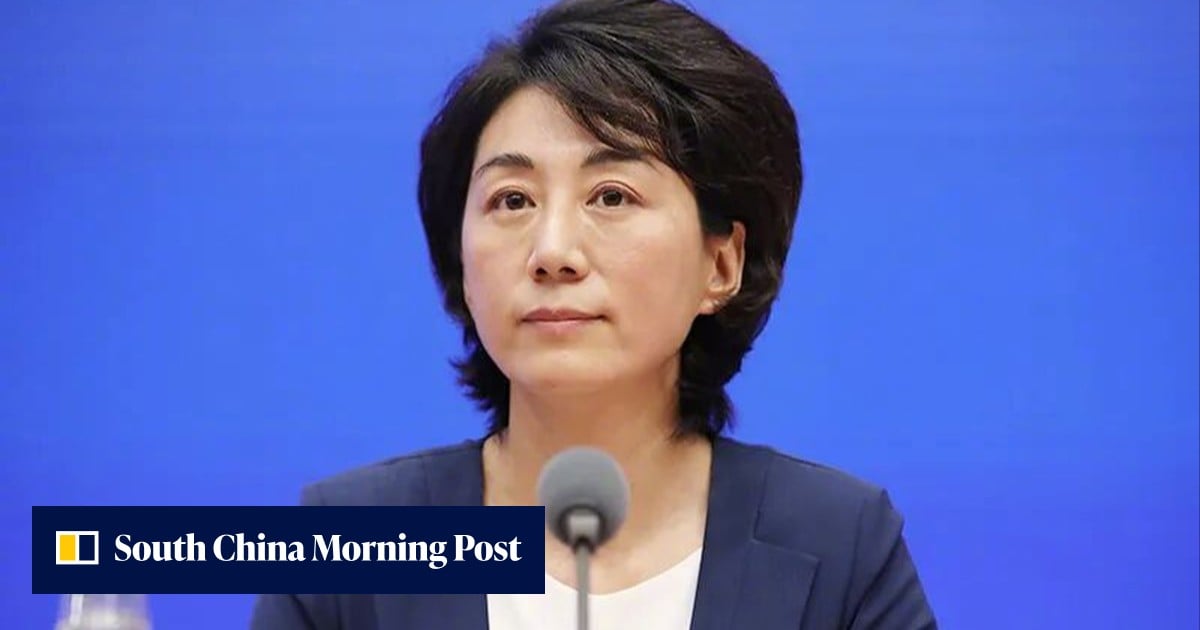
Photo via South China Morning Post

Win for Lula boosts China’s foothold and gives Brazil rare earths leverage

Read the original at South China Morning Post ↗
Cite

Jiaxuan, C. (2026, October 26). Win for Lula boosts China’s foothold and gives Brazil rare earths leverage. South China Morning Post. https://www.scmp.com/news/china/diplomacy/article/3372207/win-lula-boosts-chinas-foothold-and-gives-brazil-rare-earths-leverage

Dated from the outlet's own feed. Check the original for its byline.

South China Morning Post · collected 2026-10-26 · by Cao Jiaxuan

Quick Summary

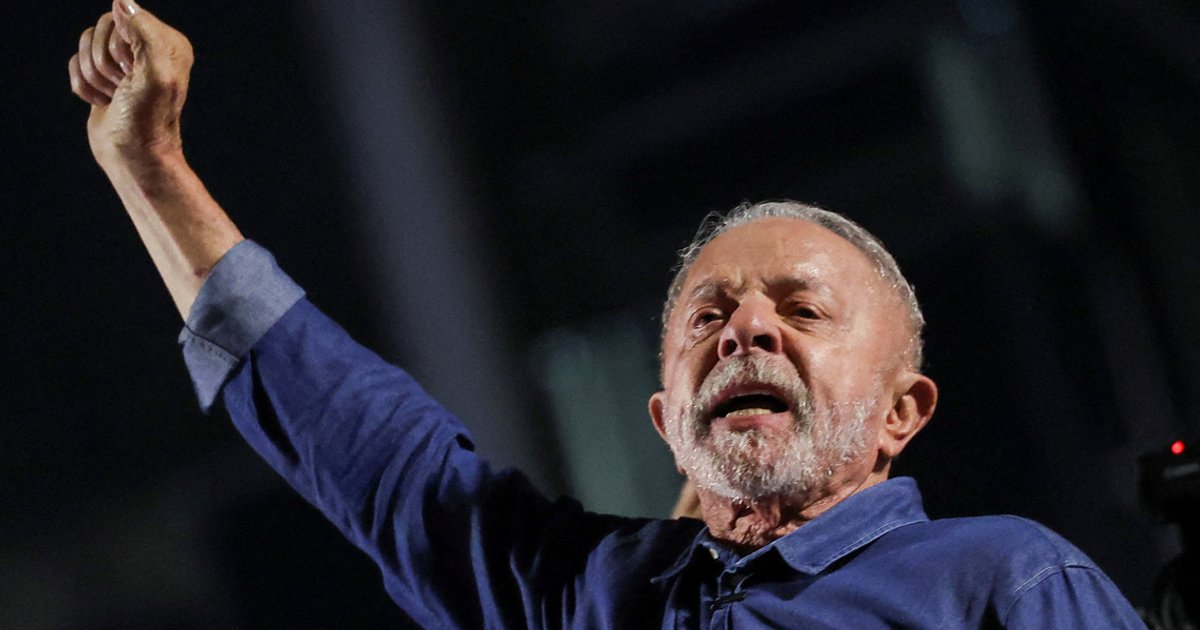
Luiz Inacio Lula da Silva won Brazil's presidential election for an unprecedented fourth term, securing 51.8% of the vote against Flavio Bolsonaro in the runoff. Despite his narrow victory, Lula's win has been met with approval from China, which congratulated him and expressed readiness to strengthen bilateral ties. Beijing sees this as an opportunity to enhance its influence in Brazil.
Written by AI on 2026-10-26, from this article's own text only (the story summary below draws on all the coverage).

AI analysis

Story summary

On October 25, 2026, Luiz Inácio Lula da Silva secured a decisive victory over his right-wing challenger Flávio Bolsonaro in Brazil's presidential runoff election by more than 4 million votes. The election marked Lula’s fourth term as president, despite losing the initial round of voting on October 4. This outcome is seen as a significant triumph for left-leaning governance and democracy advocates globally, while also posing challenges to efforts aimed at isolating Cuba under President Donald Trump's administration. Lula's win could strengthen ties with Havana and complicate transitions towards more pro-American governments in Latin America.

Written for “Lula Wins Brazilian Election” on 2026-11-03, grounded in this article and the 54 other(s) covering the same event.

Story

📰 Lula Wins Brazilian Election
Politics · 55 article(s) covering the same event. Compare every outlet's account →

Compared with similar articles

This article reads leans left and hedges 0% of its claims. Each row says how that neighbour differs.
BBC News
⚖️ Leans left Hedges 1 of 26 claims Outlet record 68/100
Toronto Star
⚖️ Leans left Hedges 1 of 30 claims Outlet record 64/100
Dawn
Hedges 1 of 29 claims Outlet record 72/100
Toronto Star
⚖️ Leans strongly left further left than this Hedges 0 of 4 claims Outlet record 64/100
The Guardian
⚖️ Leans left Hedges 9 of 91 claims Outlet record 66/100
Al Jazeera
⚖️ Leans left Hedges 5 of 50 claims Outlet record 60/100
Global News
⚖️ Leans left Hedges 8 of 48 claims Outlet record 63/100
Semafor
⚖️ Leans left Hedges 0 of 7 claims Outlet record 59/100
The Straits Times
Hedges 2 of 19 claims Outlet record 66/100
The Guardian
Hedges 2 of 40 claims Outlet record 66/100
How this article was measured signals, leaning charts, publisher record, byline, topics and claims

Signals How these are calculated →

Claims extracted
3
sentences that state something as happening or true
Uncertain
0%
0 of 3 hedged ("reportedly", "may", "according to")
Leaning
Leans left
of the writing, not the subject · beta estimate
Publisher signals
62/100
South China Morning Post's corrections and hedging, across everything collected from it. Not a measure of accuracy.
Outlets on this story
55
Politics
Same framing elsewhere
1
articles that frame the event the way this one does
Analyzed 2026-10-26 · how these are computed

How this is being covered How these are calculated →

Article leaning vs. publisher reliability
Source leaning vs. consistency

Publisher

South China Morning Post · 3664 article(s) · 8 correction(s) detected
Running correction rate · 8 correction(s)

Who wrote this

Cao Jiaxuan
19 article(s) here · 0 carrying a prediction
🔮 China nominates Song Li for WHO chief as agency faces funding shake-up from US exit If elected, she would be the first mainland Chinese director general of the United Nations health agency If elected, Song would be the first person from mainland China to head the United Nations health agency.
🔮 US wraps up military mission in Iraq, giving Baghdad room to strengthen China ties Analysts say Beijing will pursue energy and commercial deals after American withdrawal but will not seek to fill a security role But they cautioned that the shift was unlikely to create a power vacuum for Beijing to fill, with China lacking both the ambition and capacity to take on the US security role. The mission, launched in 2014 to fight Islamic State, has been replaced by an Iraqi-led security effort, while Washington has said it will continue targeted training and intelligence support.
🔮 “Today’s Xinjiang enjoys social stability, economic prosperity, ethnic unity and religious harmony,” Guo said, adding that China would provide more opportunities for foreign businesses to invest and operate in the country.
🔮 Observers say a meeting between the three leaders in Shenzhen is possible but would rest on some groundwork A meeting next month between the leaders of the world’s three biggest nuclear powers is possible but hinges on the three sides finding common ground and setting realistic expectations about outcomes, according to analysts. US President Donald Trump is also expected to attend the forum, which will be Putin’s first since 2017.
🔮 The new US-Denmark-Greenland security agreement could narrow China’s room to engage in the Arctic – particularly in resource-rich Greenland – and potentially push Beijing closer to Russia, Chinese experts on the matter said.
🔮 Houthi attacks on Saudi Arabia test limits of Mecca regional security pact Turkey and Pakistan are unlikely to intervene despite the deal’s terms, which could hobble its deterrent effect, analysts say Just a month after Saudi Arabia signed a regional mutual defence deal with Pakistan and Turkey, attacks by Yemen’s Houthis against the kingdom’s energy infrastructure and military sites are testing the pact’s limits.
🔮 How Peng Liyuan and Melania Trump opened a parallel track in US-China diplomacy First ladies’ cultural outings and apparently warm conversations a ‘clear signal’ on willingness to advance understanding, analyst says The pair charted a parallel path of soft power diplomacy – sharing conversations, cultural outings and moments of apparent warmth during a visit otherwise shadowed by trade tensions, and artificial intelligence and other strategic issues.
🔮 BreakingChinese President Xi Jinping will pay state visit to US this week, Beijing confirms Rare airport welcome by Donald Trump will precede talks on trade, tech and other areas of friction during second in-person summit of 2026 3-MIN READ3-MIN Listen
🔮 Citing Section 53 of Germany’s Residence Act, the letter said that for applications involving “study, research and similar employment”, particular attention had to be paid to the possibility that knowledge acquired in Germany could be misused in ways that harmed protected legal interests or other significant German interests.
🔮 Advertisement Brics leaders act to hedge – not revolt – against US dollar dominance As New Delhi summit closes, the bloc pushes for a louder voice within global institutions while building parallel machinery, analysts say 4-MIN READ4-MIN Listen The family photograph did the political work the summit’s final declaration could not. Chinese President Xi Jinping, Russian leader Vladimir Putin, Iranian President Masoud Pezeshkian and Indian Prime Minister Narendra Modi stood shoulder to shoulder as the Brics summit closed in New Delhi on Sunday – a single frame capturing an 11-nation bloc that now spans four continents and nearly half the world’s population. UN Secretary General Antonio Guterres attended the gathering of emerging economies alongside World Trade Organization Director General Ngozi Okonjo-Iweala, World Health Organization chief Tedros Adhanom Ghebreyesus, New Development Bank president Dilma Rousseff and Asian Infrastructure Investment Bank president Zou Jiayi. Select Voice Select Speed 1x AI-generated voice
Also by Cao Jiaxuan
Nothing else under this byline is closely related to this article, so these are simply their most recent.

All 19 articles by Cao Jiaxuan →

Topics

Beijing Brazil China

Subjects

China GPE · 3× Lula PERSON · 3× Brazil GPE · 2× Flavio Bolsonaro PERSON · 2× Trump PERSON · 2× Beijing GPE · 1× Guo Jiakun PERSON · 1× Jair Bolsonaro PERSON · 1× Luiz Inacio Lula da Silva PERSON · 1×

Narrative

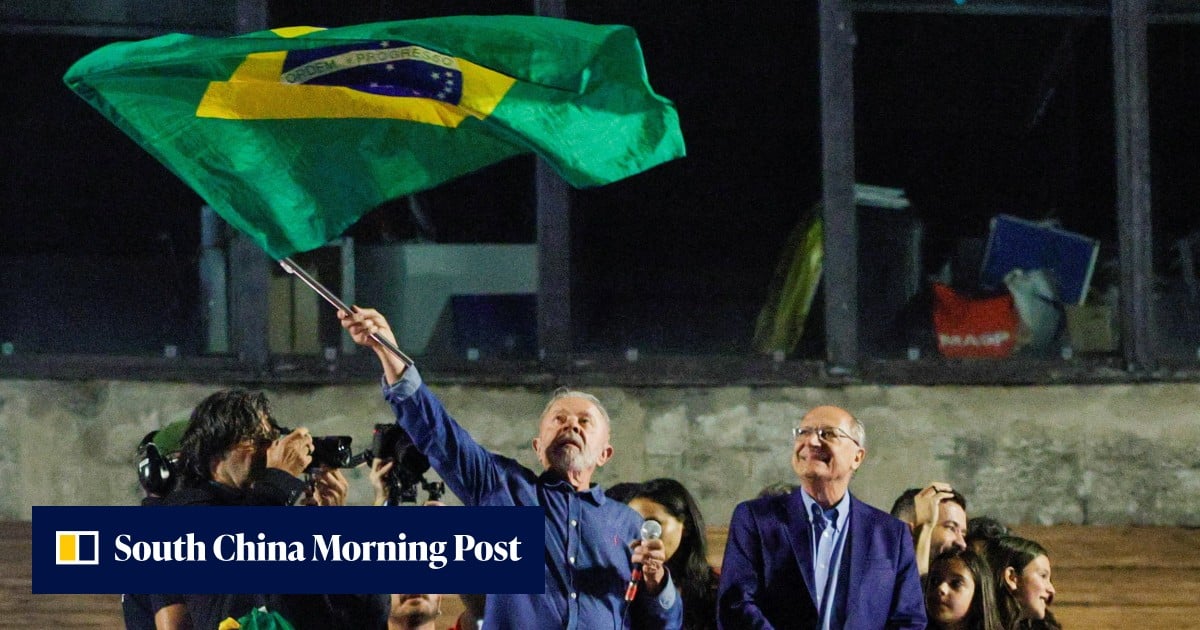
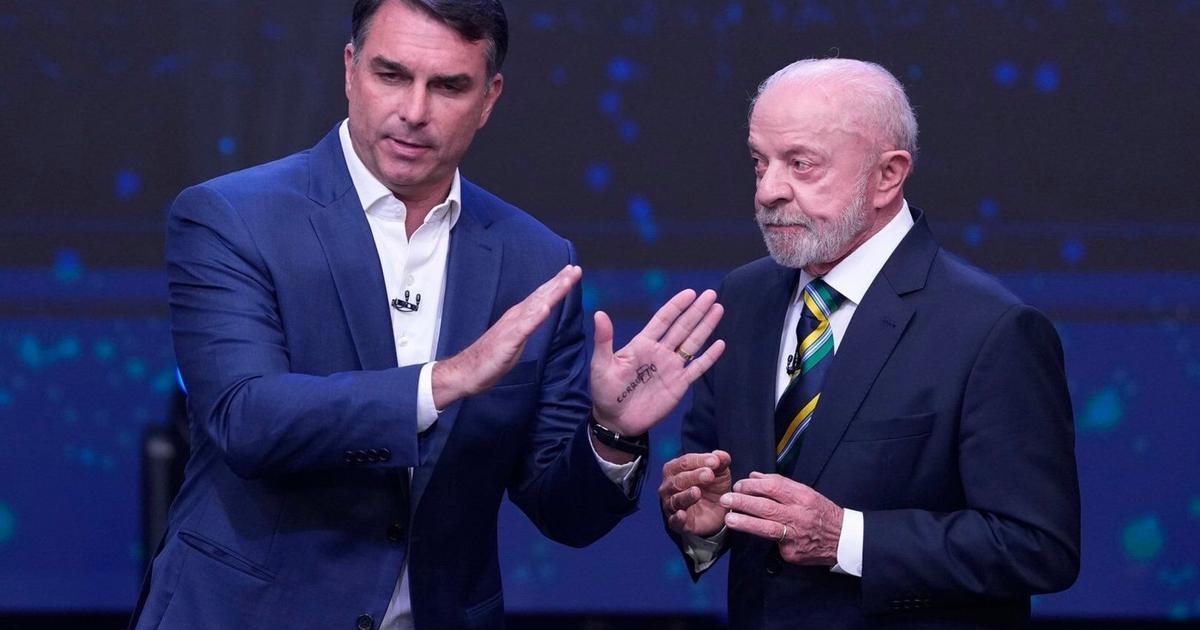
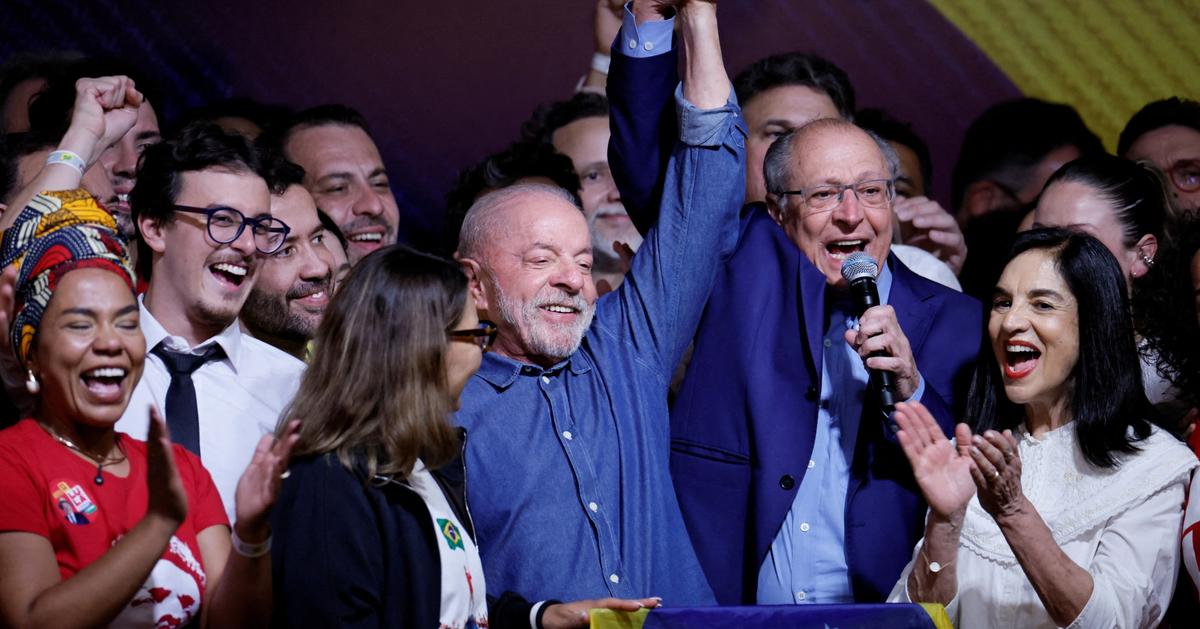
Win for Lula boosts China’s foothold and gives Brazil rare earths leverage Luiz Inacio Lula da Silva, 80, has secured an unprecedented fourth term after beating right-wing rival and Trump ally Flavio Bolsonaro Lula, 80, secured an unprecedented fourth term on Sunday after winning 51.8 per cent of the run-off vote to defeat right-wing rival Flavio Bolsonaro.
framing: assertive · carried by 1 article(s) · first seen 2026-10-26
2026-10-26 · South China Morning Post
Win for Lula boosts China’s foothold and gives Brazil rare earths leverage · assertive framing

Claims (3 extracted, 0 hedged)

Win for Lula boosts China’s foothold and gives Brazil rare earths leverage Luiz Inacio Lula da Silva, 80, has secured an unprecedented fourth term after beating right-wing rival and Trump ally Flavio Bolsonaro Lula, 80, secured an unprecedented fourth term on Sunday after winning 51.8 per cent of the run-off vote to defeat right-wing rival Flavio Bolsonaro. asserted
Lula → boost → Bolsonaro
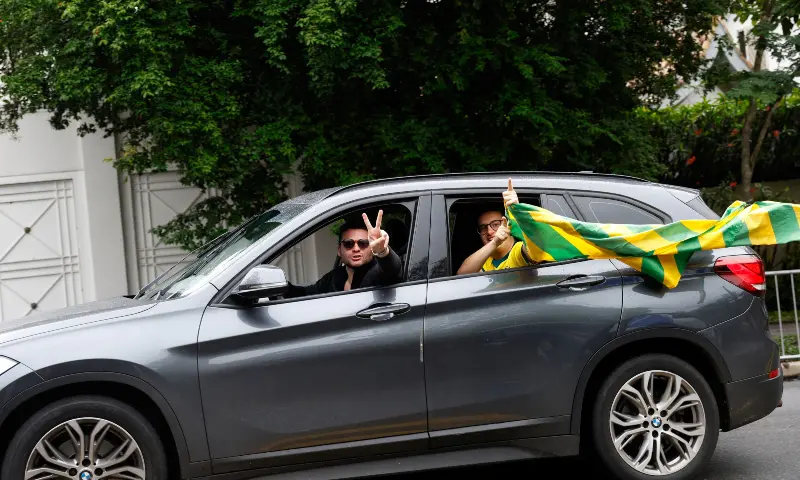
The son of jailed former president Jair Bolsonaro and Trump ally has, however, refused to concede. asserted
son → jail → Bolsonaro
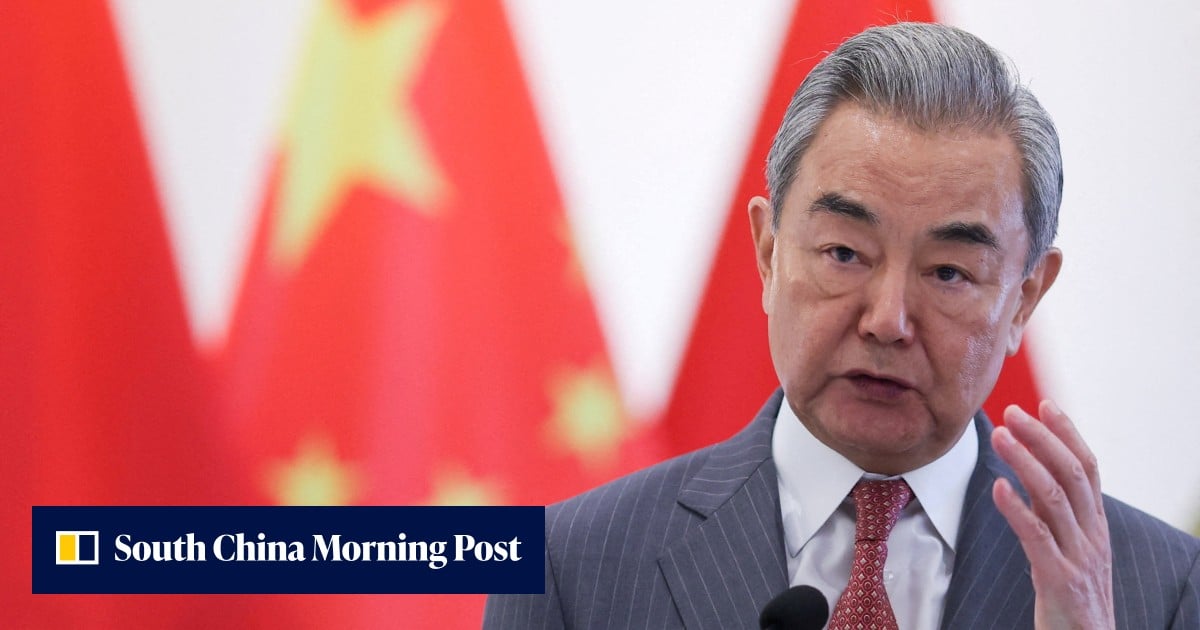
Beijing swiftly welcomed the outcome, with foreign ministry spokesman Guo Jiakun congratulating Lula on Monday and affirming that China was ready to work with Brazil to “continue advancing the building of a China-Brazil community with a shared future”. asserted
China → welcome → future
💬Give feedback
🕘History 🎫Support