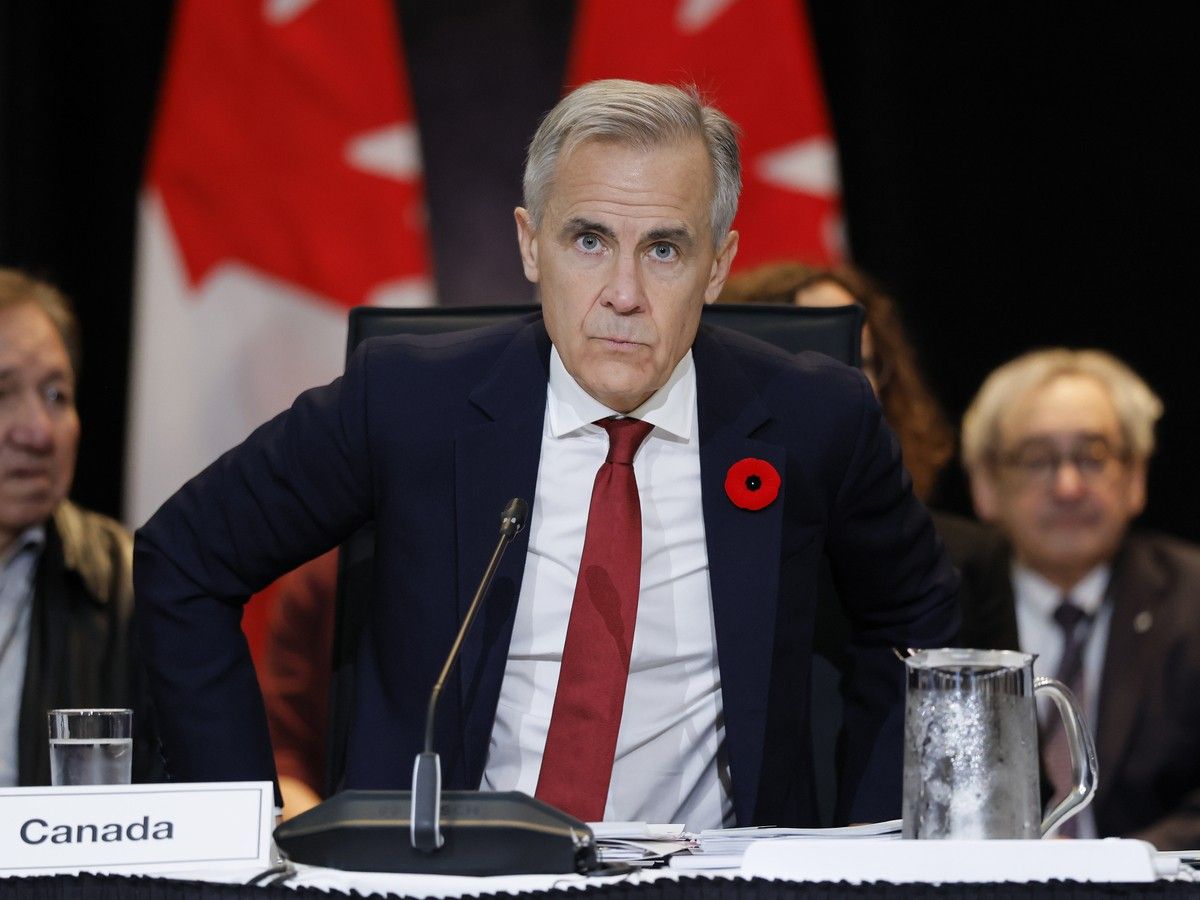
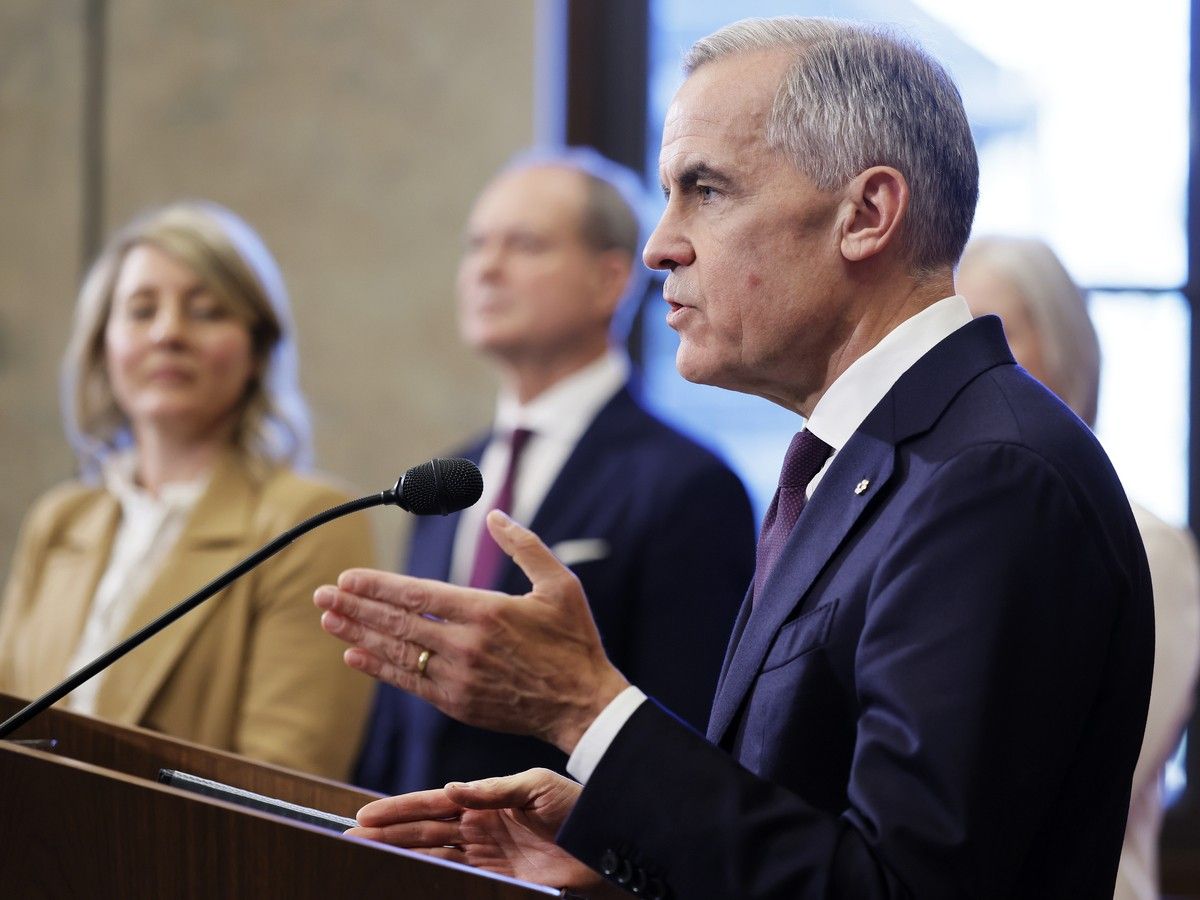
Prime Minister Mark Carney told reporters Monday that there has been a small intensification in trade talks with the United States, but the prospect of a deal will depend on the Americans moving closer to the Canadian position.
asserted
Americans → tell → position
“To the extent any progress has been made, it’s because the U.S. is coming closer to our position,” said Carney, during a press conference in Ottawa.
asserted
Carney → make → Ottawa
In answer to a reporter in French, the prime minister said there has been a small intensification of trade talks with our southern neighbour, but that there has been no change in pressure to make a deal for the Canadian government.
asserted
minister → say → government
There has been very little movement on the trade file between the two countries after negotiations fell apart in late August.
asserted
negotiations → fall → August
Carney paused negotiations, citing last-minute demands from U.S. negotiators that made a deal untenable for Canadian interests.
asserted
deal → pause → interests
Key sticking points included U.S. tariffs on Canadian medium and heavy-duty trucks, French-language labelling and streaming discoverability rules and U.S. oversight on Canadian trade policy.
asserted
points → include → policy
Last Wednesday, Carney spoke with Trump at length about geopolitical and trade issues.
asserted
Carney → speak → issues
“Canada is ready to sign an agreement that is in the interests of Canadians, all Canadians, with very clear bottom lines, red lines, which meant that we were not willing to sign what was offered in in August,” said Carney.
asserted
Carney → sign → August
“To the extent to which the U.S. is moving towards accepting those aspects, then there’s a greater prospect of a deal.
asserted
U.S. → move → deal
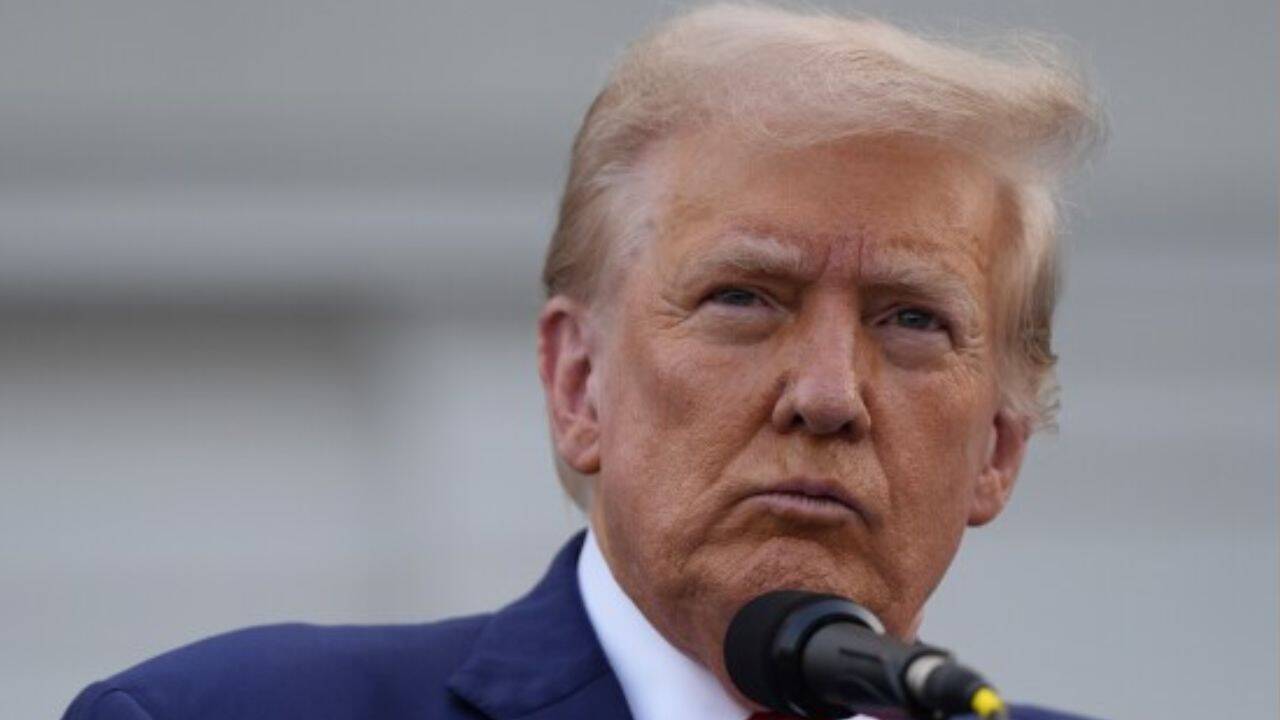
The U.S. midterms have put more political pressure on U.S. President Donald Trump in recent weeks, with polls pointing to American voters’ frustration with the president’s record on inflation and cost of living concerns.
asserted
polls → put → living
Trump has attended rallies in reliably Republican states, including Texas, Alabama and Oklahoma.
asserted
Trump → attend → Texas
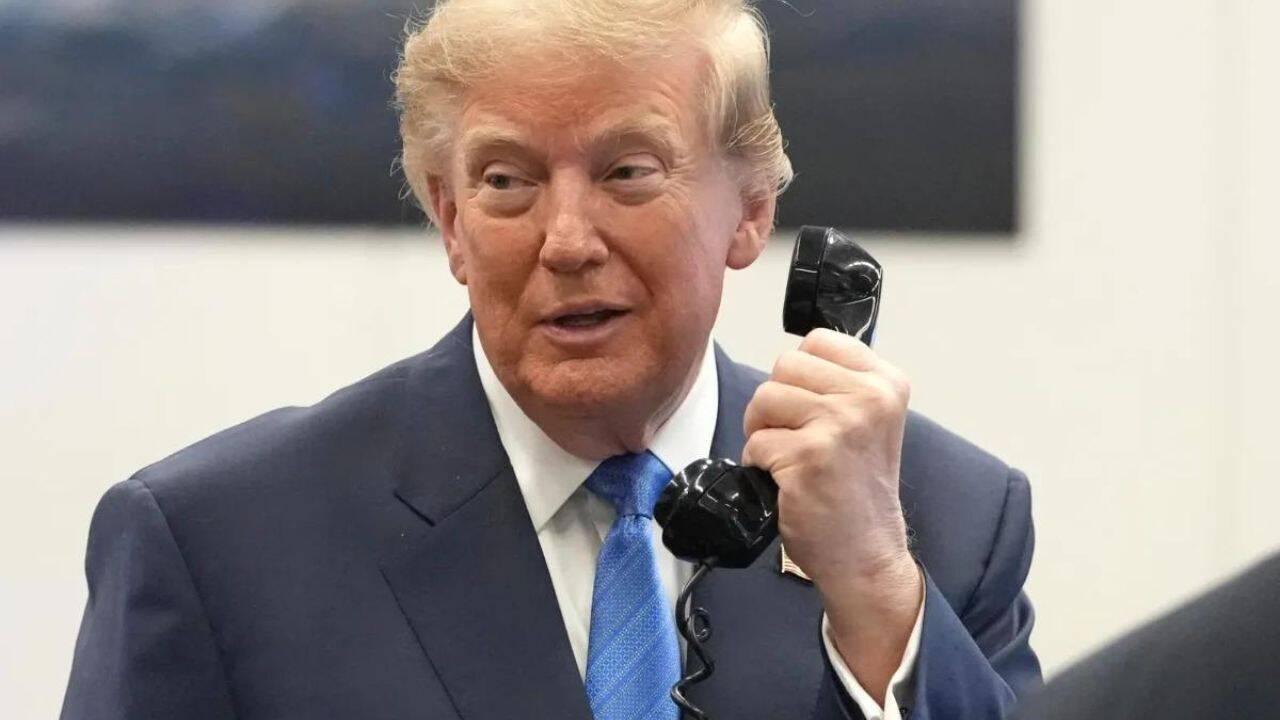
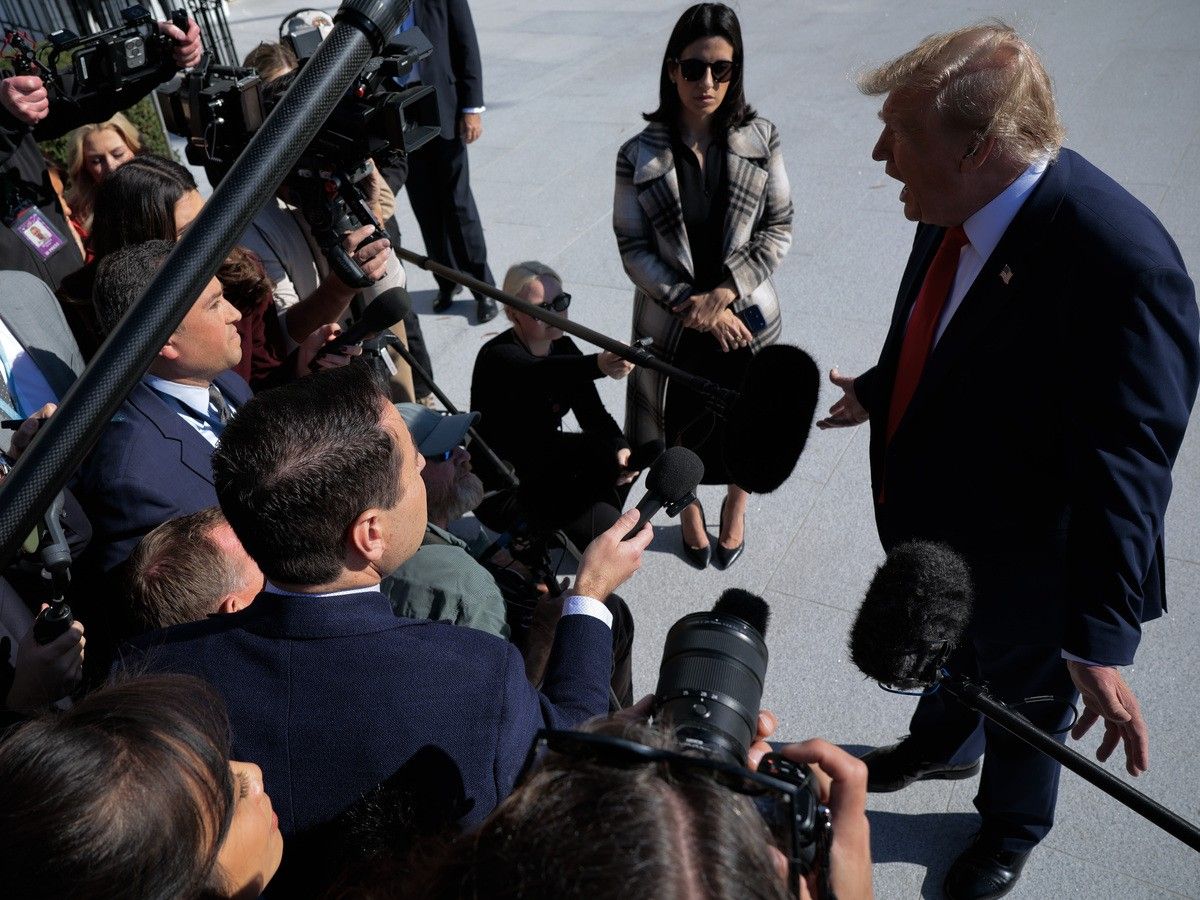
On Friday, Trump told reporters Canada “was working very hard” to get a trade deal with the U.S.
asserted
Canada → tell → U.S.
During a rally in Michigan on Sunday, Trump said the trade conflict with Canada could end “really soon” and said the Canadians are “willing to give us anything at this moment.”
uncertain
Canadians → say → moment
That same day, White House economic adviser Kevin Hassett told Fox News’ The Sunday Briefing, that talks between Canada and the U.S. were “gathering steam” and noted United States Commerce Secretary Howard Lutnick had been in contact with his Canadian counterparts all week.
asserted
Lutnick → tell → counterparts
In a statement, spokesperson for Canada-U.S. Trade Minister Dominic LeBlanc, Eve Loignon-Giroux, said Canada remains in “constructive dialogue with our U.S. counterparts on a range of priorities.”
“We stand ready to work constructively and in good faith towards a more mutually beneficial trading relationship that respects Canada’s interests,” she added.
asserted
she → say → interests
On Friday, Trump issued a presidential proclamation exempting several Canadian goods from Section 338 tariffs, after lobbying efforts from Republican Sen. Susan Collins from Maine.
asserted
Trump → issue → Maine
Collins is fighting to keep her seat in her state that relies heavily on trade with Canada.
asserted
that → fight → Canada
Andrew Hale, fellow at Washington-based Advancing American Freedom, said he sees little evidence of an imminent deal beyond Trump’s campaign messaging for the midterms.
asserted
he → base → midterms
“Aside from campaign rhetoric, I’ve seen little evidence that we are (closer to a deal),” said Hale.
asserted
Hale → see → deal
“With so many of these announcements, I find that they’re performative messaging, and they often lack substance.”
asserted
they → find → substance
Alfredo Carrillo Obregon, trade policy analyst at the Cato Institute, said he sees Trump’s upbeat rhetoric primarily as domestic political messaging and doesn’t expect the midterms to soften the administration’s negotiating stance.
“I find it difficult to believe that those positions are going to change dramatically ahead of the midterms to try to get a result,” he said.
asserted
he → say → result
Obregon said it doesn’t make sense for Canada to give the U.S. a trade victory or a demonstration of one ahead of the midterms on Nov. 3.
asserted
Canada → say → Nov.
“Ultimately that’s what you were aiming for with retaliation — that this tariff war would become costly for the American side and for the administration, specifically, and it’s sort of bearing out that way,” he said.
asserted
he → ’ → administration
 The Aporia