Claims extracted
20
sentences that state something as happening or true
Uncertain
0%
0 of 20 hedged
("reportedly", "may", "according to")
Leaning
withheld
no quote in the article backed the model's score
Publisher signals
60/100
National Post's corrections and
hedging, across everything collected from it. Not a measure of accuracy.
Outlets on this story
1
Politics
Same framing elsewhere
1
articles that frame the event the way this one does
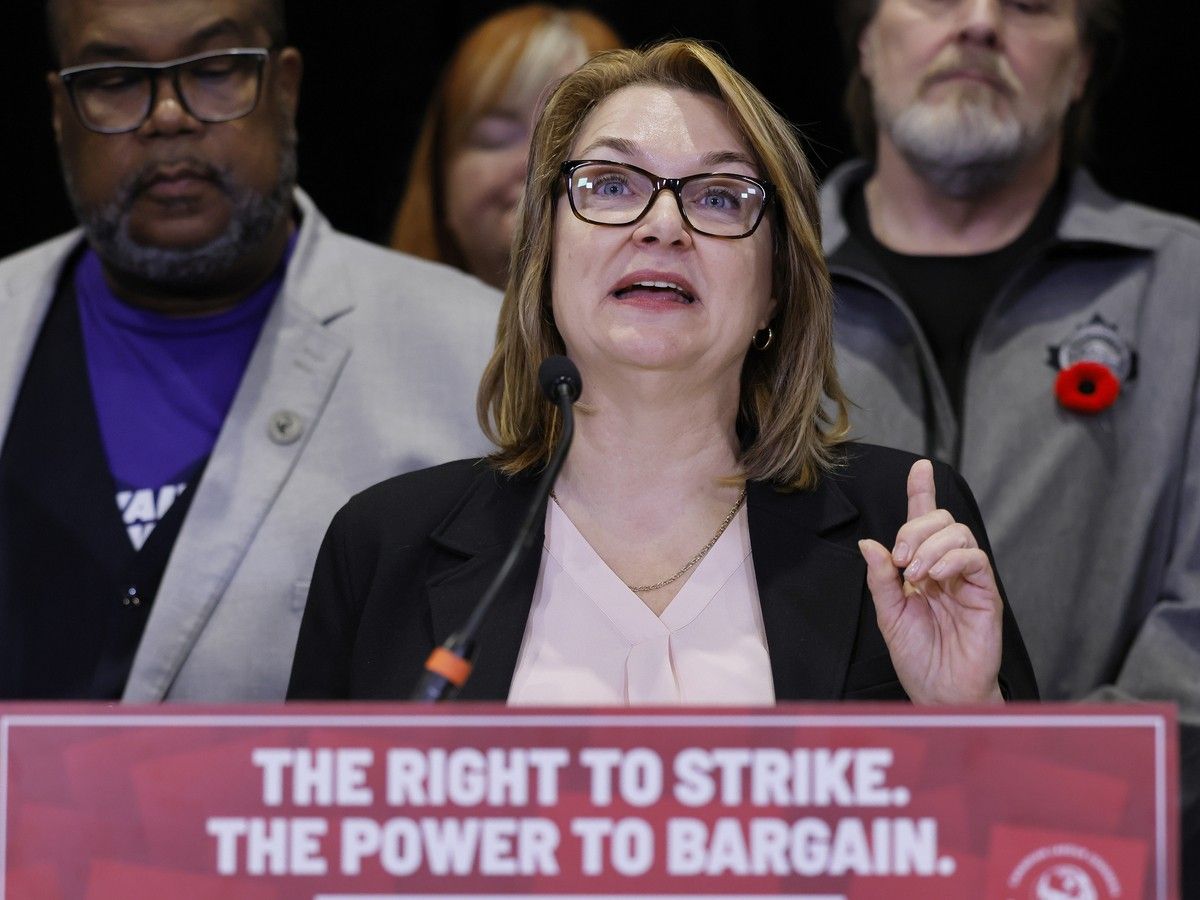
Canada’s labour union leaders announced on Thursday they will set up a “war room” to coordinate their response to the federal government’s latest major projects bill, which they argue undermines workers’ constitutional right to strike.
asserted
they → announce → right
The unions warn the passing of Bill C-39’s changes on Section 107 of the Canadian Labour Code risks “triggering years of labour conflict and costly constitutional challenges.”
asserted
passing → warn → conflict
“Businesses want to get goods moving, reach new markets and build major projects” said Canada Labour Congress President Bea Bruske, in a statement Thursday.
asserted
Bruske → want → statement
“Years spent fighting workers in court won’t accomplish any of that.”
asserted
Years → spend → that
Bruske made the announcement alongside David Chartrand, Canadian general vice-president of the International Association of Machinists and Aerospace Workers, and Marty Warren, national director of the United Steelworkers.
asserted
Bruske → make → Steelworkers
Bill C-39 has been dubbed the most consequential economic legislation in this Parliament by the Liberal government. The nearly 240-page bill is intended to speed up the regulatory process for the approval of major projects and make changes to collective bargaining for federally regulated workers.
asserted
bill → dub → workers
The bill has amassed critics, including unions, environmentalists and First Nations.
asserted
bill → amass → unions
The legislation also clarifies Cabinet’s use of Section 107 of the labour code, by giving the labour minister “guardrails” on when they can intervene to end a lockout or strike, including a special mediator report and a national interest test.
asserted
they → clarify → report
Section 107 has been used by the Liberal government to end strikes and work stoppages at ports, railways, Canada Post and airlines.
asserted
Section → use → ports
It is currently facing court challenges for its use.
asserted
It → face → use
Jobs Minister Patty Hajdu said the bill protects and strengthens workers’ right to strike, rather than weakening it.
asserted
bill → say → it
She has also said the legislation ensures that Section 107 cannot be used pre-emptively.
asserted
Section → say → ?
However, union leaders’ testimonies in front of the Bill C-39 legislative committee, argue that the bill allows the government to legitimize its use of a section in the labour code it has no business using in the first place.
asserted
it → argue → place
Meanwhile, business and industry groups have applauded the bill’s changes to Section 107 of the code and bargaining, which they believe will help curb the amount of work stoppages that have a significant impact on Canadian supply chains and the economy.
asserted
that → applaud → chains
Bill C-39 was passed at second reading, with help from the Conservative Party.
asserted
C-39 → pass → Party
However, Conservative Leader Pierre Poilievre has promised his party will make amendments “to protect the rights of workers.”
asserted
party → promise → workers
Opposition parties including the NDP and the Bloc Québécois voted against the bill.
asserted
parties → include → bill
On Wednesday, Conservatives voted in favour of NDP MP Leah Gazan’s private member’s bill which would repeal Section 107 from the labour code altogether.
asserted
which → vote → code
The bill was defeated by Liberal MPs.
asserted
bill → defeat → MPs
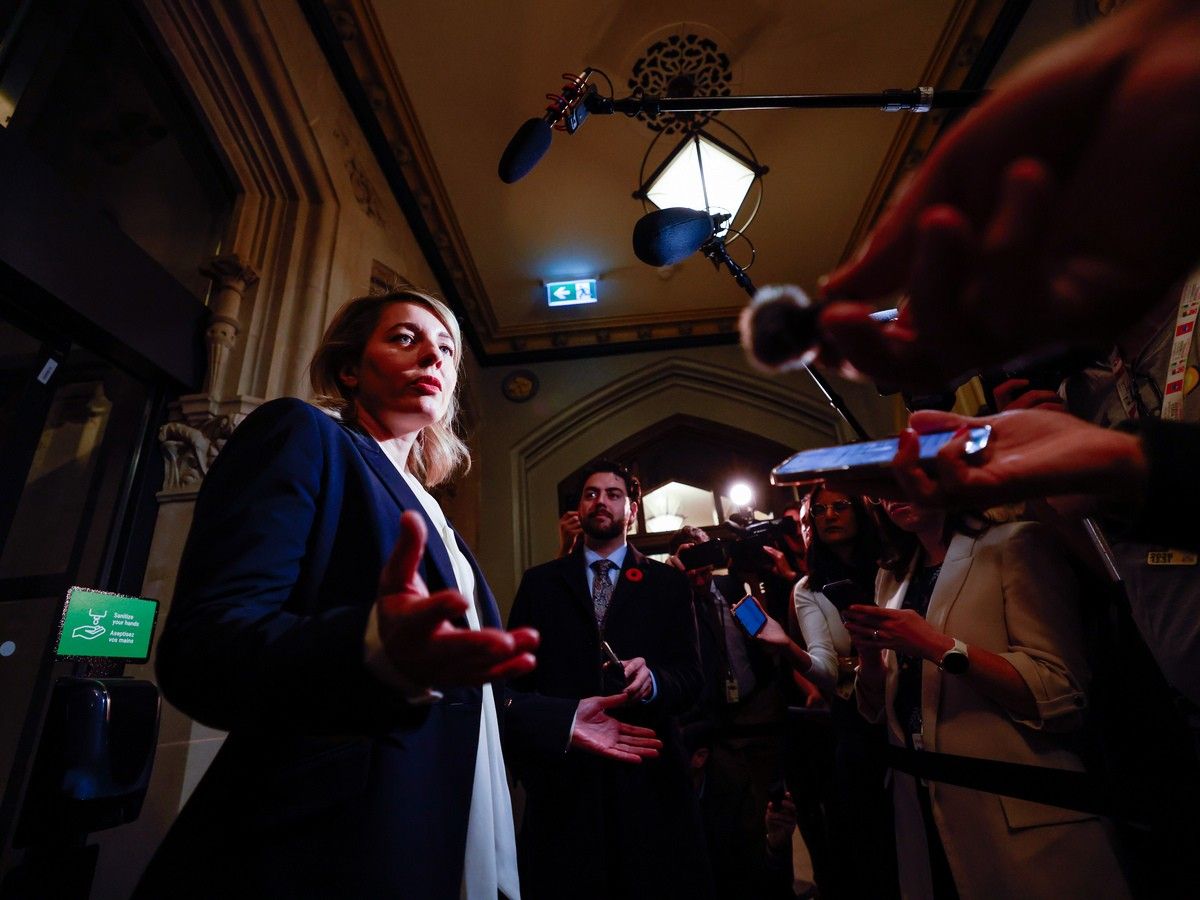
Asked on Thursday to clarify his party’s position on Section 107, Conservative associate labour critic Colin Reynolds said “we need to look at it more thoroughly and ultimately that’s what we are looking forward to doing in committee.”
asserted
we → ask → committee
 The Aporia