Photo via The Straits Times

US plans to ban Chinese telecom firms from direct access to US phone numbers

Read the original at The Straits Times ↗
Cite

The Straits Times. (2026, October 30). US plans to ban Chinese telecom firms from direct access to US phone numbers. The Straits Times. https://www.straitstimes.com/world/us-plans-to-ban-chinese-telecom-firms-from-direct-access-to-us-phone-numbers

Dated from the outlet's own feed. Check the original for its byline.

The Straits Times · collected 2026-10-30 · by The Straits Times

Quick Summary

The United States Federal Communications Commission plans to ban Chinese telecom firms such as China Mobile, China Telecom, and China Unicom from direct access to U.S. phone numbers due to national security concerns. The FCC will vote on this proposal on November 19, aiming to prevent scam-related robocalls and protect against potential spying activities. This move follows previous bans by the FCC targeting these companies for international telecommunications services and comes amid growing concern over cyber espionage threats from China, as highlighted in recent FBI reports.
Written by AI on 2026-11-01, from this article's own text only (the story summary below draws on all the coverage).

AI analysis

Story summary

As of October 29, 2026, the US Federal Communications Commission (FCC) announced plans to vote on November 19 to ban China Mobile, China Telecom, and China Unicom from direct access to US phone numbers due to national security concerns. This move aims to prevent scam-related robocalls and protect against malicious activities. The FCC also intends to prohibit Chinese labs from testing electronic devices for the US market, further restricting Chinese telecom firms' operations in America. FCC Chair Brendan Carr stated that this decision would strengthen defenses against "bad actors" and illegal robocallers. The Chinese Embassy did not immediately comment on these proposed restrictions.

Written for “US Plans To Ban Chinese Telecom Firms” on 2026-11-04, grounded in this article and the 1 other(s) covering the same event.

Story

📰 US Plans To Ban Chinese Telecom Firms
Politics · 2 article(s) covering the same event. See how they differ ↓

Compared with similar articles

This article reads leans right and hedges 7% of its claims. Each row says how that neighbour differs.
South China Morning Post
⚖️ Leans right Hedges 1 of 5 claims Outlet record 62/100
The Straits Times
Hedges 1 of 15 claims Outlet record 66/100
“The articles describe different FCC actions on separate dates, one banning Chinese labs from testing US electronics and the other proposing to ban Chinese telecom firms from direct access to US phone numbers.”
How this article was measured signals, leaning charts, publisher record, byline, topics and claims

Signals How these are calculated →

Claims extracted
14
sentences that state something as happening or true
Uncertain
7%
1 of 14 hedged ("reportedly", "may", "according to")
Leaning
Leans right
of the writing, not the subject · beta estimate
Publisher signals
66/100
The Straits Times's corrections and hedging, across everything collected from it. Not a measure of accuracy.
Outlets on this story
2
Politics
Same framing elsewhere
1
articles that frame the event the way this one does
Analyzed 2026-11-01 · how these are computed

How this is being covered How these are calculated →

Article leaning vs. publisher reliability
Source leaning vs. consistency

Publisher

The Straits Times · 4330 article(s) · 5 correction(s) detected
Running correction rate · 5 correction(s)

Who wrote this

The Straits Times
2834 article(s) here · 1 carrying a prediction
🔮 The midterm elections will determine whether Republicans keep control of Congress and will shape the rest of Trump’s second term.
🔮 He will succeed Democrat Jeanne Shaheen, who is retiring after 18 years.
🔮 Americans went to the polls on Nov 3 in midterm elections that will determine who controls Congress for the final two years of President Donald Trump’s term.
2026-11-04 · assertive framing · Takeaways from the US midterm elections
🔮 It added that Martin had also made contact with the DSA in August and obtained the e-mail addresses of DSA members, after which they were added to a mailing list that sent them threatening messages, warning they could be arrested if they voted.
🔮 He will then begin meeting the political parties.
🔮 As Binance publicly said it could easily reimburse any losses from the hack on Oct 30, employees were privately expressing doubts to one another that they would be paid bonuses this year, said people familiar with the matter.
2026-11-04 · assertive framing · Over sleepless nights, Binance fought to contain hack
🔮 “A transport minister in a country like Spain cannot remain in office after two accidents of such seriousness in less than a year, however different they may be, whether or not I bear direct responsibility,” Puente told Members of Parliament, referring to the latest tragedy and a January crash in Andalusia that claimed 46 lives.
🔮 WASHINGTON, Nov 3 - Americans went to the polls on Tuesday in midterm elections that will determine who controls Congress for the final two years of President Donald Trump's term.
2026-11-04 · assertive framing · Takeaways from the US midterm elections
🔮 “We are witnessing the biggest election cheating scandal in the history of the state of Alaska – maybe one of the biggest in the US Senate’s history.”
🔮 Carney said the US had withdrawn some earlier demands, including one that would have given Washington final say over any trade deals that Canada might seek to sign with other nations.
Also by The Straits Times
Nothing else under this byline is closely related to this article, so these are simply their most recent.
All 2834 articles by The Straits Times →

Topics

China Mobile Chinese FCC The United States WASHINGTON

Subjects

Chinese NORP · 8× FCC ORG · 6× China Mobile ORG · 2× China Telecom ORG · 2× China Unicom ORG · 2× Salt Typhoon ORG · 2× The United States GPE · 2× WASHINGTON GPE · 2× Brendan Carr PERSON · 1× The US Federal Communications Commission ORG · 1×

Narrative

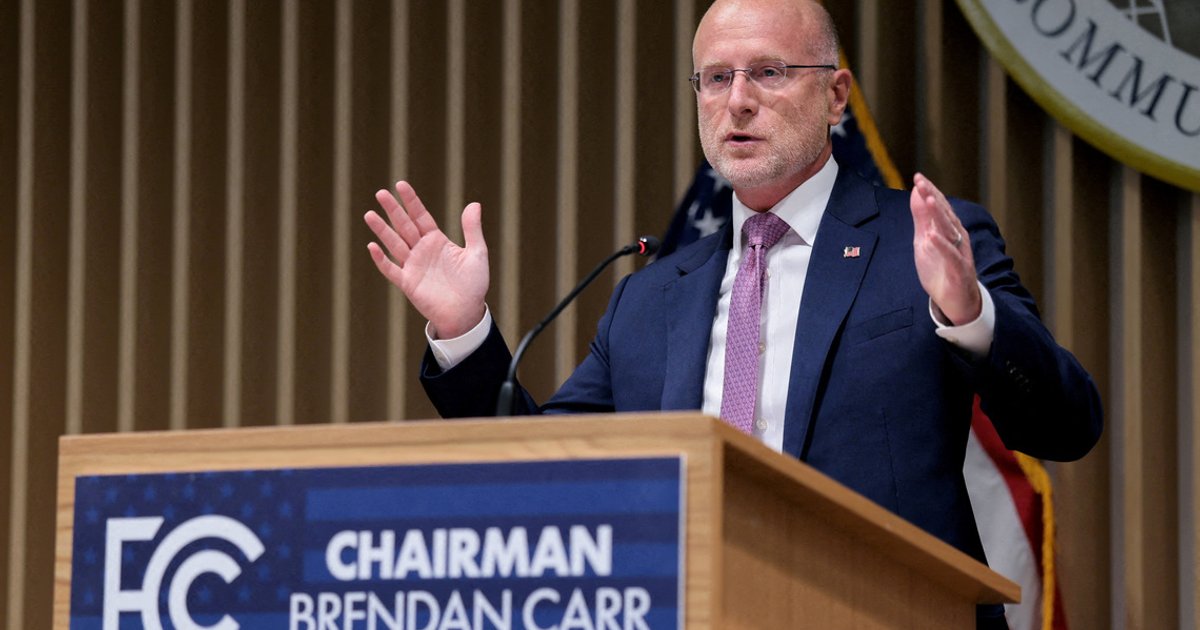
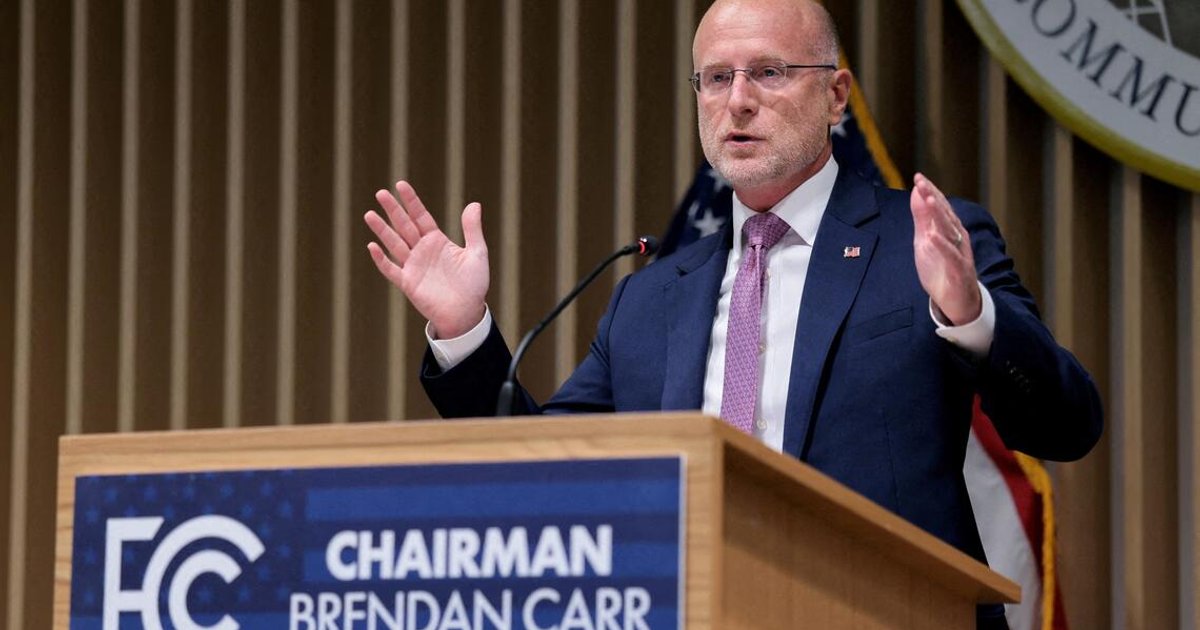
For telecom firms providing Voice over Internet Protocol – technology that converts voice into digital data and transmits it over broadband connections – direct access is a much cheaper option and makes it easier to offer advanced features. “With this decision, the FCC will be strengthening our first line of defence against bad actors and illegal robocallers,” FCC Chair Brendan Carr said in a statement.
framing: assertive · carried by 1 article(s) · first seen 2026-11-01
🔮 The US Federal Communications Commission said on Oct 29 that it will vote on Nov 19 on a proposal to ban China Mobile, China Telecom and China Unicom and other IP-enabled service providers from direct access.
2026-11-01 · The Straits Times
US plans to ban Chinese telecom firms from direct access to US phone numbers · assertive framing

Claims (14 extracted, 1 hedged)

US plans to ban Chinese telecom firms from direct access to US phone numbers AI generated asserted
AI → plan → numbers
WASHINGTON – The United States plans to soon ban Chinese telecom firms from direct access to US phone numbers on national security grounds – a measure designed to prevent scam-related robocalls. asserted
States → plan → robocalls
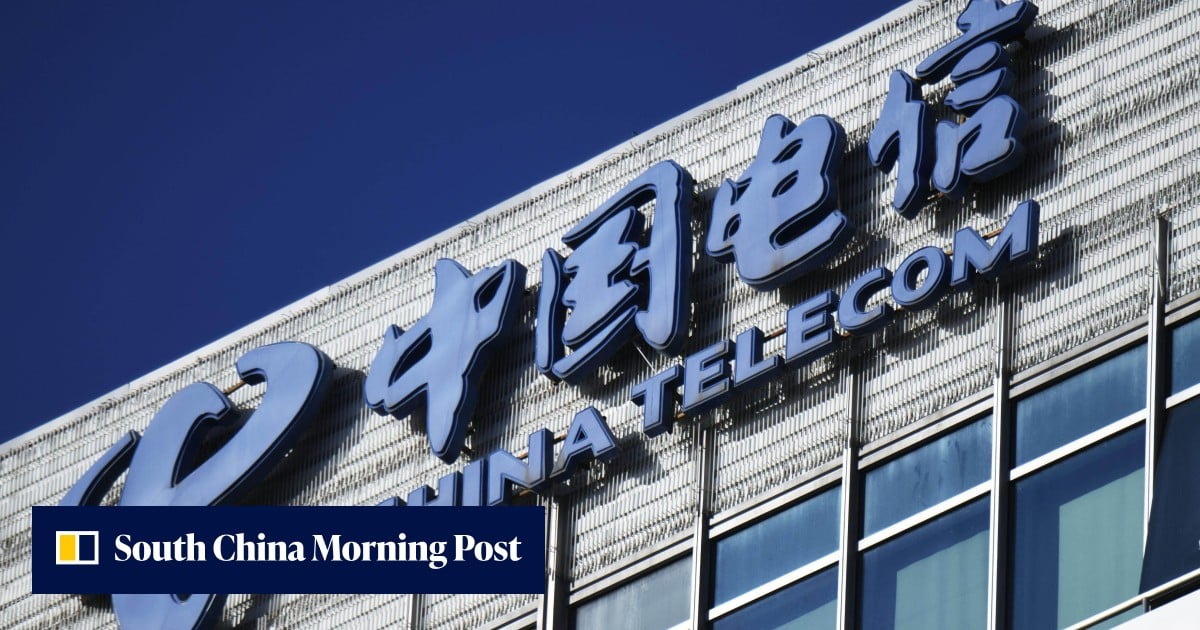
The US Federal Communications Commission said on Oct 29 that it will vote on Nov 19 on a proposal to ban China Mobile, China Telecom and China Unicom and other IP-enabled service providers from direct access. asserted
it → say → access
For telecom firms providing Voice over Internet Protocol – technology that converts voice into digital data and transmits it over broadband connections – direct access is a much cheaper option and makes it easier to offer advanced features. “With this decision, the FCC will be strengthening our first line of defence against bad actors and illegal robocallers,” FCC Chair Brendan Carr said in a statement. asserted
Carr → provide → statement
The Chinese Embassy did not immediately comment. asserted
Embassy → comment → ?
The FCC also said on Oct 29 that it plans to bar IP-enabled service providers that use equipment from companies on the FCC’s list that pose national security risks, including Huawei or ZTE. asserted
that → say → Huawei
The agency added that it would ban all Chinese labs from testing US electronics in December 2028 and may also revoke direct number authorisations for Chinese companies that it deems to pose national security risks. uncertain
it → add → risks
The FCC has previously barred China Mobile, China Telecom and China Unicom from providing international telecommunications services to the United States. asserted
FCC → bar → States
Other measures under consideration include barring them from connecting to US networks and from operating their data centres in the US. asserted
measures → include → US
Concerns about the potential for spying and other harms to arise from Chinese access to US telecom data and infrastructure have grown in recent years. asserted
Concerns → arise → years
In late 2024, Washington said a Chinese state-sponsored cyber espionage group known as Salt Typhoon stole consumers’ call records, US call data and infiltrated US telecommunications and telecom infrastructure firms. asserted
group → say → firms
The FBI said in 2026 that threats from Salt Typhoon are “still very much ongoing”. asserted
threats → say → Typhoon
In July, the FCC added California-based Digitalsystem Technology to a list of companies posing risks to US national security, citing links to Chinese telecom firms and its ownership by a Chinese national. asserted
FCC → add → national
China has consistently denied any wrongdoing. asserted
China → deny → wrongdoing

💬Give feedback
🕘History 🎫Support