The Aporia

Jewish News Syndicate. (2026, October 30). Netanyahu’s right-wing bloc wins Israeli election but he’s eight seats short of majority. New York Post. https://nypost.com/2026/10/30/world-news/netanyahus-right-wing-bloc-wins-israeli-election-but-hes-eight-seats-short-of-majority/
Jewish News Syndicate. “Netanyahu’s right-wing bloc wins Israeli election but he’s eight seats short of majority.” New York Post, 30 Oct. 2026, https://nypost.com/2026/10/30/world-news/netanyahus-right-wing-bloc-wins-israeli-election-but-hes-eight-seats-short-of-majority/.
Jewish News Syndicate. “Netanyahu’s right-wing bloc wins Israeli election but he’s eight seats short of majority.” New York Post, October 30, 2026. https://nypost.com/2026/10/30/world-news/netanyahus-right-wing-bloc-wins-israeli-election-but-hes-eight-seats-short-of-majority/.
Dated from the outlet's own feed. Check the original for its byline.
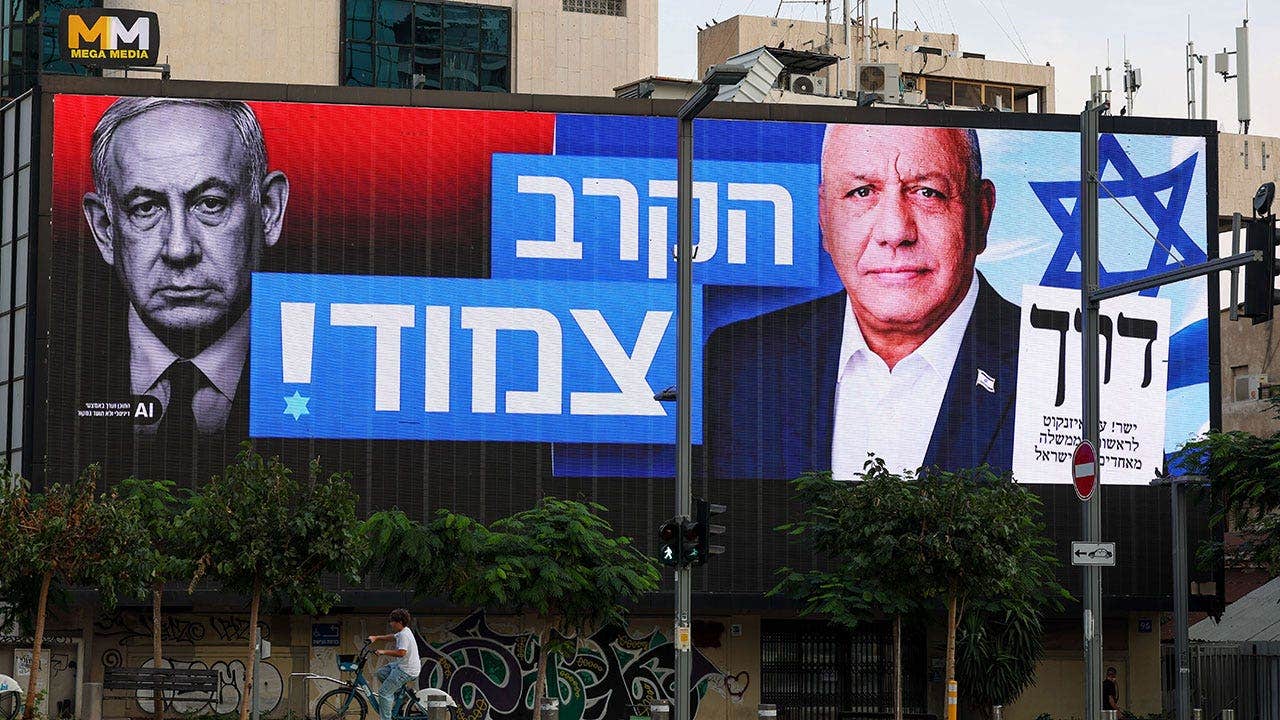
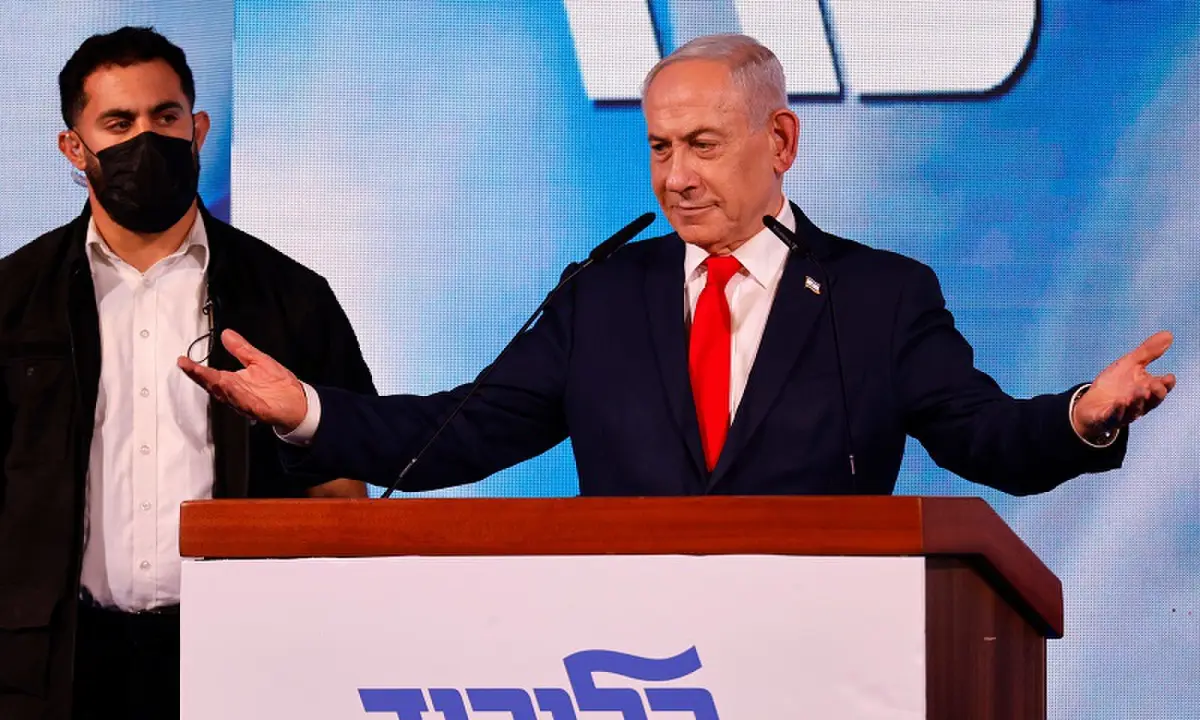
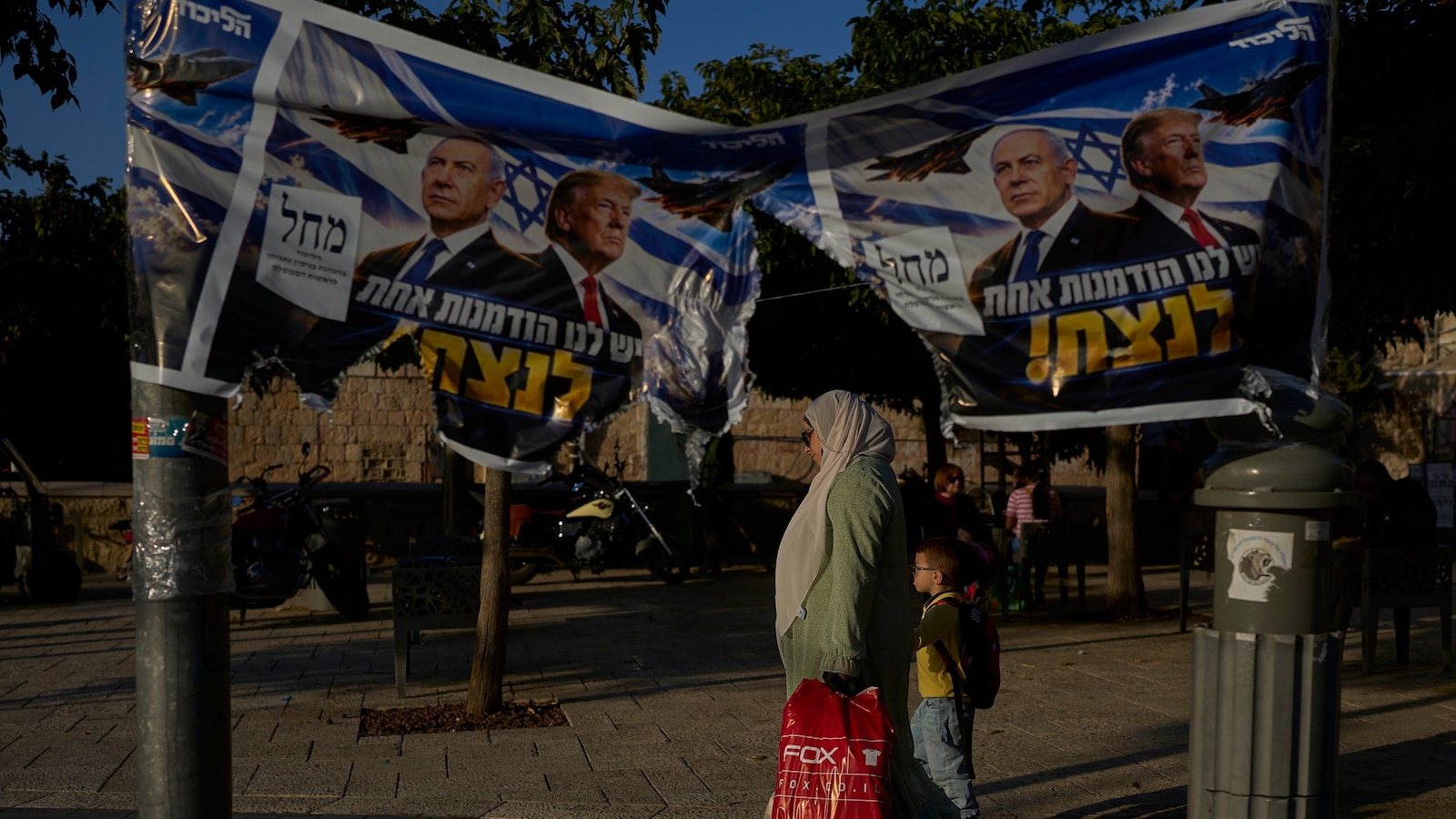
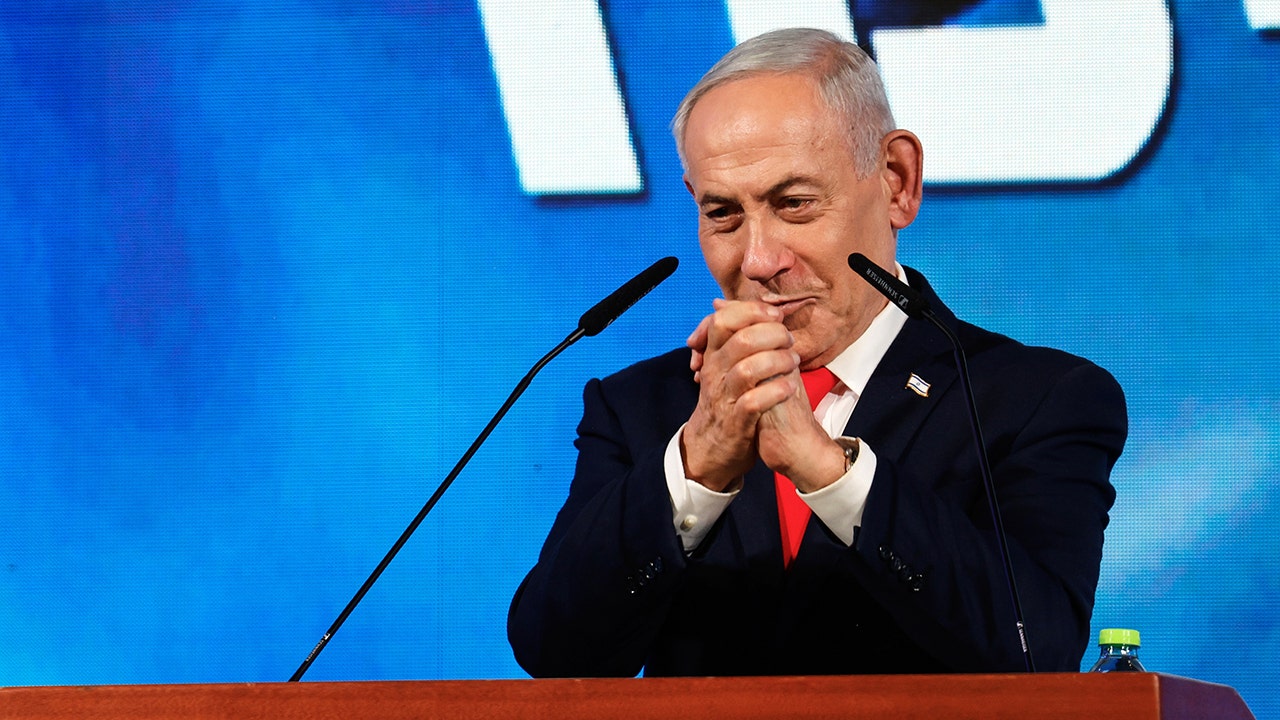
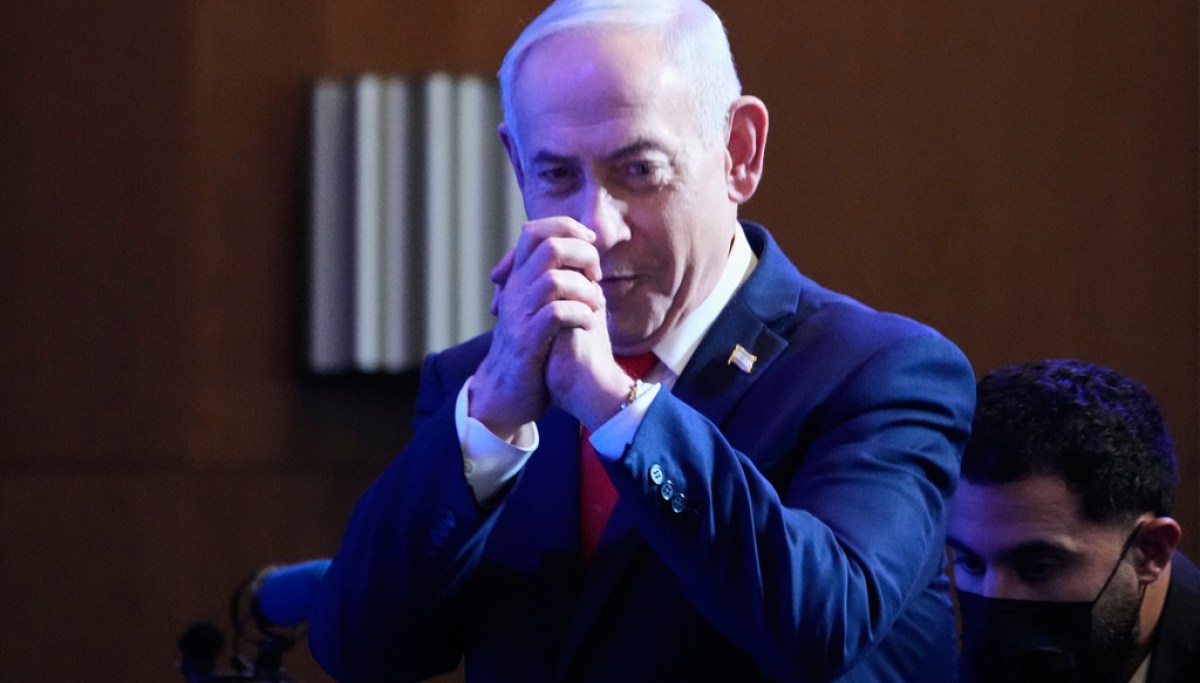
On October 27, 2026, Israelis voted in a parliamentary election for the Knesset, amid ongoing tensions from previous conflicts including Hamas's attacks in 2023 and the war in Gaza. The elections were seen as a critical moment to address issues such as military service exemptions for ultra-Orthodox Jews and how to respond to security failures. Former Israeli army chief Gadi Eisenkot emerged as a significant challenger to Prime Minister Benjamin Netanyahu, who has held office for an extended period. Thousands rallied in Tel Aviv against Netanyahu, calling for a commission of inquiry into the October 7 attacks. Arab-Israeli parties were poised to play a crucial role in potentially forming an opposition alliance aimed at removing Netanyahu from power. Palestinian-led parties secured 19 seats in the election, marking a historic result and complicating future coalition-building efforts. The election outcome was inconclusive, raising questions about potential political gridlock and the normalization of extreme nationalism in Israel's politics.