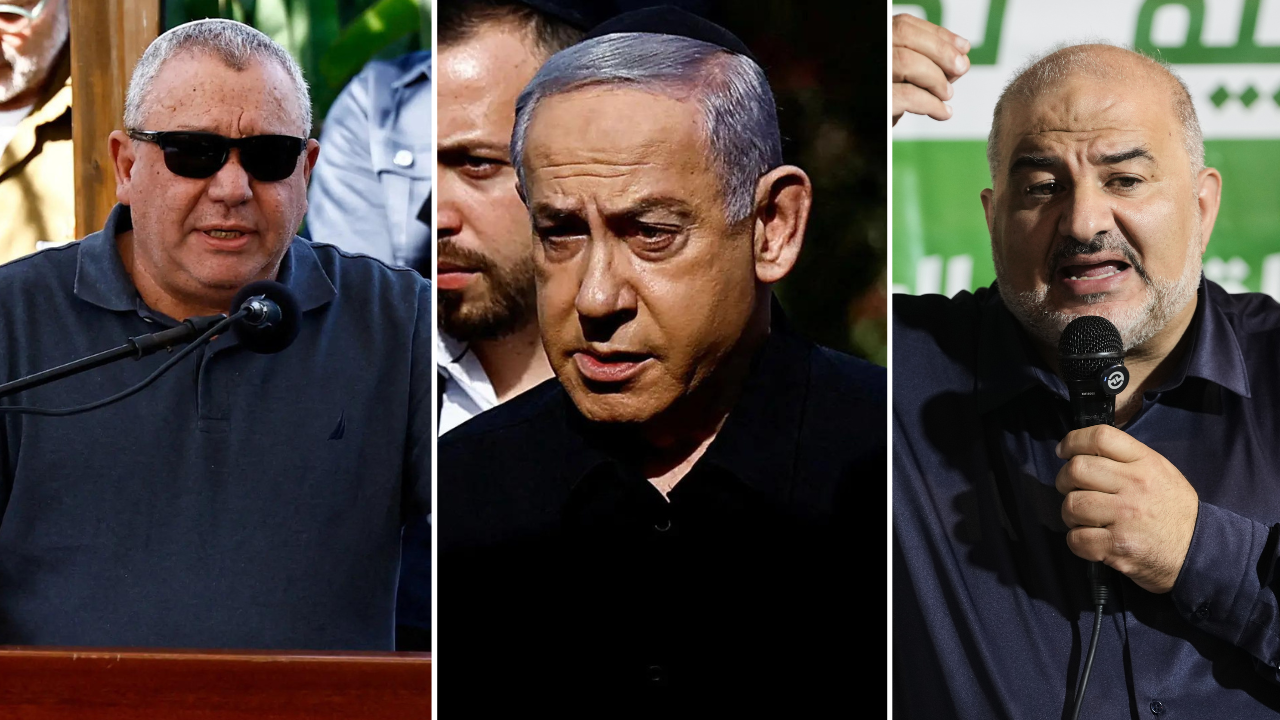
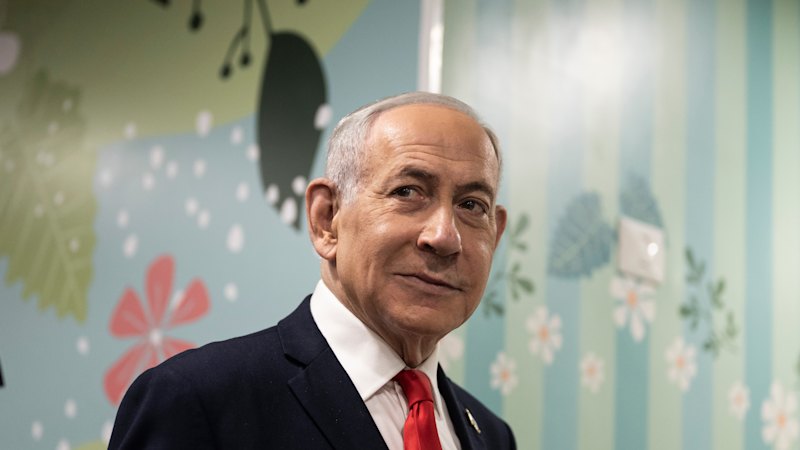
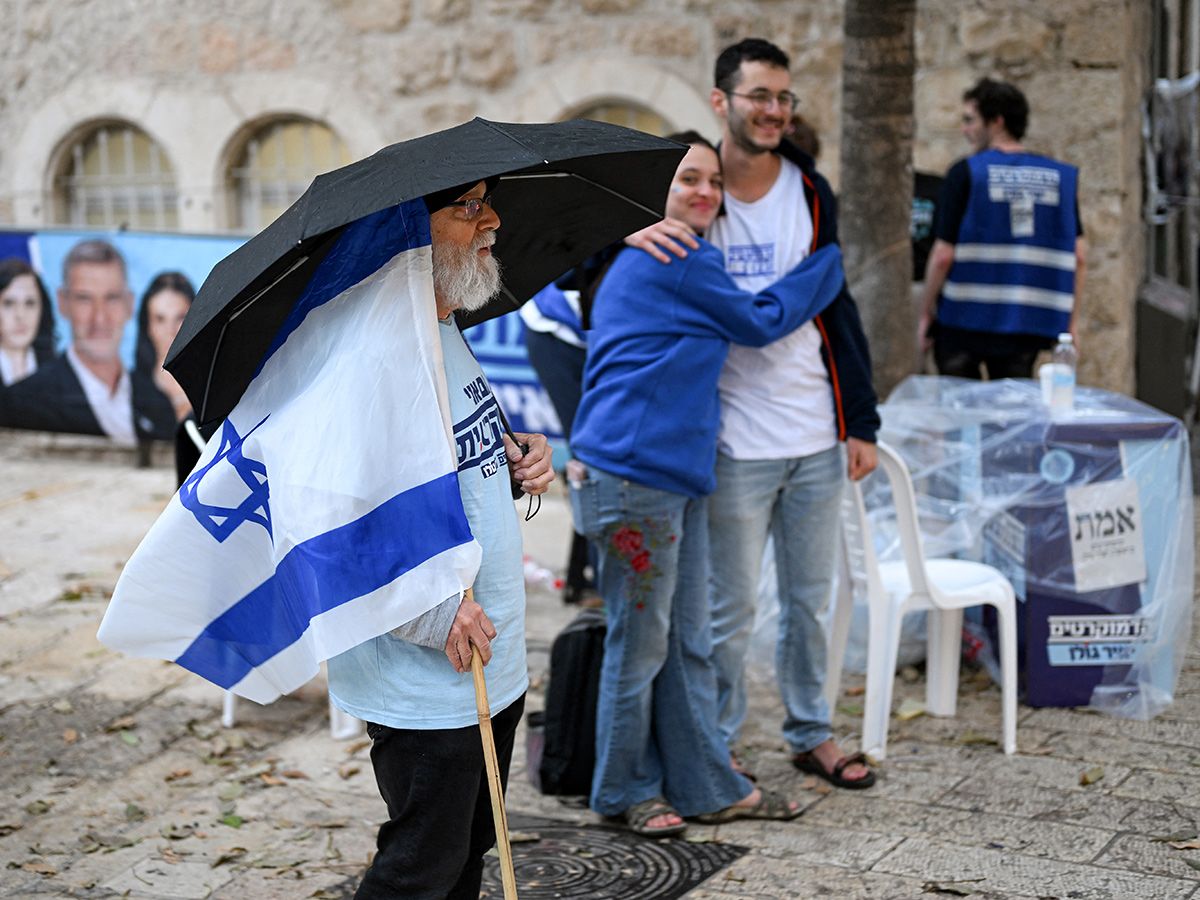
TEL AVIV, Israel (AP) — Israeli election results are in, showing the makeup of the country’s next parliament but leaving open the question of who will be prime minister.
asserted
who → show → question
Party leaders will now hold high-stakes negotiations as they try to cobble together a 61-seat coalition in the 120-member assembly, known as the Knesset.
asserted
they → hold → Knesset
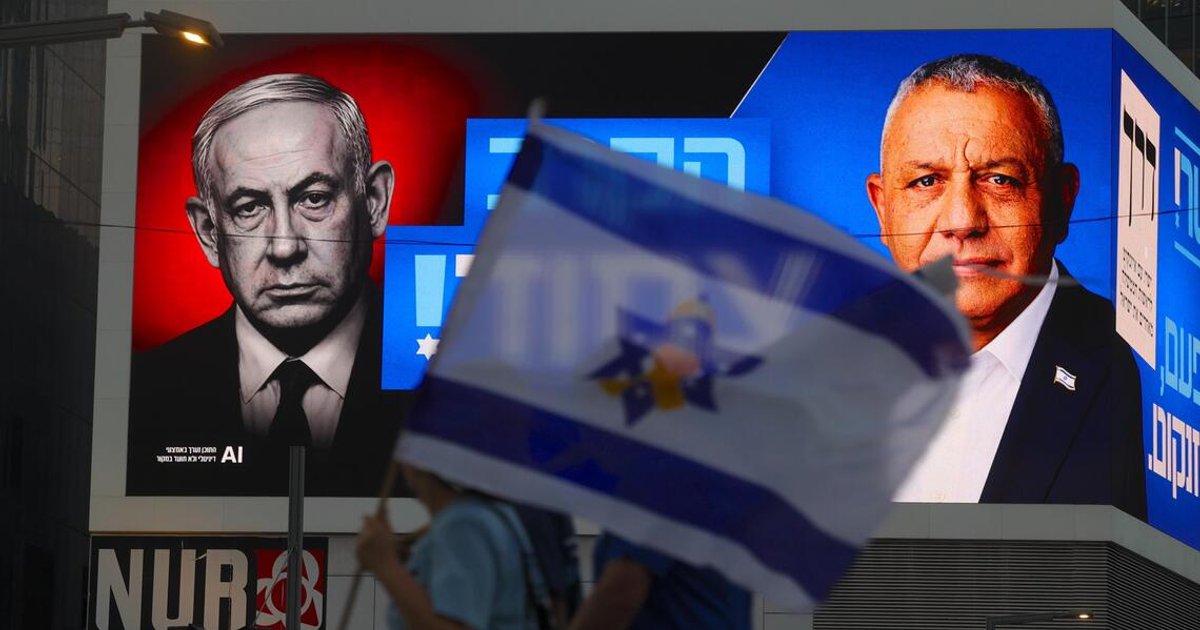
It’s a tough path ahead for both Prime Minister Benjamin Netanyahu and his main rival, former military chief Gadi Eisenkot.
asserted
It → ’ → Netanyahu
Neither of their camps won a majority, and Arab-led parties, which won a historic 19 seats, could play a decisive role.
uncertain
which → win → role
Any possible coalition would require candidates to make tough compromises that could outrage their own voters.
uncertain
that → require → voters
If they are unable to do so, new elections would be held early next year, with Netanyahu’s government staying on as caretaker until then.
asserted
government → do → caretaker
Eisenkot and the Arab parties
On paper, the most straightforward solution would be for Eisenkot to join forces with the Arab-led parties in a solid, 67-seat coalition opposed to Netanyahu.
asserted
Eisenkot → join → Netanyahu
Even if they don’t join his coalition, they could provide crucial backing for a minority government.
uncertain
they → join → government
Israel’s Arab citizens, who make up 20% of its population, are Palestinians whose families remained in Israel after the 1948 war surrounding its creation.
asserted
families → make → creation
They have close ties to Palestinians in the West Bank and Gaza and largely support their cause, leading many Jewish Israelis to view them with suspicion.
asserted
They → have → suspicion
Only once has an Arab party joined a governing coalition, in 2021, and that government only lasted around 18 months.
asserted
government → join → months
Netanyahu is already portraying any such alliance as a betrayal of Israel’s Jewish identity and a national security threat, raising the pressure on Eisenkot’s allies, particularly those on the right, to reject it.
asserted
Netanyahu → portray → it
Unity government
Netanyahu could try to convince Eisenkot and his right-leaning allies to instead ally with the prime minister.
uncertain
Netanyahu → try → minister
This constellation could give Netanyahu a 67-seat majority and would send Arab-led parties, as well as ultranationalist and ultra-Orthodox Jewish factions, to the opposition.
uncertain
constellation → give → opposition
Such a government could tackle pressing issues like military exemptions for the ultra-Orthodox or work to shore up Israel’s economy.
uncertain
government → tackle → economy
It would require a lot of promise-breaking, though.
asserted
It → require → breaking
Eisenkot and his allies have vowed not to sit in government with Netanyahu after blaming him for the security failures surrounding Hamas’ Oct. 7, 2023 attack, accusing him of undermining Israel’s democratic institutions and highlighting his ongoing corruption trial.
asserted
Eisenkot → vow → trial
A government led by Netanyahu is unlikely to approve an official inquiry into the Oct. 7 attack, a central demand of opposition voters.
asserted
government → lead → voters
And in the past, when Israeli opposition leaders have defied their voters to join Netanyahu, their political support has plummeted.
asserted
support → defy → Netanyahu
The arrangement would also require Netanyahu to jettison far-right and ultra-Orthodox allies who stood by him after the attack and through multiple wars and other crises.
asserted
who → require → wars
Poaching defectors
Netanyahu is likely looking for weak links in the opposition bloc, which spans Israel’s political spectrum.
asserted
which → poach → spectrum
He could try to lure some of his former allies, like right-wing party leaders Naftali Bennett or Avigdor Lieberman.
uncertain
He → try → leaders
Both strongly support nationalist policies like expanding settlements in the occupied West Bank, and would find it particularly difficult to partner with Arab parties.
asserted
it → support → parties
But they have clashed with Netanyahu, often on personal terms, for years, and had vowed not to partner with him.
asserted
they → clash → him
They are also deeply opposed to the military exemptions that are a make-or-break demand of Netanyahu’s ultra-Orthodox allies.
asserted
that → make → allies
Eisenkot has fewer possibilities, as Netanyahu’s right-wing Likud, and his far-right and ultra-Orthodox allies, have been fiercely loyal to him over the years.
asserted
Likud → have → years
If neither side manages to secure a majority, the country could be headed toward another election, likely early next year.
uncertain
country → manage → election
Netanyahu’s government would remain in a caretaker role until then.
asserted
government → remain → role
This scenario could be disastrous for Netanyahu’s opponents, who had momentum heading into this election, even though the outcome fell short of their expectations.
uncertain
outcome → have → expectations
They enjoyed a boost from tens of thousands of Israelis who flew in from abroad to vote but might not travel a second time.
uncertain
who → enjoy → Israelis
Netanyahu would meanwhile buy time to shore up his coalition.
asserted
Netanyahu → buy → coalition
Smaller right-wing parties that failed to meet the threshold for entering parliament essentially wasted pro-Netanyahu votes.
asserted
that → fail → votes
They might not run a second time, or their supporters might switch over to the bigger far-right parties, strengthening the prime minister.
uncertain
supporters → run → minister
After a similar stalemate in 2019, Israel held five elections in 3 1/2 years.
asserted
Israel → hold → years
___
Tia Goldenberg has been covering Israeli politics for nearly two decades.
asserted
Goldenberg → cover → decades
 The Aporia