The Aporia
Daylight Saving Time for 2026 Ends on Halloween Weekend. (2026, October 30). NBC News. https://www.today.com/video/daylight-saving-time-for-2026-ends-on-halloween-weekend-272527429945
“Daylight Saving Time for 2026 Ends on Halloween Weekend.” NBC News, 30 Oct. 2026, https://www.today.com/video/daylight-saving-time-for-2026-ends-on-halloween-weekend-272527429945.
“Daylight Saving Time for 2026 Ends on Halloween Weekend.” NBC News, October 30, 2026. https://www.today.com/video/daylight-saving-time-for-2026-ends-on-halloween-weekend-272527429945.
Dated from the outlet's own feed. Check the original for its byline.
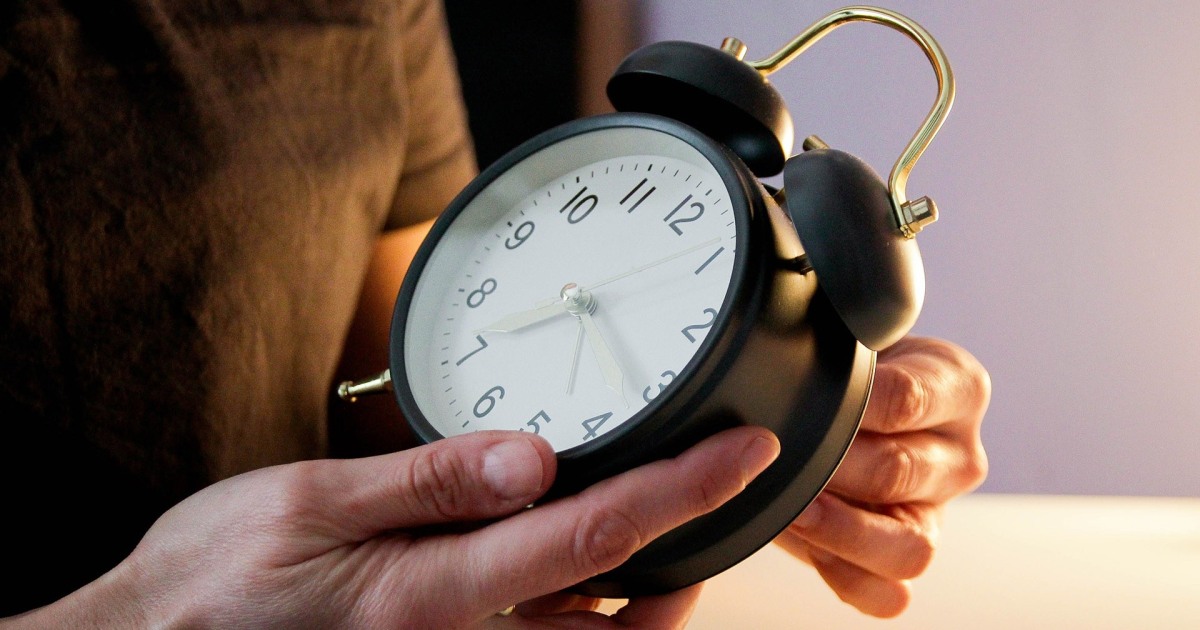
Daylight Saving Time (DST) ended in most of the United States on Sunday, November 1, 2026, at 2 a.m., when clocks were set back by one hour. This change provides Americans with an extra hour of sleep but results in darker afternoons during winter months. The shift can disrupt circadian rhythms and affect sleep schedules temporarily.
Some lawmakers have been advocating for permanent Daylight Saving Time, aiming to eliminate the biannual clock changes. However, as of now, DST remains a seasonal adjustment, with debates ongoing about its necessity and impact on public health.
In Canada, Ontario has filed regulations allowing communities west of the 90th meridian to remain on standard time year-round, following similar decisions in other provinces like Manitoba. This move reflects growing interest among some regions to end DST permanently due to its potential negative effects on human circadian rhythms and overall well-being.
Experts recommend exposure to morning sunlight after clock changes to help bodies adjust more quickly to the new schedule.