The Aporia
Knox, B. (2026, October 30). US Army conducted rare test of mass burial capabilities, not used since Korean War, at Fort Bragg. Washington Examiner. https://www.washingtonexaminer.com/policy/defense/4785920/us-army-conduct-test-mass-burial/
Knox, Brady. “US Army conducted rare test of mass burial capabilities, not used since Korean War, at Fort Bragg.” Washington Examiner, 30 Oct. 2026, https://www.washingtonexaminer.com/policy/defense/4785920/us-army-conduct-test-mass-burial/.
Knox, Brady. “US Army conducted rare test of mass burial capabilities, not used since Korean War, at Fort Bragg.” Washington Examiner, October 30, 2026. https://www.washingtonexaminer.com/policy/defense/4785920/us-army-conduct-test-mass-burial/.
Dated from the outlet's own feed. Check the original for its byline.
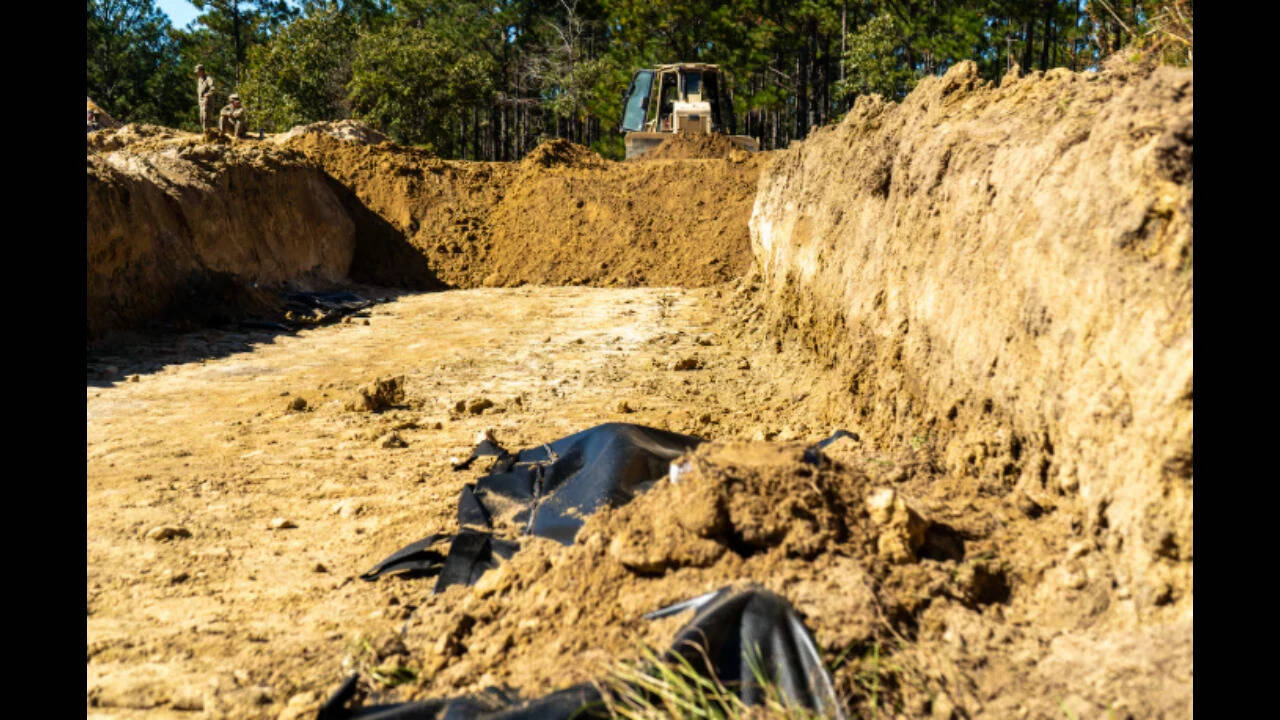
On October 30, 2026, the U.S. Army conducted a rare large-scale exercise at Fort Bragg in North Carolina to test its ability to carry out mass burials, a practice not used since the Korean War. This was part of Phase II of Operation Dragon Covenant, aimed at preparing for potential high-intensity conflicts with significant casualties. Soldiers from the 3rd Corps Sustainment Command and the 20th Engineer Brigade used diggers and excavators to assess their effectiveness in managing large-scale battlefield interments. The exercise, near the St. Mere Eglise Drop Zone, included religious support personnel like military chaplains to ensure respectful handling of remains until they could be identified and repatriated to the U.S. Sgt. 1st Class Delbert Ruede emphasized that such preparation was essential, stating, "If we went to war tomorrow, we would be making this up as we went along." The Army stressed the importance of systematically managing fallen soldiers in high-intensity conflicts.